
When your cat gets sticky glue on its fur, it can be worrying and stressful. Glue is not just uncomfortable—it can be dangerous if your cat tries to lick or chew the affected fur. Whether your cat has gotten into craft supplies, sticky traps, or household adhesives, knowing the right way to remove glue is important for your pet’s safety and comfort.
In this article, you’ll learn practical, safe, and effective methods to remove sticky glue from cat fur, how to keep your cat calm, what products are safe to use, and when you should seek help from a veterinarian. You’ll also discover common mistakes to avoid, plus tips that most beginners miss.
With clear explanations and real-life examples, you’ll have everything you need to handle this tricky problem.
Understanding The Risks Of Glue On Cat Fur
Sticky glue in cat fur is more than a nuisance. Some adhesives contain chemicals that can irritate the skin, cause allergic reactions, or even be toxic if ingested. For example, super glue contains cyanoacrylate, which can cause burns or ulcers on the skin.
Sticky traps often use adhesives that aren’t meant for contact with animals. Even household glues can pose risks—especially if your cat licks or chews the affected fur.
Cats are fastidious groomers. If glue is stuck on their fur, they will try to clean it themselves. This can lead to glue ingestion, mouth injuries, or stomach upset. In some cases, glue can mat fur so tightly that it pulls on the skin, causing pain or infection.
Types Of Glue And Their Dangers
Not all glues are equally dangerous. Here’s a comparison of common types:
| Glue Type | Risks | Common Uses |
|---|---|---|
| Super Glue | Skin burns, toxicity if ingested | Repairs, crafts |
| Sticky Trap Glue | Skin irritation, possible toxicity | Pest control |
| White Glue (PVA) | Mild irritation, rarely toxic | School projects |
| Epoxy | Severe burns, high toxicity | Heavy-duty repairs |
| Hot Glue | Burns, skin damage | Crafts, decorations |
If you know the exact type of glue, it helps you choose the safest removal method. If you’re unsure, treat it as potentially harmful and act quickly.
Preparing For Glue Removal
Before you start, it’s important to create a safe environment. Cats can become anxious or defensive if you try to touch sticky, painful areas. Preparation helps reduce stress for both you and your cat.
Steps To Prepare
- Assess the situation: Look at the affected fur, check for skin irritation, and note how much glue is present.
- Gather supplies: You’ll need pet-safe products, towels, gloves, a comb, and possibly scissors. Never use harsh chemicals.
- Keep your cat calm: Speak softly, move slowly, and avoid sudden gestures. Some cats respond well to treats or gentle petting.
- Protect yourself: Wear gloves if possible—some glues can irritate human skin too.
- Arrange help: If your cat is squirmy, ask a friend or family member to gently hold your pet. Never force your cat; stress can make removal harder.
Insight: Many owners forget to check for glue on the paws or tail, but these areas are often affected if a cat walks through sticky substances.
Safe Methods To Remove Sticky Glue From Cat Fur
There are several ways to remove glue, depending on the type and amount. Always start with the safest, least invasive method.
Using Oil-based Products
Oil helps break down glue, making it easier to comb or wash out. Choose products that are safe for cats.
Common choices:
- Olive oil
- Coconut oil
- Mineral oil (pet-safe)
- Vegetable oil
Steps:
- Apply a small amount of oil directly to the glued fur. Avoid the skin if possible.
- Gently massage the oil in, loosening the glue.
- Let the oil sit for 5–10 minutes.
- Use a fine-toothed comb to gently remove softened glue.
- Wash the area with pet shampoo to remove oily residue.
Tip: Don’t use essential oils. They can be toxic to cats.
Using Pet-safe Solvents
Some pet stores sell solvents designed to remove sticky substances from fur. Always check labels for safety.
Steps:
- Follow product instructions carefully.
- Apply to affected fur, avoiding eyes, mouth, and ears.
- Comb or wash out glue as directed.
- Rinse thoroughly to remove any solvent residue.
Manual Removal
If glue is only on the surface or in a small patch, manual removal may work.
Steps:
- Use your fingers or a comb to gently tease out the glue.
- If glue is stubborn, trim the affected fur with blunt-nosed scissors.
- Do not cut near the skin—leave a margin to avoid injury.
Non-obvious insight: Many beginners try to pull glue out forcefully. This can tear fur and hurt your cat. Patience is key.
Washing With Warm Water And Shampoo
For water-based glues (like white glue), washing can help.
Steps:
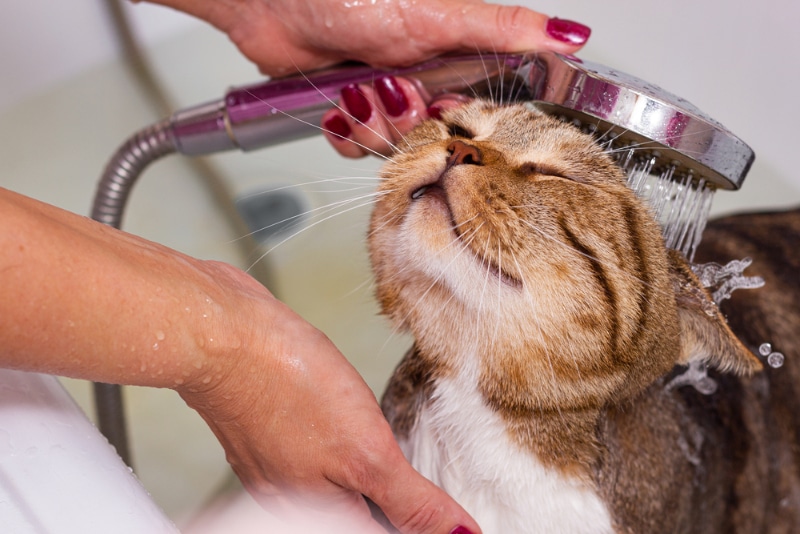
- Wet the affected area with warm water.
- Apply mild pet shampoo.
- Massage gently and rinse.
- Repeat as needed, but avoid soaking your cat completely unless necessary.
When To Use Scissors
If glue has formed a hard lump or is tightly matted, sometimes cutting is the safest option.
Guidelines:
- Use blunt-nosed, small scissors.
- Hold fur between glue and skin, and cut above your fingers.
- If you’re unsure, ask a groomer or vet for help.
Insight: Cutting fur is better than causing stress or injury. Cats’ fur grows back quickly.
What Not To Use On Cat Fur
Some products may seem helpful but can actually harm your cat.
Avoid:
- Acetone or nail polish remover (toxic, burns skin)
- Alcohol (irritates skin, dries fur)
- WD-40 or other lubricants (not pet-safe)
- Essential oils (toxic)
- Human shampoo or dish soap (can cause skin problems)
Comparison Table: Safe vs Unsafe Products
| Safe for Cats | Unsafe for Cats |
|---|---|
| Olive oil | Acetone |
| Coconut oil | WD-40 |
| Pet-safe solvents | Essential oils |
| Mild pet shampoo | Human shampoo |
Keeping Your Cat Calm During Removal
Cats can become frightened or aggressive when handled for glue removal. Managing their stress is crucial.
Practical Tips
- Work in a quiet room, away from noise and other pets.
- Wrap your cat gently in a towel (“kitty burrito”) for security—leave only the glued area exposed.
- Offer treats or favorite toys as distraction.
- Take breaks if your cat shows signs of distress (hissing, growling, squirming).
- Speak softly and use slow, gentle movements.
Insight: Most cats tolerate removal better if you work in short sessions rather than all at once.
Aftercare: Checking For Skin Damage And Comfort
Once glue is removed, check your cat’s skin and fur for irritation, redness, or cuts. Glue can leave behind sticky residue or cause skin problems.
Steps:
- Inspect the affected area for wounds or irritation.
- Apply pet-safe soothing ointment if skin is red or sore.
- Keep your cat from licking the area—use an Elizabethan collar if needed.
- Monitor your cat for signs of discomfort, infection, or behavioral changes.
Non-obvious insight: Even after glue is gone, fur may be sticky or matted. Groom your cat regularly for a few days to prevent new tangles.

Credit: www.reddit.com
When To See A Veterinarian
Some glue accidents require professional help. If you notice any of the following, contact your vet:
- Glue is in sensitive areas (eyes, mouth, genitals)
- Skin is burned, blistered, or bleeding
- Your cat is in pain or acting differently
- Glue is deeply matted or covers a large area
- Your cat has ingested glue
Veterinarians can safely remove glue, treat skin injuries, and offer advice. Sometimes sedation is needed for major removal.
Emergency Signs
- Difficulty breathing
- Vomiting or drooling
- Loss of appetite
- Lethargy or hiding
Do not wait—glue toxicity or skin burns can worsen quickly.
Preventing Glue Accidents
Prevention is easier than treatment. By making small changes, you can protect your cat from sticky glue in the future.
Practical Prevention Steps
- Store glue products safely: Keep all adhesives in closed cabinets or drawers.
- Clean up spills immediately: Wipe up glue and dispose of sticky trap residue right away.
- Use pet-safe pest traps: If you need traps, choose those with enclosed designs.
- Supervise craft activities: Keep your cat away from art supplies and DIY projects.
- Check for glue before letting your cat explore new areas: Construction zones or workshops may have hidden hazards.
Non-obvious insight: Cats are attracted to new smells and sticky surfaces. If you’re using glue, keep your cat in another room until cleanup is finished.
Real-life Examples: Cat Owners Share Their Experiences
Learning from others can help you avoid mistakes and find solutions.
Example 1: Sticky Trap Mishap
Sarah’s cat walked into a sticky mouse trap. She used olive oil to loosen the glue, then gently combed out the residue. It took two sessions, but her cat was calm and recovered well.
Example 2: Craft Glue Accident
Tom’s kitten rolled in a puddle of white glue. He washed the affected fur with warm water and pet shampoo, then trimmed a few stubborn areas. The glue came off without harming the skin.
Example 3: Super Glue Emergency
Linda found super glue on her cat’s paw. She called her vet, who advised against home removal. The vet used a special solvent and treated a small burn. Linda learned to store glue in a locked cabinet.
Insight: Most owners wish they had acted faster and avoided common mistakes like trying to pull glue out or using harsh chemicals.
Comparing Home Remedies And Professional Treatments
You might wonder if home remedies are as effective as professional treatments. Here’s a quick comparison:
| Home Remedies | Professional Treatments |
|---|---|
| Oil-based removal | Special solvents |
| Manual trimming | Sedation if needed |
| Pet shampoo | Skin treatments |
| Limited by glue type/area | Handles severe cases |
Home methods are best for small, non-toxic glue spots. For large or dangerous glue areas, a veterinarian offers safer, faster solutions.
Common Mistakes To Avoid
Even caring owners make mistakes. Here are errors to watch for:
- Using harsh chemicals: Never use nail polish remover or strong solvents.
- Pulling glue forcefully: This hurts your cat and can damage skin.
- Leaving glue on too long: The longer glue stays, the harder it is to remove.
- Ignoring signs of distress: If your cat is scared or in pain, stop and seek help.
- Not checking for hidden glue: Glue can be on paws, tail, or under fur.
Tip: Always check your cat’s paws—many cats step in glue before it sticks to their body.
Products And Tools For Safe Glue Removal
You don’t need expensive tools, but a few items make the process easier.
Recommended products:
- Blunt-nosed scissors
- Fine-toothed comb (metal or plastic)
- Pet-safe shampoo
- Olive oil or coconut oil
- Towel for wrapping your cat
- Gloves for your own safety
Pet-safe solvents: Look for products marked as safe for cats. Check reviews and ask your vet for recommendations.
Step-by-step Guide: Removing Sticky Glue From Cat Fur
Here’s a simple guide you can follow:
- Prepare your workspace: Choose a quiet room, gather tools and supplies, and wash your hands.
- Keep your cat calm: Use a towel wrap if needed.
- Assess glue location and type: Look for skin irritation or matted fur.
- Apply oil or pet-safe solvent: Massage gently into glued area.
- Wait 5–10 minutes: Let the product loosen glue.
- Comb out softened glue: Use a fine-toothed comb, working slowly.
- Trim stubborn glue: Use blunt-nosed scissors if needed.
- Wash the area: Use pet shampoo and rinse well.
- Dry and comfort your cat: Offer treats and gentle petting.
- Check for injuries: Inspect skin and fur, apply soothing ointment if needed.
How Long Does It Take To Remove Glue?
Removal time depends on glue type, location, and your cat’s temperament.
Average times:
- Small glue spot: 15–30 minutes
- Larger or matted area: 30–60 minutes, may need multiple sessions
If you’re struggling or your cat is stressed, take breaks. Patience is important for safety.

Credit: www.reddit.com
How Often Do Glue Accidents Happen?
Glue accidents are more common than most cat owners realize. According to a survey by the American Veterinary Medical Association, about 2% of pet emergency visits are due to foreign substances in fur or paws. Most cases happen during home repairs, pest control, or craft projects.
Insight: Cats are curious—small changes in your routine can prevent most glue mishaps.
What If Your Cat Has Sensitive Skin?
Some cats have allergies or sensitive skin. If your cat reacts badly to oil or shampoo, try these steps:
- Use hypoallergenic pet shampoo.
- Avoid scented oils.
- Test products on a small patch first.
- Ask your vet for recommendations.
Sensitive cats may need extra care—always watch for redness, swelling, or behavior changes.
Cleaning Up After Glue Removal
After glue is gone, it’s important to clean up your space. Dispose of used towels, combs, and scissors safely. Wash your hands and check for leftover glue anywhere your cat has been. If glue was spilled on floors or furniture, use pet-safe cleaners.
Tip: Don’t let your cat back into the area until all glue is cleaned up.
Frequently Asked Questions
How Can I Tell If Glue Is Toxic To My Cat?
Check the glue label for warnings. If it mentions toxicity or strong chemicals, treat it as dangerous. Many glues—like super glue or sticky trap adhesives—can cause skin burns, allergic reactions, or poisoning if ingested. If you’re unsure, call your vet or search for the product online.
Can I Use Peanut Butter To Remove Glue From Cat Fur?
Peanut butter is sometimes used for removing sticky substances, but it’s not ideal for cats. Many peanut butters contain sugar, salt, or xylitol (which is toxic to pets). Instead, use olive oil or coconut oil, which are safer and less likely to cause allergic reactions.
What Should I Do If Glue Is Near My Cat’s Eye Or Mouth?
Don’t try to remove glue near sensitive areas yourself. Glue in the eyes, mouth, or nose can cause serious injury. Contact your veterinarian immediately. They have the tools and experience to remove glue safely and treat any damage.
Will The Fur Grow Back After Trimming Glued Areas?
Yes, cat fur usually grows back quickly after trimming. Most cats show new growth within a few weeks. If you had to cut a large patch, monitor for signs of irritation and keep your cat from licking the area. In rare cases, fur may take longer to regrow if the skin was damaged.
Are Sticky Traps Safe For Homes With Cats?
Sticky traps are not recommended in homes with pets. Cats can easily get caught, leading to painful glue removal and risk of injury or toxicity. If you must use pest traps, choose enclosed designs or pet-safe alternatives. For more details, see ASPCA Animal Poison Control.
Removing sticky glue from cat fur can be challenging, but with careful preparation and the right tools, you can keep your cat safe and comfortable. Remember to act quickly, avoid harsh chemicals, and watch for signs of distress. Most glue accidents are preventable—store adhesives safely and keep your cat away from craft or repair projects.
If you’re ever unsure, ask your veterinarian for help. With patience and the tips in this guide, your cat will be back to its clean, happy self in no time.
Credit: www.catster.com