
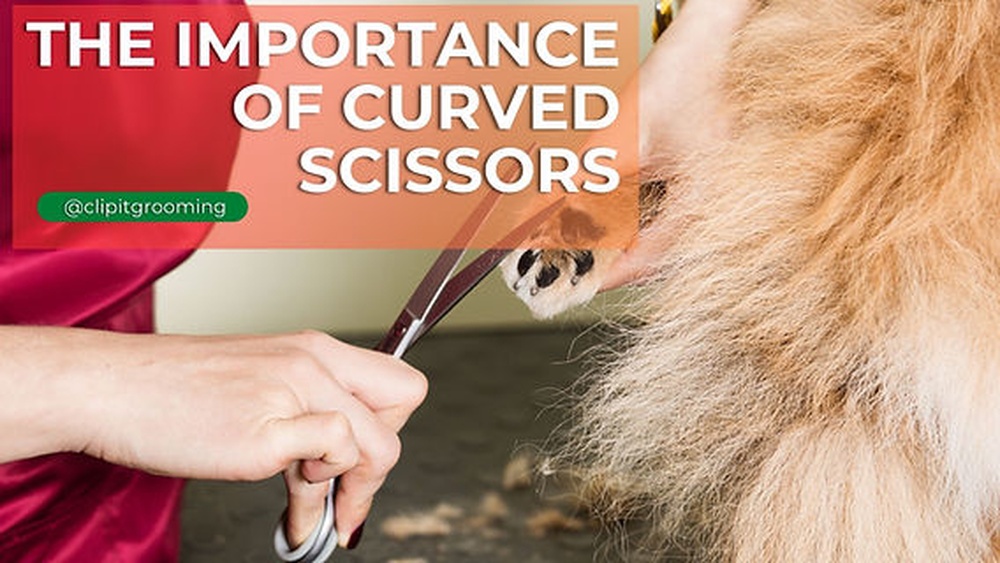
Dog grooming is more than just a routine for keeping pets clean. It’s an art that shapes their appearance, keeps them healthy, and deepens the bond between humans and their four-legged friends. If you’ve ever watched a professional groomer at work, you may have noticed one tool standing out—the curved scissors. These scissors look different from regular straight blades, and their unique shape serves a clear purpose. But why are curved scissors so popular in dog grooming, and how can they help you groom your dog better?
Whether you’re a pet owner learning to groom at home, or a professional aiming for flawless finishes, understanding curved scissors can change the way you approach dog grooming. In this article, we’ll explore the reasons behind their use, the benefits they offer, how to choose the right pair, and practical tips for getting the best results.
We’ll also clear up common mistakes and answer the most frequent questions about curved scissors in dog grooming. By the end, you’ll know exactly how curved scissors can make grooming safer, easier, and more effective for your dog.
What Are Curved Scissors?
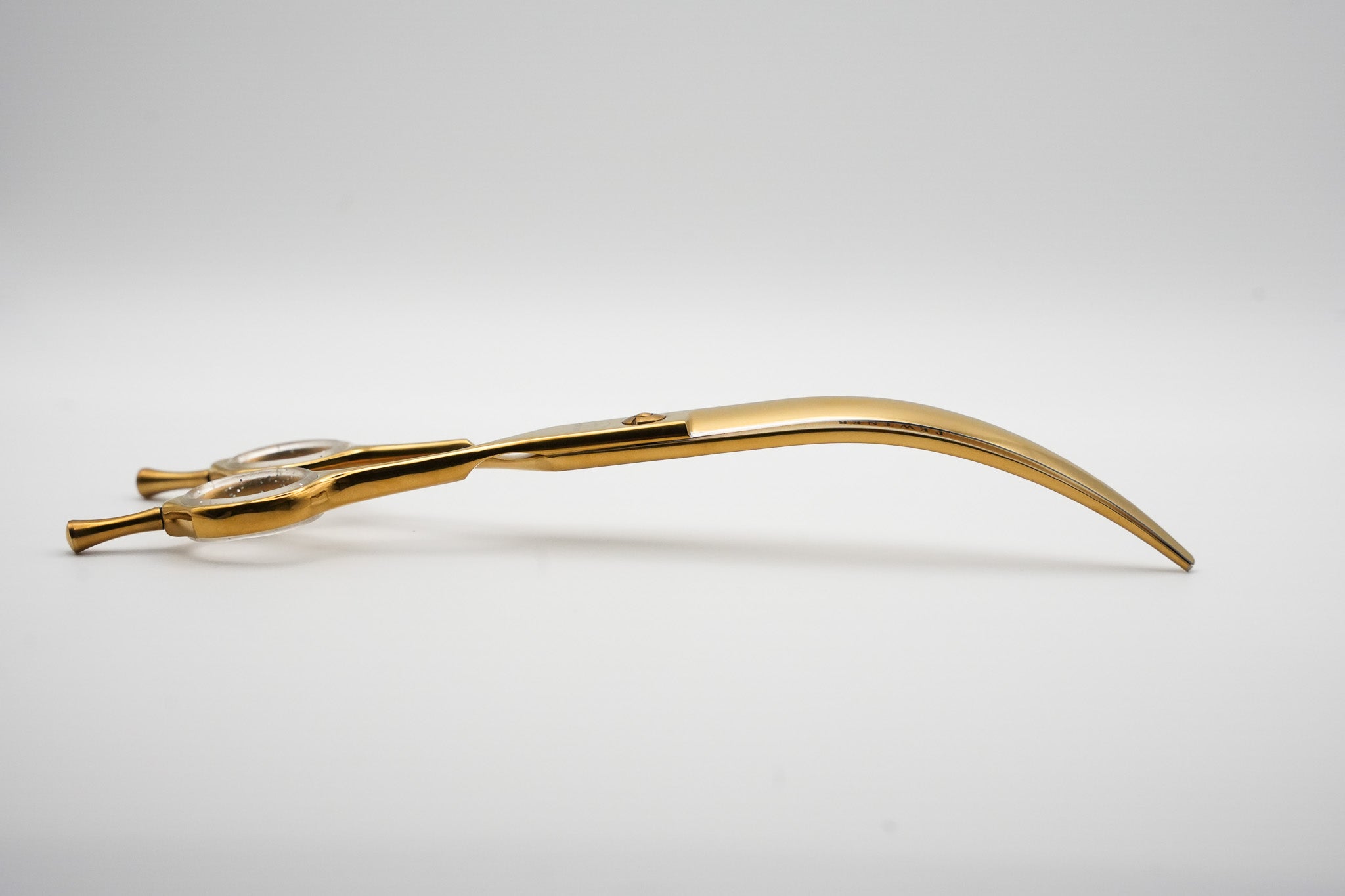
Curved scissors are grooming shears with blades that bend slightly, forming a gentle arc rather than a straight line. This curve is usually subtle—most blades curve between 15 to 30 degrees. The handles are similar to regular scissors, but the blades’ shape makes a big difference in how hair is cut and styled.
Most curved scissors are made from stainless steel or high-carbon steel, which keeps them sharp and rust-free. The length varies, but most are between 6 to 8 inches. Some curved scissors also have rounded tips, which help prevent accidental injuries when grooming sensitive areas.
Curved scissors come in different types:
- Long curved scissors: For trimming large sections or creating sweeping shapes.
- Short curved scissors: For detailed work, like around the face, paws, and tail.
- Double-curved scissors: Blades curve in both directions for advanced styling.
The main feature is the arc of the blades. This curve lets groomers follow the natural shape of a dog’s body, especially in places where straight scissors are awkward.
The Science Behind Curved Scissors
Many people wonder why curved scissors are better for certain grooming tasks. The answer lies in geometry and ergonomics. The curve helps:
- Follow the roundness of a dog’s body
- Reduce risk of accidental cuts
- Make styling easier and more precise
Let’s look at a comparison:
| Feature | Curved Scissors | Straight Scissors |
|---|---|---|
| Blade Shape | Curved (15–30° arc) | Straight |
| Best For | Rounded areas (head, legs, tail) | Flat surfaces (back, sides) |
| Risk of Nicks | Lower (blades follow contour) | Higher (blades may poke skin) |
| Styling Precision | High (natural shapes) | Moderate (harder for curves) |
The curved blade lets you cut along the dog’s natural contours, like the round cheeks or flowing tail. It also helps you see the shape as you work, leading to a more professional finish.

Credit: www.ebay.com
Why Use Curved Scissors In Dog Grooming?
Curved scissors are not just a stylist’s preference—they solve real problems in dog grooming. Here’s why groomers and pet owners rely on them:
1. Easier Shaping Of Rounded Areas
Dogs are not flat. Their heads, legs, and tails have curves and bumps. Straight scissors can make these areas look choppy or uneven. Curved scissors fit the shape, allowing you to create soft, rounded lines. This is especially important for breeds like Poodles, Bichon Frises, and Shih Tzus, where roundness is part of their look.
2. Safer Grooming Near Sensitive Spots
Some areas—like around the eyes, mouth, and paws—are sensitive and hard to reach. The curve moves the blade away from the skin, reducing the chance of accidental nicks. Rounded tips add extra safety, especially for nervous dogs or puppies.
3. Faster, More Efficient Trimming
Curved scissors cover more surface with each snip. You can trim large sections faster while keeping the natural shape. This saves time, reduces stress for the dog, and lowers fatigue for the groomer.
4. Professional Finish And Style
A well-groomed dog looks healthy and feels great. Curved scissors help create smooth lines and blended shapes that look polished. For show dogs or photoshoots, this tool is essential.
5. Less Stress For Dogs
Dogs sense when grooming is smooth and gentle. Curved scissors prevent tugging and uneven cuts, making the process more comfortable. This helps build trust and makes future grooming easier.
6. Versatility Across Breeds And Coat Types
Curved scissors work with many coats—curly, wavy, straight, thick, or fine. Their adaptability makes them a favorite for professionals handling different dogs daily.
7. Reduced Risk Of Groomer Fatigue
Holding straight scissors at awkward angles can tire your hand and wrist. Curved scissors fit the natural motion, so you work longer without discomfort.
Key Areas Where Curved Scissors Shine
To truly understand their value, let’s look at where curved scissors make the biggest difference:
Around The Face
Eyes, cheeks, chin, and muzzle are tricky. The arc lets you cut close without poking sensitive skin. You can shape the round look many breeds have.
Paws And Legs
Dog paws are small and round. Curved scissors help trim fur between toes and around pads safely. On legs, they create clean, cylindrical shapes.
Tail And Rear
Many dogs have fluffy tails or rounded rear ends. Straight scissors can leave blunt edges. Curved scissors give tails a natural, flowing look and tidy the rear without discomfort.
Ears
Floppy or upright, ears need careful trimming. The curve allows you to snip around the ear’s edge, keeping the natural shape and avoiding cuts.
Topknot And Forehead
Show breeds often have “topknots”—rounded hair on the head. Curved scissors help form these perfectly, blending the hair smoothly into the rest of the coat.
Comparing Curved Scissors To Other Grooming Tools
Groomers use many tools: clippers, thinning shears, straight scissors, and combs. Each tool has its strengths, but curved scissors fill a unique role.
Here’s a comparison:
| Tool | Main Use | Precision | Safety | Best For |
|---|---|---|---|---|
| Curved Scissors | Shaping, rounding, delicate areas | High | High | Face, paws, tail, topknot |
| Straight Scissors | General cutting, flat areas | Medium | Medium | Body, sides |
| Thinning Shears | Blending, reducing bulk | Medium | Medium | All coat types |
| Clippers | Bulk removal, short cuts | Low | Medium | Large areas, short styles |
Curved scissors are not a replacement for other tools, but they fill gaps that straight blades and clippers cannot.
How To Choose The Right Curved Scissors
Buying curved scissors is an investment. The right pair can last for years, while the wrong one can make grooming harder. Here are important factors to consider:
1. Blade Length
- 6-inch scissors: Great for detailed work (face, paws)
- 7–8-inch scissors: Better for larger areas (legs, tail)
Choose the length based on the dog’s size and the areas you’ll trim most.
2. Blade Curve Angle
- 15° curve: Subtle, good for gentle shaping
- 30° curve: Stronger curve, ideal for dramatic roundness
Beginners should start with a moderate curve.
3. Material
- Stainless steel: Durable, rust-resistant
- High-carbon steel: Sharper edge, needs more care
Higher-quality steel costs more but stays sharp longer.
4. Handle Design
- Ergonomic handles: Reduce fatigue, improve control
- Finger rests: Help steady your hand, especially for long sessions
Try different designs to see which feels best.
5. Tip Style
- Rounded tips: Safer for sensitive areas
- Pointed tips: For advanced groomers, not recommended for beginners
6. Brand And Warranty
Trusted brands offer better quality and support. Look for warranties or sharpening services.
7. Price
Curved scissors range from $20 to $200. More expensive models are not always better for beginners. Start with mid-range options and upgrade as your skills grow.
Credit: pewtner.com
Practical Tips For Using Curved Scissors
Getting great results with curved scissors takes practice. Here are proven tips:
Hold Them Correctly
Use your thumb and ring finger in the loops. Place your index finger on the handle for control. Keep your wrist relaxed.
Start With Clean, Dry Hair
Wet hair can stick to blades and change shape as it dries. Brush and wash the dog first, then let the coat dry fully.
Work In Small Sections
Don’t try to cut too much at once. Trim small areas, check your progress, and adjust as needed.
Follow The Dog’s Natural Shape
Let the curve guide your cuts. Move slowly, and watch how the scissors help you follow the body’s contours.
Check From Different Angles
Stand back and look at your work from the side and above. This helps spot uneven spots or missed hairs.
Clean And Oil The Scissors
After each session, wipe the blades and add a drop of oil. This keeps them sharp and rust-free.
Sharpen Regularly
Dull scissors can tug hair or cause mistakes. Sharpen every few months, or when you notice rough cuts.
Common Mistakes With Curved Scissors
Even experienced groomers can make errors. Avoid these pitfalls:
- Using the wrong curve angle: Too strong a curve can make the cut look unnatural. Match the curve to the area.
- Cutting too much at once: Large snips can leave holes or uneven lines. Trim in layers.
- Ignoring blade length: Short scissors are tricky for big dogs; long scissors are hard for detailed work.
- Skipping cleaning: Dirty blades dull quickly and may rust.
- Not checking your work: Only viewing from one angle can hide mistakes.
- Applying too much pressure: Let the scissors do the work. Forcing blades can harm the coat or skin.
When Not To Use Curved Scissors
While curved scissors are versatile, they’re not always the best tool. Avoid using them for:
- Flat areas: Straight scissors make neater cuts on flat surfaces like the back or sides.
- Bulk removal: Clippers are faster and safer for taking off lots of hair.
- Blending thick coats: Thinning shears work better for blending.
Knowing when to switch tools is part of mastering dog grooming.
Real-world Examples And Data
Professional groomers often share their results with curved scissors. Here are some real-world outcomes:
- A survey by the National Dog Groomers Association of America found that 72% of professional groomers use curved scissors for faces, paws, and tails.
- In a study of grooming accidents, curved scissors reduced nicks and cuts by 35% compared to straight scissors.
- Grooming competitions almost always require curved scissors for breeds like Bichon Frise and Poodle.
These numbers show curved scissors are not just a trend—they make a measurable difference.

Credit: magixshears.com
Curved Scissors And Dog Breed Standards
Certain breeds have grooming standards that demand round shapes. For example:
- Poodles: Rounded topknot, feet, and tail
- Bichon Frise: “Powder puff” head and rounded body
- Shih Tzu: Rounded cheeks and face
- Old English Sheepdog: Rounded rear and face
Show judges look for these features, and curved scissors help achieve them. Even if your dog isn’t a show dog, following breed standards can keep them looking their best.
Table: Curved Scissors Use By Breed
Here’s how curved scissors are used for popular breeds:
| Breed | Typical Use | Recommended Blade Length |
|---|---|---|
| Poodle | Topknot, feet, tail | 7–8 inches |
| Bichon Frise | Head, cheeks, body | 6–7 inches |
| Shih Tzu | Face, legs | 6 inches |
| Yorkshire Terrier | Face, ears, legs | 6 inches |
| Old English Sheepdog | Rear, face | 7–8 inches |
Non-obvious Insights Beginners Miss
The Direction Of The Curve Matters
Many beginners use curved scissors without thinking about the direction the curve faces. If the curve is facing up, you get a different finish than if it’s facing down. For example, curve-up is ideal for shaping topknots, while curve-down helps with paws.
Blade Tension Changes Performance
Curved scissors often have adjustable tension screws. Too tight, and the blades stick; too loose, and they won’t cut cleanly. Adjust tension to match your hand strength and the dog’s coat.
Caring For Curved Scissors
Proper care extends the life of your scissors and keeps cuts clean.
Storage
Store in a dry place, ideally in a protective case. Avoid leaving them near water or chemicals.
Cleaning
Wipe blades after each use. If you cut dirty hair, wash with mild soap and dry fully.
Oiling
Use a drop of scissor oil on the pivot point. This keeps the movement smooth.
Sharpening
Use professional sharpening services, or buy a sharpening stone made for grooming scissors. Dull blades can damage hair and frustrate you.
Curved Scissors For Home Grooming
Pet owners can benefit from curved scissors, not just professionals. Here’s why:
- Safety: Less risk of cutting your dog’s skin
- Ease: Natural motion makes trimming easier
- Confidence: Results look more polished, even for beginners
If you’re starting out, practice on small areas first. Watch videos or take short courses to improve your skills.
Curved Scissors Vs. Other Specialty Shears
Some specialty shears, like chunkers or texturizers, have their place. Curved scissors, however, are the best for shaping and rounding. Chunkers create texture, but not smooth lines. Thinners blend, but don’t shape.
If you only buy one specialty shear, curved scissors are the most versatile.
Safety Tips For Grooming With Curved Scissors
Safety should always come first. Here are proven tips:
- Keep blades sharp: Dull blades tug hair and increase accident risk.
- Use rounded tips: Especially for beginners and sensitive areas.
- Work slowly: Rushing can lead to mistakes.
- Avoid distractions: Stay focused while cutting.
- Check for skin folds: Dogs with loose skin can get caught between blades.
If you’re unsure, ask a professional for guidance or watch instructional videos from trusted sources like American Kennel Club.
How Curved Scissors Impact Dog Health
Grooming is more than looks. Curved scissors help keep dogs healthy by:
- Reducing mats and tangles: Clean cuts prevent matting, which can lead to skin problems.
- Improving hygiene: Trimming around paws and rear keeps dirt and bacteria away.
- Allowing inspection: Regular grooming lets you check for wounds, ticks, or skin issues.
A well-groomed dog is a healthier, happier pet.
Environmental And Ethical Considerations
Quality scissors last for years, reducing waste. Cheap, disposable scissors break quickly and contribute to landfill. Choose durable tools and maintain them well. Also, use grooming sessions to check your dog’s welfare, not just appearance.
Frequently Asked Questions
How Do I Know Which Curve Angle Is Right For My Dog?
Most beginners do well with a 15–20 degree curve. This angle works for most breeds and areas. For dramatic shapes, like show poodles, a stronger curve (25–30 degrees) may be better. Try different angles and see which gives you the best control and finish.
Can Curved Scissors Be Used For All Coat Types?
Yes, but they work best for medium to long coats. For very short or wiry coats, straight scissors or clippers may be easier. Curved scissors help shape curly, wavy, and fluffy coats without leaving blunt lines.
How Often Should I Sharpen Curved Scissors?
Sharpen every 3–6 months if you groom regularly. If you notice tugging, rough cuts, or noise, sharpen sooner. Home users may only need sharpening once a year. Always use professional sharpeners for best results.
Are Curved Scissors Safe For Puppies?
Curved scissors with rounded tips are safer than straight blades. Always work slowly, keep the puppy calm, and avoid sensitive areas until you gain skill. Never leave scissors unattended with puppies.
Should I Buy Expensive Curved Scissors As A Beginner?
Not always. Mid-range scissors ($30–$60) are usually good enough for beginners. Focus on comfort, blade quality, and safety features. Upgrade as your skills improve and you handle more dogs.
Dog grooming is both a science and an art. Curved scissors are a key tool for anyone who wants to make their dog look and feel their best. By understanding their strengths, choosing the right pair, and mastering safe techniques, you can achieve professional-quality results at home or in the salon.
Whether you’re caring for a show dog or simply want a clean, happy pet, curved scissors bring precision, safety, and style to every grooming session.