
Cats are curious creatures. Sometimes their adventures lead them into sticky situations—like getting car grease on their fur. This greasy mess is not only hard to clean, but it can also be dangerous for your pet. If your cat licks the grease, it can cause stomach problems or even poisoning. You might feel overwhelmed, but with patience and the right method, you can safely remove car grease from cat fur. Let’s break down the steps, tools, and tips to help your cat get clean and comfortable again.
Understanding Car Grease And Its Risks
Car grease is made from petroleum-based oils and other chemicals. It sticks tightly to surfaces and is meant to last through heat and motion. On a car, that’s good. On a cat, it’s bad. Car grease can:
- Irritate skin: Cats have sensitive skin. Grease can cause redness and itching.
- Be toxic if ingested: If your cat licks its fur, grease enters their system and can cause vomiting, diarrhea, or worse.
- Trap dirt and bacteria: Grease attracts dust, making infections more likely.
A study by the American Society for the Prevention of Cruelty to Animals (ASPCA) found that over 40% of cat poisoning cases involved household chemicals, including automotive products. Acting fast is key. Even a small amount of car grease can create problems, especially if your cat is young or has allergies.
It’s important to understand that car grease is designed to withstand tough conditions, so it does not break down easily. This makes it harder to wash off than other types of dirt or oil.
Car grease often contains heavy metals like lead or zinc, which are extremely toxic to animals. If your cat ingests even a tiny bit while grooming, it could face serious health risks. Grease can also block pores in the skin, leading to irritation or infection.
If left untreated, your cat may develop hot spots—painful, red areas that require medical care.
Assessing The Situation
Before grabbing cleaning supplies, take a close look at your cat. Check:
- How much fur is affected: Is it just a paw, or is the body covered?
- Type of grease: Some greases are thicker or more toxic than others.
- Cat’s behavior: Is your cat stressed, licking the fur, or trying to hide?
If your cat has grease near the mouth or eyes, or seems sick, call your vet immediately. Otherwise, you can handle most cases at home. Remember, cats often hide pain or discomfort, so look for subtle signs such as trembling, drooling, or unusual silence.
If your cat is acting differently, it could mean the grease is causing discomfort or the cat is feeling sick from licking it.
Sometimes, grease is only visible on the surface, but it might have soaked deeper into the fur or skin. Gently part the fur and look for hidden patches. If you notice the skin looks red, swollen, or irritated, you may need to use extra caution during cleaning.
It’s also wise to check your cat’s paws and between the toes—grease can easily collect in these areas and is often missed.
Preparing For Cleaning
Cleaning cat fur takes care and patience. You’ll need:
- Protective gloves: Car grease can harm your skin.
- Old towels: Cats may squirm or shake.
- Mild dish soap: Brands like Dawn are known for cutting grease but are gentle.
- Pet-safe wipes: Useful for small spots.
- Warm water: Not hot, as it can hurt your cat.
- Comb or brush: Helps remove loosened grease.
- Cotton balls or soft cloths: For gentle scrubbing.
Have treats nearby. They help calm your cat and reward good behavior. Choose a location that is comfortable for both you and your cat, such as a bathroom or laundry room. Make sure all supplies are within arm’s reach to avoid leaving your cat unattended.
If your cat is nervous, try placing a familiar blanket or toy nearby. Some cats feel safer with gentle background music or calm voices. It’s also helpful to trim your cat’s nails before cleaning, as cats may scratch when stressed.
If your cat is very anxious, consider asking someone to help hold or comfort your pet during the process.
Step-by-step Guide To Removing Car Grease
Let’s walk through the process. Stay calm—cats sense stress and may panic.
1. Secure Your Cat
Choose a quiet room. Wrap your cat gently in a towel, leaving the greasy area exposed. If your cat fights, ask a friend to help hold them. Speak softly and use treats to reassure.
For extra stability, sit on the floor with your cat between your legs. This helps prevent escape and allows you to work more easily. If your cat is very restless, pause and let them calm down before continuing.
2. Remove Excess Grease
Use a paper towel or soft cloth to blot away extra grease. Do not rub; rubbing spreads the grease deeper into the fur. Blot gently, pressing lightly to lift as much grease as possible. In cases where grease is thick, you might need to repeat blotting several times. If grease is clumped, you can use the edge of the towel to gently lift it away.
3. Apply Dish Soap
Wet a soft cloth with warm water and squeeze out excess. Add a few drops of mild dish soap. Gently massage the soapy cloth into the greasy fur, working from the roots out. Avoid the eyes, nose, and mouth.
Move slowly and use circular motions to help break up the grease. For tough spots, let the soap sit for a minute before rinsing. If the grease is thick, you may need to repeat this step, but avoid scrubbing too hard—this can damage the skin.
4. Rinse Thoroughly
Rinse the area with another damp cloth. Make sure to remove all soap. Cats can react badly to soap left in their fur.
Use several clean cloths if needed, and keep rinsing until you no longer feel any slipperiness. If your cat is sensitive, use lukewarm water, as cold water can make the experience unpleasant.
5. Dry And Brush
Pat the area dry with a towel. Once dry, use a comb to loosen any remaining grease. Repeat the cleaning if needed.
A wide-toothed comb works best for thick fur. Be gentle and take breaks if your cat seems stressed. Brushing also helps remove loose hair and prevents matting.
6. Check For Residual Grease
Grease can hide in thick fur. Repeat the process if you still see or feel oily spots.
Feel the fur with your fingers—if it feels sticky or slick, another round of cleaning may be needed. For long-haired cats, divide the fur into sections and check carefully.
7. Prevent Licking
If your cat keeps licking the cleaned area, distract them with toys or treats. If needed, use an Elizabethan collar for a few hours.
Monitor your cat’s behavior closely. Persistent licking may mean irritation or leftover grease. If your cat refuses the collar, try covering the area with a light bandage (under supervision).
Cleaning Large Grease Spots
If your cat has a large area covered in grease, more care is needed. Sometimes a full bath is required.
Bathing Your Cat Safely
Most cats hate water. To make bathing less stressful:
- Use a sink or small tub with a non-slip mat.
- Fill with a few inches of warm water (never hot).
- Wet your cat slowly, avoiding the head.
- Apply dish soap to greasy spots.
- Rinse carefully, making sure all soap is gone.
- Dry your cat with a towel and keep them warm.
Some cats will panic. If your cat is too scared, try cleaning in sections or call your vet or a professional groomer. Place a towel or washcloth over your cat’s back—this helps them feel secure and prevents slipping. Speak calmly and offer treats during each step.
If your cat is very anxious, stop and resume later rather than forcing the process.
After the bath, keep your cat in a warm, dry area. Make sure your cat is fully dry before letting them roam, as wet fur can cause chills. For cats with thick coats, use a pet-safe blow dryer on low heat, but only if your cat is comfortable.
Choosing The Right Cleaning Products
Not all soaps or cleaners are safe for cats. Here’s a comparison of common products:
| Product Type | Effectiveness on Grease | Safety for Cats | Recommended Use |
|---|---|---|---|
| Mild Dish Soap | High | Safe (if rinsed) | Spot cleaning, baths |
| Pet Shampoo | Medium | Very safe | General cleaning |
| Baby Shampoo | Low | Safe | Limited use |
| Hand Soap | Low | Unsafe | Not recommended |
| Pet Wipes | Medium | Safe | Small spots |
Mild dish soap (like Dawn) is best for grease. Avoid hand soaps or any cleaner with strong chemicals or perfumes. For cats with allergies, choose unscented and hypoallergenic products. Always read the label to make sure the soap does not contain harmful additives.

Credit: www.reddit.com
What Not To Use
There are cleaning methods and products you should never use on cats:
- Solvents: Gasoline, kerosene, mineral spirits are toxic.
- Alcohol-based cleaners: Dry out and irritate skin.
- Strong detergents: Can cause chemical burns.
- Brushes with stiff bristles: Can scratch your cat.
Many beginners think baby wipes or hand sanitizer will work. These are unsafe and can make things worse. Some online tips suggest using harsh chemicals, but these can cause permanent damage to your cat’s skin and health.
Handling Stubborn Grease
Sometimes grease sticks even after washing. For stubborn spots:
- Repeat cleaning, but limit to twice to avoid skin irritation.
- Try pet-safe degreasing wipes.
- Use a fine-toothed comb after each wash.
- Trim fur if grease cannot be removed. Use blunt scissors and be careful.
If grease will not come out after two attempts, or your cat’s skin looks red, call your vet or a groomer. Never use force or harsh scrubbing—this can lead to cuts or infections. For small but stubborn areas, olive oil can sometimes help break up the grease, but always rinse thoroughly afterward.

Credit: www.reddit.com
When To See A Veterinarian
Some situations require expert help:
- Grease is near the mouth, eyes, or genitals
- Cat is vomiting, drooling, or acting sick
- Large area is affected and your cat is stressed
- Skin is red, blistered, or bleeding
A vet can clean your cat safely and check for health issues. They may use special cleaners or shave the affected area. In some cases, your vet might prescribe medication if your cat has ingested grease or developed an infection.
Preventing Car Grease Accidents
Cats often get grease by hiding under cars or exploring garages. Here are ways to prevent future problems:
- Keep cats indoors: Indoor cats are less likely to get grease.
- Close garage doors: Don’t let cats roam in garages.
- Check under cars before driving: Cats sometimes nap under parked cars.
- Clean up spills: Wipe up grease from floors and driveways quickly.
- Use pet-safe barriers: If you must let your cat outside, use fences or enclosures.
Data from the Humane Society shows that indoor cats live up to 5 years longer than outdoor cats, partly due to fewer accidents. Also, teach children and family members to keep garage doors closed and avoid leaving containers of grease or oil unattended.
Dealing With Long-haired Cats
Long-haired cats are more prone to grease sticking deep in their fur. Here’s how to help:
- Use a wide-toothed comb first, then a fine comb.
- Divide fur into sections and clean one at a time.
- Be patient—rushing can cause knots and stress.
- If you can’t remove grease, trim the fur. Ask a groomer for help if needed.
Cats with thick fur may need extra rinsing and drying. Watch for signs of skin irritation. For very fluffy cats, you may need to repeat brushing several times to fully remove all grease and prevent matting.
What To Expect After Cleaning
After removing grease, your cat may act differently for a few hours. Common reactions:
- Licking: Cats groom themselves to restore their scent.
- Hiding: Some cats feel embarrassed or stressed after cleaning.
- Shaking: Removing water and excess fur.
Monitor your cat for signs of discomfort. If your cat keeps licking the cleaned area, check for leftover soap or grease. Sometimes cats will rub against furniture or carpets to restore their scent or comfort themselves. This is normal, but keep an eye out for excessive licking or scratching.
Home Remedies: Do They Work?
Many people try home remedies like baking soda, cornstarch, or olive oil. Are they effective?
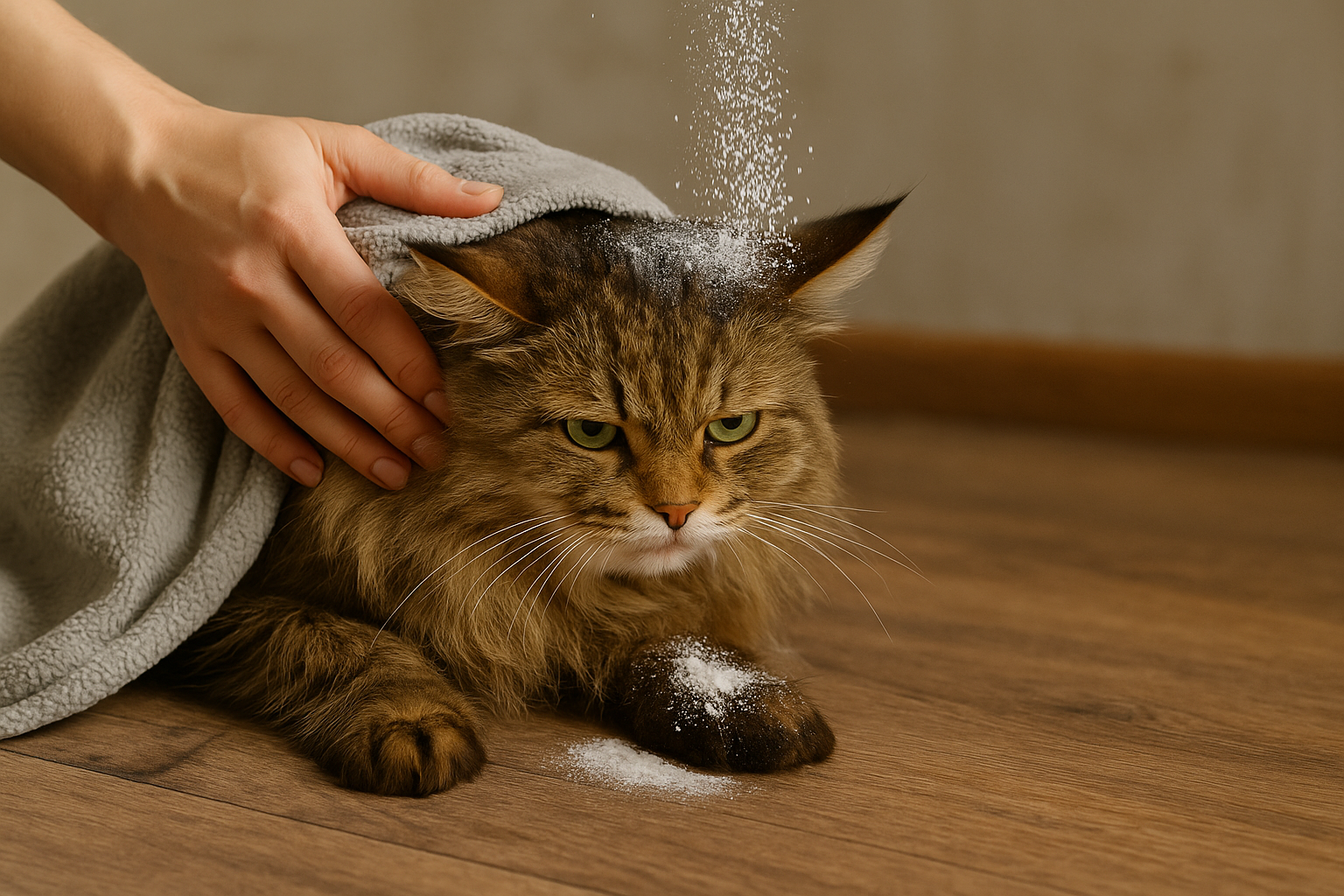
| Remedy | Effectiveness | Risks | Recommended? |
|---|---|---|---|
| Baking Soda | Low | Can irritate skin | No |
| Cornstarch | Low | Can cause knots | No |
| Olive Oil | Medium | Can make fur oily | Maybe (small spots) |
| Vinegar | Low | Strong smell, irritates skin | No |
Olive oil can loosen grease but leaves fur oily and is hard to wash out. Baking soda and cornstarch are not effective and can cause skin problems. If you use olive oil, follow with a gentle soap wash to remove the oil and grease together.
Practical Tips For Success
Removing car grease from cat fur can be challenging. Here are tips to make it easier:
- Stay calm: Cats pick up on your mood.
- Work slowly: Rushing increases stress and mistakes.
- Use treats: Reward your cat after each step.
- Ask for help: Two people make cleaning safer.
- Have supplies ready: Don’t leave your cat alone to fetch items.
- Check for allergies: Some cats react to soaps; use unscented products.
These tips are often overlooked but make the process smoother. Another helpful tip is to use a gentle pet conditioner after cleaning—this helps restore moisture to the skin and fur.
Real-life Example
Sarah, a cat owner in California, found her cat covered in car grease after a backyard adventure. She tried to clean with baby wipes but failed. After switching to mild dish soap and working in small sections, she removed the grease in two sessions.
Her cat was stressed but recovered quickly after some treats and extra cuddles.
This example shows the importance of using the right product and taking your time. It also highlights that patience and gentle handling are more effective than rushing or using the wrong products.
Comparing Professional Grooming And Home Cleaning
Should you clean your cat at home or call a professional? Let’s compare:
| Method | Cost | Effectiveness | Stress for Cat | Speed |
|---|---|---|---|---|
| Home Cleaning | Low | High (small spots) | Low-Medium | 30–60 min |
| Professional Groomer | High ($50–$100) | Very High | Medium-High | 1–2 hours |
| Veterinarian | Very High ($80–$200) | Very High | Medium | 1 hour |
Home cleaning is best for small grease spots and calm cats. For large areas or nervous cats, professional help is safer. Professional groomers have special tools and experience, making the process faster and less risky. Vets can handle medical complications and severe cases.
Cleaning Up Afterwards
After cleaning your cat, wash your hands and any towels or tools used. Car grease can stain and carry bacteria. Dispose of paper towels and gloves properly.
If you used a sink or tub, scrub it with soap and hot water. Do not let other pets near the area until it’s clean. If grease got on your clothes, wash them separately to avoid spreading the mess.
Monitoring Your Cat After Cleaning
For the next 24–48 hours, watch your cat for signs of trouble:
- Vomiting or diarrhea: May indicate grease ingestion.
- Redness or itching: Possible reaction to soap or grease.
- Unusual behavior: Hiding, not eating, or acting sick.
If you notice any of these, call your vet. Cats often hide pain, so early action is important. Keep your cat indoors and limit activity until you’re sure they are fully recovered.
Additional Insights Beginners Might Miss
Many people overlook these important points:
- Grease can hide in paws and between toes: Always check these areas.
- Cats may develop skin infections after grease exposure: Watch for swelling or pus.
- Repeated washing can dry out skin: Use a moisturizing pet conditioner if needed.
- Car grease may contain heavy metals: Even after cleaning, monitor for long-term effects.
These are rarely mentioned in basic guides but are crucial for your cat’s health. Also, watch for signs of behavioral changes—sometimes cats avoid food or water after stressful events, so encourage eating and drinking.
How To Help Your Cat Recover Emotionally
Cleaning is stressful for most cats. Help your cat recover:
- Create a safe space: Give your cat a quiet room for a few hours.
- Provide extra treats and cuddles: Positive reinforcement helps.
- Resume normal routine: Cats love routine; it calms them.
A study from the University of Pennsylvania showed that cats recover faster from stress with familiar routines and gentle handling. Try offering favorite toys or a soft blanket to help your cat feel secure.
Why Quick Action Matters
Car grease is not just messy—it can be deadly. Quick removal prevents skin irritation, poisoning, and infections. Waiting too long increases risks and makes cleaning harder.
According to the ASPCA, cats exposed to toxic substances who received immediate care had a recovery rate of over 90%. Delays lead to complications. Acting quickly also reduces the risk of your cat spreading grease around the house, which can affect other pets and surfaces.
Where To Find Help
If you cannot remove car grease or your cat is sick, contact:
- Local veterinarians
- Professional groomers
- Animal poison control hotlines
For more information about pet poisoning and safe cleaning, visit ASPCA Animal Poison Control.
Credit: www.labellepaw.com.au
Frequently Asked Questions
How Dangerous Is Car Grease For Cats?
Car grease is very dangerous. It contains chemicals that can poison your cat if swallowed. It also irritates skin and can cause infections if left on fur. Even a small amount can have serious effects, so do not ignore greasy fur.
Can I Use Regular Soap To Clean Car Grease From My Cat?
No. Most regular soaps are too harsh for cats and can cause skin problems. Use mild dish soap or a pet-safe shampoo. Always rinse thoroughly to prevent irritation.
What If My Cat Keeps Licking The Cleaned Area?
Monitor your cat. If licking continues, use an Elizabethan collar for a few hours. Check for leftover grease or soap. Persistent licking may mean discomfort or irritation. Distract your cat with play or treats to help break the habit.
Is It Safe To Trim My Cat’s Fur To Remove Grease?
Yes, but be careful. Use blunt scissors and cut only the greasy fur. Do not cut close to the skin. If unsure, ask a professional groomer. For mats or thick patches, use special pet scissors with rounded tips.
How Can I Prevent My Cat From Getting Car Grease Again?
Keep your cat indoors and away from garages and cars. Clean up spills quickly. If your cat must go outside, supervise and use pet-safe barriers. Consider building a safe outdoor enclosure if your cat loves fresh air.
Cleaning car grease from cat fur is challenging but manageable. With the right tools and patience, you can help your cat feel clean and safe. Remember, quick action is best, and professional help is always an option if needed. Taking these steps will protect your cat’s health and give you peace of mind.