
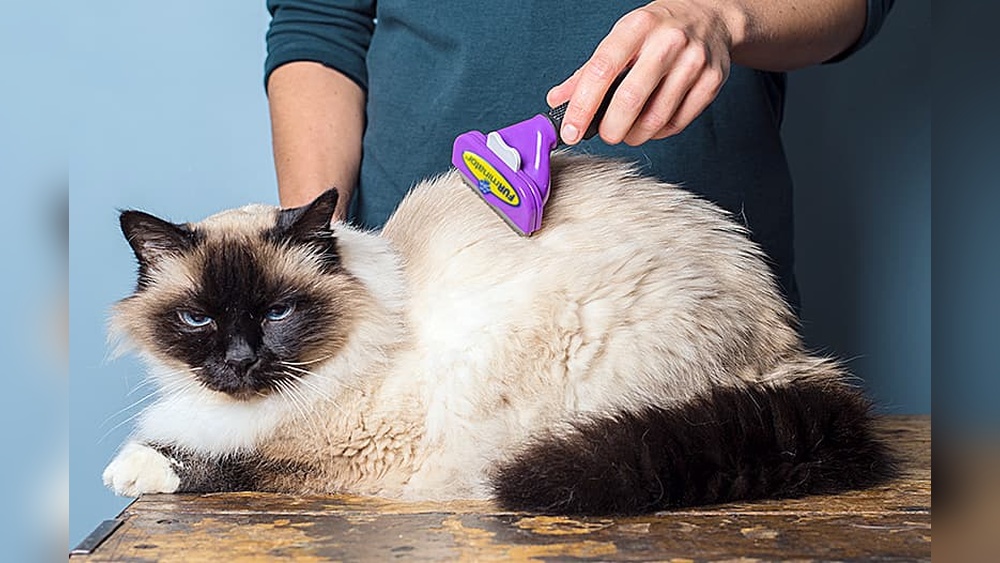
Cats are well known for their soft, beautiful fur. But if you live with a cat, you know that fur has a way of ending up everywhere—on your clothes, your furniture, and sometimes, even in your food. Shedding is a natural process for cats, but when left unmanaged, it can become a problem for both your pet and your home. Using a deshedding tool is one of the most effective ways to control shedding and keep your cat’s coat healthy. However, using this tool the right way is essential for your cat’s comfort and safety.
This article will walk you through how to use a deshedding tool on a cat, step by step. You’ll learn why deshedding matters, how to pick the best tool for your cat’s coat, and what to do before, during, and after the grooming session.
You’ll also discover common mistakes people make and how to avoid them. Whether you’re new to cat grooming or want better results, you’ll find everything you need to make grooming a positive experience for both you and your furry friend.
Why Deshedding Is Important For Cats
Shedding is a normal part of a cat’s life. Cats lose dead hair so new hair can grow in its place. But too much loose hair can cause problems. It can lead to hairballs, which are uncomfortable for cats and messy for owners. If loose hair stays on the cat’s skin, it can form mats—tangled clumps that can hurt your cat and damage their skin.
Deshedding helps reduce these problems. It removes loose hair before it falls off, which means less cleaning for you. It also keeps your cat’s coat clean and smooth. Regular deshedding can even improve your cat’s health. By brushing away loose hair, you also remove dirt, dander, and tiny parasites that can hide in the fur.
Many cats enjoy being brushed. It can be a time to bond, especially if you use gentle strokes and reward your cat with treats or praise. For some cats, grooming can even reduce stress.
Understanding Deshedding Tools
Not all brushes are created equal. A deshedding tool is specially designed to reach through your cat’s topcoat and remove loose hair from the undercoat. These tools are different from regular brushes, which mostly smooth the surface but do not pick up as much loose hair.
Types Of Deshedding Tools
There are several types of deshedding tools. Knowing the difference helps you choose the right one for your cat:
| Tool Type | Best For | Main Features |
|---|---|---|
| Deshedding Blade | Short-haired cats | Metal blade with small teeth, removes loose hair quickly |
| Undercoat Rake | Long-haired cats | Long, spaced teeth, good for thick or tangled fur |
| Grooming Glove | Sensitive or anxious cats | Rubber tips, gentle massage feel, less effective for heavy shedding |
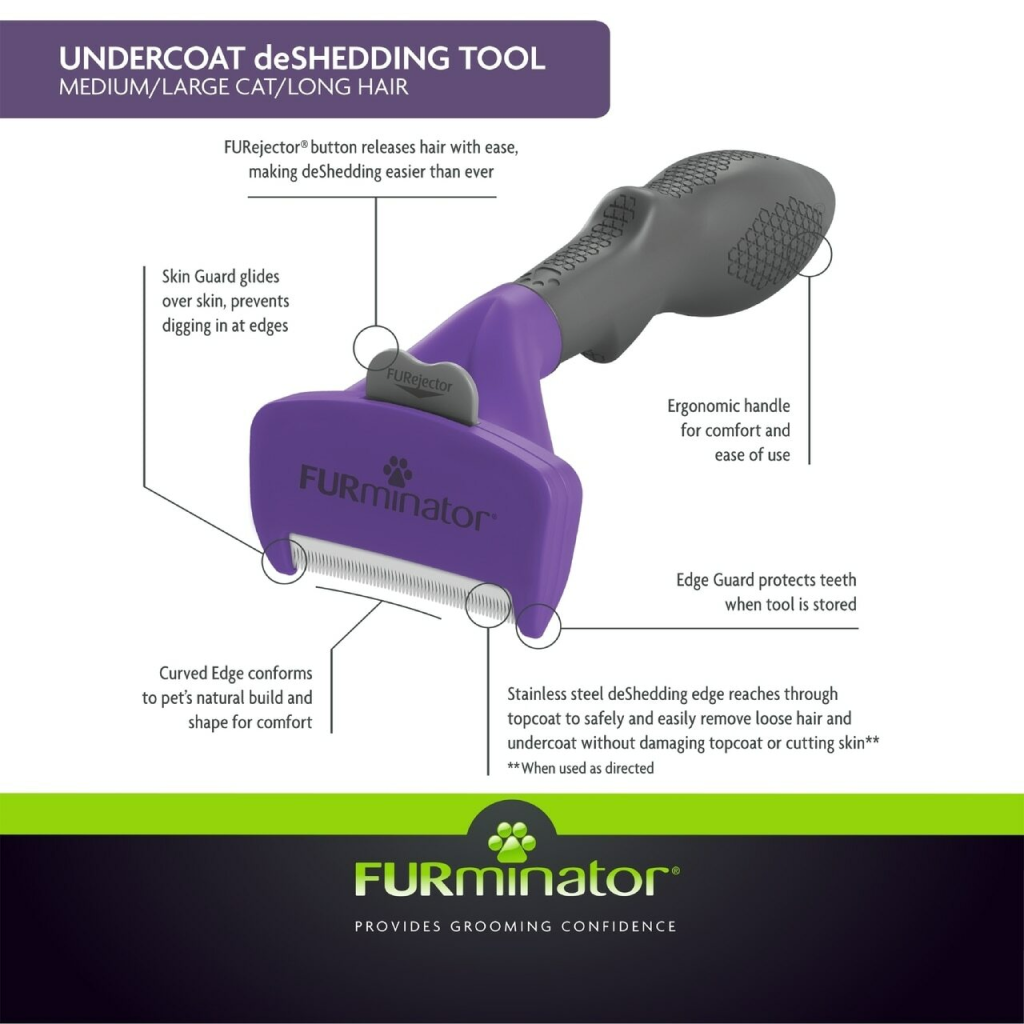
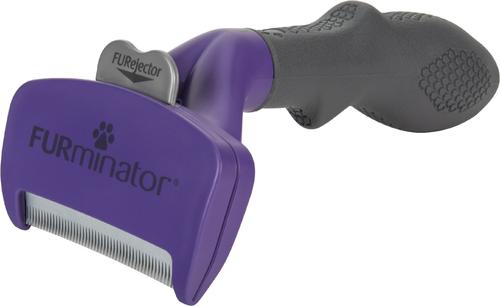
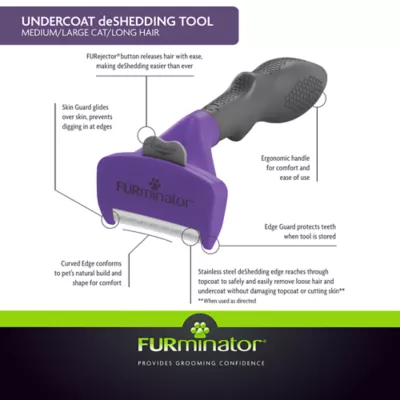
| Furminator-type Tool | Most coat types | Stainless steel edge, very effective, can be harsh if used too often |
How Deshedding Tools Work
A deshedding tool has fine, closely spaced teeth. When you use it, the tool passes through the top layer of fur and pulls out loose hair from the undercoat. This is the soft, fluffy hair under the shiny topcoat. Removing this loose undercoat is key to reducing shedding.
Many deshedding tools collect the loose fur so you can easily remove it. Some even have a button that pushes the hair out of the tool for easy cleaning.
Choosing The Right Tool
To pick the best tool for your cat:
- Look at your cat’s coat length. Short-haired cats need a different tool than long-haired cats.
- Think about your cat’s size and sensitivity. Some tools are too large or harsh for kittens or sensitive cats.
- Check the tool’s teeth and handle. Rounded tips are safer. A comfortable handle makes grooming easier for you.
Don’t forget to read reviews or ask your vet for advice. Some cats have very fine or thick fur, so they may need a special kind of tool.
Credit: www.centinelafeed.com
Preparing Your Cat For Deshedding
You can’t just grab a deshedding tool and start brushing. Cats are sensitive creatures, and grooming can be stressful if you don’t prepare properly. The right setup makes a big difference.
Pick The Right Time
Cats are creatures of habit. Try to groom your cat when they are relaxed, such as after a meal or nap. Avoid grooming when your cat is playful, anxious, or hiding.
Set Up A Calm Space
Choose a quiet room with few distractions. Turn off loud music and ask family members to give you some space. Lay down a towel or old sheet—this keeps loose fur in one place and gives your cat a familiar surface.
Check Your Cat’s Mood
Before you start, pet your cat and speak softly. Watch their body language. If they seem tense—tail flicking, ears back, or pupils wide—wait until they are calmer.
Gather Your Supplies
Have everything you need within arm’s reach:
- Deshedding tool (clean and ready)
- Treats or favorite toys
- A small comb (for tangles)
- A damp cloth (for cleaning up fur)
This way, you won’t have to leave your cat alone during the process.
Step-by-step Guide: How To Use A Deshedding Tool On A Cat
Now it’s time for the main event. Using a deshedding tool correctly is key to success. Here’s how to do it, step by step.
1. Start With A Gentle Touch
Begin by petting your cat with your hands. This helps your cat relax and lets you check for any sensitive spots, wounds, or mats. Never use a deshedding tool on broken skin or large mats.
2. Test The Tool
Show the deshedding tool to your cat. Let them sniff it. Gently touch their back with the tool—no brushing yet. This step helps your cat get used to the feeling.
3. Brush In The Direction Of Hair Growth
Always move the tool in the same direction as the fur grows. Start at the neck or shoulders and move down the back. Use short, gentle strokes. Do not push down hard—the tool should glide over the coat, not scratch the skin.
4. Focus On Problem Areas
Some spots collect more loose fur, such as:
- The back
- Sides
- Under the neck
- Around the tail base
Spend more time in these areas, but always check your cat’s reaction.
5. Check For Tangles
If you find a tangle or small mat, stop with the deshedding tool. Use a wide-tooth comb to gently untangle the knot. Never pull hard—this can hurt your cat.
6. Take Breaks
If your cat seems restless, stop and give them a treat or pet. Short sessions (5–10 minutes) work better than long, stressful ones.
7. Clean The Tool
Every few strokes, remove the collected fur from the tool. This keeps it working well and prevents hair from spreading around the room.
8. Finish With Praise
When you’re done, reward your cat with a treat, petting, or playtime. This teaches them that deshedding is a positive experience.
Tips For Different Cat Coat Types
Not all cats have the same kind of fur. The way you use a deshedding tool will depend on your cat’s coat.
Short-haired Cats
Short-haired cats shed just as much as long-haired cats, but their fur is finer. Use a deshedding tool with short, fine teeth. Brush gently and avoid over-brushing—their skin is close to the surface and can get irritated.
Long-haired Cats
Long-haired cats, like Maine Coons or Persians, need more care. Their undercoat is thick, and mats form easily. Use an undercoat rake or a tool designed for long fur. Work in sections and gently lift the hair to reach the undercoat.
Double-coated Cats
Some breeds, such as British Shorthairs or Siberians, have a dense undercoat. Deshedding tools are very helpful here, but be extra gentle. Focus on areas that mat easily, like behind the ears or under the legs.
Senior Or Sensitive Cats
Older cats or those with thin skin need special care. Use a grooming glove or a tool with rounded teeth. Keep sessions short and always check for skin problems.
How Often Should You Use A Deshedding Tool?
The right frequency depends on your cat’s coat and the time of year. Most cats shed more in spring and fall. Here’s a general guide:
| Cat Type | Shedding Season | Deshedding Frequency |
|---|---|---|
| Short-haired | Year-round | Once a week |
| Long-haired | Spring/Fall | 2–3 times a week |
| Double-coated | Spring/Fall | Every other day during heavy shedding |
| Sensitive/Senior | Year-round | Once every 2 weeks |
Over-grooming can remove too much hair and irritate the skin. If you see red patches, bald spots, or your cat seems uncomfortable, reduce the frequency.
Common Mistakes People Make When Deshedding Cats
Even experienced cat owners can make mistakes when using a deshedding tool. Here are some errors to avoid:
Using The Wrong Tool
A tool that works for a Labrador dog won’t work for a tiny kitten. Using the wrong type or size of tool can scare your cat or damage their skin.
Brushing Against The Fur
Always brush in the direction the fur grows. Brushing backward can pull the hair and hurt your cat.
Applying Too Much Pressure
You don’t need to press hard. Light, even strokes are best. Too much pressure can scratch or cut the skin.
Ignoring Sensitive Areas
Cats have thin skin on their bellies, legs, and near the tail. Be extra gentle in these areas or avoid them if your cat objects.
Skipping Regular Sessions
Deshedding only once a year won’t help much. Make it a part of your regular routine for best results.
What To Do After Deshedding
Once you finish grooming, a little extra care goes a long way.
Check The Skin
Look for any redness, scratches, or bumps. If you see anything unusual, give your cat a break and check with your vet if needed.
Clean Up Loose Fur
Use a damp cloth or lint roller to pick up any fur left on your cat or the grooming surface. This keeps your home cleaner and prevents fur from flying around.
Wash The Tool
Hair and oils can build up on the deshedding tool. Rinse it with warm water and dry it before storing. This keeps it effective and hygienic.
Reward Your Cat
A treat, favorite toy, or gentle praise makes your cat more likely to enjoy future grooming sessions. Building positive associations is key for long-term success.
Signs You May Need A Professional Groomer
Sometimes, home grooming isn’t enough. Here’s when it’s time to get help:
- Your cat has large mats you can’t untangle
- The fur is dirty, greasy, or smells bad
- Your cat becomes aggressive or very stressed during grooming
- You notice wounds, bald spots, or signs of skin infection
A professional groomer has special tools and training. They can safely remove mats, bathe your cat, and trim nails if needed.
Advanced Tips For Successful Cat Deshedding
Most guides cover the basics, but a few extra tips can make your sessions more effective.
Use Two Tools
Start with a wide-tooth comb to remove tangles, then use the deshedding tool. This reduces pulling and makes the process smoother.
Try A Grooming Glove For Nervous Cats
Some cats hate metal tools. A grooming glove feels like petting and is much less stressful, especially for kittens or rescue cats.
Watch For Seasonal Changes
Cats shed more in spring and fall. Increase your grooming sessions during these times to stay ahead of the extra fur.
Keep Sessions Short And Sweet
It’s better to do five short sessions than one long, stressful one. This keeps your cat calm and avoids skin irritation.
Learn Your Cat’s Favorite Spots
Some cats love being brushed on the cheeks or behind the ears. Use this to your advantage—end each session in a place your cat enjoys.
Credit: www.chewy.com
The Science Behind Cat Shedding
Shedding is controlled by photoperiod—the amount of daylight cats get each day. Indoor cats can shed all year because artificial lights confuse their natural cycles. Outdoor cats shed mostly in spring and fall. Understanding this helps set realistic expectations.
Studies show that regular grooming can remove up to 90% of loose hair, greatly reducing hairballs and shedding around the house. This also means fewer allergic reactions for people sensitive to cat dander.
Deshedding And Cat Health
Regular deshedding isn’t just about a pretty coat. It can prevent health issues:
- Hairballs: Less loose hair means fewer hairballs, which can cause vomiting or blockages.
- Skin infections: Removing dirt and dander lowers the risk of skin problems.
- Parasite control: Grooming helps you spot fleas, ticks, or skin changes early.
If your cat has allergies, deshedding can reduce dander in your home, making life easier for everyone.
Credit: www.petsmart.com
What If Your Cat Hates Deshedding?
Not all cats enjoy being groomed. If your cat runs away or becomes aggressive, try these solutions:
- Use a grooming glove or soft brush
- Groom for just one minute at a time, then increase slowly
- Offer high-value treats only during grooming
- Ask someone to gently hold or distract your cat
Some cats may need several weeks to get used to the process. Be patient and never force a scared cat.
Safety Tips And Warnings
Deshedding is usually safe, but keep these points in mind:
- Never use the tool on wounds, rashes, or irritated skin
- If your cat meows in pain, stop immediately
- Clean the tool after every use to prevent infections
- Keep grooming tools away from children
If you’re unsure, ask your vet for a demonstration.
The Environmental Impact Of Cat Shedding
Shedding is natural, but cleaning up fur can be wasteful. Consider these eco-friendly tips:
- Compost collected fur—it’s rich in nutrients for plants
- Use reusable cloths instead of disposable wipes
- Donate clean fur to wildlife rescue groups—they use it to line nests
A little planning can reduce waste and help the environment.
Comparing Popular Deshedding Tools
Wondering which tool is best? Here’s a quick comparison of three popular options:
| Tool Name | Coat Type | Effectiveness | User Comfort | Cat Comfort |
|---|---|---|---|---|
| Furminator | All types | High | Good grip, easy to clean | Can be harsh if overused |
| Undercoat Rake | Long, thick coats | Very high for mats | Heavier, needs practice | Gentle if used slowly |
| Grooming Glove | Short, sensitive coats | Moderate | Light, easy for beginners | Very gentle, reduces stress |
When To Consult Your Veterinarian
If your cat’s shedding seems unusual—such as bald patches, redness, or changes in behavior—it’s best to check with your vet. Sometimes, excessive shedding signals underlying health issues like allergies, thyroid problems, or parasites.
Your vet can recommend special grooming tools or medicated shampoos. They can also check for skin conditions that make home grooming unsafe.
For more details on cat skin health and grooming, visit the ASPCA Cat Grooming Guide.
Frequently Asked Questions
How Early Can I Start Deshedding My Kitten?
You can start gentle grooming when your kitten is about 8 weeks old. Use a soft brush or grooming glove. Short, happy sessions help your kitten get used to being handled.
How Long Should A Deshedding Session Last?
Most cats do best with 5-10 minute sessions. Watch your cat’s body language—if they become restless or upset, take a break and try again later.
Can I Use Human Brushes Or Combs On My Cat?
It’s not recommended. Human brushes are not made for cat fur and can pull or break hair. Use a tool designed for pets to avoid hurting your cat.
Is It Safe To Use A Deshedding Tool On A Pregnant Or Nursing Cat?
Yes, but be extra gentle. Avoid the belly and focus on the back and sides. Keep sessions short and stop if your cat seems stressed.
Why Is My Indoor Cat Shedding So Much?
Indoor cats often shed year-round because artificial lighting confuses their natural cycles. Regular grooming and a healthy diet can help manage indoor shedding.
Grooming your cat with a deshedding tool is one of the best ways to care for their coat and your home. It takes a bit of practice and patience, but the rewards are worth it—a happier cat, less mess, and a stronger bond between you and your furry companion.