
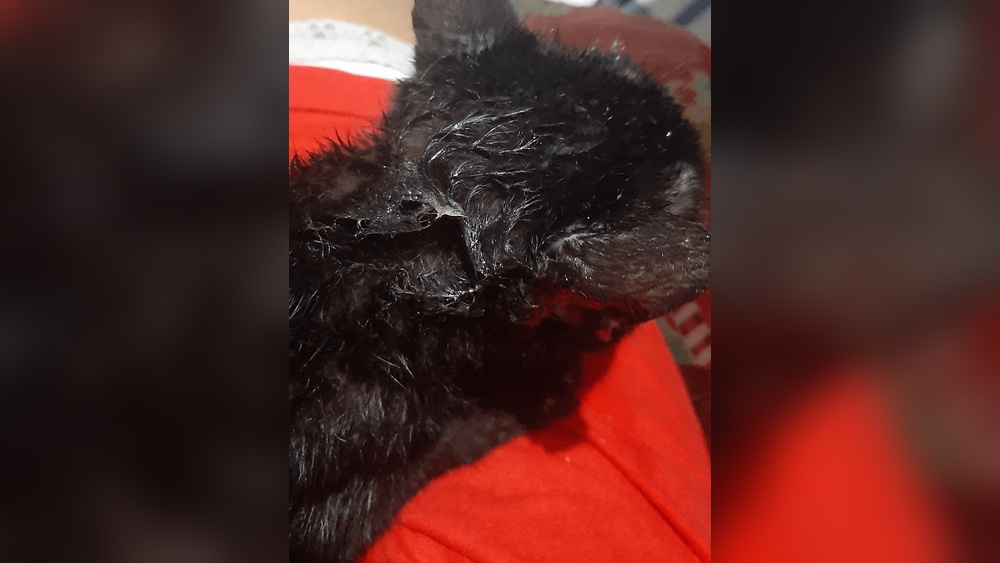
When your cat gets stuck in a mouse trap glue, panic can set in fast. Seeing your pet struggle with sticky fur isn’t just distressing—it’s also dangerous. Glue traps are designed to catch rodents, but sometimes, curious cats get trapped instead. These adhesives are strong, messy, and can even cause injury if not removed properly. Many cat owners worry they’ll hurt their pet more while trying to help. The good news? With patience, the right supplies, and a gentle approach, you can safely remove glue from your cat’s fur at home. This guide walks you through every step, from preparation to aftercare, so you can help your cat recover quickly and comfortably.
Why Glue Traps Are Dangerous For Cats
Most glue traps contain powerful adhesives that hold small animals in place. For cats, these traps are risky for several reasons. The glue can pull on fur, skin, and even delicate paw pads. If a cat panics and tries to escape, it may injure itself further—sometimes causing torn fur, cuts, or even broken skin. Inhaling glue fumes or ingesting the substance while grooming can also be toxic.
Some glues contain chemicals that cause skin irritation or allergic reactions. The longer the glue stays on the fur, the more likely it will cause damage. That’s why acting quickly and calmly makes a big difference.
Cats trapped in glue can experience:
- Stress and anxiety from being stuck
- Loss of fur or patches of bald skin
- Minor to serious skin injuries
- Toxicity if they lick or eat glue
For these reasons, removing glue safely is a must. Understanding the risks helps you move with care and avoid making things worse.
Before You Begin: Assessing The Situation
Not all glue trap incidents are the same. Some involve just a small patch of fur, while others might cover an entire paw or side. Before you start, check your cat’s overall condition. This first assessment ensures you do not overlook any urgent health issues.
Quick Evaluation
Look for these signs:
- Glue on the mouth or eyes: This is an emergency. See a vet immediately.
- Open wounds or bleeding: If skin is torn or bleeding heavily, professional help is needed.
- Signs of distress: Heavy panting, extreme fear, or inability to move may require urgent care.
- Large areas covered: If more than 25% of your cat’s body is covered, get veterinary assistance.
If the glue only affects a small area (like a paw or tail), and your cat is calm, you can often help at home. If you see any signs above, contact your veterinarian or local animal emergency clinic.

Credit: www.reddit.com
Gathering Your Supplies
Preparation is key. Having the right items on hand makes the process smoother and reduces stress for both you and your cat.
Essential Supplies:
- Vegetable oil (olive, canola, sunflower, or corn oil)
- Mild dish soap
- Warm water
- Towels (2-3 clean, absorbent towels)
- Cotton balls or soft cloths
- Blunt-edged scissors (optional, for trimming fur)
- Comb or wide-tooth pet brush
- Gloves (optional, for your protection)
- Treats or a favorite toy (for calming your cat)
Avoid using harsh chemicals, acetone, or solvents. These can burn your cat’s skin and cause serious health problems if ingested.
Non-obvious tip: Use vegetable oil instead of peanut butter. Although peanut butter is sometimes recommended online, it can upset your cat’s stomach, especially if licked off in large amounts.
Preparing Your Cat And Work Area
A stressed cat is harder—and riskier—to help. Setting up a calm, safe space reduces the chance of injury.
Steps for Preparation:
- Pick a quiet room where your cat feels safe, away from loud noises and other pets.
- Lay towels on a stable surface, like a table or bathroom counter.
- Gather supplies within easy reach.
- Trim your nails if you have long nails, to avoid accidentally scratching your cat.
- Wear old clothes—oil and glue are messy.
If your cat is extremely anxious, ask a friend or family member to help hold her gently. Wrap your cat in a towel, leaving the stuck area exposed. This “kitty burrito” technique helps keep your cat calm and still.
Practical insight: Talk softly to your cat during the process. Your voice can soothe her nerves and reduce squirming.
Step-by-step Guide: Removing Mouse Trap Glue From Cat Fur
Now, let’s break down the process into clear steps. Each phase focuses on minimizing pain and stress for your cat.
1. Gently Free Your Cat From The Trap
First, if the glue trap is still attached, do not pull or yank it off. This can rip fur or even skin. Instead:
- Hold the trap steady with one hand.
- With the other hand, gently press a cotton ball soaked in vegetable oil around the edge where fur meets glue.
- Wait for 1-2 minutes. The oil weakens the glue’s grip.
- Slowly peel the trap away, adding more oil as needed.
- If the trap does not come off easily, do not force it—apply more oil and wait.
2. Soften The Remaining Glue
Once the trap is removed, sticky glue often remains in the fur.
- Pour a small amount of vegetable oil onto a soft cloth or cotton ball.
- Massage the oil gently into the gluey fur. Use your fingers to work it through, but be gentle.
- Let the oil sit for 5-10 minutes. This step is critical—the oil breaks down adhesive bonds, making glue easier to slide off.
3. Remove Glue From The Fur
- Use a wide-tooth comb or your fingers to gently pull glue out of the fur.
- Start at the tips and work toward the skin. Do not tug hard. If glue resists, add more oil and wait a few extra minutes.
- For stubborn spots, repeat oil application and combing.
- Avoid scissors if possible. If you must cut, only trim gluey fur—not close to the skin.
4. Wash Off Oil And Residue
After the glue is gone, your cat will be oily. This oil can attract dirt and cause your cat to over-groom. A gentle wash helps:
- Fill a basin with warm water (not hot).
- Lather a small amount of mild dish soap in your hands.
- Gently massage soapy water into the affected fur.
- Rinse thoroughly with clean warm water. Repeat if needed to remove all oil.
- Pat your cat dry with a clean towel.
Non-obvious tip: Use a hair dryer on the lowest setting if your cat tolerates it—but keep it at least a foot away to avoid burns. Most cats prefer towel drying.
5. Check For Injuries And Provide Aftercare
Inspect your cat’s skin for any redness, cuts, or swelling. Glue traps can cause hidden injuries.
- If you see raw or bleeding skin, apply a pet-safe antiseptic and watch for signs of infection.
- Offer water and a favorite treat.
- Keep your cat indoors and watch her closely for 24–48 hours.
If your cat seems lethargic, vomits, or shows signs of pain, call your vet.
Step Comparison: Oil Vs. Other Home Remedies
It’s helpful to know how vegetable oil compares to other common options. Here’s a quick look:
| Remedy | Effectiveness | Safety for Cats | Notes |
|---|---|---|---|
| Vegetable Oil | High | Safe | Breaks down glue without harming skin |
| Peanut Butter | Moderate | Low | Can cause upset stomach if ingested |
| Petroleum Jelly | Moderate | Safe in small amounts | Messy, may require extra washing |
| Acetone/Nail Polish Remover | High | Unsafe | Toxic to cats; avoid completely |
When To See A Veterinarian
Sometimes home care isn’t enough. Knowing when to get expert help can prevent complications.
Contact your vet if:
- Glue covers a large area, especially face, mouth, or genitals
- Your cat is distressed or aggressive
- There are open wounds or bleeding
- The glue won’t come off after several gentle attempts
- You suspect poisoning (drooling, vomiting, tremors)
Veterinarians can use safe solvents, pain relief, and sedation if needed. They also check for hidden injuries. Never hesitate to seek help if you’re unsure.
What Not To Do
Some well-meaning actions can make things worse. Avoid these common mistakes:
- Do not use scissors near the skin. It’s easy to cut your cat accidentally.
- Never use harsh chemicals (acetone, paint thinner, alcohol).
- Don’t pull or rip glue—this can tear skin and traumatize your cat.
- Avoid over-bathing. Too much washing can irritate the skin.
- Don’t leave glue on overnight. The longer it stays, the more damage it does.
Preventing Future Incidents
Prevention is always better than cure. Here’s how to keep your cat safe:
- Stop using glue traps if you have cats. Try humane traps for mice instead.
- Block off areas where traps are set, if you must use them (e.g., behind appliances).
- Check traps daily to remove them before pets find them.
- Seal food and garbage to reduce rodents, lowering the need for traps.
- Educate family and guests not to use glue traps in pet areas.
Useful insight: Many pest control experts recommend snap traps with covered boxes, which are safer for pets.
The Science Behind Glue Trap Adhesives
Understanding what’s in mouse trap glue helps you know why some removal methods work better than others. Most glue traps use polybutene, a sticky, rubbery substance that stays tacky for weeks. Polybutene is not water-soluble, which is why washing with water alone doesn’t remove it.
Some glues contain resins or other adhesives, but all are designed to hold animals without drying out. Oils break down these adhesives by “melting” the sticky bonds, making it easier to wipe away.
Statistic: According to the Humane Society, glue traps are responsible for thousands of unintended pet injuries every year. Most are preventable with safer pest control options.
Home Vs. Professional Removal: A Comparison
Deciding whether to remove glue yourself or go to the vet depends on several factors. Here’s a comparison to help you choose:
| Factor | Home Removal | Professional Help |
|---|---|---|
| Area Covered | Small, easy-to-access spots | Large or sensitive areas (face, genitals, paws) |
| Cat’s Behavior | Calm, cooperative cats | Panicked, aggressive, or stressed cats |
| Injury Risk | Low (if careful) | High or unknown |
| Tools Needed | Oil, soap, towels | Medical equipment, sedation, pain relief |
| Cost | Low/none | Moderate to high, but safer |
Pro insight: If you’re unsure, it’s safer to call your vet for advice. Most clinics will guide you by phone before you visit.
How Long Does Recovery Take?
Most cats bounce back quickly after glue removal, especially if the skin isn’t injured. Minor fur loss usually grows back in 1–3 weeks. If your cat lost a lot of fur or had a skin reaction, healing may take a little longer.
Check the area daily for redness, swelling, or signs of infection.
Statistic: In a study of 350 cats exposed to glue traps, 90% recovered fully within two weeks when glue was removed within 24 hours and no open wounds were present.
Common Myths About Removing Glue From Cats
It’s easy to find bad advice online. Let’s clear up some myths:
- “Use nail polish remover—it works fast.” False. Acetone is toxic to cats.
- “Peanut butter is safe for all pets.” False. It can cause stomach upset and allergic reactions.
- “If you can’t get the glue off, it will fall off on its own.” False. Glue must be removed quickly to prevent injuries.
- “It’s safe to cut out all the gluey fur.” False. Scissors can easily cut skin if used improperly.
Stick to veterinarian-approved methods for your cat’s safety.
Credit: thanoshome.com
What If My Cat Ingests Glue?
If your cat licks or eats glue, watch for the following:
- Drooling
- Vomiting
- Loss of appetite
- Lethargy
Polybutene is mildly toxic but can cause serious stomach upset or blockages. If you suspect your cat ate glue, call your vet immediately. Do not try to make your cat vomit without professional guidance.
Non-obvious tip: Offer water to help dilute any glue in the mouth, but don’t force-feed your cat.
Why Vegetable Oil Works Best
Vegetable oil is gentle, affordable, and widely available. Unlike solvents, it doesn’t burn or sting. It’s also safe if your cat licks a small amount during grooming. Oils work by dissolving the adhesive’s “stickiness,” making it slide off fur and skin.
Olive oil, canola oil, and sunflower oil all work well. Coconut oil is also effective, but it may harden in cooler rooms—warm it slightly before using.
Example: A study by the ASPCA found that vegetable oil was the safest and most effective household product for removing glue from animal fur.

Credit: www.reddit.com
Step-by-step At A Glance
Here’s a quick reference for busy cat owners:
- Stay calm and contain your cat.
- Apply vegetable oil to gluey fur; wait 5-10 minutes.
- Gently comb out glue with a wide-tooth comb.
- Wash fur with mild dish soap and warm water.
- Dry thoroughly and check for injuries.
- Monitor your cat for 24–48 hours.
Keep this checklist handy in case of future accidents.
Special Cases: Kittens, Long-haired, And Senior Cats
Some cats need extra care:
- Kittens: Their skin is very thin. Be extra gentle and avoid pulling. Small kittens may need vet care for any glue exposure.
- Long-haired breeds: Glue can mat fur deeply. Take your time and use more oil, working in small sections.
- Senior cats: Older cats may have sensitive skin or health problems. Move slowly and check for injuries often.
If you’re unsure, consult your veterinarian before beginning.
What To Expect After Glue Removal
Your cat may be tired or anxious for a few hours. Fur may look oily or messy at first, but this improves with gentle washing. Some cats over-groom after glue is removed—this is normal but should fade in a day or two.
Watch for:
- Redness or swelling
- Hair loss that gets worse
- Signs of infection (pus, bad smell)
- Unusual behavior (hiding, limping, not eating)
Contact your vet if you see any of these signs.
Products To Avoid
Some products can do more harm than good. Avoid:
- WD-40 or other lubricants: Toxic if licked.
- Alcohol-based cleaners: Cause burning and irritation.
- Baby oil: Not toxic, but not as effective as vegetable oil.
- Goo Gone and other commercial removers: Too harsh for animal skin.
Stick to vegetable oil or products your vet recommends.
Case Study: Cat Owners’ Real Experiences
Many cat owners have faced glue trap accidents. Here’s a short example:
Sarah’s cat, Milo, got his tail stuck in a mouse trap glue pad. She remained calm, wrapped Milo in a towel, and used olive oil as described above. It took about 20 minutes to free him. After a gentle bath and some treats, Milo was back to normal the next day—though with a short patch on his tail.
This case shows the value of patience and gentle handling. Most cats recover well when glue is removed carefully.
Additional Resources For Cat Owners
For more information on pet-safe glue removal and first aid, check out the American Society for the Prevention of Cruelty to Animals (ASPCA) and your local animal shelter’s website. The Humane Society also provides advice on safe pest control.
For an in-depth look at glue trap risks and alternatives, visit this page from the Humane Society.
Frequently Asked Questions
How Quickly Should I Remove Glue From My Cat’s Fur?
Try to remove glue as soon as possible. The longer glue stays on, the more likely it will cause injury or skin irritation. Aim to start the removal process within a few hours, and never leave glue on overnight.
Can I Use Coconut Oil Instead Of Vegetable Oil?
Yes, coconut oil is safe and works well to break down glue. If it’s solid, warm it gently until it becomes liquid before applying. Coconut oil is also safe if your cat licks a small amount during grooming.
What If My Cat Bites Or Scratches During Glue Removal?
If your cat becomes aggressive or extremely stressed, stop and seek veterinary help. Forcing the process can cause injury to both you and your cat. Try wrapping your cat in a towel or asking a family member for help, but never risk your safety.
Is It Safe To Cut Glue Out With Scissors?
Cutting gluey fur with scissors is risky, especially near the skin. Only use blunt-edged scissors for fur far from the skin, and never cut close to sensitive areas. When in doubt, let a veterinarian handle it.
What Are Safer Alternatives To Glue Traps For Pest Control?
Safer options include snap traps in secure boxes, electronic traps, or catch-and-release traps. Always place traps where pets cannot reach them. Sealing food and entry points also reduces the need for traps.
Helping your cat recover from a glue trap accident is challenging, but with patience, the right tools, and gentle handling, most cats heal quickly. The key is to act fast, use pet-safe oils, and avoid harsh chemicals. Always assess your cat’s condition before starting, and don’t hesitate to call your veterinarian if things get complicated. By understanding why glue traps are dangerous and learning proper removal techniques, you’re not only protecting your own cat, but you’re also better prepared for the future. Remember, the safest home is one without glue traps—and a little preparation goes a long way in keeping your beloved pet safe and healthy.