
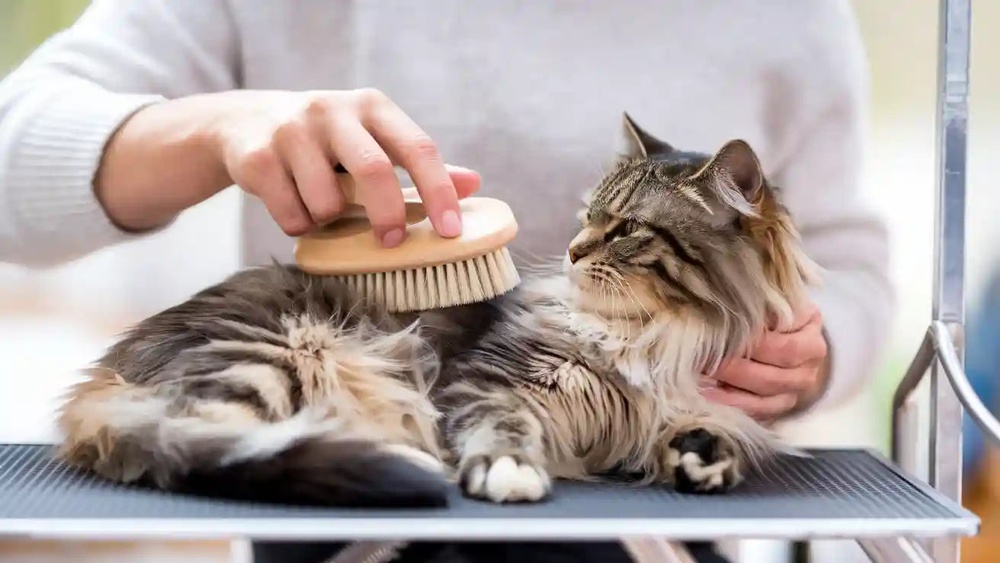
Cats are famous for their soft, beautiful fur—and the way that fur seems to end up everywhere: on clothes, couches, and even in your coffee cup. Many cat owners want to control shedding and wonder if regular brushing helps or makes things worse. Does brushing your cat make them shed more? The answer is more complex than a simple yes or no, and understanding it can make life easier for both you and your furry friend.
Brushing is more than just a grooming routine. It connects you with your cat, helps spot health problems early, and keeps your home cleaner. But many cat owners worry when they see fur pile up during brushing. Is this causing more shedding?
Or is it a sign you’re doing something right? This article will give you a clear, detailed look into how brushing affects cat shedding, what really matters, and how you can manage your cat’s coat for a happy, healthy pet.
Understanding Cat Shedding
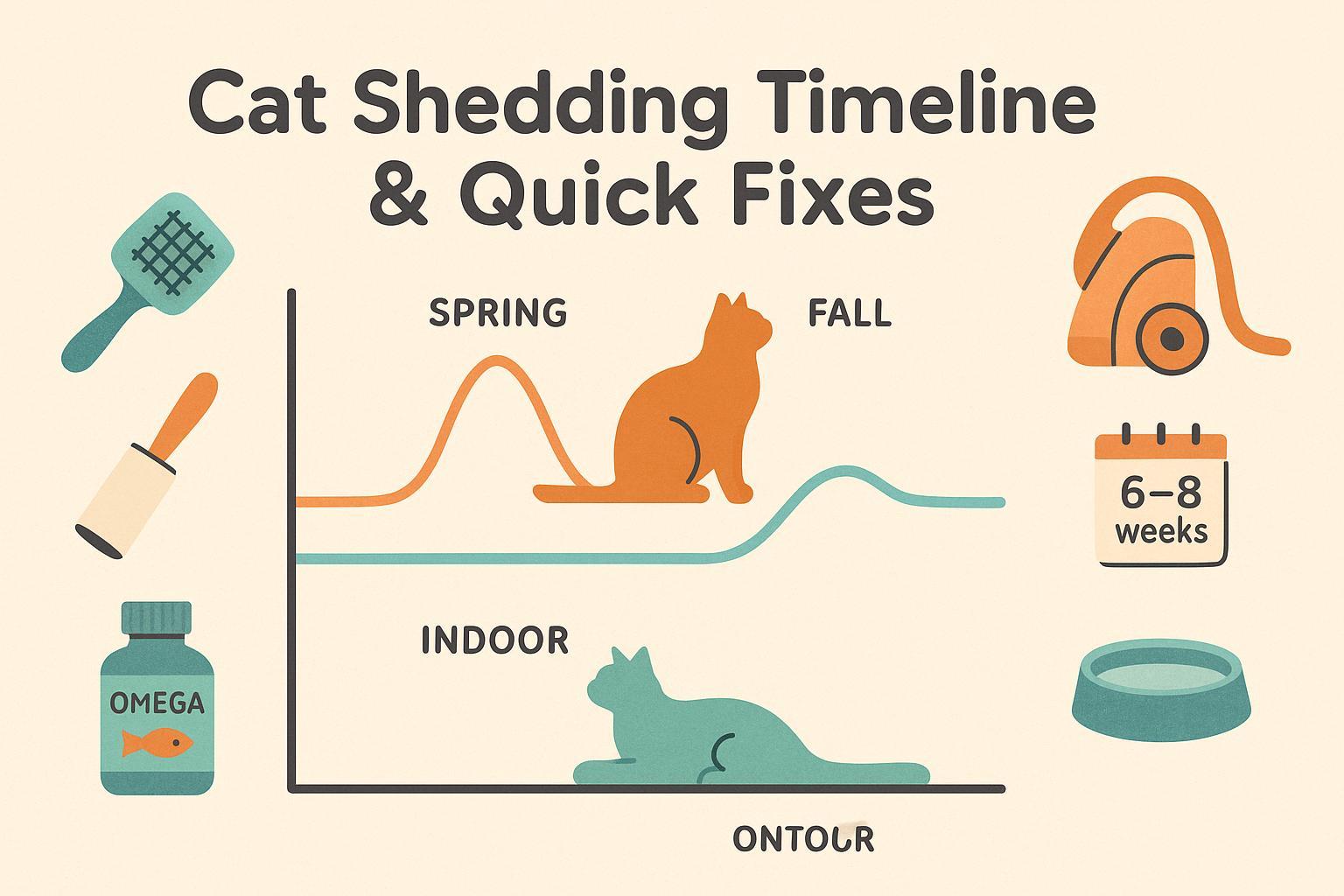
Cat shedding is a normal part of feline life. All cats with fur shed, though the amount can differ by breed, season, and health. Shedding helps cats get rid of old, damaged, or extra hair. Outdoor cats often shed more in spring and fall, while indoor cats may shed lightly all year due to stable indoor temperatures and lighting.
The average cat sheds enough fur each day to form a small ball. Some long-haired breeds, like the Maine Coon or Persian, can shed even more. Short-haired breeds also shed, but their fur tends to be less noticeable.
Why Do Cats Shed?
- Natural hair growth cycle: Like humans, cats’ hair goes through a cycle—growth, rest, and shedding.
- Seasonal changes: Outdoor cats shed more when days get longer (spring) or shorter (fall).
- Health and nutrition: Poor diet, allergies, or illness can increase shedding.
- Stress: Changes in routine or environment can lead to extra hair loss.
It’s important to know what’s normal for your cat. Sudden, heavy shedding or bald spots can signal health problems and may need a vet visit.
How Brushing Affects Shedding
When you brush your cat, you’re removing loose hairs that are ready to fall out. At first, it may seem like brushing is causing more shedding, but in reality, it’s just collecting hair that would otherwise end up on your furniture or clothes.
The Science Behind Brushing
Brushing does not increase the number of hairs your cat sheds. Instead, it helps collect loose fur before it spreads around your home. Here’s what’s happening:
- Brushing removes dead hairs that are already detached from the hair follicle.
- It stimulates natural oils in your cat’s skin, which keeps their coat shiny and healthy.
- Brushing can reduce hairballs, since your cat swallows less loose fur while grooming.
If you notice more hair during a brushing session, it means the brush is doing its job—not that your cat is shedding more than usual.
First-time Brushing Confusion
Many first-time cat owners see large clumps of fur coming off and worry they’re hurting their cat or making shedding worse. In fact, this often means the cat hasn’t been brushed enough before, so there’s a build-up of loose hair.
After a few regular brushing sessions, the amount of fur collected usually decreases.
Benefits Of Regular Brushing
Brushing your cat regularly offers many benefits beyond just reducing visible shedding.
Healthier Skin And Coat
Brushing spreads natural oils from your cat’s skin through their fur. This keeps the coat soft and prevents dryness or dandruff. Regular brushing also allows you to check for skin problems, parasites, or wounds early.
Less Hair Around The Home
When you brush your cat, you collect loose hair in one place, making it easier to clean up. This means less fur on your clothes, bedding, and floors.
Fewer Hairballs
Cats groom themselves by licking their fur, which means they swallow some loose hairs. Too much swallowed hair can cause hairballs, which are uncomfortable and sometimes dangerous. Brushing removes a lot of this loose hair before your cat can swallow it.
Stronger Bond
Many cats enjoy being brushed, especially if you start when they are young. Brushing can be a calming, bonding activity that helps reduce stress for both of you.
Does Brushing Make Shedding Worse?
This is a common worry, but the answer is no—brushing does not make cats shed more. It only removes hair that is already about to fall out. In fact, not brushing your cat can actually make shedding seem worse, since loose fur builds up and falls out all over your home.
Comparing Brushed Vs. Unbrushed Cats
To see the difference, let’s compare what happens when you brush your cat regularly versus not at all:
| Regularly Brushed Cat | Unbrushed Cat | |
|---|---|---|
| Visible Shedding | Less fur on furniture and clothes | More fur around the house |
| Hairballs | Less frequent | More common |
| Coat Condition | Smoother, shinier | Possible mats, dull fur |
| Bonding | Positive, calming | Missed opportunity |
Why Do People Think Brushing Increases Shedding?
Seeing a brush full of fur can be surprising. But remember, that fur was going to fall out anyway—brushing just gathers it in one place. The only time brushing could make shedding seem worse is if you’re brushing too hard or too often, irritating your cat’s skin and causing extra hair loss.

Credit: www.vets4pets.com
How Often Should You Brush Your Cat?
How often you brush depends on your cat’s breed, coat length, age, and health.
- Short-haired cats: 1–2 times per week
- Long-haired cats: 3–7 times per week, sometimes daily during shedding seasons
- Older cats: May need more frequent brushing, as they groom themselves less
If your cat is shedding heavily or has health problems, ask your vet for advice on a brushing schedule.
Comparison: Brushing Frequency For Different Breeds
| Breed | Coat Type | Recommended Brushing Frequency |
|---|---|---|
| Siamese | Short, fine | Weekly |
| British Shorthair | Dense, plush | Weekly |
| Maine Coon | Long, thick | 3–5 times/week |
| Persian | Long, silky | Daily |
| Ragdoll | Medium-long, soft | 2–4 times/week |
Choosing The Right Brush
Not all brushes are created equal. The right grooming tool depends on your cat’s coat type and your goals.
Types Of Cat Brushes
- Slicker brush: Great for long-haired cats; removes mats and tangles.
- Bristle brush: Good for short-haired cats; spreads oils and collects loose fur.
- Deshedding tool: Removes undercoat fur; especially useful during heavy shedding.
- Comb: Helps remove tangles, especially in long fur.
- Rubber grooming glove: Gentle and good for short-haired or sensitive cats.
Comparing Brush Types
| Brush Type | Best For | Pros | Cons |
|---|---|---|---|
| Slicker Brush | Long-haired, thick-coated cats | Removes mats and loose fur | Can be harsh if overused |
| Bristle Brush | Short-haired cats | Gentle, spreads oils | Less effective for heavy shedding |
| Deshedding Tool | Heavy shedders, double coats | Removes lots of undercoat | Can irritate skin if used too much |
| Comb | Long fur, tangles | Works out knots | Not for removing much loose fur |
| Grooming Glove | Sensitive or short-haired cats | Very gentle, easy to use | Limited loose fur removal |
Non-obvious Insight: Test Different Brushes
Not all cats like the same brush. Some prefer the feel of a glove, while others like a comb. If your cat resists brushing, try a different tool or brush in short sessions with treats.
How To Brush Your Cat For Best Results
Brushing can be simple, but a few tips can make it more effective and enjoyable.
Step-by-step Brushing Guide
- Choose the right time: Pick a quiet, relaxed moment. After a meal is often ideal.
- Let your cat sniff the brush: Help your cat get used to the brush before you start.
- Start with gentle strokes: Brush in the direction of the fur’s growth. Begin with the back or sides, which are less sensitive.
- Check for mats: If you find tangles, use a comb or your fingers to gently work them out. Do not pull hard; this can hurt your cat.
- Watch your cat’s reaction: If they show signs of stress or discomfort (tail flicking, growling, trying to escape), take a break.
- Finish with a treat: Reward your cat for good behavior. This builds positive associations.
- Clean the brush: Remove collected hair after each session.
How Long Should Brushing Take?
For most cats, 5–10 minutes per session is enough. Some long-haired breeds may need longer, especially during shedding season. Stop before your cat gets restless.
Common Mistakes To Avoid
- Brushing too hard: This can hurt your cat’s skin and cause more hair loss.
- Ignoring mats: Mats can pull on your cat’s skin and lead to infection.
- Using the wrong brush: The wrong tool can make brushing uncomfortable and less effective.
- Skipping brushing: Infrequent brushing means more loose hair around your home and more hairballs for your cat.
Factors That Affect Cat Shedding
While brushing is important, it’s not the only factor in how much your cat sheds. Several other things can play a role:
Diet
A poor-quality diet can lead to a dull coat and more shedding. Cats need enough protein, omega-3, and omega-6 fatty acids for healthy skin and fur.
Health
Certain diseases, parasites, or allergies can increase shedding. If your cat’s shedding changes suddenly, or you see bald patches, talk to your vet.
Environment
Indoor cats often shed lightly all year. Outdoor cats shed more with the seasons. Stress, moving homes, or new pets can also trigger more hair loss.
Age
Older cats often shed more because they groom themselves less and may have health problems affecting their skin.
Hormones
Pregnant or nursing cats may shed more. Spayed or neutered cats may have more even shedding patterns.
Non-obvious Insight: Lighting Matters
Indoor lighting can affect your cat’s shedding. Cats’ bodies react to day length, so artificial lights can make indoor cats shed a little all year instead of in big seasonal bursts.
Credit: paw-swing.com
When To Worry About Shedding
Some shedding is normal, but there are times when hair loss can signal a health problem.
Warning Signs
- Bald spots or thin patches
- Red, irritated skin
- Excessive scratching or licking
- Sores, scabs, or bumps
If you see any of these signs, take your cat to the vet. Sometimes, underlying conditions like parasites, allergies, or infections need treatment.
Tips For Managing Shedding In The Home
Even with regular brushing, some fur will always escape. Here are some practical ways to keep your home cleaner:
- Vacuum often: Use a vacuum with a pet hair attachment.
- Wash bedding regularly: Clean your cat’s bed, your bedding, and favorite sleeping spots.
- Lint rollers: Keep a lint roller near your sofa or bed for quick clean-ups.
- Air filters: Use a HEPA air filter to catch floating fur and dander.
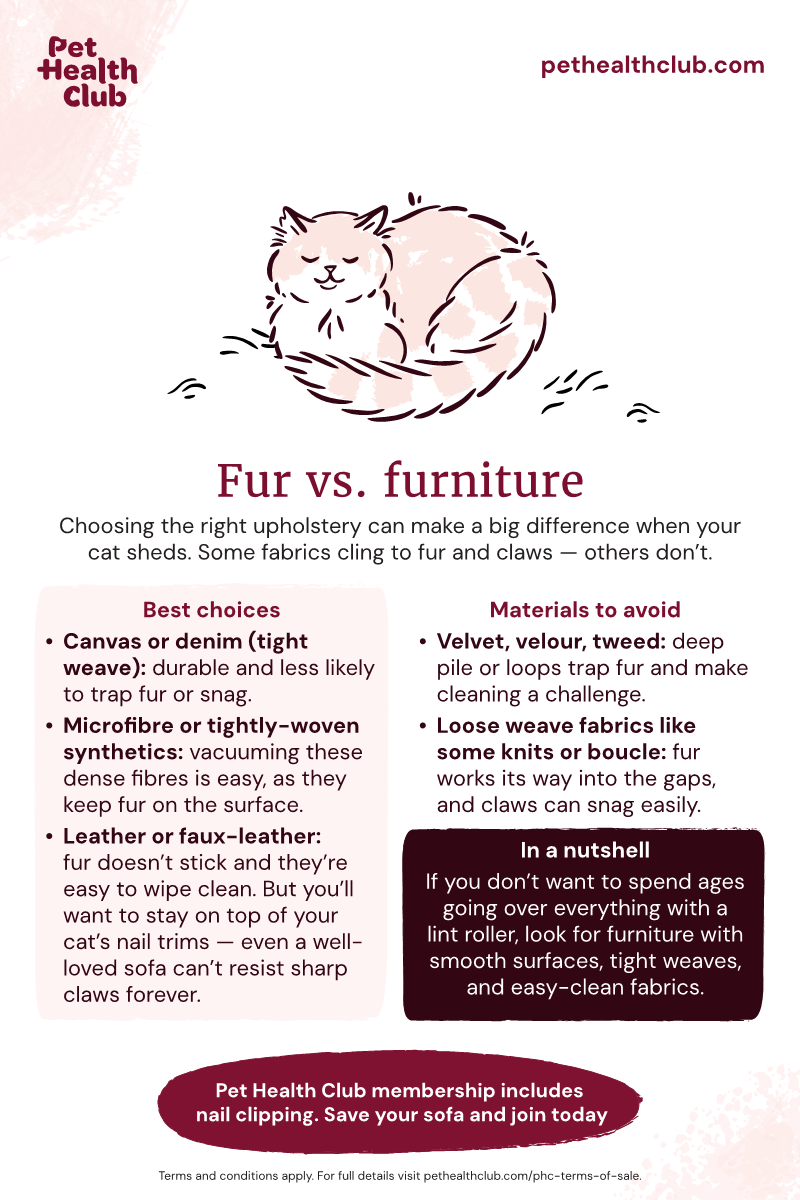
- Furniture covers: Place washable covers on sofas or chairs your cat likes.
Credit: www.pethealthclub.com
The Myth Of Hypoallergenic Cats
Some people believe that certain breeds don’t shed or are hypoallergenic. In reality, all cats with fur shed to some degree. Some breeds, like the Siberian or Balinese, may produce fewer allergens, but they still lose hair.
Hairless breeds like the Sphynx don’t shed fur, but they do shed skin cells and need regular baths to remove oil and dirt.
Brushing And Allergies
If someone in your home is allergic to cats, regular brushing can help reduce allergens. Most cat allergens are in saliva and skin flakes, not just fur. Brushing helps remove these flakes, but you’ll still need to clean your home often and wash your hands after brushing.
For more information on cat allergens and reducing their effects, the American College of Allergy, Asthma & Immunology offers helpful resources at ACAAI.org.
Brushing Kittens And Senior Cats
Kittens and older cats need special care.
- Kittens: Use a soft brush and gentle strokes. Keep sessions short and positive to build good habits.
- Senior cats: They may have sensitive skin or arthritis. Use a gentle brush and watch for signs of pain.
If your cat resists brushing, don’t force it. Try again later, or ask your vet or groomer for help.
Professional Grooming: When To Consider It
Some cats, especially long-haired breeds or those with health problems, may need professional grooming. Groomers can handle mats, bathe cats, and trim nails. If your cat has severe mats or resists brushing, professional help can prevent injuries or infections.
Frequently Asked Questions
Does Brushing My Cat Make Them Shed More?
Brushing does not cause more shedding. It removes hair that’s already loose and about to fall out. If you see a lot of fur during brushing, that means the brush is working—not increasing shedding.
How Often Should I Brush My Cat?
Short-haired cats usually need brushing once or twice a week. Long-haired cats may need brushing daily or at least several times a week, especially during shedding seasons.
What Type Of Brush Is Best For My Cat?
The right brush depends on your cat’s coat. Slicker brushes and deshedding tools are good for long-haired breeds. Bristle brushes or grooming gloves work well for short-haired cats. Try different tools to see what your cat likes best.
Can Too Much Brushing Harm My Cat?
Brushing too hard or too often can irritate your cat’s skin and cause discomfort. Stick to gentle, regular sessions and watch your cat’s reaction. If you see redness or hair loss, take a break and ask your vet for advice.
What If My Cat Hates Being Brushed?
Start slow with short sessions and lots of treats. Try a softer brush or glove. Brush when your cat is relaxed. If your cat still resists, ask a professional groomer or your vet for tips.
Brushing your cat is one of the simplest ways to keep their coat healthy and your home cleaner. It does not make your cat shed more—on the contrary, it helps control the fur problem before it gets out of hand.
With the right brush, a gentle touch, and a bit of patience, you and your cat can both enjoy the many benefits of a regular grooming routine.