
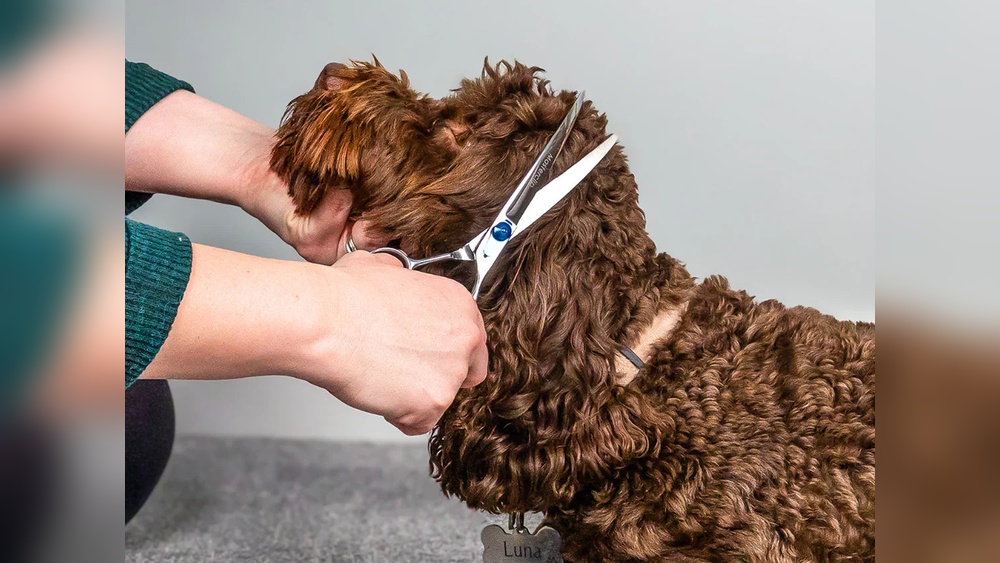
Dog grooming is more than just keeping pets looking nice; it’s an important part of their health and happiness. One tool that every groomer, whether professional or at-home, uses is the straight scissors. These scissors may look simple, but their role in grooming is both specific and crucial. Many people new to grooming wonder what makes straight scissors different from other grooming scissors, and when exactly they should use them. Understanding their true purpose helps you groom safely, achieve better results, and avoid mistakes that can make a dog uncomfortable or even cause injury.
If you want your dog’s coat to look neat, or if you plan to do even basic grooming at home, knowing how to use straight scissors is essential. This article explains what straight scissors are, how they’re used in dog grooming, and why they matter.
You’ll also discover how to choose the right pair, practical tips for their use, and what sets them apart from other types of grooming scissors. By the end, you’ll have a complete understanding—whether you’re a first-time groomer or an experienced pet owner looking to improve your skills.
What Are Straight Scissors In Dog Grooming?
Straight scissors are a type of grooming shear with blades that are perfectly straight from hinge to tip. Unlike curved or thinning scissors, straight scissors have no bend or serration; the blades form a straight line, which allows for clean, even cuts. These scissors range in size from about 4 inches to over 8 inches, but their main feature is always the straight, parallel blades.
Professional groomers often consider straight scissors the most basic and versatile cutting tool in their kit. They are made from stainless steel or high-carbon steel for durability, sometimes with special coatings to prevent rust or add color. The handles may be symmetrical or offset, depending on ergonomic needs.
One important thing to note: straight scissors for dog grooming are not the same as craft or kitchen scissors. Grooming scissors are sharper, better balanced, and designed specifically for cutting hair without pulling or damaging the coat.
Main Uses Of Straight Scissors In Dog Grooming
Straight scissors play several key roles in grooming. Here’s how they’re used:
1. Shaping The Coat
The primary use of straight scissors is for shaping. Groomers use them to trim large, flat areas of a dog’s body, such as the sides, back, or legs. The straight edge helps create sharp lines and a uniform look. For breeds like Poodles, Bichon Frises, or Schnauzers, where a “scissored” finish is desired, straight scissors are the main tool.
2. Finishing Touches
After clipping with electric clippers, straight scissors are used to refine the cut. Clippers can leave lines or uneven patches, and scissors help smooth these areas for a polished result.
3. Cutting Around Paws And Legs
Straight scissors are perfect for trimming around the feet, legs, and even the tail. The groomer can hold the scissors parallel to the ground to create a straight edge or angle them for a more natural look.
4. Tidying Up Face And Ears
While curved scissors are sometimes preferred for sensitive areas, straight scissors are used for trimming longer hair around the face and ears, especially when a straight line is needed.
5. Blending And Layering
With skill, straight scissors can blend layers of hair, especially on double-coated breeds, to avoid a choppy appearance. They help in achieving a “hand-scissored” finish, which is often a standard for show dogs.
6. General Maintenance
For regular trims between full grooming sessions, straight scissors are ideal for quick touch-ups. Owners can snip away mats, tangles, or overgrown patches without the need for clippers.
These uses make straight scissors an essential grooming tool, giving both professionals and pet owners control and precision.
Why Straight Scissors Matter: Benefits And Advantages
Straight scissors are not just popular by chance. They offer several unique benefits in dog grooming:
- Precision Cutting: The straight edge allows for clean lines, which is important for many breed standards and for creating a tidy, professional look.
- Versatility: They can be used on almost any part of the body (except for very curved areas), making them the “workhorse” of grooming shears.
- Control: With a straight blade, the groomer can see exactly where the cut is happening, which lowers the risk of mistakes.
- Easy to Sharpen: Straight blades are easier to maintain than curved or serrated scissors, which means they stay sharp longer.
- Professional Finish: For show dogs and photos, a straight-scissored finish is often required.
One insight many beginners miss: while straight scissors seem simple, their control and precision depend a lot on the user’s hand position and scissor quality. Cheap or dull scissors can pull hair or make uneven cuts, causing discomfort or injury.
Key Features Of Straight Scissors
Understanding the features of straight scissors helps you choose the right pair and use them safely.
- Blade Length: Ranges from short (4-5 inches) for small areas, to long (8 inches or more) for large dogs or big surfaces.
- Blade Thickness: Thicker blades are more durable, but heavier. Thin blades allow for finer detail work.
- Material: Stainless steel is common for its rust resistance, but high-carbon steel holds a sharper edge. Some scissors have titanium or colored coatings.
- Handles and Finger Rests: Offset handles reduce wrist strain; finger rests improve control and comfort during long grooming sessions.
- Tension Screw: Allows adjustment of the blade tightness for smoother cutting.
Here’s a quick comparison between straight, curved, and thinning scissors:
| Type | Main Use | Best For | Key Advantage |
|---|---|---|---|
| Straight Scissors | Shaping, finishing | Flat or straight areas | Precision lines |
| Curved Scissors | Contouring, rounded cuts | Face, feet, tail | Natural curves |
| Thinning Scissors | Blending, removing bulk | Thick or double coats | No lines, soft finish |
How To Use Straight Scissors Safely And Effectively
Using straight scissors seems easy, but doing it well takes practice. Here’s how to use them safely and get the best results:
1. Choose The Right Size
For small dogs or detail work, use shorter scissors (4-6 inches). For large breeds or body work, longer scissors (7-8+ inches) cover more area with each cut.
2. Start With A Clean Coat
Always bathe and dry your dog before using scissors. Dirty or wet hair dulls blades and makes cutting uneven.
3. Comb The Hair First
Remove tangles and mats with a comb. Scissoring tangled hair can pull the skin or cause injury.
4. Hold The Scissors Correctly
Insert your thumb and ring finger into the handles. Rest your little finger on the finger rest for better control. Keep your wrist straight and relaxed.
5. Use The Comb-and-cut Method
Lift a section of hair with a comb, then cut along the comb’s edge. This helps create even lines and prevents cutting too close to the skin.
6. Cut In Small Sections
Avoid cutting large chunks at once. Make small, careful snips, checking your work often.
7. Work With The Coat’s Natural Direction
Cut in the direction the hair grows for a smooth finish. Cutting against the grain can cause a choppy look.
8. Check For Symmetry
Regularly step back and look at both sides of the dog. Make adjustments to keep the cut even.
9. Keep Blades Sharp And Clean
Wipe the blades after each use, and sharpen regularly. Dull blades can pull hair or make uneven cuts.
10. Stay Calm And Patient
Dogs sense your mood. If you’re nervous or rushed, they may move, making accidents more likely.
A mistake beginners often make is trying to cut too much at once, leading to uneven results or cutting too close to the skin. Always use short, controlled snips and check your progress often.
When Not To Use Straight Scissors
Straight scissors are versatile, but they’re not right for every situation. Here are times to use caution or choose another tool:
- Curved Areas: For trimming around the face, feet, or tail, curved scissors may be safer and give a more natural finish.
- Heavy Matting: If the dog’s hair is badly matted, try dematting tools or clippers first. Scissors can pull or injure the skin.
- Fidgety Dogs: If the dog moves a lot, use blunt-tipped scissors or special safety shears to reduce the risk of nicks.
Knowing the limits of straight scissors helps you keep grooming safe and effective.
Straight Scissors Vs. Other Dog Grooming Scissors
Understanding how straight scissors compare to other types helps you build a balanced grooming kit.
| Scissor Type | Blade Shape | Main Job | Common Mistake |
|---|---|---|---|
| Straight Scissors | Straight | Shaping, finishing | Cutting too much at once |
| Curved Scissors | Curved | Contour, round edges | Over-rounding, loss of shape |
| Thinning/Blending Scissors | Serrated | Remove bulk, blend lines | Over-thinning, patchy coat |
| Chunkers | Wide teeth | Texture, quick bulk cut | Choppy texture if misused |
As you can see, each scissor type has a special role. Straight scissors are the go-to for flat areas and sharp lines, while curved and thinning scissors help with finishing details and blending.
How To Choose The Right Straight Scissors For Your Dog
Picking the best straight scissors depends on your dog’s size, coat type, and your own hand comfort. Here’s what to look for:
1. Size And Weight
- Small Dogs or Detail Work: Use 4-6 inch scissors for more control in tight spaces.
- Medium/Large Dogs: 7-8 inch scissors cover more area quickly.
- Heavy vs. Light: Heavier scissors are sturdy but may tire your hand. Lightweight models are easier for long sessions.
2. Blade Quality
- Stainless Steel: Most popular for rust resistance.
- Japanese Steel: Holds a sharper edge and lasts longer, but usually costs more.
- Titanium Coating: Adds color and extra protection.
3. Handle Design
- Offset Handles: Reduce wrist strain, good for long grooming sessions.
- Symmetrical Handles: Classic look but may be less comfortable for some.
4. Finger Rest
A removable finger rest adds control and comfort, especially for beginners.
5. Tension Screw
Look for scissors with an adjustable screw. This lets you change the tightness to match your hand strength and cutting style.
6. Safety Tips
If you’re new or grooming a nervous dog, consider rounded-tip scissors to reduce the risk of accidental pokes.
7. Price And Value
Quality straight scissors can cost $20 to over $100. For home grooming, a mid-range pair often balances price and durability. For professional use, invest in a high-quality pair—they last longer and cut better.
Tip: Always try scissors in your hand before buying if possible. Comfort is as important as blade quality.
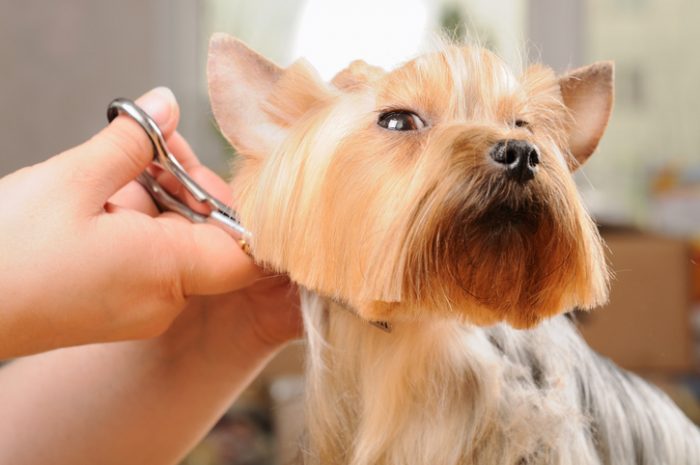
Credit: www.groomers-online.com
Straight Scissors For Different Breeds And Coat Types
Not all dogs need the same grooming tools. Here’s how straight scissors work for different breeds:
Poodles And Bichons
These breeds are often “hand-scissored” for shows. Straight scissors are essential for shaping their signature fluffy coats. Multiple lengths are used for body, legs, and face.
Terriers And Schnauzers
Straight scissors trim the legs, belly, and skirt areas to maintain breed standards. They give the crisp lines terriers are known for.
Shih Tzus, Lhasa Apsos, And Maltese
These long-haired breeds need regular maintenance. Straight scissors help keep the coat tidy, especially around the feet and under the tail.
Golden Retrievers, Shelties, And Collies
For these double-coated breeds, straight scissors are used for “tidying up”—trimming long feathers on the legs, chest, and tail without removing too much undercoat.
Doodles And Mixed Breeds
Many doodles have wavy or curly coats. Straight scissors are used for the main trim, with thinning scissors to blend and soften lines.
Insight: A mistake owners make is using straight scissors for all cuts, even on very curved areas. Switching to curved or thinning scissors for faces and tails avoids a blocky or unnatural look.
Maintenance And Care For Straight Scissors
Proper care keeps your scissors sharp and safe. Here’s what to do:
Cleaning
- Wipe blades with a soft cloth after each use to remove hair and skin oils.
- For extra cleaning, use a drop of blade oil or rubbing alcohol.
Sharpening
- Have your scissors sharpened by a professional every 3-6 months, depending on use. Dull scissors can pull hair or cut unevenly.
Storage
- Store in a protective case to prevent damage.
- Keep scissors dry to avoid rust.
Handling
- Never drop your scissors. Even a small dent can ruin the blade edge.
- Avoid using grooming scissors on anything other than hair.
Regular maintenance means your straight scissors will last for years, cut more cleanly, and be safer for your pet.
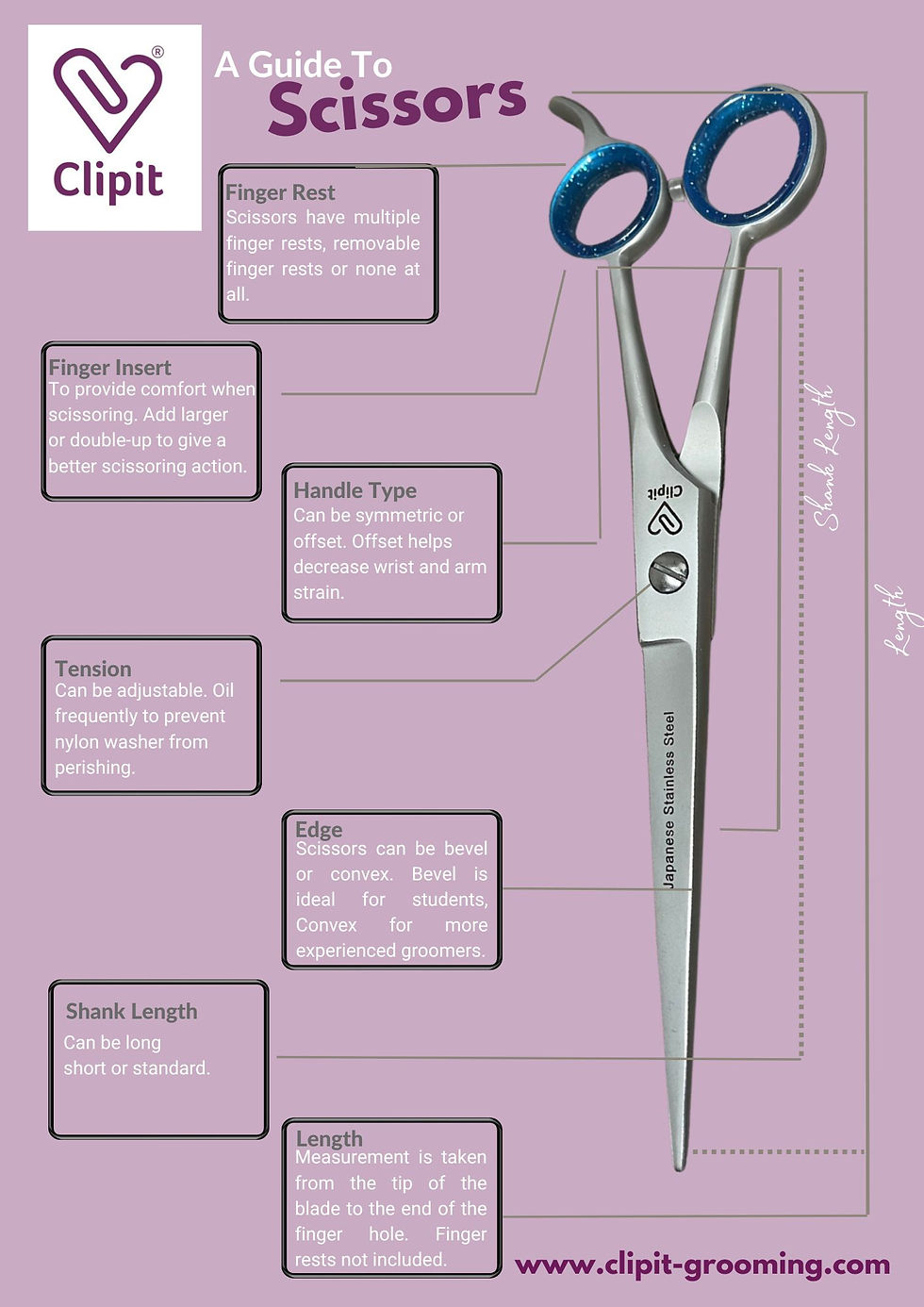
Credit: www.clipit-grooming.com
Common Mistakes When Using Straight Scissors (and How To Avoid Them)
Everyone makes mistakes when learning. Here are some of the most frequent errors with straight scissors:
- Cutting Too Much at Once: This can leave bald patches. Always snip a little at a time.
- Using Dull Scissors: Dull blades pull hair and cause pain. Sharpen regularly.
- Ignoring Coat Direction: Cutting against the grain makes a choppy look. Follow the natural hair growth.
- Not Checking Symmetry: Always step back and check both sides of the dog for evenness.
- Skipping Comb-Outs: Scissoring tangled hair can hurt the dog and damage the scissors.
- Using the Wrong Size: Large scissors in tight spaces or on small dogs can cause accidents.
- Lack of Patience: Rushing makes mistakes and stresses the dog. Take breaks as needed.
Tip: If you’re ever unsure, cut less rather than more. Hair grows back, but you can’t undo a deep cut.
Safety Tips For Using Straight Scissors
Grooming can be risky if you’re not careful. Here are safety tips to remember:
- Keep Your Dog Calm: Work in a quiet area. Use treats and praise.
- Hold Scissors Away From Skin: Always know where the skin is. Use a comb as a safety barrier.
- Never Point Blades at the Dog: Keep tips pointed away when not cutting.
- Use Blunt-Tipped Scissors for Beginners: They lower the risk of poking.
- Stop If Your Dog Moves Suddenly: Don’t try to cut when your pet is squirming.
- Check for Skin Folds: Especially on wrinkled breeds, always check before cutting.
Straight Scissors: Professional Vs. Home Use
Are the scissors professionals use really different from home models? In short, yes. Here’s a comparison:
| Feature | Professional Scissors | Home Use Scissors |
|---|---|---|
| Blade Quality | Japanese/high-carbon steel, sharper, lasts longer | Basic stainless steel, may dull faster |
| Comfort | Ergonomic handles, finger rest | Standard handles, less ergonomic |
| Price | $60–$200+ | $15–$50 |
| Maintenance | Needs regular sharpening, careful cleaning | Less maintenance, but shorter lifespan |
For home grooming of one or two dogs, a mid-range pair is usually enough. For frequent or professional use, invest in a quality pair—they cut better and last longer.
Real-world Examples: Straight Scissors In Action
To see the difference straight scissors make, consider these examples:
- Show Grooming: In a poodle show cut, straight scissors are used for every part of the body except the rounded “pom-poms,” which use curved scissors. The straight scissors create the sharp lines and symmetry required for competition.
- Home Maintenance: For a Shih Tzu between full grooms, an owner uses straight scissors to trim the hair between paw pads, tidy the skirt, and neaten the tail.
- Rescue Dogs: In shelters, straight scissors are used to remove mats and overgrown fur quickly and safely, making the dogs more comfortable and adoptable.
Insight: Straight scissors are not just for “fancy” grooming—they’re practical for everyday care and comfort.

Credit: masterclip.co.uk
Tips For Improving Your Scissor Technique
Want to get better with straight scissors? Try these tips:
- Practice on a Stuffed Animal: Before using scissors on your pet, practice your grip and snipping motion on a toy.
- Watch Professional Videos: Many groomers share tutorials online. Watch their hand position and technique.
- Cut in Good Light: Use a bright, well-lit area so you can see what you’re doing.
- Take Breaks: Fatigue leads to mistakes. Rest your hands and let your dog relax, too.
- Ask for Feedback: If you visit a professional groomer, ask them to show you the correct technique or check your work.
When To Replace Your Straight Scissors
Even the best scissors wear out. Here’s when to get a new pair:
- Blades Stay Dull After Sharpening: If sharpening doesn’t restore the edge, it’s time to replace.
- Loose or Broken Handles: Worn handles make cutting unsafe.
- Visible Rust or Pitting: Rust weakens the blade and can cause infection if it touches the skin.
- Bent or Damaged Blades: Even a small bend can ruin the cut.
Investing in good scissors and replacing them when needed keeps your grooming safe and effective.
Where To Learn More And Buy Quality Scissors
If you want to go deeper, try:
- Professional grooming books or courses
- Asking your local groomer for recommendations
- Reading product reviews online
For trusted information about different scissor types and grooming techniques, check out the Wikipedia page on dog grooming.
Frequently Asked Questions
What’s The Difference Between Straight And Curved Scissors In Grooming?
Straight scissors have blades that form a straight line, perfect for flat areas and sharp lines. Curved scissors have a gentle curve, making them better for shaping rounded parts like the head, feet, and tail.
Can I Use Regular Household Scissors For Grooming My Dog?
No. Household scissors are not sharp enough and can pull or tear the hair, causing pain and uneven cuts. Always use grooming scissors designed for pet coats.
How Often Should I Sharpen Straight Scissors?
For most home users, sharpen every 6-12 months. Professionals may need sharpening every 3-6 months. Dull scissors can hurt your dog and make grooming harder.
Are Straight Scissors Safe For All Breeds?
Straight scissors are safe for most breeds but should be used with care on wrinkly or very small dogs. For sensitive areas, consider blunt-tipped or curved scissors.
What Size Straight Scissors Should I Use?
For small dogs or detail work, use 4-6 inch scissors. For medium to large dogs or full-body trims, 7-8 inch scissors are better. Pick a size that feels comfortable and matches the job.
Dog grooming is a skill that improves with practice, and having the right tools makes all the difference. Straight scissors are a must-have, offering control, precision, and versatility for almost every grooming need. By understanding their uses and caring for them properly, you’ll keep your dog looking and feeling their best.