
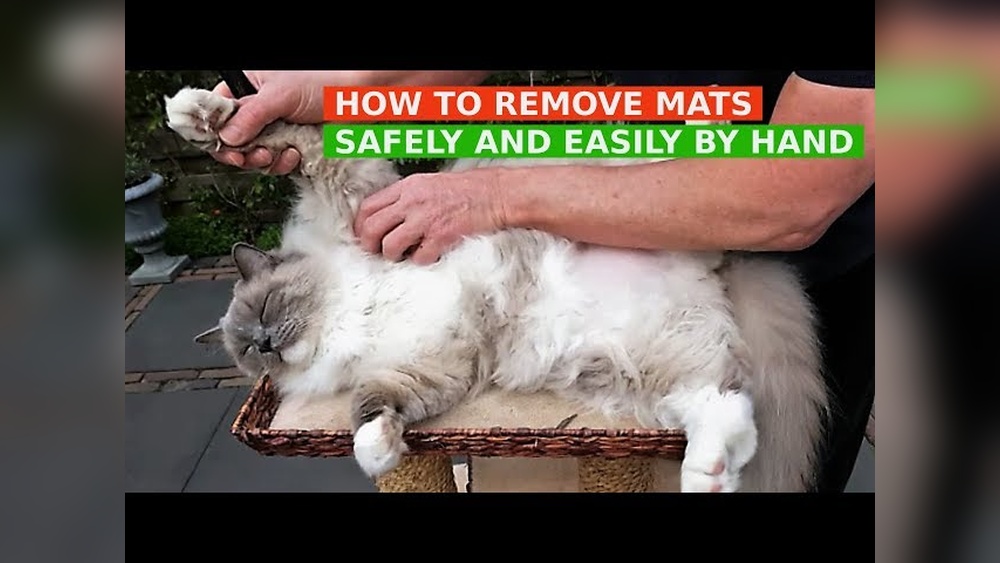
Cats are famous for their beauty and their soft, shiny fur. But if you live with a cat, you know keeping their coat smooth can be a challenge. Sometimes, your cat’s fur forms knots or mats—tangled clumps that are hard to remove. Knots make cats uncomfortable, and if ignored, they can cause skin problems. Whether your cat has long fur or short fur, knots can appear anywhere, especially around the neck, belly, or back legs. Removing knots safely is important for your cat’s health and happiness. This guide will show you how to deal with knots in your cat’s fur, step by step, using safe methods, and will help you avoid common mistakes many cat owners make.
Why Do Cats Get Knots In Their Fur?
Cats are natural groomers. They spend hours licking their coats to keep themselves clean. Still, some cats get knots more easily. Long-haired breeds like Persians, Maine Coons, and Ragdolls are most at risk. Their thick fur tangles quickly if not brushed often. Older cats, overweight cats, or cats with health issues might groom less, so knots build up. Outdoor cats can pick up sticky stuff or debris, leading to tangles.
Common causes of knots:
- Lack of regular brushing
- Shedding seasons (spring/fall)
- High humidity
- Rolling on carpets or rough surfaces
- Health problems (arthritis, obesity)
Did you know? Even short-haired cats can get knots, especially around their hind legs or underarms, where movement rubs fur together.
How Knots Affect Your Cat’s Health
Knots are not just a cosmetic problem. They can lead to serious issues:
- Skin irritation: Mats pull on the skin, causing pain or sores.
- Infections: Dirt and bacteria collect under knots.
- Restricted movement: Large knots can make it hard for your cat to move freely.
- Behavioral changes: Cats in pain may hide, become aggressive, or stop eating.
If knots stay too long, they can turn into hard mats, which are much tougher to remove and may require shaving by a professional.
:strip_icc()/how-to-de-mat-a-cat-552043-hero-5b73bb2c3cf44a52b2f6527f9478a4f2.jpg)
Credit: www.thesprucepets.com
How To Check For Knots In Your Cat’s Fur
Finding knots early makes removal easier and less stressful for your cat. Here’s how to check:
- Feel with your fingers. Run your hands gently through your cat’s coat, especially in areas they can’t groom well (belly, armpits, back legs).
- Look for changes. Mats may look darker or feel rough compared to smooth fur.
- Check during petting. Cats often relax when being petted, so you can spot knots without scaring them.
Some knots are small and easy to miss. Try checking once a week, or more often for long-haired breeds.
Tools You Need To Remove Knots
The right tools make the job easier and safer. Here are some essentials:
- Wide-tooth comb: Helps untangle larger knots.
- Slicker brush: Removes loose hair and prevents tangles.
- Dematting tool: Cuts through tough mats gently.
- Blunt-tip scissors: For trimming knots (never use sharp scissors).
- Pet-safe detangler spray: Softens knots for easier brushing.
- Gloves: Protect your hands if your cat gets nervous.
Here’s a comparison of basic tools for knot removal:
| Tool | Best For | Safety Level |
|---|---|---|
| Wide-tooth comb | Large, loose knots | High |
| Slicker brush | Fine tangles, loose hair | High |
| Dematting tool | Tough mats | Medium |
| Blunt-tip scissors | Small, stubborn knots | Medium |
| Detangler spray | Softening knots | High |
Preparing Your Cat For Knot Removal
Cats do not like surprises. Preparing your cat makes knot removal easier and less stressful.
Steps to prepare:
- Choose a quiet time. Pick a moment when your cat is calm, such as after eating or napping.
- Create a comfortable space. Use a familiar blanket or favorite spot.
- Use gentle words and petting. Keep your cat relaxed.
- Have treats ready. Reward your cat for staying calm.
- Gather your tools before you start.
If your cat gets nervous, try short sessions. Never force your cat; this can cause fear or injury.
Step-by-step Guide To Removing Knots From Cats Fur
Let’s break down the process. The goal is to remove knots gently and safely.
1. Assess The Knot
Find out how big and tight the knot is. Small knots are easier to remove. If the knot is too close to the skin, be extra careful.
2. Use Your Fingers First
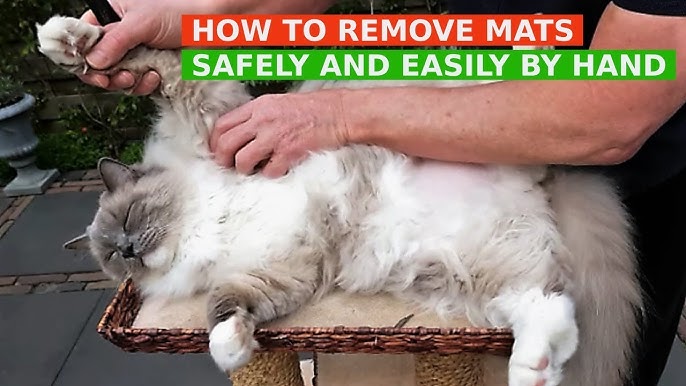
Try loosening the knot gently with your fingers. Hold the base of the knot near the skin to avoid pulling.
3. Apply Detangler Spray
Spray a small amount of pet-safe detangler on the knot. Wait a few minutes for the spray to soften the fur.
4. Comb Out The Knot
Use a wide-tooth comb to gently work from the outside of the knot toward the center. Start slow, and avoid pulling hard.
If the knot doesn’t come out, try a slicker brush. Brush in short strokes, and always hold the knot at the base.
5. Use A Dematting Tool For Tough Knots
For hard mats, a dematting tool can help. Slide the tool under the mat and gently cut through. Be careful not to touch the skin.
6. Trim With Blunt-tip Scissors (if Needed)
If the knot is too tough, you may need to cut it out. Use blunt-tip scissors. Place a comb between the knot and skin, then trim only the knot. Never cut directly against the skin.
7. Check The Area And Comfort Your Cat
After removing the knot, check for redness, sores, or irritation. Pet your cat and offer a treat. If your cat seems upset, stop and try again later.
8. Clean Up And Brush
Brush the whole area to remove loose hair and prevent new knots. Clean your tools.
Step-by-step Example
Suppose your Maine Coon has a knot behind her ear:
- Feel the knot gently.
- Spray detangler and wait 3 minutes.
- Hold the knot at the base, use fingers to loosen.
- Comb with wide-tooth comb from tip to base.
- If stuck, use slicker brush.
- If still tough, use dematting tool or blunt scissors with comb as a barrier.
- Check skin. Offer treat.
Special Tips For Different Cat Breeds
Some breeds need extra care:
- Persian cats: Their thick fur mats quickly. Brush daily, and use detangler often.
- Ragdolls and Maine Coons: Brush 3–4 times a week. Pay attention to belly and legs.
- Sphinx cats: No fur, but their skin needs cleaning to prevent debris buildup.
- Domestic short-haired cats: Weekly brushing is enough, but check underarms and legs.
Non-obvious insight: Many owners forget to brush the tail and under the chin. These areas knot easily but are often missed.
How Often Should You Remove Knots?
Frequency depends on your cat’s fur type and lifestyle. Here’s a simple guide:
| Cat Type | Brushing Frequency | Knot Check Frequency |
|---|---|---|
| Long-haired | Daily | Every 2 days |
| Medium-haired | 3 times/week | Weekly |
| Short-haired | Weekly | Weekly |
| Seniors/Obese | Daily | Every 2 days |
:strip_icc()/how-to-de-mat-a-cat-552043-01-3bcd9ef0901041f4b5dc04c4c36c9bd8.JPG)
Credit: www.thesprucepets.com
Preventing Knots Before They Start
Prevention saves time and keeps your cat happier.
Tips to prevent knots:
- Brush regularly. Use the right brush for your cat’s fur type.
- Check for knots after playtime. Rolling or wrestling can cause tangles.
- Keep your cat’s fur clean. Dirt and oils make knots worse.
- Trim fur in problem areas. Especially around the belly and legs.
- Feed a healthy diet. Good nutrition keeps fur shiny and less prone to knots.
- Reduce stress. Stressed cats groom less, so knots form faster.
Non-obvious insight: Cats with allergies or skin problems are more likely to get knots. Treat skin issues quickly to prevent mats.
When To See A Professional Groomer Or Vet
Some knots are too tough to handle at home. If you notice:
- Very large mats
- Knots close to the skin
- Bleeding, sores, or infection
- Your cat is aggressive or scared
It’s best to visit a professional groomer or vet. They have the right tools and experience to remove knots safely.
Data point: According to the American Veterinary Medical Association, about 15% of cat owners seek professional grooming due to mats each year.
Professional help may cost more, but it prevents injury and stress.
Common Mistakes When Removing Knots
Avoid these errors to keep your cat safe:
- Using sharp scissors: This risks cutting your cat’s skin.
- Pulling too hard: Causes pain and fear.
- Skipping detangler: Makes removal harder.
- Trying to remove all knots at once: Can overwhelm your cat.
- Ignoring small knots: Small knots grow quickly.
- Not checking skin after removal: Missed sores can get infected.
- Brushing the wrong way: Always brush in the direction of fur growth.
- Not calming your cat: Stress makes knots removal harder.
- Using human hair products: Only use pet-safe sprays.
- Forgetting to reward your cat: Positive reinforcement makes future sessions easier.
How To Handle A Cat That Hates Being Groomed
Some cats dislike grooming. You can make the process easier:
- Start with short sessions. Just a few minutes at a time.
- Use treats and praise. Reward calm behavior.
- Choose a time when your cat is tired.
- Try grooming gloves. Some cats prefer the feel of gloves to brushes.
- Ask a helper to gently hold your cat.
- If your cat is still scared, try professional help.
Example: If your cat runs away when you bring out the brush, try placing the brush near her bed for a few days. Let her sniff it. Then offer treats while brushing gently for just a minute.
What If The Knots Keep Coming Back?
Repeated knots can mean underlying issues:
- Fur type: Some cats are just prone to mats.
- Health problems: Arthritis, obesity, or skin disease.
- Poor nutrition: Low-quality food affects fur health.
- Environment: Humid homes or dirty bedding.
If knots keep returning, check your cat’s diet, grooming habits, and health. Sometimes, a vet visit can reveal hidden problems.
Are There Safe Home Remedies For Knots?
Many owners ask about home remedies. Some work, but you must be careful.
- Coconut oil: A small amount can soften mats, but never let your cat eat it in large amounts.
- Cornstarch: Sprinkle a little on the knot; it helps loosen tangles.
- Baby powder: Only use unscented, pet-safe powder.
Never use oils, powders, or sprays meant for humans unless your vet approves.
Is Shaving Necessary?
Sometimes, shaving is the only solution for tough mats. This should be done only by professionals.
Reasons for shaving:
- Mats cover large areas
- Mats are too close to the skin
- Mats are causing sores or infection
Shaving can stress your cat. After shaving, keep your cat warm and avoid sunburn.
The Cost Of Professional Grooming Vs. Home Grooming
Many owners ask whether it’s better to do it yourself or visit a professional. Here’s a comparison:
| Method | Cost (USD) | Safety | Best For |
|---|---|---|---|
| Home grooming | $10-$50 (tools) | High (if careful) | Small knots, regular care |
| Professional grooming | $40-$120/session | Very high | Large mats, nervous cats |
| Vet removal | $60-$200 | Highest | Infected mats, medical issues |
Professional grooming is more expensive, but safer for tough mats.
How Nutrition Affects Your Cat’s Coat
A healthy diet means fewer knots. Cats need protein, omega-3 fatty acids, and vitamins for shiny fur.
Studies show that cats fed high-protein diets have fewer tangles and shinier coats. Omega-3 supplements can help, especially for older cats.
Check your cat’s food label. Look for real meat, fish oil, and essential vitamins.
Grooming Cats With Disabilities Or Seniors
Older cats or cats with joint problems may groom less, so knots build up. Here’s how to help:
- Brush daily.
- Use soft brushes.
- Check for pain. If your cat cries or pulls away, see a vet.
- Keep grooming sessions short.
Experience-based guide: Many senior cats prefer being groomed while lying down. Try brushing gently while your cat rests.
What To Do If You Accidentally Hurt Your Cat
Even with care, accidents can happen. If you cut the skin or cause pain:
- Stop immediately.
- Check for bleeding. Press gently with a clean cloth.
- Clean the area with saline.
- If bleeding doesn’t stop or you see a deep cut, call your vet.
- Comfort your cat. Give a treat and gentle petting.
Never continue grooming if your cat is in pain.
How To Train Your Cat To Accept Grooming
Training makes knot removal easier over time.
Steps for training:
- Start young. If possible, begin grooming when your cat is a kitten.
- Use positive reinforcement. Offer treats and praise after each session.
- Make grooming part of play. Use brushes as toys.
- Increase grooming time slowly. Start with 1–2 minutes, then add more.
- Stay calm. Cats sense your mood.
Cats can learn to enjoy grooming if it’s gentle and rewarding.
Is Bathing Helpful For Knots?
Bathing can help loosen some knots, but only use cat-safe shampoo. Never try to remove knots when fur is wet—it can stretch and damage the skin.
Tips for safe bathing:
- Use lukewarm water.
- Dry your cat fully before brushing.
- Only bathe if your cat is comfortable with water.
Extra Tips For Cat Owners
- Check for knots after vet visits or boarding. Stressful events can cause mats.
- Watch for signs of pain. Cats may lick or bite at knots.
- Update your grooming tools regularly.
- Join online cat owner groups for tips and support.
For more professional advice, visit ASPCA Cat Grooming Tips.
Credit: www.youtube.com
Frequently Asked Questions
How Can I Prevent Knots From Forming On My Cat?
Brush your cat regularly, keep their coat clean, and check for knots after playtime. Make sure your cat eats a healthy diet and stays relaxed.
What Should I Do If My Cat Has A Large Knot Close To The Skin?
Do not try to cut it yourself. Large knots close to the skin can cause injury. Visit a professional groomer or your vet for safe removal.
Are There Any Safe Sprays Or Products For Loosening Knots?
Yes, use pet-safe detangler sprays. Never use human hair products. Some natural remedies, like coconut oil or cornstarch, can help, but only in small amounts.
How Do I Handle A Cat That Fights Grooming?
Start with short, gentle sessions. Use treats and praise. If your cat is very nervous, try grooming gloves or ask a helper to hold your cat. For very aggressive cats, seek professional help.
Will Knots Come Back After I Remove Them?
Knots can return if you don’t brush regularly or if your cat has health issues. Prevent knots by brushing, checking problem areas, and feeding a healthy diet.
Knots in your cat’s fur are common, but they don’t have to be a constant problem. With the right tools, gentle methods, and regular care, you can keep your cat’s coat smooth and healthy. Remember, patience and positive reinforcement make grooming easier for both you and your cat.
If you ever feel unsure or your cat’s knots are too difficult to handle, professional help is always available. Your cat will thank you with a soft, shiny coat and a happy, comfortable life.