
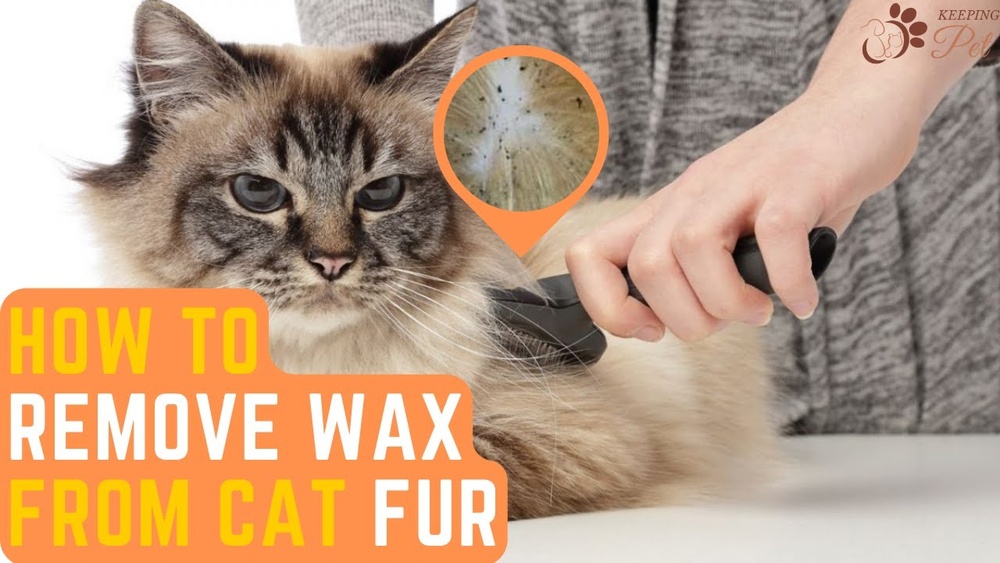
Cats are known for their curiosity and love for cozy spots. Sometimes, this means they wander too close to burning candles or freshly blown-out wax, and before you know it, candle wax ends up stuck in their beautiful fur. If you’re reading this, you probably found yourself in this stressful situation. The good news is that you can help your cat safely, without harming their skin or causing more stress for either of you.
This guide explains everything you need to know about removing candle wax from cat fur. You’ll learn practical steps, precautions, and tips that veterinarians and experienced cat owners use. Whether you’re dealing with a tiny drip or a large patch, you’ll find clear solutions here. Plus, you’ll see what to do in special situations—like if the wax is still hot, or if your cat has sensitive skin.
Cats are sensitive creatures, so the wrong approach can lead to pain, fear, or even injury. That’s why it’s important to use methods that are gentle, effective, and safe. Let’s explore how to handle this situation, prevent it from happening again, and keep your cat happy and healthy.
Why Candle Wax Gets Stuck In Cat Fur
Candle wax is sticky when it melts, and it cools quickly. When a cat brushes against a candle or steps in spilled wax, the wax solidifies and grips their fur. The main reasons this happens are:
- Curiosity: Cats are attracted to new smells and flickering lights.
- Warmth: They may jump onto tables to enjoy the warmth near candles.
- Low Candle Placement: Candles placed on low surfaces are more likely to get knocked over or touched.
Most common wax types—paraffin, soy, and beeswax—are all sticky and can cling to the fine, dense fur of cats. Soy and beeswax are softer at room temperature, while paraffin can become quite hard. Each type needs a slightly different approach for removal, but the main steps are similar.
Is Candle Wax Dangerous For Cats?
Many cat owners worry: is candle wax toxic? In most cases, plain candle wax is not highly toxic, but it can still cause problems. Here’s what you should know:
- Burns: Hot wax can burn the skin under the fur.
- Skin Irritation: Even cooled wax can pull at the skin, causing pain or redness.
- Chewing or Ingestion: Cats may lick or chew at the wax, which can lead to digestive upset or choking.
- Essential Oils: Some candles contain essential oils (like tea tree or citrus), which are very dangerous to cats.
If your cat seems in pain, the skin is red or blistered, or you know the candle contained essential oils, contact your veterinarian right away. Most wax removal cases are not emergencies, but it’s always better to be safe.
Immediate Steps: What To Do First
If you see candle wax on your cat’s fur, act quickly but calmly. Here’s what you should do right away:
- Stay calm. Cats pick up on your emotions. Speak softly and move slowly.
- Prevent grooming. Stop your cat from licking or chewing the wax. Gently hold or distract them.
- Check the area. Look at where the wax is. Is it near the eyes, mouth, or genitals? These are sensitive spots—be extra careful.
- Check temperature. If the wax is still hot, cool it with a cold, wet cloth for a few seconds. Never use ice directly—wrap it in a towel.
- Keep your cat safe. Move them away from the candle and any spilled wax.
- Assess the amount. Is it a small spot or a large patch? Is the wax soft, hard, or crumbly?
If you see any signs of pain, burns, or swelling, call your vet right away.
Essential Supplies For Wax Removal
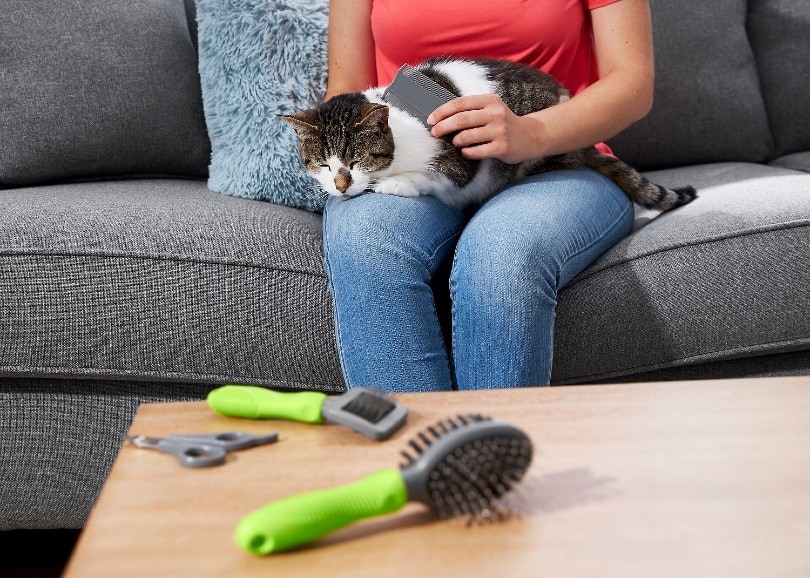
Before you start, gather everything you’ll need. Having supplies ready makes the process smoother and less stressful for both you and your cat.
| Item | Purpose | Notes |
|---|---|---|
| Wide-tooth comb | Detangle and remove wax pieces | Gentle on fur |
| Blunt-tip scissors | Trim fur if needed | Safety first |
| Vegetable oil (or coconut oil) | Loosen wax | Safe if ingested in small amounts |
| Paper towels or soft cloths | Wipe off wax and oil | Disposable or washable |
| Mild pet shampoo | Clean residue | Never use human shampoo |
| Warm water | Help soften and remove wax | Test temperature first |
| Treats | Reward your cat | Helps keep them calm |
| Helper (optional) | Hold or soothe your cat | Useful for wriggly cats |

Credit: www.catster.com
Step-by-step Guide: How To Remove Candle Wax From Cat Fur
Here’s a safe and practical method for getting wax out of your cat’s fur. Adjust these steps based on the amount and location of wax.
1. Calm Your Cat And Prepare
Find a quiet, comfortable place. Place your cat on a towel or blanket. If your cat is nervous, have a helper gently hold them or distract them with treats. Speak softly throughout the process.
2. Assess The Wax
Check how much wax is stuck and where it is. For small spots, you may only need to comb or clip. For larger patches, you’ll need oil and more patience. If the wax is close to the eyes or mouth, be extra careful and consider calling your vet.
3. Harden Or Soften The Wax (depending On Type)
- Hard Wax (paraffin): It’s often easier to remove when cold. You can gently press a wrapped ice cube or cold pack to the wax for 10–20 seconds. This makes it brittle, so it cracks and flakes away from the fur.
- Soft Wax (soy or beeswax): These may be sticky. Soften with a warm, damp cloth for 30–60 seconds. This loosens the wax without melting it further.
4. Break Up Large Chunks
Gently use your fingers to break up any large, hard pieces. Never pull hard. Work slowly, and stop if your cat seems uncomfortable. If the wax is soft, skip to the next step.
5. Apply Oil
Pour a small amount of vegetable oil or coconut oil onto a cotton ball or your fingertips. Gently massage it into the waxed area. The oil works into the wax, softening it and making it slide off the fur. Wait 2–3 minutes.
Key tip: Use just enough oil to coat the wax. Too much oil can make the fur greasy and harder to clean later.
6. Comb Out The Wax
Using a wide-tooth comb, gently comb through the affected fur. The wax should start to come out in small pieces. Wipe the comb with a paper towel between passes. If some wax remains, apply a little more oil and wait another minute.
7. Trim If Necessary
If stubborn wax won’t come out or if the area is small and close to the skin, use blunt-tip scissors. Carefully snip the waxed fur, avoiding the skin. Only cut as a last resort—cats often dislike being trimmed, and it can leave a bald spot.
8. Wash The Area
After the wax is removed, clean the area with mild pet shampoo and warm water. This removes any leftover oil or wax. Pat dry with a soft towel. Avoid human shampoos—they can dry or irritate your cat’s skin.
9. Reward And Reassure
Give your cat a treat and lots of affection. This helps them associate grooming with positive feelings, making future care easier.
Special Situations And Exceptions
Wax On Sensitive Areas
If the wax is near the eyes, ears, mouth, or genitals, do not try to remove it yourself unless it’s a tiny, surface piece. These areas are easy to injure, and infections can happen quickly. Contact your veterinarian for advice.
Wax Mixed With Dirt Or Litter
If your cat walked through wax and then litter or dirt, the mess can be worse. The same oil and comb method works, but be patient—removal may take longer. Wash the area well to prevent infection.
Burns Or Open Wounds
If you see redness, swelling, blisters, or bleeding under the wax, do not try to remove it all yourself. Cover the area with a clean, damp cloth and call your vet right away. Burns can be very painful and need special treatment.
Long-haired Cats
Long-haired breeds, like Maine Coons or Persians, may get wax tangled deep in their coats. You may need to repeat the oil and comb process several times. In some cases, a professional groomer or vet visit is best.
Comparing Wax Removal Methods
Different methods work for different situations. Here’s a comparison of the three most common approaches.
| Method | Effectiveness | Risks | Best For |
|---|---|---|---|
| Oil and Comb | High | Oily fur, mild skin irritation | Most wax types, all fur lengths |
| Cold and Crack | Medium | Fur breakage, discomfort | Hard wax, small areas |
| Clipping Fur | High (for small spots) | Bald spots, possible nicks | Stubborn wax, very small patches |
When To See A Veterinarian
Most wax removal cases can be handled at home. However, you should call your vet if:
- The wax is near your cat’s eyes, mouth, or genitals
- There are burns, blisters, or open wounds
- Your cat is in pain or acting strangely (hiding, limping, licking excessively)
- The wax won’t come off after gentle attempts
- The candle contained essential oils or unknown additives
Vets can safely remove wax, treat burns, and give pain relief or antibiotics if needed.

Credit: www.youtube.com
How To Prevent Future Candle Wax Incidents
Prevention is always better than cure. Here’s how to make your home safer:
- Place candles up high. Keep them on shelves or surfaces your cat can’t reach.
- Use candle holders with covers. Glass or metal covers protect both the flame and your cat.
- Try flameless candles. Battery-powered candles give the same glow without the risk.
- Don’t leave candles unattended. Blow them out if you leave the room.
- Teach “no” gently. Use a firm “no” and remove your cat from the area if they get too close.
- Choose safer scents. Avoid candles with essential oils, especially citrus, tea tree, or eucalyptus.
- Watch for curiosity. If your cat is interested in candles, distract them with toys or treats instead.
Common Mistakes To Avoid
It’s easy to make mistakes when you’re stressed. Here are common errors and how to avoid them:
- Pulling hard on wax: This can rip fur and hurt your cat.
- Using harsh chemicals: Never use nail polish remover, alcohol, or strong soaps.
- Cutting too close: Always leave a safe gap between scissors and skin.
- Ignoring the skin: Always check for burns or sores under the wax.
- Letting your cat lick oil: Small amounts are usually safe, but too much oil can cause stomach upset.
Caring For Your Cat After Wax Removal
Once the wax is gone, you’re not quite finished. Here’s how to help your cat recover:
- Watch for irritation: Check the area daily for redness, swelling, or discharge.
- Prevent licking: If your cat keeps licking, use a soft cone or ask your vet for advice.
- Keep the fur clean: Gently wipe the area with a damp cloth for a few days.
- Offer comfort: Extra cuddles and treats help your cat relax and forget the experience.
If you see any signs of infection or pain, call your vet.
Why Cats Are Attracted To Candles
Understanding why cats go near candles can help you prevent future problems. Cats are curious by nature. The flicker of a flame attracts their attention, and the warmth draws them in. Some scented candles use animal-based ingredients (like beeswax) or food scents, which might smell interesting to your cat.
Another factor is the placement of candles—on tables, window sills, or counters where cats love to jump. By understanding these habits, you can better “cat-proof” your home.
Credit: www.catster.com
Alternatives To Traditional Candles
If you love the cozy atmosphere of candles but worry about your cat’s safety, there are safer options:
- LED candles: These look real but have no flame or hot wax.
- Wax warmers: They use a light bulb to melt wax, but keep them out of reach. Some still get warm enough to be a risk.
- Reed diffusers: Use water-based, pet-safe scents. Avoid strong essential oils.
- Plug-in night lights: Provide ambiance without heat or wax.
Always check that any alternative is safe for pets. Some air fresheners and oils can harm cats.
Real-life Example: A Cat Owner’s Experience
Emma, a cat owner in California, came home one evening to find her Siamese cat, Luna, with a patch of red wax on her tail. Luna had jumped onto the kitchen counter where a candle had just been blown out.
Emma stayed calm, used a cold pack to harden the wax, and gently cracked off the biggest pieces. She then massaged a little coconut oil into the fur and carefully combed out the rest. Luna was rewarded with her favorite treat and a cuddle.
Emma’s main lesson? “Keep candles up high, and always have oil and a comb handy. The process was slow, but patience and gentle handling made all the difference. ”
Data: How Common Are Candle Wax Incidents With Cats?
There is no exact national database for wax injuries in cats, but surveys of veterinarians and animal poison control centers provide some insight.
| Incident Type | Estimated Frequency | Outcome |
|---|---|---|
| Candle wax on fur | Common (1 in 20 indoor cats) | Usually mild, treatable at home |
| Wax burns | Uncommon (1 in 200 indoor cats) | May require vet treatment |
| Essential oil toxicity | Rare (mostly from licking wax) | Can be severe or fatal |
The most important takeaway: most wax incidents are not emergencies if you act quickly and carefully.
Non-obvious Insights Most People Miss
- Oil is your best friend—but moderation is key. Too much oil can make the fur greasy and hard to clean, so use just enough to loosen the wax. Wipe away excess before washing.
- Check for wax in between toes and paw pads. Cats may step in wax and tiny pieces can get stuck in hard-to-see places, causing discomfort or even infections if missed.
- Cats may become fearful of grooming after a wax incident. Use treats and gentle words every time you groom, so they don’t associate grooming with pain or fear.
Resources For Cat Owners
If you need more help or want to learn about pet safety, the American Society for the Prevention of Cruelty to Animals (ASPCA) offers excellent resources and emergency advice. Visit the ASPCA Animal Poison Control Center for more information.
Frequently Asked Questions
What Should I Do If My Cat Eats Candle Wax?
Monitor your cat for signs of choking, vomiting, or diarrhea. Plain wax is usually not toxic, but scented or colored wax can be harmful. If your cat ate a lot or the candle contained essential oils, call your veterinarian.
Can I Use Butter Or Margarine Instead Of Oil To Remove Wax?
Yes, in small amounts. Butter and margarine work like vegetable oil to loosen wax, but they can make your cat’s fur smell strong and may attract more licking. Use sparingly and wash the area well afterward.
Is It Safe To Cut Off Waxed Fur With Scissors?
It’s safe if you use blunt-tip scissors and work slowly. Always keep scissors parallel to the skin and avoid pulling on the fur. If you’re unsure, ask a groomer or vet for help.
How Do I Know If My Cat Has A Burn Under The Wax?
Look for redness, swelling, blisters, or your cat reacting in pain when you touch the area. If you see any of these signs, cover the area with a damp cloth and contact your vet.
What Can I Do If My Cat Is Afraid Of Grooming After This Incident?
Use positive reinforcement—give treats, speak gently, and keep grooming sessions short. Let your cat sniff tools before use. Over time, they’ll regain trust if you make grooming a calm, pleasant experience.
Helping your cat after a candle wax mishap takes patience, gentle hands, and the right tools. With these methods, you can remove wax safely and prevent future accidents. Remember: a calm approach and a little preparation can make all the difference for your feline friend.