
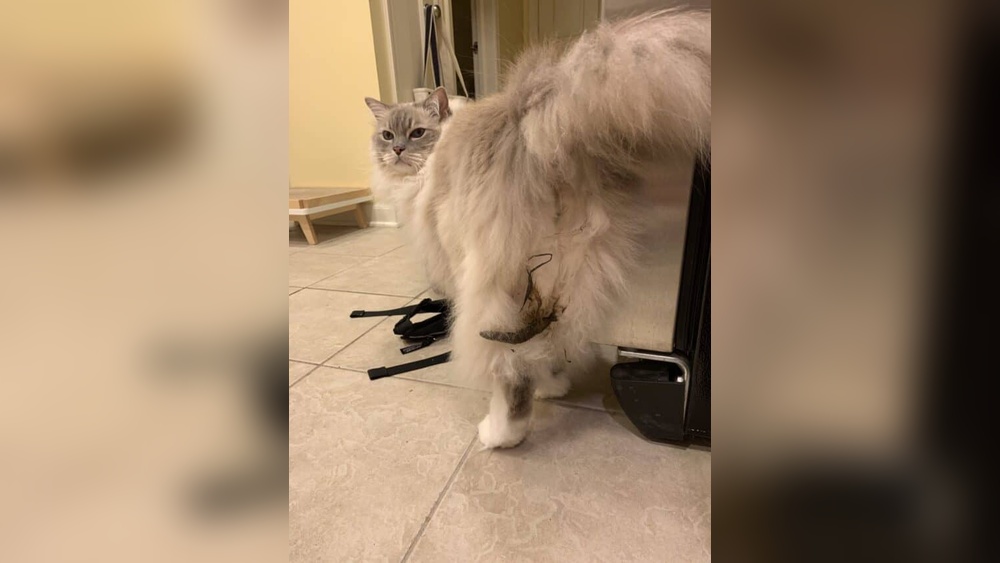
Cats are usually excellent at cleaning themselves. Their grooming skills often put many other pets to shame. But there are times when even the most fastidious feline gets a little messy, especially around their rear end. If you’ve ever found cat poop stuck in your cat’s fur, you know it’s not a pleasant experience for either of you. The smell can be strong, the mess stubborn, and your cat might feel embarrassed or uncomfortable. As their human, it’s important to know how to handle these accidents quickly, safely, and with as little stress as possible for both of you.
This article will give you a clear, step-by-step guide for removing cat poop from your cat’s fur. You’ll learn why this happens, how to clean your cat effectively, what tools and products you need, and how to prevent future incidents.
Whether your cat is short-haired, long-haired, old, or young, the methods here will help you keep them clean, healthy, and happy. With the right approach, you can avoid common mistakes and make these situations much easier for you and your pet.
Why Does Cat Poop Get Stuck In Fur?
Before you grab the cleaning supplies, it helps to understand why this mess happens. Knowing the cause can make cleanups easier and help prevent future problems.
Common Reasons
- Long Fur: Some breeds, like Persians or Maine Coons, have long, thick fur around their back end. Poop can easily stick to these hairs, especially if the stool is soft.
- Diarrhea or Soft Stool: Healthy cat poop should be firm. If your cat has diarrhea, the loose stool can smear and get trapped in the fur.
- Obesity or Arthritis: Overweight or older cats may struggle to reach their rear end during grooming, leading to buildup.
- Poor Diet: Low-quality food can cause digestive issues, making stools smellier, softer, and more likely to cling.
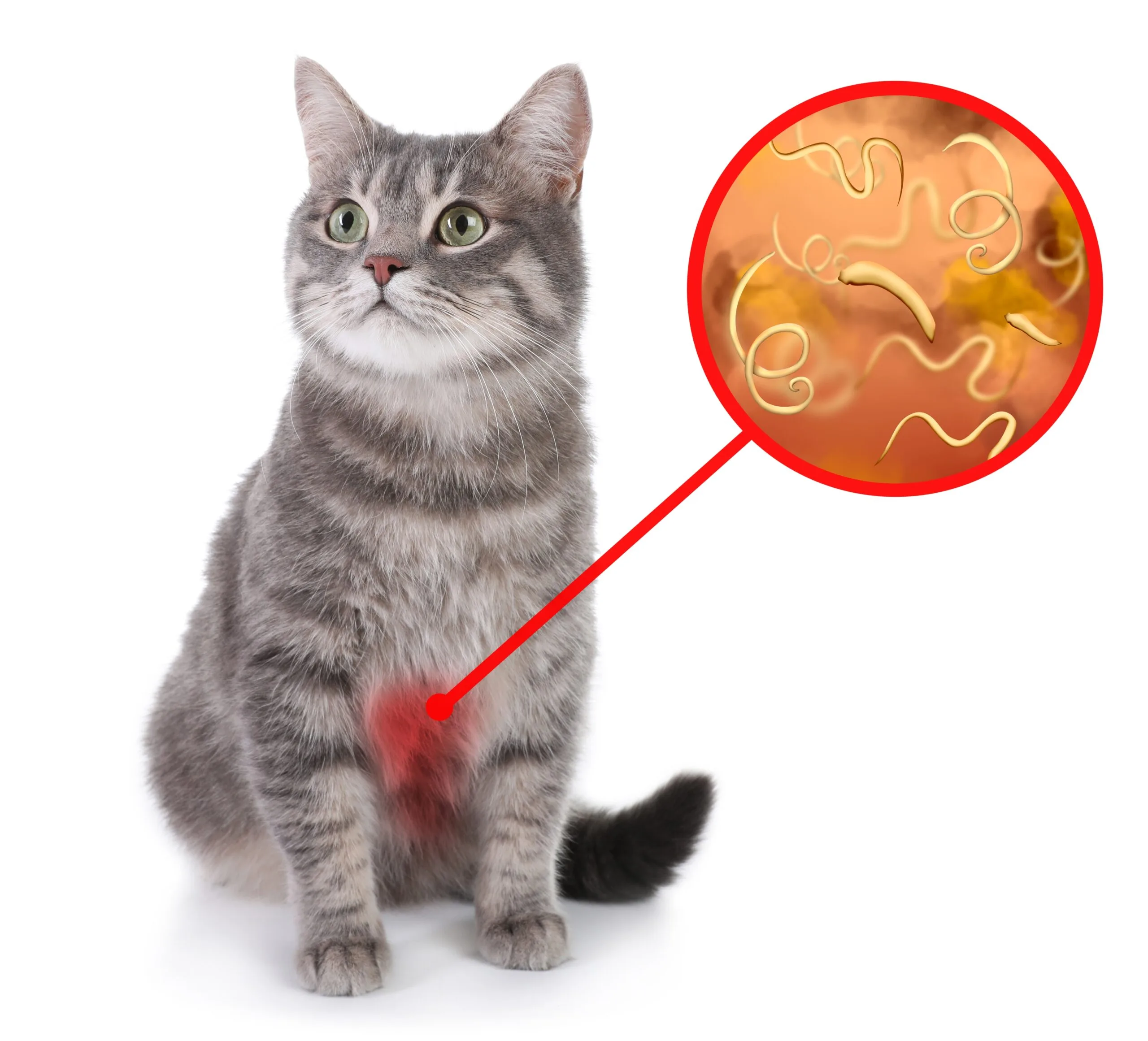
- Medical Problems: Infections, parasites, or anal gland issues can all change your cat’s poop consistency.
- Litter Box Issues: Dirty litter boxes or ones that are too small can cause cats to step in their own mess, spreading it into their fur.
Two Insights Most Cat Owners Miss
- Stress Can Affect Digestion: Cats that feel anxious (from new pets, moving, or changes at home) may have temporary digestive problems, making accidents more likely.
- Hydration Matters: Cats that don’t drink enough water often develop constipation or very hard stools, but oddly, mild dehydration can also cause soft stool that sticks to fur.
By noticing these patterns, you can often reduce the frequency of these messy accidents.
Essential Tools And Products For Safe Cleaning
Having the right supplies ready will make cleaning much less stressful for both you and your cat. You don’t need expensive tools—just a few basics that work well.
Must-have Supplies
- Disposable gloves: Keep your hands clean and protected.
- Pet-safe wet wipes: Choose unscented, alcohol-free wipes designed for cats.
- Mild cat shampoo: Human shampoos can irritate cat skin. Always use formulas made for pets.
- Small scissors or grooming clippers: For long-haired cats, these help cut out stuck messes.
- Fine-toothed comb: Useful for removing small bits from fur.
- Soft towels: Old but clean towels work best.
- Warm water: For rinsing and cleaning.
- Cotton balls or pads: Helpful for gentle wiping.
- Treats: Reward your cat for patience and help them associate cleaning with positive feelings.
Optional But Helpful
- Spray bottle: Fill with lukewarm water for gentle rinsing.
- Baby powder or cornstarch: For dried, stuck messes (explained in steps below).
- Cat-safe disinfectant: For cleaning surfaces after the job.
Table: Best Types Of Cleaning Tools For Cat Fur
| Tool | Use Case | When to Use |
|---|---|---|
| Pet-safe wipes | Surface messes, small spots | Quick cleanups, light soiling |
| Fine-toothed comb | Removing dried poop bits | After main mess is gone |
| Scissors/clippers | Cutting out stubborn mats | Long-haired cats, heavy soiling |
| Cat shampoo & towels | Deep cleaning, full bath | Severe mess, soft stool |
Keeping these tools in a small “cat cleaning kit” can save time during emergencies.
Credit: centraltexasanimalhospital.com
Step-by-step: How To Remove Cat Poop From Cat Fur
Cleaning cat poop from fur is not just about removing the mess—it’s about keeping your cat calm and safe. Here’s a practical approach that works for most cats.
1. Prepare The Area And Yourself
- Put on disposable gloves and gather all supplies.
- Choose a small, quiet room (like a bathroom) to limit your cat’s escape options.
- Lay a towel on a flat surface.
- If your cat is nervous, ask someone to help gently hold or distract them.
- Speak softly and move slowly. Cats sense your stress.
2. Assess The Mess
- Is it a small spot or a large, sticky mess?
- Is the poop soft, dried, or tangled in mats?
- Decide if you need to cut any fur or just wipe and wash.
3. Remove What You Can Without Water
- Gently pick off large pieces with gloved fingers or a paper towel.
- For dried poop, sprinkle a little cornstarch or baby powder on the area. Let it sit for 2–3 minutes. This helps dry out the mess, making it easier to brush or comb away.
- Use a fine-toothed comb to remove loose bits. Be gentle to avoid pulling fur.
4. Clean The Area With Wet Wipes
- Use pet-safe wet wipes to clean the remaining mess.
- Wipe in the direction of hair growth.
- For sensitive cats, warm the wipe in your hands first.
5. Bath Or Partial Wash (if Needed)
If the mess is still stuck, a quick wash may be best.
- Fill a small sink or basin with a few inches of warm water.
- Hold your cat gently but securely. Wet just the soiled area.
- Lather a small amount of cat shampoo and work it into the fur.
- Rinse thoroughly with warm water—no soap residue should stay.
- Pat dry with a soft towel.
Tip: Avoid soaking your entire cat unless absolutely necessary. Most cats hate full baths.
6. Trim If Necessary
- For long-haired cats with mats, carefully use scissors or clippers to cut out stubborn, dried-on poop.
- Always point scissors away from the skin and work slowly.
- If you’re unsure, ask your vet or a professional groomer for help.
7. Dry And Reward
- Gently dry the cleaned area with a towel.
- If your cat is very wet, use a low-heat hair dryer on the lowest setting—but only if your cat isn’t frightened by the sound.
- Offer a treat and praise your cat.
- Clean all surfaces, tools, and your hands with a disinfectant afterward.
Example: Quick Cleaning For A Small Mess
If your cat has just a bit of poop stuck near their tail:
- Put on gloves, use a pet wipe to clean the spot, gently comb out any remaining pieces, and reward your cat. No water needed.
Example: Bath For A Severe Accident
If your cat has diarrhea and it’s all over their back legs:
- Pick off as much as possible dry, then wash the area with cat shampoo and warm water, rinse, dry, and give them a treat.
How To Keep Your Cat Calm During Cleaning
Cleaning a cat’s rear can be stressful for both of you. Cats may hiss, scratch, or try to run. Staying calm and gentle can make a big difference.
Tips For A Stress-free Process
- Stay calm: Speak softly and move slowly.
- Short sessions: If your cat is very upset, clean a little, then take a break.
- Wrap in a towel: For scared cats, gently wrap their body in a towel, leaving only the dirty area exposed.
- Use treats: Give a favorite treat before, during, and after cleaning.
- Ask for help: Sometimes a second person helps hold the cat gently.
- Avoid punishment: Never yell or scold. This only increases fear.
- Try pheromone sprays: Products like Feliway can help some cats relax.
Table: Cat Behavior During Cleaning And What To Do
| Cat Behavior | What It Means | How to Respond |
|---|---|---|
| Purring | May be calm or self-soothing under stress | Continue gently, talk softly |
| Growling/hissing | Feels threatened or scared | Pause, give space, try again later |
| Trying to escape | Wants to flee; very anxious | Use towel wrap, shorten session |
| Swatting/biting | Defensive; overwhelmed | Stop, reassess approach |
Recognizing your cat’s signals will help you adjust your method for better results.
Cleaning Tips For Different Cat Types
Not all cats are the same. A method that works for a short-haired kitten might not work for a large, long-haired adult. Adjust your approach based on your cat’s needs.
Short-haired Cats
- Usually, a wet wipe or small wash is enough.
- Less likely to develop mats, but check closely for any hidden mess.
Long-haired Cats
- Prone to poop sticking and matting.
- Check under the tail and between back legs often.
- Regular brushing reduces problems.
- Sometimes trimming the fur around the rear (“sanitary trim”) helps.
Senior Or Disabled Cats
- May have trouble grooming due to arthritis or obesity.
- Check their fur daily.
- Consider more frequent “spot cleaning” or trims.
Kittens
- Kittens can be messy, especially when learning to use the litter box.
- Use gentle wipes and warm water.
- Avoid strong shampoos or harsh cleaning.
Sick Or Diarrhea-prone Cats
- Clean up as soon as possible to prevent skin irritation.
- Ask your vet about dietary changes or medications for ongoing issues.
Preventing Poop From Getting Stuck In Cat Fur
While cleaning is important, prevention is even better. With a few changes, you can reduce how often your cat gets poop stuck in their fur.
1. Regular Grooming
- Brush your cat’s rear and tail area daily, especially if they have long hair.
- Check for mats or hidden messes.
2. Sanitary Trims
- Ask your groomer or vet to trim the fur around your cat’s bottom. This “potty patch” cut helps keep the area clean.
- For DIY trims, use blunt-tip scissors and go slowly.
3. Diet Improvements
- Feed high-quality cat food with good protein and fiber.
- Wet food helps keep stool firm and easy to pass.
- Make sure your cat always has fresh water.
4. Litter Box Maintenance
- Scoop litter boxes at least twice a day.
- Use boxes that are big enough for your cat to move around.
- Clean and replace litter weekly.
5. Monitor Health
- Watch for signs of diarrhea, constipation, or changes in stool.
- Take your cat to the vet for regular checkups.
- Treat any parasites or health problems promptly.
6. Reduce Stress
- Keep routines steady.
- Provide quiet spaces for your cat to relax.
Table: Prevention Strategies And Their Impact
| Prevention Method | How It Helps | Best For |
|---|---|---|
| Daily brushing | Removes loose hair, prevents mats | Long-haired cats |
| Sanitary trim | Less fur for poop to stick to | Semi-long to long-haired cats |
| Good diet & water | Firmer, less sticky poop | All cats |
| Clean litter box | Less chance of stepping in mess | All cats |
| Vet checkups | Finds health issues early | Senior or sick cats |
When To See A Vet
Most cases of poop in the fur are simple accidents, but sometimes they signal a deeper problem. Watch for these warning signs:
- Persistent diarrhea or soft stool lasting more than 24–48 hours
- Blood or mucus in the poop
- Sudden weight loss or change in appetite
- Straining or pain when pooping
- Unusual behavior, like hiding or acting aggressive
If you notice any of these, call your veterinarian. These signs may indicate infections, parasites, or other medical issues needing professional care.
Non-obvious insight: Some cats may “scoot” their bottom on the floor if their anal glands are full or infected. This can also cause poop to smear into fur. Ask your vet to check the glands if this happens often.
Common Mistakes To Avoid
Even well-meaning cat parents sometimes make cleaning mistakes. Avoid these common errors:
- Using harsh cleaning products: Human wipes or strong soaps can irritate or burn your cat’s skin. Always use products made for cats.
- Pulling at mats: Tugging on stuck fur hurts and can scare your cat. Loosen with water or cut out gently.
- Bathing too often: Too many baths dry out the skin and stress your cat. Only wash when truly needed.
- Ignoring repeat accidents: If your cat often has poop stuck, look for an underlying cause—don’t just keep cleaning without investigating.
- Leaving the area damp: Wet fur can lead to skin infections or “hot spots.” Always dry thoroughly.
- Not rewarding your cat: Skipping positive reinforcement makes future cleanups harder.

Credit: www.floppycats.com
Products To Help With Cat Poop Problems
Several helpful products can reduce the chances of poop accidents or make cleanup easier:
- Cat grooming wipes: Quick, gentle cleaning between baths.
- Self-cleaning litter boxes: Stay cleaner, reduce stepping in mess.
- Unscented baby wipes (for emergencies): Only if labeled safe for pets.
- Specialty cat combs: Designed to remove tangles and debris.
- Pet-safe stain and odor removers: For carpets or bedding.
For more on safe cleaning products, you can check the American Society for the Prevention of Cruelty to Animals’ guidance at ASPCA Cat Grooming Tips.
What If The Poop Won’t Come Off?
Sometimes, even your best efforts aren’t enough. If the mess is very stuck, matted, or causing your cat pain, don’t force it. Instead:
- Call your vet or a professional groomer.
- Severe mats or fecal buildup may need sedation for safe removal.
- Long-term buildup can cause skin infections—don’t wait too long.
Insight: If your cat has “dingleberries” (small poop balls stuck to fur), daily brushing and a rear trim almost always solve the problem long-term.
Cleaning Up After The Cleanup
Once your cat is clean, don’t forget to:
- Wash your hands thoroughly.
- Disinfect any surfaces that touched the mess.
- Launder towels in hot water.
- Clean grooming tools with soap and water, then dry completely.
This prevents the spread of bacteria or parasites, keeping your home and family safe.
Frequently Asked Questions
Why Does My Cat Keep Getting Poop Stuck In Their Fur?
Persistent poop in fur is usually due to long hair, loose stool, or health issues. Check your cat’s diet, hydration, and litter box. If it keeps happening, consult your vet to rule out medical problems.
Is It Safe To Use Human Baby Wipes On My Cat?
Some unscented, alcohol-free baby wipes are safe for occasional use, but it’s best to use wipes labeled specifically for cats. Many human wipes contain chemicals that can irritate your cat’s skin or be harmful if licked.
How Often Should I Bathe My Cat To Prevent Poop Accidents?
Most cats do not need regular baths. Only bathe your cat when absolutely necessary (such as after a big mess). Overbathing can dry out the skin and stress your cat.
Can I Prevent Poop From Sticking By Changing My Cat’s Food?
Yes. A diet with high-quality protein and fiber helps produce firmer stool, which is less likely to stick. Wet food also helps with hydration and stool quality. Ask your vet before making major diet changes.
What Should I Do If My Cat Is Old Or Disabled And Can’t Clean Themselves?
Provide regular grooming assistance, check their rear daily, keep the litter box clean, and consider a sanitary trim. For ongoing issues, work with your vet to manage any underlying health problems.
Keeping your cat clean is a key part of their happiness and health. By understanding the causes, using the right tools, and following these steps, you’ll handle messy accidents with confidence. With care, patience, and a little practice, you and your cat will both enjoy a cleaner, more comfortable home.

Credit: www.homedit.com