
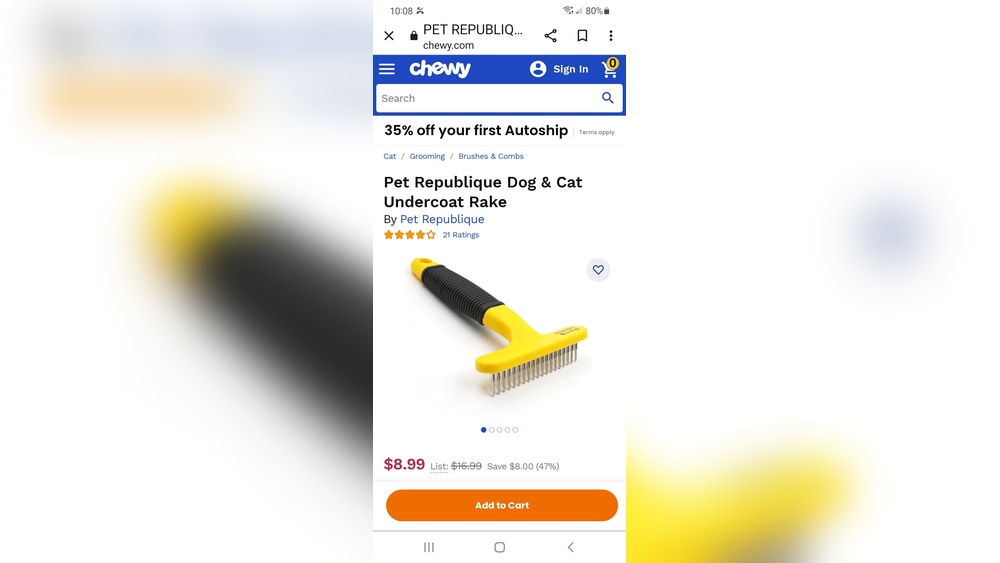
Dog owners know that shedding is a natural part of living with a furry friend. But when hair seems to cover every surface, it can quickly become overwhelming. One tool that promises relief is the deshedding tool—a grooming device designed to remove loose, dead hair from your dog’s undercoat before it falls out in your home. Used correctly, it can make a dramatic difference for both you and your pet. But how often should you actually use a deshedding tool on your dog? The answer isn’t as simple as “once a week” or “every day”—it depends on your dog’s breed, coat type, health, and the season. Let’s dive deep into the details so you can create a grooming schedule that keeps your dog comfortable and your house cleaner.
What Is A Deshedding Tool And How Does It Work?
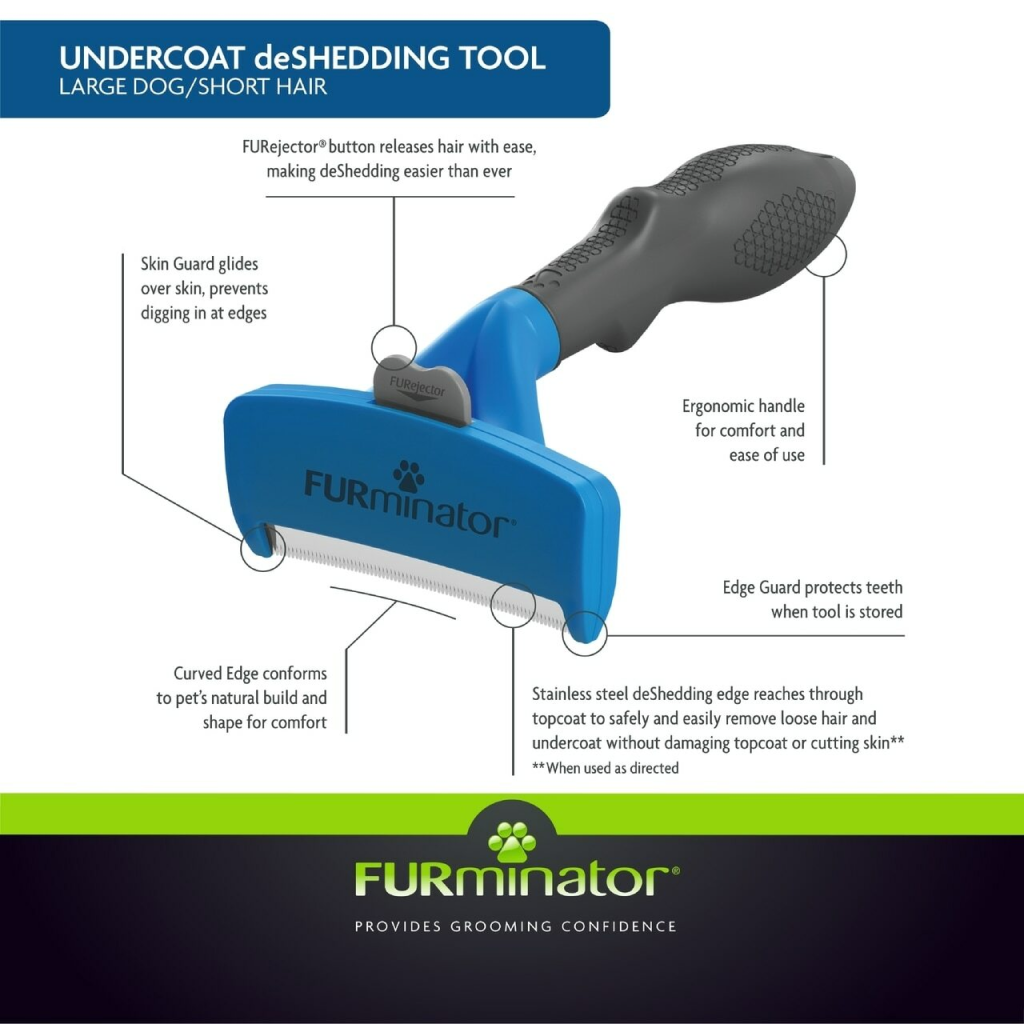
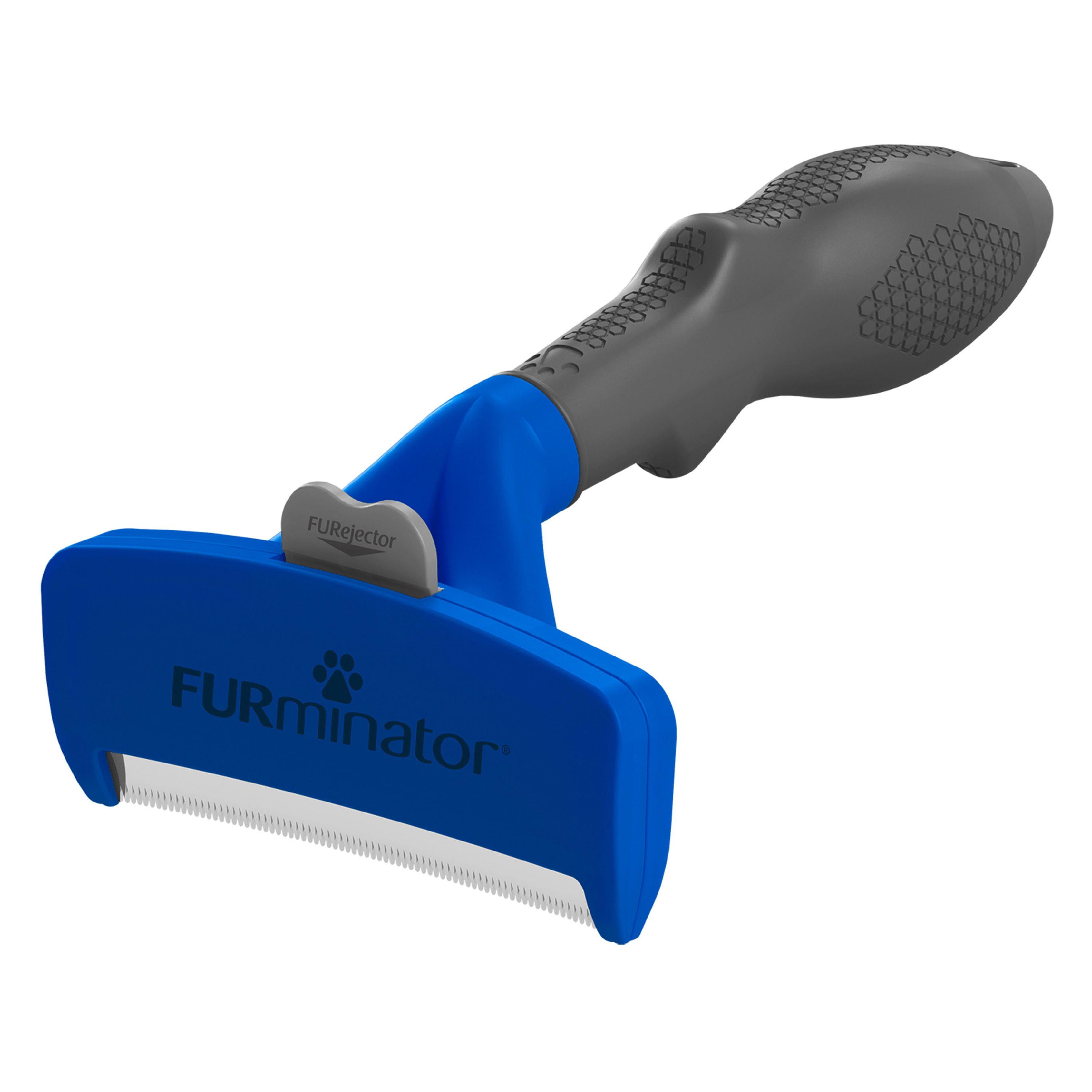
A deshedding tool is a grooming device created specifically to reach deep into a dog’s coat and remove loose undercoat hair without damaging the topcoat. Unlike regular brushes, which mainly work on the surface, deshedding tools have uniquely shaped teeth or blades that can gently pull out hair that is about to be shed. The most popular example is the Furminator, but many brands offer similar products.
The tool is not intended to cut hair but rather to grab and lift dead hair from the undercoat. This reduces the amount of fur that ends up on furniture, clothing, and floors. It also helps prevent mats and tangles, which can be painful for your dog.
Proper use can even improve skin health by allowing air to circulate and distributing natural oils.
Why Dogs Shed: Understanding The Basics
All dogs shed, but the amount and frequency can vary widely. Shedding is a natural process that helps dogs get rid of old or damaged hair. Most dogs shed year-round, but some breeds experience seasonal shedding, especially during spring and fall. This is called “blowing coat,” and it’s when dogs lose much of their undercoat to prepare for changing temperatures.
Breed, age, diet, stress, and overall health all play a role in how much your dog sheds. Long-haired breeds, double-coated breeds, and those bred for cold climates tend to shed more. Short-haired breeds and single-coated dogs usually shed less, but can still leave hair behind.
Knowing why and how your dog sheds is the first step in creating a grooming routine that works.
Credit: www.centinelafeed.com
Factors That Affect Deshedding Frequency
No two dogs are alike, and neither are their grooming needs. The ideal deshedding schedule depends on several factors:
1. Breed And Coat Type
Some breeds have thick, double coats designed for harsh weather. Others have single, fine coats. Here’s how different coat types respond to deshedding:
| Coat Type | Example Breeds | Deshedding Frequency |
|---|---|---|
| Double Coat (Long/Thick) | Golden Retriever, Husky | 1-2 times/week, more during shedding season |
| Single Coat (Short) | Beagle, Boxer | Every 2-3 weeks |
| Curly/Wavy | Poodle, Bichon Frise | Rarely, only as needed |
| Wirehaired | Terriers, Schnauzer | Every 2-4 weeks, check for loose hair |
Double-coated breeds often need more frequent deshedding, especially during spring and fall. Single-coated or curly-haired breeds shed less and may not need a deshedding tool as often.
2. Season
Most dogs shed more in the spring and fall as they adapt to changing temperatures. This is when you’ll see the most hair around your home. During these times, you might need to use the deshedding tool every few days, especially for heavy shedders.
In winter and summer, less frequent use is usually enough.
3. Dog’s Health And Age
Puppies and senior dogs can have more sensitive skin. Dogs with allergies, dry skin, or medical conditions may shed more or less than usual. Always check with your vet before starting a new grooming routine if your dog has health issues.
4. Indoor Vs. Outdoor Living
Dogs who spend more time outdoors often shed more with the seasons, while indoor dogs may shed more evenly throughout the year. Adjust your deshedding schedule based on your dog’s lifestyle.
5. Diet And Nutrition
A healthy diet supports a healthy coat. Poor nutrition can lead to excessive shedding. If you notice a sudden increase in shedding, review your dog’s diet or ask your vet for advice.
Non-obvious insight: Many owners overlook the impact of humidity and climate. Dogs in dry climates may shed differently than those in humid areas, so watch for seasonal changes that affect your home.
How To Use A Deshedding Tool Safely
Using a deshedding tool correctly is just as important as how often you use it. Done right, it can make grooming enjoyable and beneficial for both you and your dog. Done wrong, it can irritate the skin or even damage the coat.
Step-by-step Guide
- Choose the right tool size. Use a tool that matches your dog’s size and coat length.
- Brush out tangles first. Use a slicker brush or comb to remove mats before deshedding.
- Work on a clean, dry coat. Wet fur can clog the tool and pull at the skin.
- Be gentle. Use light pressure. Let the tool do the work—don’t press hard.
- Go with the grain. Always stroke in the direction the hair grows.
- Check skin often. Stop if you see redness or irritation.
- Limit time. Sessions should last 10-20 minutes, depending on dog size and coat density.
Practical Tips For Best Results
- Use treats and praise to help nervous dogs relax.
- Groom outside if possible—deshedding can get messy.
- Clean the tool frequently to keep it working well.
- Don’t use the tool on sensitive areas like the face or belly.
Non-obvious insight: Avoid using a deshedding tool right after a bath when the skin is softer and more prone to irritation. Wait until your dog is completely dry and their skin has recovered.
How Often To Use A Deshedding Tool: Breed-by-breed Recommendations
While general rules are helpful, it’s best to look at some specific breeds and their needs. Here’s a comparison of common breeds and suggested deshedding schedules:
| Breed | Coat Type | Recommended Frequency |
|---|---|---|
| Labrador Retriever | Short Double Coat | Weekly; every 2-3 days during shedding season |
| German Shepherd | Medium Double Coat | Weekly; every 2-3 days during spring/fall |
| Golden Retriever | Long Double Coat | 1-2 times/week; every other day during peak shedding |
| Beagle | Short Single Coat | Every 2-3 weeks; weekly during heavy shedding |
| Poodle | Curly Single Coat | Rarely; only if undercoat is present |
| Siberian Husky | Thick Double Coat | 1-2 times/week; every other day during coat blow |
| Shih Tzu | Long Single Coat | Every 2-3 weeks; more if matting occurs |
These guidelines can be adjusted based on your own dog’s needs. If you notice a lot of loose hair or clumps, increase frequency. If your dog’s skin becomes irritated, reduce how often you use the tool.
Signs You’re Over-deshedding (and What To Do About It)
More is not always better. Too much deshedding can cause problems. Watch for these signs:
- Red, irritated skin
- Bald spots or thinning hair
- Your dog seems uncomfortable during grooming
- Dryness or flaky skin after sessions
If you see these issues, reduce the frequency or check your technique. Give your dog’s skin time to heal before the next session. You may also want to switch to a gentler grooming tool or consult your vet.
The Science Behind Deshedding: Does It Really Help?
Studies show that regular grooming, especially with the right tools, can reduce shedding and improve coat health. By removing loose hair before it falls out, you keep your home cleaner and your dog more comfortable.
In one survey, owners who used a deshedding tool weekly reported up to 90% less hair on floors and furniture during peak shedding seasons. However, results depend on the dog’s coat, health, and how consistently the tool is used.
Deshedding also stimulates the skin and helps distribute natural oils, which keep the coat shiny and healthy. This can reduce dander and allergens, making life easier for people with allergies.
What If My Dog Hates Being Deshedded?
Some dogs dislike grooming, especially if they’ve had a bad experience before. Here’s how to make deshedding more enjoyable:
- Start with short sessions and build up slowly.
- Pair grooming with positive things (treats, petting, playtime).
- Use a soft brush first, then switch to the deshedding tool.
- Keep sessions calm—never rush or force your dog.
If your dog is still anxious, try a different tool or ask a professional groomer for help.
Non-obvious insight: Dogs with thin or sensitive skin (like Greyhounds or Whippets) may dislike the sensation of metal teeth. For these breeds, use a rubber curry brush or grooming glove instead.
Comparing Deshedding Tools To Other Grooming Tools
Not all grooming tools are the same. Here’s how deshedding tools stack up against other common brushes:
| Tool Type | Best For | Key Benefit | Drawback |
|---|---|---|---|
| Deshedding Tool | Double-coated, heavy shedders | Removes undercoat hair efficiently | Can irritate skin if overused |
| Slicker Brush | Long, curly, or wavy coats | Removes tangles and surface hair | Does not reach undercoat well |
| Bristle Brush | Short, smooth coats | Polishes and spreads oils | Minimal deshedding effect |
| Rubber Curry Brush | Short-haired, sensitive dogs | Gentle massage, removes surface hair | Not suitable for thick undercoats |
If you’re unsure which tool to choose, ask your vet or groomer for advice. Using the wrong tool can make grooming less effective or even uncomfortable for your dog.
Common Mistakes When Deshedding Dogs
Grooming seems simple, but many owners make mistakes that can harm their dog’s skin or make shedding worse. Avoid these errors:
- Using too much pressure. Let the tool do the work—never press hard.
- Deshedding dirty or wet fur. Clean, dry coats are best.
- Ignoring mats and tangles. Remove these first with a comb or slicker brush.
- Grooming the same spot repeatedly. This can cause soreness.
- Skipping sensitive areas. Avoid the face, ears, and belly.
Non-obvious insight: Skipping regular brushing between deshedding sessions can lead to mats that the deshedding tool can’t fix. Always keep up with basic brushing in addition to using your deshedding tool.
How To Tell If Your Dog Needs More Or Less Deshedding
Every dog is different. Here’s how to adjust your routine:
- If you see tufts of loose hair after grooming, increase frequency.
- If your dog’s skin is red or flaky, cut back or use a gentler tool.
- Watch for seasonal changes—increase grooming during shedding seasons.
Remember, your dog’s comfort is the best guide. Some trial and error is normal at first.
When To See A Vet About Excessive Shedding
While most shedding is normal, sudden or severe hair loss can signal a health problem. Watch for:
- Bald patches
- Open sores or scabs
- Itching, licking, or biting
- Changes in skin color or texture
These can point to allergies, infections, parasites, or hormonal imbalances. If you’re concerned, consult your veterinarian. Don’t try to “fix” medical shedding with more grooming alone.
For more on skin and coat health, check resources like the American Veterinary Medical Association.
Professional Grooming Vs. At-home Deshedding
Some dogs need expert help, especially those with very thick or high-maintenance coats. Professional groomers have special tools and experience to remove large amounts of undercoat safely. They can also spot skin problems early.
When Should You See A Pro?
- If your dog has severe mats or tangles you can’t handle.
- If your dog is anxious or aggressive during grooming.
- If you don’t have time or physical ability to groom regularly.
Many owners combine at-home care with occasional professional grooming for the best results.
How To Make Deshedding Part Of Your Routine
Consistency is key. Here’s how to build a habit:
- Set a reminder on your phone or calendar.
- Keep your grooming tools in a handy spot.
- Make grooming a positive time—use praise, treats, or play.
- Track your dog’s shedding patterns. Adjust as needed.
If you have multiple dogs, set up a rotation so each one gets regular care.
Deshedding For Puppies And Senior Dogs
Young and old dogs need special care.
Puppies: Their skin is delicate, and their coats are still developing. Use a very gentle tool and limit sessions to a few minutes.
Senior dogs: Older dogs may have thin skin or arthritis, making grooming uncomfortable. Choose a soft tool and be extra gentle.
Always watch for signs of discomfort and adjust your technique or frequency as needed.
Eco-friendly Ways To Deal With Shed Hair
Deshedding creates a lot of loose hair. Instead of throwing it away, consider these options:
- Compost the hair—dog hair breaks down and adds nutrients to garden soil.
- Use it to line bird nests (place small amounts outside).
- Donate to local fiber artists who spin pet hair into yarn.
Disposing of hair responsibly helps reduce waste.

Credit: www.meijer.com
Final Thoughts: Creating A Deshedding Plan That Works
Every dog and owner is unique. The right deshedding schedule depends on your dog’s breed, health, and lifestyle. Most dogs benefit from weekly sessions, with more frequent grooming during heavy shedding times. Always use the tool gently, watch for skin irritation, and adjust as needed.
Remember, grooming is about more than just cleaning up hair. It’s a chance to bond with your dog, check their health, and keep them comfortable. With patience, the right tools, and a little practice, you’ll find a routine that works for both of you.
Frequently Asked Questions
How Often Should I Use A Deshedding Tool On My Labrador Retriever?
For most Labrador Retrievers, use a deshedding tool once a week during normal times. Increase to every 2–3 days during spring and fall, when shedding is heaviest. Adjust based on your dog’s coat condition and tolerance.
Can I Overuse A Deshedding Tool?
Yes. Overusing a deshedding tool can cause skin irritation, redness, or even bald spots. Always use gentle pressure and limit sessions to 10–20 minutes. If you notice any irritation, decrease frequency and let your dog’s skin recover.
Are Deshedding Tools Safe For All Dog Breeds?
Not all breeds need or benefit from deshedding tools. Double-coated breeds like Huskies and Golden Retrievers respond well. Curly-coated or hairless breeds usually do not need deshedding and may be irritated by the tool. Always match the tool to your dog’s coat type.
When Is The Best Time To Deshed My Dog?
The best time is when your dog is clean, dry, and relaxed. Avoid deshedding right after a bath or when the skin is sensitive. Grooming after exercise or playtime, when your dog is tired, can also make sessions easier.
What Should I Do If My Dog Doesn’t Like Being Deshedded?
Start with short, positive sessions and use treats or praise. Try a softer brush before the deshedding tool. If your dog continues to resist, consult a professional groomer or your vet for tips on making grooming less stressful.
Credit: www.furminator.com