
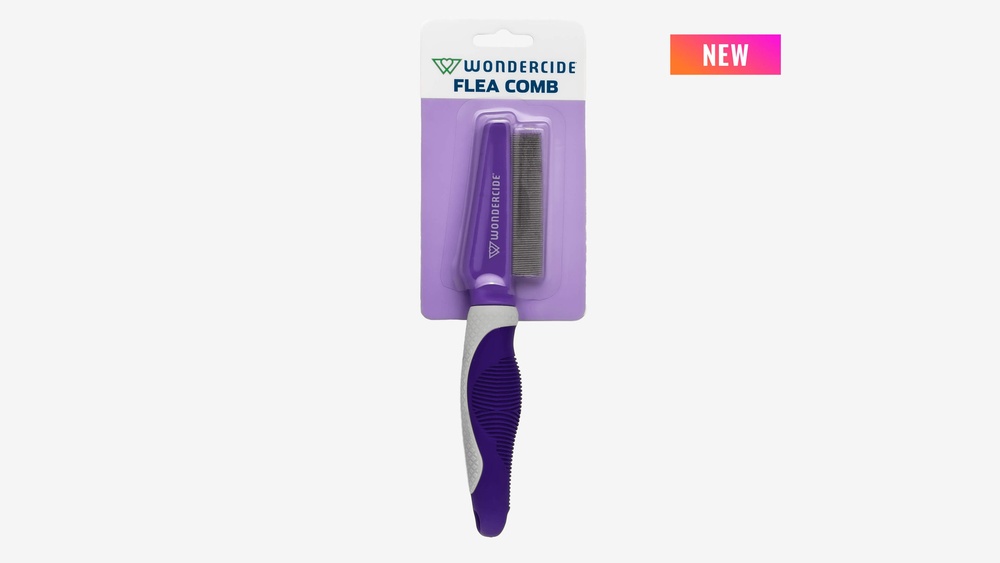
Many pet owners worry about their dog’s comfort after flea treatment. Fleas are not only annoying but can cause health problems for your dog, from skin irritation to more serious infections. Flea treatments are the first step to relief, but what about grooming afterward? One common question is: can you safely comb your dog after a flea treatment, and if so, when and how should you do it?
This article explores everything you need to know about combing your dog after flea treatment. We’ll look at different treatment types, timing, safety, and grooming strategies that keep your dog both flea-free and comfortable. Whether you’re a first-time dog owner or have years of experience, you’ll find practical advice here, plus answers to questions owners often miss.
Why Grooming Matters After Flea Treatment
Grooming plays a key role in your dog’s health, especially after battling fleas. Fleas can leave behind eggs, dirt, and even cause skin wounds. Combing helps remove these remnants and checks if the treatment worked.
Grooming after flea treatment also lets you spot any reactions to the medication, like redness or hair loss, early on. But it’s important to approach post-treatment grooming with care, as the dog’s skin may be sensitive.
Some owners believe once the treatment is done, fleas are no longer a concern. However, combing can actually reveal if the problem is fully solved or if there are still fleas or eggs present.
Understanding Different Flea Treatments
Before you reach for the comb, it’s important to know what type of flea treatment your dog received. Each type works differently, and the timing for safe combing changes based on the product.
Spot-on Treatments
Spot-on flea treatments are applied directly to the dog’s skin, often between the shoulder blades. These are popular for their effectiveness and convenience.
- Usually, these treatments need time to absorb—generally 24 to 48 hours.
- Combing too soon can remove or spread the medication, making it less effective.
- Dogs should not be bathed or groomed until the product has fully dried.
Oral Medications
Oral flea medications are pills or chewables given by mouth. They work from inside the dog’s body to kill fleas.
- There’s no medication on the skin or fur, so combing is usually safe soon after dosing.
- You can comb your dog within a few hours of giving the pill, as these products don’t coat the skin.
Flea Collars
Flea collars release chemicals over time that spread through your dog’s skin oils.
- Combing is generally safe, but avoid tugging near the collar.
- Some collars take a few days to become effective, so combing may help remove existing fleas during this period.
Shampoos And Sprays
Flea shampoos and sprays kill fleas on contact and are rinsed or left on the coat.
- Wait until your dog is fully dry after a bath or spray before combing.
- Some sprays may leave a residue; check the product instructions.
Comparison Of Flea Treatment Types And Grooming Timing
Here’s a quick comparison to help you decide when to safely comb your dog based on treatment type:
| Flea Treatment Type | When to Comb Safely | Special Considerations |
|---|---|---|
| Spot-On | After 24-48 hours | Wait for the product to dry/absorb |
| Oral Medication | After a few hours | No residue on skin/fur |
| Flea Collar | Immediately, with care | Avoid pulling near the collar |
| Shampoo/Spray | After dog is dry | Check for product residue |
When Can You Safely Comb Your Dog?
The most important rule: wait until the treatment is dry and absorbed. For spot-on treatments, this means holding off for 24 to 48 hours. If you comb your dog too soon, you can remove some of the medication, making it less effective. For oral medications, there’s no need to wait—combing won’t interfere with the treatment.
If your dog had a flea bath, let their fur dry completely before using a comb. Wet fur is more fragile and can break. Plus, combing through wet fur is uncomfortable for most dogs.
Pay close attention to your dog’s skin after treatment. If you see redness, bumps, or your dog seems itchy, wait a bit longer before combing and watch for any allergic reactions.
How To Comb Your Dog After Flea Treatment
Proper combing is more than just running a brush through your dog’s fur. Here’s how to do it safely and effectively:
- Choose the right comb: Use a flea comb with fine, closely spaced teeth. This design catches fleas, eggs, and dirt.
- Work gently: Dogs’ skin can be sensitive after treatment. Comb slowly and don’t pull.
- Start at the head: Begin around the neck and ears, then move down the back, sides, belly, and legs.
- Check the comb after each stroke: Wipe it with a damp white paper towel. Flea dirt (dried blood) will leave reddish marks.
- Dispose of fleas properly: Drop any caught fleas into soapy water to kill them.
- Watch your dog’s reaction: If your dog seems uncomfortable or you see irritation, stop and check the skin.
Grooming should be a bonding activity. Use treats and calm praise to help your dog relax during the process.
What To Expect During And After Combing
You might find dead fleas, eggs, or flea dirt in your dog’s coat even after treatment. This is normal—the treatment kills fleas, but combing helps remove their remains. Some dogs may still scratch for a few days as their skin heals.
If you find live fleas after a few days, it could mean the infestation was heavy or the treatment hasn’t fully worked yet. Continue to comb daily and check with your vet if the problem continues.
Common Mistakes To Avoid
Even experienced dog owners can make mistakes after flea treatment. Here are some to avoid:
- Combing too soon after spot-on treatment: This can reduce effectiveness.
- Bathing your dog immediately after treatment: Most treatments need 24-48 hours to absorb.
- Using the wrong comb: Regular brushes won’t catch fleas or eggs.
- Missing sensitive areas: Fleas like the neck, base of the tail, and belly.
- Not checking the comb for fleas/dirt: You won’t know if the treatment is working.
- Ignoring skin reactions: Combing irritated skin can make things worse.
Why Flea Combing Is Still Necessary After Treatment
Some owners wonder if combing is needed at all after modern flea treatments. The answer is yes, especially for heavy infestations or dogs with sensitive skin.
Flea combing offers several benefits:
- Removes dead fleas and eggs: Even the best treatments don’t always remove debris.
- Soothes itchy skin: Regular combing can remove irritants.
- Monitors progress: Lets you see if the treatment is working.
- Reduces reinfestation risk: Catches fleas that might have survived.
- Builds trust: Gentle grooming reassures your dog.
How Often Should You Comb After Treatment?
After flea treatment, daily combing is best for the first week, especially if your dog had a heavy infestation. This helps remove dead fleas and dirt, and checks for any survivors.
After the first week, you can reduce combing to 2-3 times a week. Dogs with long or thick fur might need more frequent grooming. Consistent combing also helps detect new flea problems early.
Credit: www.pawlicy.com
Choosing The Best Flea Comb
Not all flea combs are created equal. Here’s what to look for:
- Fine, closely spaced teeth: Essential for catching fleas and eggs.
- Comfortable handle: Makes grooming easier for you.
- Sturdy construction: Cheap combs can break or scratch the skin.
- Easy to clean: Flea combs need frequent washing.
Here’s a quick comparison of popular flea comb features:
| Comb Feature | Benefit | Drawback |
|---|---|---|
| Metal Teeth | Durable, catches fleas well | Can be sharp if poor quality |
| Plastic Teeth | Gentle on skin | Less effective for thick fur |
| Ergonomic Handle | More comfortable grip | Usually costs more |
| Double-Sided | Different tooth widths for various coat types | Can be bulky |
Investing in a quality flea comb makes the process easier and more effective, especially for regular grooming.
Signs That Flea Treatment Is Working
As you comb your dog, look for these signs that the flea treatment is doing its job:
- Fewer live fleas each day: You should see fewer moving fleas as the days go by.
- More dead fleas or flea dirt: This means the product is killing fleas.
- Less scratching/biting: Your dog should seem more comfortable within a few days.
- Healthier skin and coat: Healing of red or sore spots over time.
If you don’t see these improvements after a week, contact your veterinarian. Some flea populations are resistant to certain products.
What If You Still Find Fleas After Combing?
If you’re still finding live fleas after a week, don’t panic. Flea eggs and pupae can survive in your home and re-infest your dog even after treatment.
Here’s what to do:
- Continue daily combing: This removes new fleas before they lay eggs.
- Vacuum your home regularly: Focus on carpets, bedding, and furniture.
- Wash pet bedding and toys: Use hot water to kill fleas and eggs.
- Check other pets: Treat all pets in the home at the same time.
- Consult your vet: If the problem continues, you may need a different product or a professional pest treatment.
Remember, full flea eradication can take several weeks, especially in severe infestations.
How To Make Combing A Positive Experience
Some dogs don’t like being combed, especially if they’ve had a bad flea problem. Here’s how to make the process less stressful:
- Start with short sessions: Even a few minutes helps build trust.
- Use treats and praise: Reward calm behavior.
- Choose a calm location: Avoid noisy or busy areas.
- Be gentle: Sensitive skin needs a soft touch.
- Watch for signs of stress: If your dog pulls away or growls, give them a break.
With patience, most dogs learn to enjoy grooming time.
When To Seek Veterinary Help
While most dogs do fine after flea treatment, some need extra care. See your veterinarian if:
- Skin looks red, swollen, or blistered
- Dog is scratching, biting, or licking more than before
- Signs of an allergic reaction appear (swelling, hives, trouble breathing)
- Flea infestation doesn’t improve after 2 weeks
- Dog acts sick (lethargy, vomiting, loss of appetite)
A vet can check for other problems like skin infections or recommend different flea products if needed.
Flea Control: The Bigger Picture
Combing and treating your dog is only one part of flea control. Fleas spend most of their life in the environment—not on your dog. That’s why it’s important to clean your home as well.
- Vacuum daily: Flea eggs and larvae hide in carpet fibers and cracks.
- Wash bedding weekly: Hot water kills fleas in all stages.
- Treat your yard: Fleas can live in grass and soil.
- Treat all pets: Dogs, cats, and even small mammals should be protected.
Consistent cleaning and prevention break the flea life cycle, making future infestations less likely.
Natural Vs. Chemical Flea Treatments
Many owners ask about natural flea treatments as an alternative to chemicals. Some natural products (like certain essential oils) can help repel fleas, but they are usually less effective than prescription or over-the-counter products.
- Natural products: Safer for sensitive dogs, but need more frequent application.
- Chemical products: Kill fleas quickly and last longer, but some dogs may react.
Consult your veterinarian before using any new product, especially natural remedies. Some oils and herbs are toxic to dogs.
How Flea Treatments Work
Understanding how different flea treatments kill fleas can help you decide when and how to groom your dog.
- Spot-on and collars: Spread chemicals through the skin’s oil layer, killing fleas on contact.
- Oral medications: Work from inside out—fleas die when they bite the dog.
- Shampoos and sprays: Kill fleas on the surface but have little long-term effect.
Knowing this helps you avoid washing away or interfering with the treatment’s action.
Credit: vitapet.com
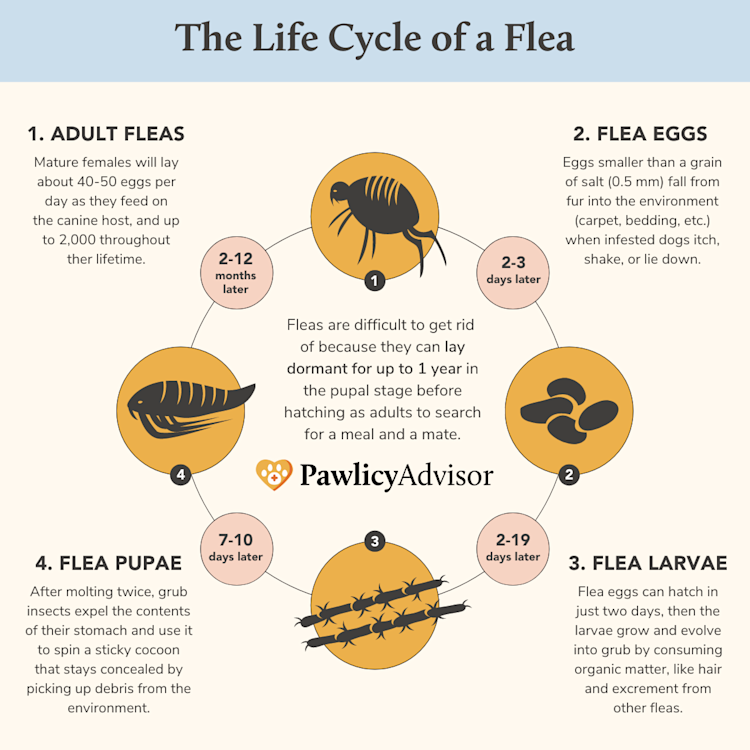
Flea Life Cycle: Why Fleas Return
Even after treatment, you might see fleas on your dog. This is because of the flea life cycle:
- Eggs: Fall off the dog into the environment.
- Larvae: Hide in carpets, bedding, and cracks.
- Pupae: Can stay dormant for weeks before hatching.
- Adults: Jump onto pets to feed and lay eggs.
Most treatments kill adult fleas, but eggs and larvae in your home can keep hatching. That’s why repeated combing and cleaning are key.
The Science Behind Flea Combs
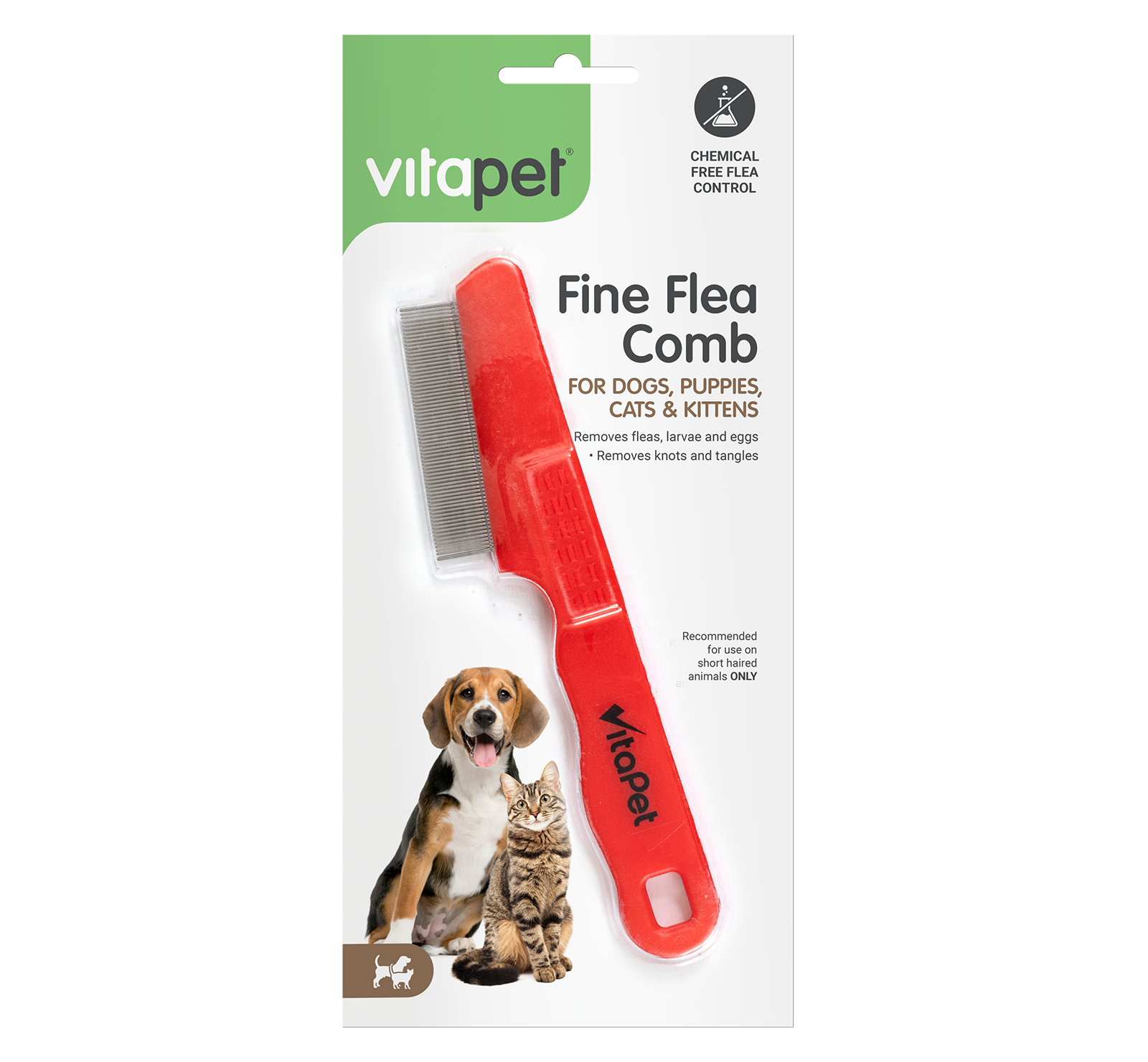
Flea combs are simple but effective tools. Their fine teeth are designed to trap adult fleas, eggs, and flea dirt. Unlike regular brushes, they reach down to the skin, where fleas hide.
A 2018 study found that flea combs removed up to 90% of adult fleas when used daily alongside chemical treatments. However, they are less effective on thick or curly coats unless used carefully section by section.
Real-world Example: Combing After Spot-on Treatment
Let’s say your dog received a spot-on treatment at noon on Monday. Here’s how you might plan grooming:
- Monday: No combing, let the product dry.
- Tuesday: Still wait if the area feels damp.
- Wednesday: Begin combing gently, checking for fleas and dirt.
- Rest of the week: Comb daily, especially after walks or playtime.
If you notice any skin reactions, hold off and call your vet.
Pros And Cons Of Combing After Flea Treatment
Here’s a summary to help you decide how and when to comb:
| Pros | Cons |
|---|---|
| Removes dead fleas and dirt | Can irritate sensitive skin if done too soon |
| Checks if treatment is working | Time-consuming for long-haired breeds |
| Helps soothe itching | Requires patience and gentle technique |
| Reduces reinfestation risk | May be stressful for nervous dogs |
| Builds bonding time | Can remove some treatment if done too early |
The benefits usually outweigh the drawbacks, especially if you wait until it’s safe to groom.
Additional Tips For Success
- Read all instructions: Each flea product is different. Check the package for guidance on bathing and grooming.
- Trim long hair: For heavy infestations, consider a short trim to make combing easier.
- Disinfect tools: Clean your comb after each use with hot, soapy water.
- Stay consistent: Skipping days can let fleas get a foothold again.
- Protect yourself: Wear gloves if you have sensitive skin or open cuts.
Common Myths About Combing After Flea Treatment
Let’s clear up a few misunderstandings:
- “Combing is enough to get rid of fleas.” False. Combing helps but doesn’t kill all fleas or eggs.
- “You can comb right after treatment.” Not always. Wait until the product is dry or absorbed.
- “If you see no fleas, the problem is gone.” Flea eggs can hatch weeks later.
- “Flea dirt means the treatment failed.” Not necessarily; it can be leftover debris from dead fleas.

Credit: www.ebay.com
Supporting Your Dog’s Skin Recovery
Flea bites can leave your dog’s skin sore or scabby. After treatment, support healing with:
- Oatmeal baths (after waiting period): Soothes itchy skin.
- Moisturizers for dogs: Ask your vet before applying anything.
- Supplements: Omega-3s may help improve coat health.
- Regular checks: Look for signs of infection or slow healing.
When Not To Comb Your Dog
There are rare situations when you should skip combing:
- Severe skin reactions: Wait until the skin heals or your vet gives the okay.
- Open wounds or sores: Combing can worsen these areas.
- Aggressive or stressed dogs: Try desensitization first or ask a professional groomer for help.
Your dog’s safety and comfort come first.
Frequently Asked Questions
How Long After Flea Treatment Can I Comb My Dog?
Most spot-on treatments require a wait of 24 to 48 hours before combing to avoid removing the medication. For oral medications, combing is usually safe within a few hours. Always check the instructions on your specific product.
Can Combing Remove Flea Treatment?
Combing right after applying a spot-on treatment can remove some of the medication from the skin and fur, reducing its effectiveness. That’s why it’s best to wait until the product is fully dry and absorbed.
Is It Normal To See Fleas After Treatment?
Yes. Flea treatments kill adult fleas but don’t stop new ones from hatching immediately. You may see fleas for several days as the product works. Regular combing helps remove dead fleas and eggs.
What Should I Do If My Dog’s Skin Is Irritated After Treatment?
If you notice redness, swelling, or sores, wait before combing and consult your veterinarian. Some dogs react to flea products and need alternative treatments or additional care.
Do I Need To Treat My Home If I’m Combing My Dog?
Yes. Most fleas live in your home, not just on your dog. Regular vacuuming, washing bedding, and treating all pets are essential for full flea control. For more details, visit the EPA’s guide to flea control.
Caring for a dog after flea treatment involves more than just waiting for results. With the right timing, careful combing, and a holistic approach to flea control, you’ll help your dog recover faster and keep your home pest-free. Your dog will thank you for the comfort—and you’ll have peace of mind knowing you’re doing things right.