
Shedding is part of life with most dogs. Some breeds drop fur all year, while others lose it in bursts. Either way, cleaning up fur can feel endless—unless you know how to brush your shedding dog properly. The good news is, brushing is not just about keeping your home tidy.
It also keeps your dog’s coat healthy, skin comfortable, and strengthens your bond. But to do it right, you need the right tools, timing, and technique. This guide explains everything you need to know—even the details most owners miss. By the end, you’ll handle shedding season with confidence and help your dog look and feel their best.
Why Dogs Shed
Shedding is a natural process for most dogs. Old or damaged hair falls out, making way for new growth. The amount and timing of shedding depend on a few key factors:
- Breed: Double-coated breeds like Huskies, Golden Retrievers, and German Shepherds shed a lot, especially when seasons change.
- Climate: Dogs in warmer climates may shed more evenly through the year, while those in colder places shed heavily in spring and fall.
- Health: Nutrition, hormones, and stress can all affect how much your dog sheds.
Some owners worry when they see piles of fur, but for most dogs, shedding is normal. What matters is knowing when it’s too much (like bald spots or irritated skin) and learning how to manage it with regular brushing.
Benefits Of Brushing A Shedding Dog
Brushing is about more than just reducing fur on your floors. Here’s why making it a regular habit matters:
- Removes Loose Hair: The most obvious benefit—less fur on furniture, clothes, and everywhere else.
- Prevents Mats and Tangles: Loose undercoat can clump together, forming painful mats. Brushing breaks them up before they get bad.
- Distributes Skin Oils: Brushing spreads natural oils, which keeps the coat shiny and the skin healthy.
- Checks for Problems: As you brush, you’ll notice lumps, cuts, or parasites early.
- Strengthens Bond: Many dogs love the gentle attention, making brushing a positive daily routine.
A less obvious benefit: regular brushing can help reduce doggy odor. Dead hair traps dirt and oils that cause smells. Removing it keeps your dog fresher between baths.
Credit: www.whole-dog-journal.com
Understanding Different Coat Types
Not all dogs shed the same way. The right brushing method depends on your dog’s coat. Here’s a quick overview:
| Coat Type | Examples | Shedding Level | Best Brush Type |
|---|---|---|---|
| Short, Smooth | Beagle, Boxer | Low to Moderate | Bristle brush, grooming glove |
| Double Coat | Husky, Golden Retriever | High | Undercoat rake, slicker brush |
| Long, Silky | Yorkshire Terrier, Afghan Hound | Moderate | Pin brush, comb |
| Curly/Wooly | Poodle, Bichon Frise | Low (if trimmed) | Comb, slicker brush |
| Wire/Harsh | Wire Fox Terrier, Schnauzer | Low to Moderate | Slicker brush, stripping tool |
Knowing your dog’s coat type helps you pick the right tools and methods. For example, a slicker brush works wonders on tangles in long fur, but can scratch short-haired breeds.
Essential Tools For Brushing A Shedding Dog
The right brush makes all the difference. Here’s what you might need:
Brushes And Combs
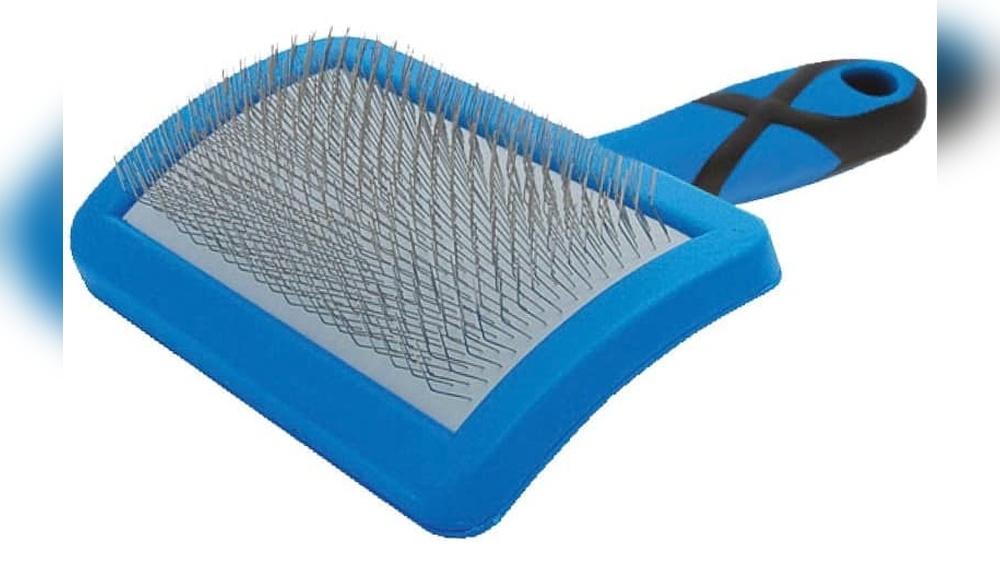
- Slicker brush: Fine, short wires on a flat surface. Great for removing loose hair and tackling mats.
- Undercoat rake: Wide-set teeth reach the soft undercoat in double-coated breeds.
- Pin brush: Looks like a human hairbrush, gentle for long, fine fur.
- Bristle brush: Tightly packed bristles, good for smooth or short coats.
- Grooming glove: Fits on your hand, perfect for sensitive dogs or quick sessions.
- Metal comb: For detail work, checking for tangles behind ears and legs.
Deshedding Tools
- Shedding blade: Loops of metal that grab loose hair (best for short, dense coats).
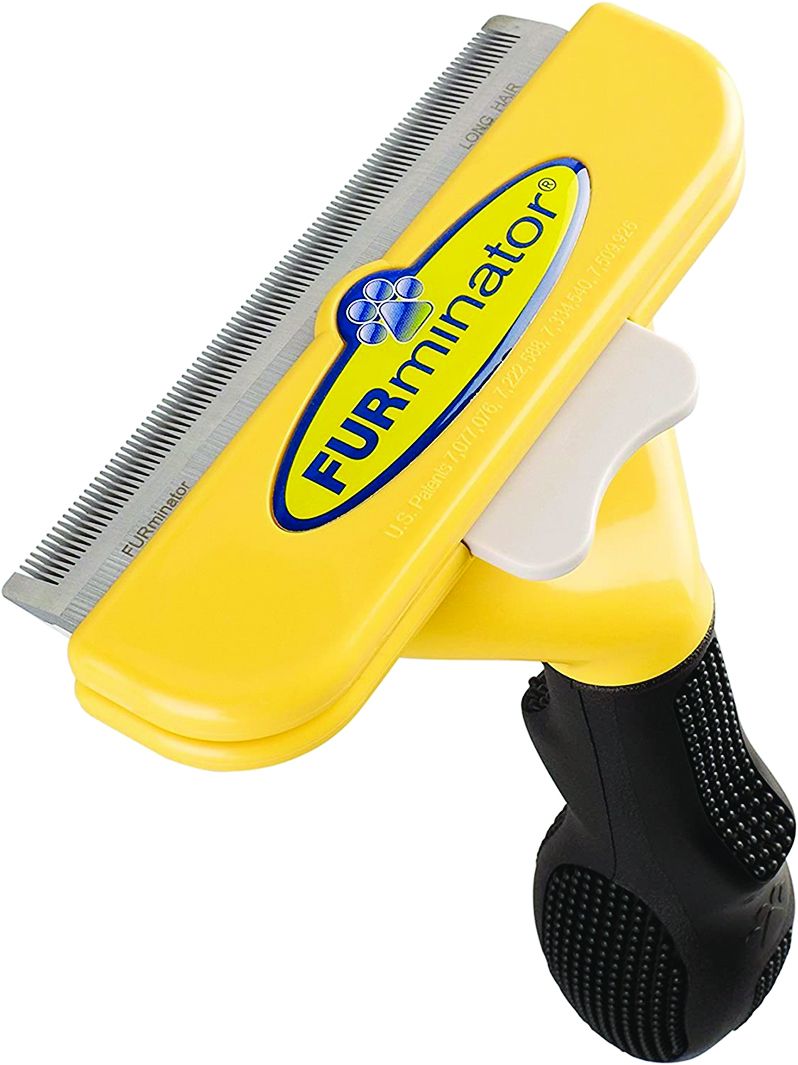
- Deshedding tool (like Furminator): Special teeth that pull out loose undercoat without cutting skin or topcoat.
Extras
- Mat splitter: Safely cuts out tight knots if you miss a brushing session.
- Spray bottle: A light mist of water helps control static and keeps hair from flying.
Not every dog needs every tool. Start with one or two, see what works, and adjust as needed. Always check that brushes are in good shape—broken pins or sharp edges can hurt your dog.
How Often Should You Brush A Shedding Dog?
Frequency depends on breed, coat type, and season. Here’s a general guide:
| Coat Type | Brushing Frequency | Seasonal Adjustments |
|---|---|---|
| Short, Smooth | Once a week | Twice a week during shedding season |
| Double Coat | 2–3 times a week | Daily during heavy shedding (spring/fall) |
| Long, Silky | Every other day | Daily if mat-prone or shedding heavily |
| Curly/Wooly | Every 3–4 days | Same, but more often if shedding increases |
| Wire/Harsh | Weekly | Twice a week in shedding season |
A common mistake is waiting for fur to pile up before brushing. Frequent, shorter sessions are easier on both you and your dog.
Step-by-step Guide: How To Brush A Shedding Dog
Brushing may seem simple, but there’s a right way that makes a big difference. Here’s how to brush your shedding dog, step by step.
1. Prepare The Area
Pick a place that’s easy to clean. Outdoors is best if weather allows. Otherwise, lay down an old sheet or towel indoors. Have treats handy for positive reinforcement.
2. Check For Mats And Tangles
Before brushing, run your fingers through your dog’s coat. If you find mats, use a comb or mat splitter to gently loosen them. Never yank—this hurts and makes brushing stressful. For tight mats, hold the fur close to the skin and gently work them apart.
3. Choose The Right Brush
Pick the brush that suits your dog’s coat. For thick undercoats, start with an undercoat rake. For long or fine hair, try a pin brush. Use a slicker brush for tough tangles.
4. Start Brushing
Begin at the neck and work back toward the tail. Always brush in the direction of hair growth. Use gentle, even strokes—never press too hard. For double-coated dogs, start with an undercoat rake to pull out loose underfur, then finish with a slicker or bristle brush to smooth the topcoat.
5. Focus On High-shedding Areas
Pay special attention to:
- Behind the ears
- Under the collar
- The “pants” (back of the thighs)
- Chest and belly
These spots collect more loose hair and are prone to mats.
6. Check Your Progress
Every few minutes, stop and remove hair from the brush. This keeps it working well and shows how much fur you’re removing. If your dog gets restless, pause for a treat or break.
7. Finish Up
Once you’ve brushed the whole dog, do a final check for missed tangles. Wipe down your dog with a damp cloth or grooming wipe to catch loose hairs left on the surface.
8. Reward Your Dog
Give lots of praise and a treat. The goal is to make brushing a positive experience, so your dog will look forward to it.
Common Brushing Mistakes (and How To Avoid Them)
Even experienced owners make mistakes. Here are some things to watch out for:
- Brushing too hard: Pushing down hurts your dog’s skin and can cause brush burn. Use light pressure—let the tool do the work.
- Ignoring mats: Mats get worse over time. Always check and gently detangle before brushing.
- Using the wrong brush: The wrong tool won’t remove undercoat and might irritate the skin. Match your brush to the coat.
- Brushing too little: Skipping sessions lets loose hair and mats build up. Frequent brushing is easier and better for your dog.
- Rushing the process: Moving too quickly can pull on hair and make your dog nervous. Slow, calm strokes work best.
- Forgetting sensitive areas: Spots like armpits, belly, and behind the ears need gentle attention but are often missed.
- Brushing only when shedding is heavy: Regular brushing year-round prevents big messes when shedding peaks.
A less obvious mistake: not checking the brush for damage. Bent pins or sharp edges can scratch skin. Inspect tools before each session.
Tips For Brushing Different Coat Types
Every coat is different. Here’s how to get the best results for your dog’s fur:
Double-coated Breeds
Use an undercoat rake to reach the dense underfur, then follow with a slicker brush. These breeds “blow coat” (shed heavily) in spring and fall. Daily brushing during these times is key.
Short-haired Breeds
A grooming glove or rubber curry brush lifts loose hair without irritating sensitive skin. Short, regular sessions work best.
Long-haired Breeds
Start with a wide-tooth comb to remove tangles, then use a pin brush. Work in small sections. Finish with a slicker brush for shine.
Curly Or Wooly Coats
Use a comb to check for mats first. A slicker brush helps remove loose hair. These coats shed less, but mat easily.
Wire-coated Breeds
Slicker brushes or stripping tools remove dead hair. These coats need less frequent brushing, but regular “stripping” (removing old hair by hand or tool) to stay healthy.
When To Seek Professional Help
Some situations call for a pro:
- Severe matting that can’t be detangled safely
- Excessive shedding with bald patches or irritated skin
- Medical issues like fleas, ticks, or rashes discovered during brushing
- Nervous or aggressive dogs that resist home grooming
Professional groomers have special tools and experience. If you’re unsure, ask your vet or groomer for advice.
Reducing Shedding Between Brushing Sessions
Brushing handles most loose hair, but a few extra steps can keep shedding under control:
- Feed a balanced diet: High-quality food with plenty of omega-3 and 6 fatty acids supports healthy skin and fur.
- Bathe as needed: Regular baths (every 4–8 weeks) loosen dead hair. Use a gentle, dog-safe shampoo.
- Control parasites: Fleas and ticks cause scratching, which increases shedding. Use preventive treatments as recommended by your vet.
- Manage stress: Stress can trigger extra shedding. Keep routines stable and provide plenty of exercise.
- Keep your home clean: Vacuum regularly and use lint rollers on furniture. Air purifiers help capture airborne fur.
A less obvious tip: Humidity matters. Dry indoor air can make skin flaky and increase shedding. Using a humidifier in winter may help.
What To Do With All That Fur
After a good brushing, you’ll have a pile of fur. Here are some creative ways to use or dispose of it:
- Compost: Dog hair breaks down in compost and adds nitrogen.
- Bird nests: Place fur outside in spring—birds love it for nest building.
- Crafts: Some people spin dog fur into yarn. (Not for everyone, but it’s possible!)
- Dispose: Seal in a bag and toss in the trash if you’re allergic or just want it gone.
Never flush dog hair or put large amounts down the drain—it clogs pipes.
Comparing Popular Deshedding Tools
Not sure which tool is best? Here’s a quick comparison of top deshedding options:
| Tool | Best For | Pros | Cons |
|---|---|---|---|
| Undercoat Rake | Thick, double coats | Reaches deep fur, easy to use | Can miss fine surface hair |
| Slicker Brush | All coat types (except very short) | Great for mats, versatile | Can scratch sensitive skin |
| Deshedding Tool (Furminator) | Heavy shedders, double coats | Removes lots of undercoat quickly | Expensive, can cut topcoat if used wrong |
| Grooming Glove | Short-haired, nervous dogs | Gentle, doubles as petting | Not effective for thick coats |
| Shedding Blade | Short, dense coats | Covers large area fast | Can be harsh if not careful |
Choose a tool based on your dog’s coat and comfort level. Sometimes, using two different tools (like an undercoat rake followed by a slicker brush) gives the best results.
Signs Of Unusual Shedding
While most shedding is normal, sometimes it signals a problem. Watch for:
- Bald patches: Not just loose hair, but actual skin showing.
- Red, irritated skin: May signal allergies or parasites.
- Sudden, extreme shedding: A quick change can mean stress, diet issues, or illness.
- Unpleasant odor: Can mean infection or poor coat health.
If you notice these, talk to your vet. Routine brushing helps you catch problems early.
How To Make Brushing A Positive Experience
Not all dogs love brushing right away, especially if they’ve had bad experiences. Here’s how to make it enjoyable:
- Start young: Puppies who learn brushing is gentle and fun will accept it as adults.
- Go slow: Begin with a few strokes, offer treats, and stop before your dog gets restless.
- Use rewards: Praise, treats, or play after brushing helps build good associations.
- Stay calm: Dogs pick up on your mood. If you’re relaxed, your dog will be too.
- Be patient: Some dogs need time to adjust. Don’t force it—gradually increase session length.
If your dog is nervous, try brushing after exercise, when they’re more relaxed.
Credit: www.sleekez.com
Myths About Shedding And Brushing
There are many misunderstandings about dog shedding. Here are a few common myths:
- “Brushing makes dogs shed more.” Not true! Brushing removes hair that’s already loose. It doesn’t cause more shedding.
- “Shaving stops shedding.” Shaving doesn’t stop shedding and can harm the coat. Double-coated breeds especially should never be shaved (except for medical reasons).
- “Only long-haired dogs need brushing.” Short-haired dogs shed too. Regular brushing helps them as well.
- “Bathing replaces brushing.” Baths loosen hair but don’t remove it all. Brushing is still needed.
- “All dogs shed the same.” Shedding varies by breed, health, and environment.
Understanding the facts helps you care for your dog’s coat the right way.
Advanced Brushing Tips For Heavy Shedders
If you have a dog that seems to shed non-stop, try these advanced strategies:
- Layered brushing: For thick coats, brush in layers. Lift sections of fur and brush from the skin out, not just the surface.
- Use a de-matting spray: Lightly mist problem areas to make brushing easier and reduce breakage.
- Brush after a bath: Hair comes out easier when clean and dry. Wait until fully dry—wet fur can mat.
- Regular tool cleaning: Wash brushes and combs to remove oil and bacteria. Dirty tools can cause skin irritation.
- Rotate tools: Use different tools for different areas (e.g., undercoat rake for body, slicker for legs).
A surprising tip: Some heavy shedders benefit from professional blow-outs. Groomers use high-velocity dryers to blast out undercoat—something home dryers can’t do.

Credit: www.amazon.com
How Nutrition And Health Affect Shedding
What your dog eats affects their skin and coat. Poor diets often lead to dry, brittle hair and more shedding. Here’s what helps:
- High-quality protein: Needed for hair growth and strength.
- Omega-3 and 6 fats: Support healthy skin, reduce dryness, and promote a shiny coat.
- Vitamins and minerals: Zinc, vitamin E, and biotin all play a role.
If your dog sheds excessively, ask your vet about diet. Sometimes supplements can help, but only use products designed for dogs.
Underlying health issues—like allergies, thyroid problems, or parasites—also increase shedding. Routine vet care keeps your dog healthy inside and out.
Brushing Multiple Dogs: Practical Tips
If you have more than one dog, brushing can become a big job. Here’s how to manage:
- Set a schedule: Rotate brushing sessions so you’re not overwhelmed. For example, brush one dog Monday, another Tuesday, and so on.
- Assign tools: Keep brushes separate for each dog, especially if one has a skin issue.
- Work in pairs: If possible, have one person distract or reward while the other brushes.
- Clean up between dogs: Shake out or wash tools to avoid spreading fur (or any skin issues).
A handy insight: Some dogs get jealous when others are brushed. Give each dog attention and rewards to avoid rivalry.
Managing Shedding In The Home
No matter how much you brush, some fur will escape. Here’s how to keep your home cleaner:
- Vacuum often: Especially around dog beds and favorite resting spots.
- Use washable covers: Place them on furniture and wash weekly.
- Try air purifiers: HEPA filters trap fine hair and dander.
- Keep grooming supplies handy: A quick brush before walks reduces fur in your car or on guests.
- Lint rollers: Fast fix for clothes and upholstery.
A non-obvious tip: Slightly dampen rubber gloves and run your hands over furniture. The fur clings to the glove and lifts off easily.
When Shedding Is A Sign Of A Problem
While most shedding is normal, certain changes signal trouble:
- Shedding with sores or redness: Possible allergy or infection.
- Constant licking or biting: Could mean fleas, skin problems, or boredom.
- Sudden thinning or bald spots: May be thyroid or hormonal issue.
Don’t ignore these signs. Early action prevents bigger problems.
Resources For Further Learning
Learning about your dog’s breed and coat helps you manage shedding better. Check out resources like the American Kennel Club’s grooming guides, or ask your vet for breed-specific advice. For general information, VCA Animal Hospitals offers trusted guidance.
Frequently Asked Questions
How Do I Know Which Brush Is Best For My Dog?
Match the brush to your dog’s coat type. For example, undercoat rakes are best for double-coated breeds, while grooming gloves work well for short-haired dogs. If unsure, ask your groomer or vet for a recommendation.
Can I Over-brush My Dog?
Yes. Brushing too often or too hard can irritate the skin, especially in short-haired or sensitive breeds. Stick to the recommended frequency for your dog’s coat and use gentle pressure.
Is Shedding Ever A Health Problem?
Mild shedding is normal, but bald patches, red skin, or sudden changes can signal health issues. If you see these, contact your vet to rule out allergies, parasites, or other problems.
Does Diet Affect Shedding?
Absolutely. Poor nutrition can lead to dry, brittle fur and more shedding. Feed your dog a balanced diet with quality protein and essential fats for the best coat health.
Should I Bathe My Dog Before Or After Brushing?
Brush before bathing to remove mats—water can make tangles worse. After the bath, let your dog dry completely, then brush again to remove loosened hair and keep the coat smooth.
Brushing a shedding dog isn’t just a chore—it’s a way to help your dog stay healthy, happy, and comfortable. With the right tools, habits, and knowledge, you can keep your home cleaner and your dog looking their best all year long.