
Many cat owners worry about shedding. Finding fur everywhere—on furniture, clothes, and even food—can be frustrating. That’s why deshedding tools have become popular for helping control cat hair. But as you pick up that brush or comb, a question may cross your mind: Are deshedding tools safe for cats? This guide will give you a clear answer, backed by facts, expert advice, and real-world examples. If you care about your cat’s comfort and health, keep reading to learn what you need to know before using any deshedding tool.
What Are Deshedding Tools?
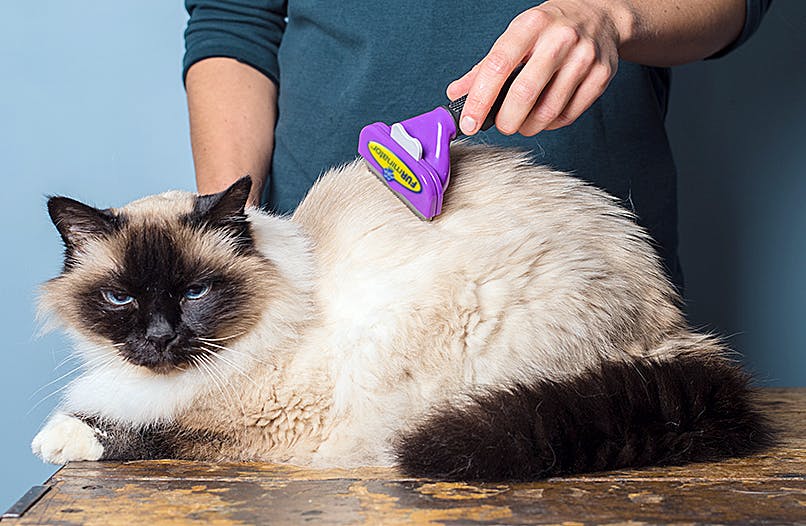
Deshedding tools are grooming devices designed to remove loose or dead fur from your cat’s coat. They target the undercoat, which is the soft, thick layer of hair beneath the top layer. These tools come in different shapes and sizes—some look like brushes, others like combs, and a few have unique blade designs.
Most deshedding tools work by reaching deep into the fur to pull out hair that would otherwise end up on your couch. Some of the most popular types include:
- Rake-style combs: Wide, rounded teeth that reach the undercoat.
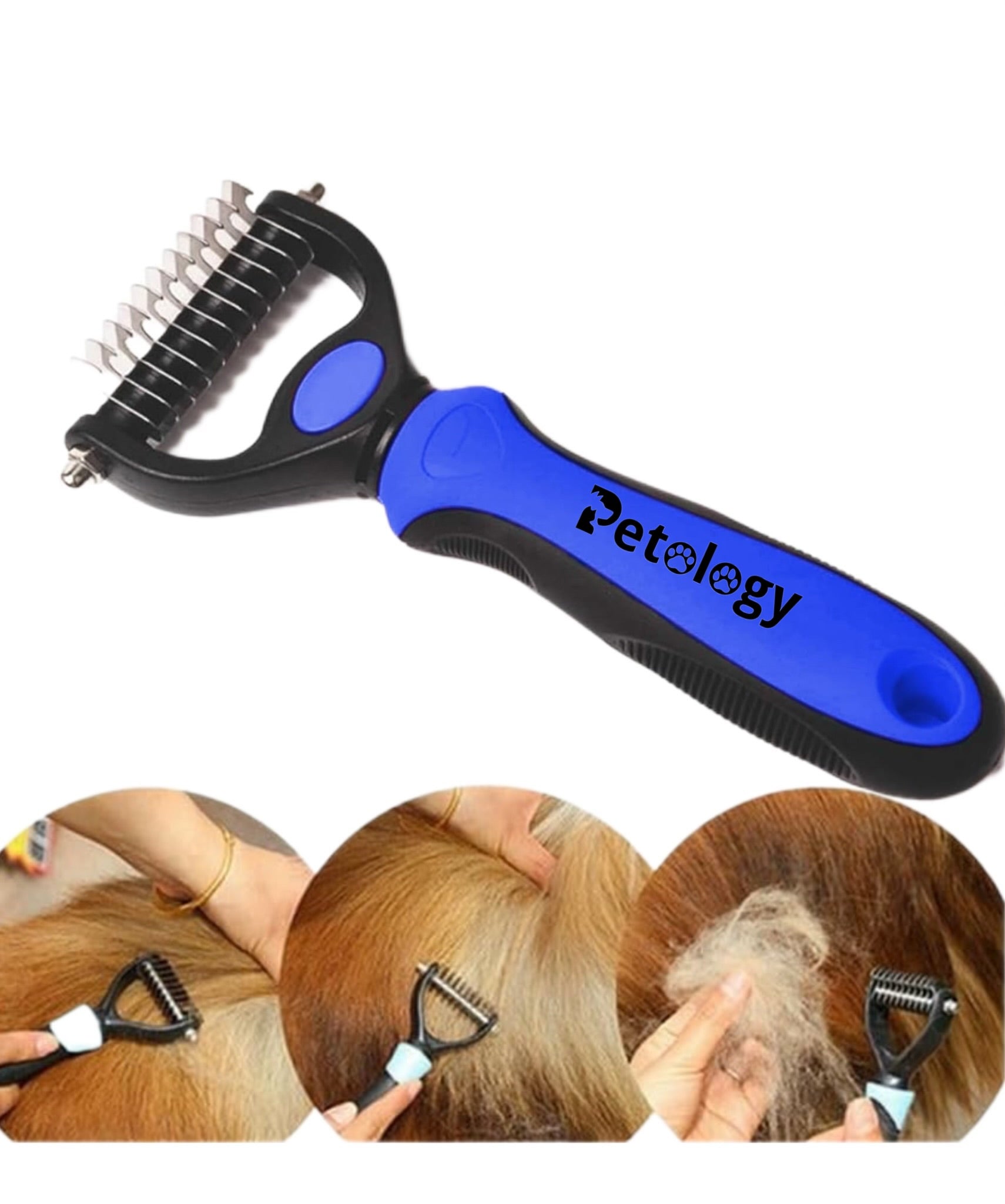
- Bladed deshedders: Stainless steel edges that catch and pull loose hair.
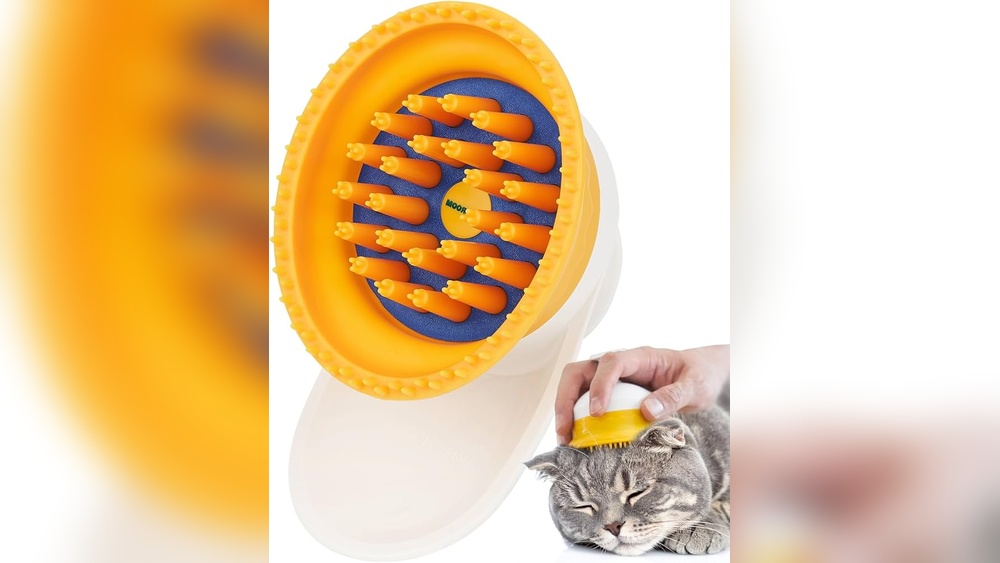
- Rubber brushes: Gentle, flexible bristles that massage and lift hair.
Each tool has its pros and cons, but they all aim to reduce shedding and prevent mats.
How Are Deshedding Tools Different From Regular Brushes?
While regular brushes smooth the outer coat and can remove some loose fur, deshedding tools are designed to reach deeper. They’re engineered to pull out hair before it falls out naturally—often reducing the total amount of fur your cat sheds by as much as 90% when used regularly. However, this deeper action means there’s a higher risk of irritation if used incorrectly.
Why Do Cats Shed?
Understanding why cats shed can help you use deshedding tools more safely. All cats lose hair—it’s a natural process. Shedding allows cats to get rid of old or damaged hair and helps regulate body temperature.
- Seasonal shedding: Cats often shed more in the spring and fall.
- Breed: Long-haired cats like Maine Coons and Persians shed more than short-haired breeds.
- Health and stress: Illness, poor diet, or anxiety can cause excess shedding.
Some shedding is normal, but sudden or extreme hair loss could signal a health problem. If you notice bald spots or skin issues, see a vet before using any grooming tool.
Benefits Of Deshedding Tools
When used properly, deshedding tools offer several benefits for both cats and their owners.
- Less hair around the home: Regular use means fewer stray hairs on clothes, bedding, and floors.
- Prevents hairballs: By removing loose hair, you reduce the amount your cat swallows during self-grooming.
- Reduces matting: Especially important for long-haired breeds, deshedding helps prevent painful tangles.
- Promotes skin health: Gentle brushing stimulates blood flow and spreads natural oils.
- Bonding time: Many cats enjoy the sensation, making grooming a pleasant ritual.
A 2017 survey by the American Pet Products Association found that over 60% of cat owners use grooming tools, and many report fewer hairballs and less cleaning as a result.
Risks And Safety Concerns
While deshedding tools can be helpful, they are not risk-free. Used incorrectly, they can cause problems such as:
- Skin irritation or scratches
- Hair loss in patches
- Stress or fear of grooming sessions
The main risks come from pressing too hard, using the tool too often, or choosing the wrong type for your cat’s fur. Some cats have sensitive skin or thin coats, making them more vulnerable to damage.

Credit: www.amazon.com
How To Choose A Safe Deshedding Tool
Not all deshedding tools are equal. Picking the right one is essential for your cat’s comfort and safety. Here’s what to look for:
Size And Shape
A tool should fit your cat’s body size. Large, heavy tools can be overwhelming for small cats or kittens. Look for handles that feel comfortable in your hand for better control.
Tooth Or Blade Design
- Rounded teeth or blunt edges are gentler on the skin.
- Avoid tools with sharp blades or points.
- For short-haired cats, pick tools with finer teeth.
- For long-haired cats, look for wider teeth that can handle thick coats.
Material Quality
Stainless steel is durable and resists rust, but plastic or rubber tips can be more gentle. Check for sturdy construction—cheap tools may break or have rough edges.
Cat’s Coat Type
Not all tools work for every coat. Here’s a quick reference:
| Coat Type | Recommended Tool | Frequency |
|---|---|---|
| Short Hair | Fine-tooth comb, rubber brush | Once a week |
| Medium Hair | Rake-style comb | 1-2 times per week |
| Long Hair | Wide-tooth rake, bladed deshedder | 2-3 times per week |
| Hairless | Soft cloth, no deshedding tool | As needed |
User Reviews And Brand Reputation
Read customer feedback and expert recommendations. Well-known brands like FURminator, Hertzko, and Safari are often safer due to better quality control.
How To Use Deshedding Tools Safely
Using a deshedding tool is more than just brushing your cat. Technique matters. Here’s a step-by-step guide:
- Check your cat’s mood. Wait until your cat is calm—never force grooming.
- Inspect the skin and fur. Look for wounds, redness, or mats before starting.
- Choose a quiet spot. A relaxed environment helps your cat feel safe.
- Start gently. Begin with light strokes in the direction of hair growth.
- Monitor your cat’s reaction. Stop if your cat seems stressed or tries to escape.
- Check the tool often. Remove loose hair from the tool to keep it effective.
- Limit session length. Five to ten minutes is enough for most cats.
- Reward your cat. Treats or playtime after grooming can build positive associations.
Common Mistakes To Avoid
Even experienced owners make errors. Watch out for these:
- Pressing too hard: This can cut or scratch the skin.
- Grooming too often: Overuse can irritate the skin and damage hair follicles.
- Ignoring warning signs: Redness, flinching, or hiding means your cat is uncomfortable.
- Using the wrong tool: A tool not suited for your cat’s coat can do more harm than good.
What Vets And Groomers Say
Professional opinions matter. Most vets agree that deshedding tools are safe for cats when used correctly. Dr. Jane Brunt, a feline veterinarian, says, “The right grooming tool and gentle technique can make a big difference in both your cat’s health and happiness.”
Certified groomers add that the most common problems they see are from owners using dull or dirty tools, or brushing too hard. Regular cleaning and inspection of your tool are important for safety.
Comparing Popular Deshedding Tools
Choosing the best deshedding tool can feel overwhelming. Here’s a side-by-side look at three popular options:
| Brand | Type | Best For | Key Feature | Price Range |
|---|---|---|---|---|
| FURminator | Stainless steel edge | Short/long hair | Self-cleaning button | $30–$40 |
| Hertzko | Fine-bristle brush | Short/medium hair | Soft handle | $15–$20 |
| SleekEZ | Wave blade | Thick undercoats | Unique wave pattern | $20–$25 |
Each tool has its strengths. The FURminator is powerful but must be used gently. Hertzko is affordable and good for sensitive cats. SleekEZ works well for heavy shedders but may not suit very short coats.
When Deshedding Tools Are Not Safe
Some situations make deshedding tools a poor choice. Avoid use if:
- Your cat has open sores, scabs, or skin infections
- There are large mats (use a dematting tool or see a groomer)
- Your cat has recently had surgery
- Your cat is very old, sick, or stressed
For hairless breeds, such as the Sphynx, deshedding tools are unnecessary and could harm the skin.
Special Considerations For Kittens And Senior Cats
Kittens
Young cats have softer, more delicate fur and skin. Most experts recommend waiting until your kitten is at least 12 weeks old before using any deshedding tool. Start with a soft rubber brush and gentle touch.
Senior Cats
Older cats may have thinner skin or arthritis, making them sensitive to grooming. Choose tools with extra-soft tips and keep sessions short.
Credit: www.leclosdesprinces.com
Do Indoor And Outdoor Cats Need Different Care?
Indoor cats shed year-round, while outdoor cats may shed more with the seasons. Outdoor cats can pick up burrs, dirt, or insects in their coats, so regular checking and gentle grooming are important. Both types benefit from deshedding, but outdoor cats may need more frequent checks for ticks or wounds.
How Often Should You Use A Deshedding Tool?
Frequency depends on your cat’s breed, age, and health. Overuse can cause problems, so stick to these guidelines:
- Short hair: Once a week is enough for most.
- Medium hair: 1–2 times per week.
- Long hair: 2–3 times per week, or more during shedding season.
Cats with medical conditions or skin problems should see a vet for a personalized plan.
Signs Of Trouble: When To Stop
Pay close attention during grooming. If you notice any of these, stop immediately:
- Redness, swelling, or bleeding
- Crying, hissing, or trying to bite
- Sudden hair loss in clumps
- Hiding after grooming
These can be signs of injury, allergy, or stress.
Tips For A Safe And Stress-free Grooming Experience
Grooming should be pleasant for both you and your cat. Here’s how to make it better:
- Groom when your cat is sleepy (after a meal or play).
- Speak softly and move slowly.
- Use treats or a favorite toy as a reward.
- Start with short sessions and build up over time.
- If your cat hates grooming, try a different tool or see a professional.
What If Your Cat Hates Deshedding Tools?
Some cats just don’t like grooming, no matter what you do. If your cat runs away or gets aggressive, try these alternatives:
- Use a damp washcloth to lift loose hair.
- Try a grooming glove—these feel like petting, not brushing.
- Schedule short, gentle sessions and stop before your cat gets upset.
- If you’re struggling, a professional groomer can help.
Remember: Forcing grooming can damage your relationship with your cat.
Do All Cats Need Deshedding Tools?
Not every cat will benefit. Short-haired breeds that don’t shed much may only need a simple brush. Hairless breeds don’t need deshedding but do need skin cleaning. Some cats naturally keep themselves very clean and shed little.
However, for Persians, Maine Coons, Ragdolls, and other long-haired breeds, deshedding tools are almost essential for health and comfort.
Real-world Examples: Owners’ Experiences
Many owners share positive stories about deshedding tools. Maria, a cat owner in Texas, says, “Using the FURminator once a week has almost eliminated hairballs for my Maine Coon. My sofa stays clean now, too. ”
But there are cautionary tales. Alex, from California, explains, “I pressed too hard the first time and my cat ended up with a red patch. Now I’m much gentler, and he actually purrs during grooming. ”
It’s clear that technique and tool choice matter as much as the tool itself.
Advanced Tips: Going Beyond The Basics
- Keep your tool clean. Wash with soap and water after each use to remove oils and bacteria.
- Store in a dry place. This prevents rust or mold.
- Replace dull blades. Old tools can pull or break hair.
- Check for allergies. Some cats react to metal or rubber. If you see irritation, switch materials.
The Role Of Diet And Health
Grooming tools help, but diet matters too. Cats on high-quality diets with enough omega-3 and omega-6 fatty acids often have healthier coats and shed less. Stress, illness, or parasites can increase shedding. If grooming doesn’t help, talk to your vet.
You can read more about cat health and grooming from the ASPCA.
How Deshedding Tools Impact Hairballs And Allergies
By removing loose hair, deshedding tools can reduce the risk of hairballs. Cats naturally swallow hair when they groom themselves, but too much can lead to vomiting or, rarely, dangerous blockages.
Deshedding also helps owners with allergies. Cat hair carries dander (dead skin flakes) that trigger allergic reactions. Less loose hair means less dander in your home.
Comparing Deshedding Tools, Brushes, And Combs
Choosing the right tool can be tricky. Here’s how deshedding tools compare with traditional brushes and combs:
| Tool Type | Removes Undercoat? | Risk of Skin Damage | Best For |
|---|---|---|---|
| Deshedding Tool | Yes | Medium (if used wrong) | Heavy shedders |
| Brush | No (only top coat) | Low | Short hair or daily use |
| Comb | Some | Low–medium | Medium/long hair |
Deshedding tools are best for deep cleaning but must be used carefully.
Can Deshedding Tools Replace Professional Grooming?
For most cats, regular home grooming is enough. However, long-haired or senior cats may need professional help—especially if mats, tangles, or health issues appear. Professional groomers have special tools and training for tricky coats.
Credit: www.airvet.com
Myths About Deshedding Tools
Myth 1: They Damage Fur
Used gently and correctly, deshedding tools do not damage healthy fur. Problems happen with poor technique or the wrong tool.
Myth 2: All Cats Need The Same Tool
Each cat is unique. What works for one may not suit another.
Myth 3: More Grooming Is Always Better
Too much grooming can irritate the skin and cause bald spots. Quality matters more than quantity.
Frequently Asked Questions
Can Deshedding Tools Hurt My Cat?
Deshedding tools can cause discomfort or injury if used incorrectly—such as pressing too hard or brushing for too long. Choose the right tool, use gentle strokes, and always check your cat’s skin before and after grooming.
How Can I Tell If My Cat Enjoys Deshedding?
A relaxed cat may purr, knead, or lean into the tool. Signs of discomfort include hissing, swatting, or trying to escape. Each cat reacts differently, so pay attention to body language.
What Should I Do If I See A Red Patch After Grooming?
Stop using the tool immediately and let the area heal. Use a softer brush or grooming glove next time. If the skin does not improve in a few days, contact your vet.
Are There Safe Alternatives To Deshedding Tools?
Yes. Grooming gloves, soft brushes, and damp cloths can remove loose hair with less risk. For some cats, professional grooming is the safest choice.
How Do I Clean And Maintain My Deshedding Tool?
Remove hair after each use, wash with mild soap and water, and dry completely. Store in a dry place to prevent rust or mold. Replace dull blades or broken parts as needed.
Final Thoughts
Deshedding tools can be a safe and effective way to manage your cat’s shedding—if you pick the right tool and use it gently. Always consider your cat’s breed, age, and personality before starting. Watch for signs of discomfort, and don’t be afraid to ask your vet or a professional groomer for advice.
Remember, grooming should be a bonding time, not a battle. With care and patience, you can keep your cat healthy, your home cleaner, and your friendship strong.