
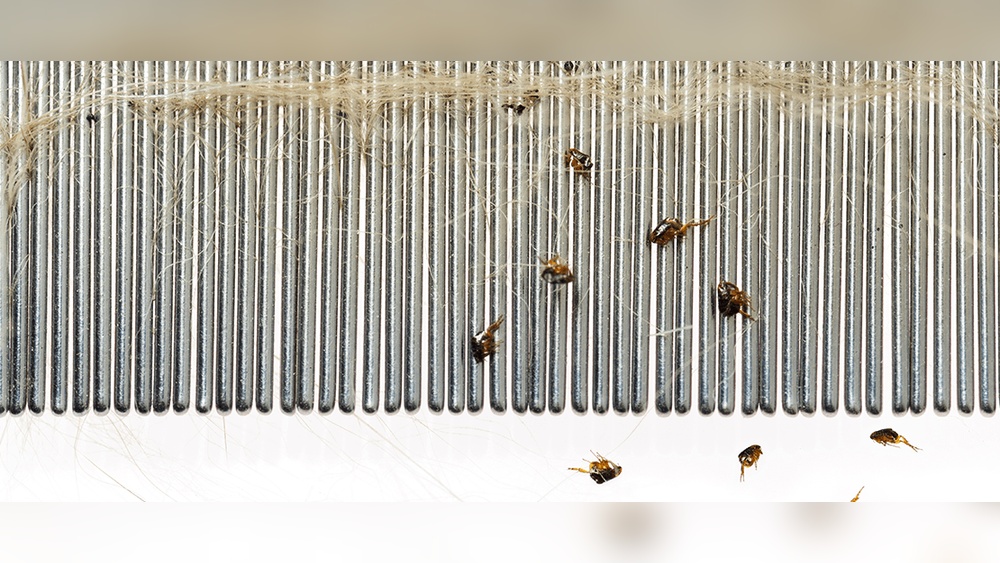
Dog fleas are tiny, but the problems they cause are anything but small. If you’ve ever watched your dog scratch and bite at their skin, you know how frustrating fleas can be for both pets and their owners. Many people wonder if they really need a special comb to check for dog fleas, or if they can just use any comb they have at home. The truth is, while fleas are common, finding them—and dealing with them—requires the right approach.
In this article, you’ll discover whether a special comb is necessary for flea checks, how these combs work, and what happens if you skip the proper tools. Along the way, you’ll get practical advice, expert tips, and answers to questions many dog owners miss.
If you want your dog to stay comfortable, healthy, and flea-free, understanding the right tools and methods is essential.
Understanding Dog Fleas
Dog fleas are small, brown insects that feed on your dog’s blood. The most common type is the Ctenocephalides canis and Ctenocephalides felis (the cat flea, which also infests dogs). These parasites reproduce quickly—one female flea can lay up to 50 eggs per day. Fleas cause itching, redness, and sometimes severe allergic reactions. In heavy infestations, they can even lead to anemia.
Fleas are masters of hiding. They live deep in your dog’s fur, especially around the neck, tail base, and belly. Adult fleas make up only about 5% of the total flea population; the rest are eggs, larvae, and pupae hiding in your home—on bedding, carpets, and furniture.
This is why catching fleas early is so important.
How Do You Check For Fleas?
There are several ways to check for fleas, but not all are equally effective. Here’s what dog owners usually try:
- Visual Inspection: Part your dog’s fur and look for small, dark insects moving quickly. This is difficult because fleas are tiny and move fast.
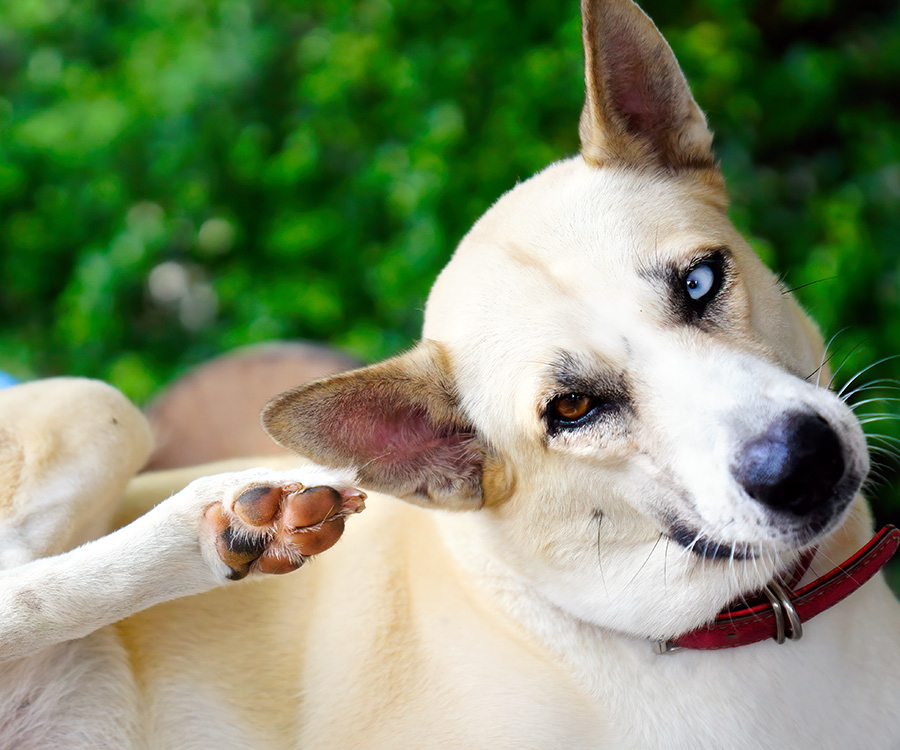
- Watching for Symptoms: Excessive scratching, biting, or licking, especially around the tail and back legs, often means fleas. However, these signs can also come from allergies or other pests.
- Looking for Flea Dirt: Flea droppings (flea dirt) look like black pepper. If you see specks, put them on a wet white tissue. If they turn red, it’s digested blood—proof of fleas.
- Using a Comb: Combing is the most reliable way for owners to catch fleas early.
While some people rely on signs alone, fleas can live on your dog for weeks before you notice. That’s why regular checks with the right tool are key.
What Is A Flea Comb?
A flea comb is a specially designed tool made to catch and remove fleas and their dirt from your dog’s coat. These combs have very fine, tightly spaced teeth—usually metal—that are much closer together than regular grooming combs.
| Feature | Flea Comb | Regular Comb/Brush |
|---|---|---|
| Teeth Spacing | Very fine (0.2–0.3 mm) | Wide (0.5–2 mm or more) |
| Material | Metal (usually stainless steel) | Plastic, metal, or wood |
| Purpose | Catch fleas, eggs, and dirt | General grooming |
| Effectiveness for Flea Detection | High | Low to None |
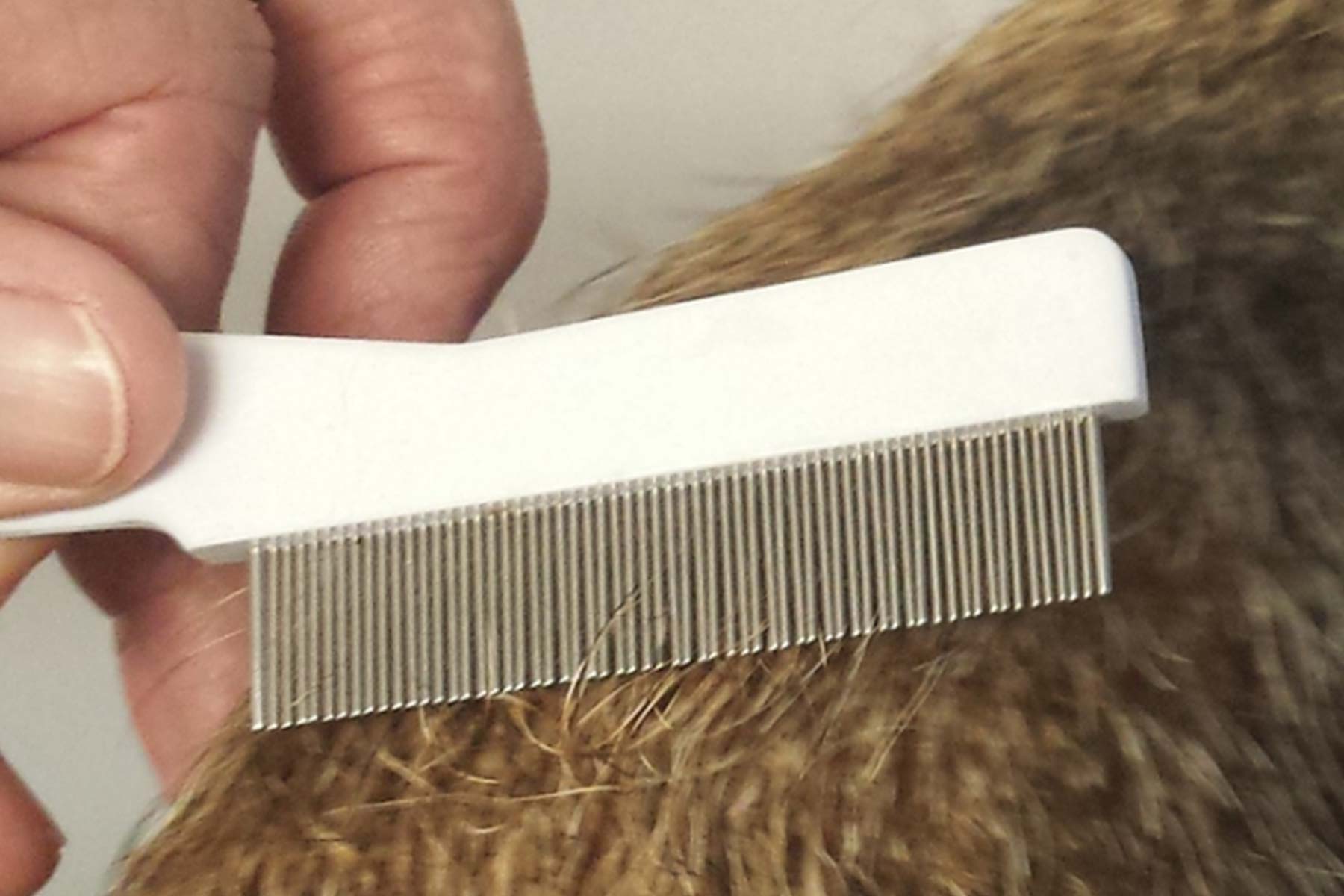
Flea combs are easy to use. You run the comb slowly through your dog’s coat, starting at the head and moving toward the tail. The teeth trap fleas, eggs, and dirt, so you can see what’s really hiding in your dog’s fur.
Why Regular Combs Don’t Work For Fleas
It’s common to think, “I have a fine-toothed comb at home. Isn’t that good enough?” Unfortunately, it’s not. Regular combs—even those made for pets—have wider gaps between the teeth. This means:
- Fleas and their eggs can slip through without being caught.
- You’ll miss flea dirt, which is often the first sign of infestation.
- Combs may pull at the fur and hurt your dog if you use too much pressure.
A flea comb is built for one purpose: to catch pests as small as 1–2 mm. Regular grooming combs simply can’t do this.
How Does A Flea Comb Help?
A flea comb does more than just check for fleas. Here’s what makes it so valuable:
- Detects Early Infestations: Fleas are easier to manage when caught early. A flea comb catches the first fleas before they multiply.
- Removes Flea Dirt: Flea dirt is hard to see without a comb. Removing it helps reduce itching and skin problems.
- Physical Removal: You can physically remove live fleas and eggs, which reduces the population without chemicals.
- Monitors Treatment: After using flea prevention products, a flea comb helps you check if the treatment is working.
- Safe for Sensitive Dogs: No chemicals or sprays—just gentle combing.
Many vets recommend combing your dog with a flea comb at least once a week, especially in warmer months or if you notice itching.
How To Use A Flea Comb Properly
Using a flea comb isn’t difficult, but a few simple steps make it more effective:
- Choose a well-lit spot. You need to see what you’re catching.
- Have a bowl of soapy water nearby. After each comb stroke, dip the comb in the water. This kills fleas instantly.
- Start at the head and neck. Fleas like to hide here.
- Work slowly through the whole body. Pay special attention to the tail, belly, and behind the ears.
- Check the comb after each pass. Look for live fleas, eggs, or flea dirt.
- Rinse and repeat. Comb until you no longer find fleas or dirt.
For dogs with long or thick fur, brush out tangles first with a regular brush. This prevents pulling and discomfort.
Do You Need A Special Comb To Check Dog Fleas?
The short answer: Yes—if you want reliable results. Here’s why:
- Accuracy: Only a flea comb will reliably catch small, fast-moving fleas and their eggs.
- Prevention: Early detection means you can treat fleas before they spread.
- Peace of Mind: Knowing your dog is flea-free is worth the small investment in the right tool.
While you can try checking by hand or with a regular comb, you’ll miss fleas most of the time. A flea comb is inexpensive and lasts for years.
What Happens If You Don’t Use A Flea Comb?
Skipping the right tool may save you a few dollars, but it could cost you more in the long run. Here’s what can happen:
- Missed Infestations: Fleas multiply fast. Missing just a few can lead to a home-wide infestation in weeks.
- Increased Vet Bills: More fleas mean more itching, infections, and allergies—all requiring treatment.
- Spread to Other Pets and Home: Fleas don’t stay on one dog. They lay eggs everywhere, including your furniture.
- Resistant Fleas: Some fleas become resistant to treatments. Physical removal helps control numbers without relying only on chemicals.
Many owners only realize there’s a problem when it’s out of control. Regular use of a flea comb is a simple, effective prevention method.
How To Choose The Right Flea Comb
Not all flea combs are the same. Here’s what to look for:
- Material: Stainless steel teeth are best—they’re strong, easy to clean, and won’t rust.
- Teeth Spacing: Teeth should be very close together (about 0.2–0.3 mm apart). This ensures fleas can’t escape.
- Handle Comfort: Look for an ergonomic handle. You’ll need to comb slowly and carefully, so a comfortable grip matters.
- Size: Choose a size that matches your dog. Small combs work best for small breeds or faces; larger ones for big dogs.
- Double-Sided Designs: Some combs have two sides: one for fleas, one for general grooming.
| Feature | Why It Matters |
|---|---|
| Stainless Steel Teeth | Durability, easy cleaning, no rust |
| Fine Tooth Spacing | Captures fleas, eggs, and dirt |
| Comfortable Handle | Prevents hand strain during combing |
| Proper Size | Fits your dog’s body type and coat length |
Avoid cheap plastic combs. They break easily and often have rough edges that can scratch your dog’s skin.
How Often Should You Use A Flea Comb?
The best schedule depends on your dog and where you live:
- During flea season (spring to fall): Comb every 2–3 days, or daily if you’ve had flea problems before.
- All year in warm climates: Fleas survive indoors, so check weekly all year.
- After walks in nature: Fleas jump from grass and other animals. Comb after outdoor activities in high-risk areas.
Regular checks mean you’ll catch fleas before they become a big problem.
Credit: www.hartz.com
Tips For Successful Flea Combing
A few smart habits make flea combing easier and more effective:
- Stay calm and gentle. Dogs can sense your mood. If you’re relaxed, they’ll be more comfortable.
- Reward your dog. Give treats or praise after combing. This builds a positive routine.
- Focus on trouble spots. Fleas love the base of the tail, under legs, and behind ears.
- Use good lighting. Natural daylight works best for spotting tiny pests.
- Clean the comb often. Dip in soapy water every few strokes to avoid spreading fleas back onto your dog.
Many beginners miss one thing: even if you don’t see fleas, keep checking. Fleas can hide or only come out at night.
When To Use A Flea Comb Vs. Other Methods
A flea comb is a tool—not a complete solution. Here’s how it fits with other flea control methods:
- Flea combs: Best for detection and physical removal.
- Topical treatments: Kills fleas on contact and provides protection for weeks.
- Oral medications: Work inside out, killing fleas after they bite.
- Flea shampoos: Help during active infestations but don’t prevent new fleas.
- Environmental cleaning: Wash bedding, vacuum carpets, and treat the house.
Use a flea comb for regular checks and removal, but combine it with vet-approved treatments for full control.
Credit: peninsulavet.com.au
Can You Use A Flea Comb On All Dogs?
Most dogs tolerate flea combs well, but coat type matters:
- Short-haired dogs: Flea combs work quickly and easily.
- Long-haired or curly-haired dogs: Brush out tangles first. Use the comb in small sections.
- Puppies and seniors: Use gentle pressure; their skin is sensitive.
- Dogs with skin issues: Check with your vet if your dog has open sores or allergies.
If your dog hates grooming, start with short sessions and lots of rewards.
Common Mistakes When Checking For Dog Fleas
Even experienced owners make some common errors:
- Checking too quickly: Fleas are fast. Slow, careful combing is essential.
- Skipping trouble spots: Always check the tail, belly, and neck.
- Not cleaning the comb: Fleas can jump off and re-infest your dog.
- Ignoring flea dirt: Some owners miss the tiny black specks—these are often the first clue.
- Stopping after one check: Fleas may hide during the day. Multiple checks are necessary.
Avoiding these mistakes helps you catch problems early.
Are There Alternatives To Flea Combs?
Some owners ask if there are other ways to check for fleas without a special comb. Here are a few alternatives, along with their pros and cons:
- Visual checks: Quick, but often miss fleas.
- Sticky lint rollers: May catch flea dirt, but not live fleas.
- White towel test: Make your dog stand on a white towel and brush their fur. Flea dirt will fall, but this won’t catch live fleas.
- Adhesive traps: Placed near bedding, these catch some fleas but don’t help with detection on the dog.
No alternative matches the accuracy and ease of a flea comb. They can support your efforts, but don’t replace the main tool.
The Science Behind Flea Combs
Why do flea combs work so well? Their design is based on the size and behavior of fleas. Adult fleas are about 1. 5–3 mm long, and eggs are even smaller. The fine spacing of a flea comb traps these pests as you move through the fur.
Metal teeth also create a small amount of static, helping hold onto fleas and dirt.
Scientific studies back up the effectiveness of flea combs for early detection. In one study, flea combs found live fleas in 86% of infested pets, compared to only 22% using hand checks alone. This is why many veterinarians recommend their use as part of regular grooming.
For more on flea comb science, see this Wikipedia article on fleas.

Credit: www.amazon.com
How To Clean And Maintain Your Flea Comb
Cleaning your flea comb keeps it effective and safe:
- After each use, soak the comb in hot soapy water for 5–10 minutes.
- Scrub between teeth with an old toothbrush to remove any remaining eggs or dirt.
- Rinse with clean water and dry thoroughly.
- Store in a dry place to prevent rust.
Regular cleaning prevents the spread of fleas and keeps your comb working for years.
What To Do If You Find Fleas
Finding fleas with your comb is only the first step. Here’s what to do next:
- Treat your dog: Use a vet-approved flea treatment right away. Don’t rely on home remedies alone.
- Clean your home: Wash your dog’s bedding in hot water, vacuum carpets and furniture, and dispose of the vacuum bag.
- Treat other pets: Fleas spread quickly between animals.
- Repeat checks: Continue using the flea comb daily for at least 2 weeks.
- Consult your vet: If you find a lot of fleas or your dog has skin problems, seek professional advice.
Fleas can be stubborn, but early action stops them from taking over.
Flea Combs For Puppies And Sensitive Dogs
Young puppies or dogs with sensitive skin need extra care:
- Use gentle, slow strokes.
- Choose a small, fine-toothed comb for delicate fur.
- Stop if your dog shows signs of pain or discomfort.
- Always check with your vet before using any flea product on puppies under 8 weeks old.
For puppies, physical removal with a flea comb is often the safest way to begin.
Flea Combs And Allergic Dogs
Some dogs are allergic to flea bites (flea allergy dermatitis). For these dogs:
- Even one flea bite can cause severe itching.
- Using a flea comb helps remove fleas before they bite.
- Check daily during flea season.
- Talk to your vet about extra prevention.
Missing fleas can mean weeks of discomfort for allergic dogs, so regular checks are essential.
Myths About Flea Combs
There are some common myths about flea combs:
- Myth: “You don’t need a comb if you use flea meds.” Truth: Medications help, but don’t catch every flea immediately. Combing helps reduce numbers and check effectiveness.
- Myth: “Only outdoor dogs need flea combs.” Truth: Indoor dogs can get fleas from other pets, people, or even from outside on shoes.
- Myth: “Flea combs hurt dogs.” Truth: Used gently, a flea comb is safe and even soothing for most dogs.
Understanding these myths helps you make better choices for your pet.
Cost And Value Of Flea Combs
Flea combs are one of the most affordable pet tools. Most quality combs cost $5–$15 and last for years with proper care. Compared to the cost of flea treatments, vet bills, or home cleaning after an infestation, a small upfront investment pays off many times over.
Think of a flea comb as both a detection tool and a way to keep your dog comfortable and healthy.
Flea Combs For Multi-pet Homes
If you have more than one pet:
- Use a separate flea comb for each animal to avoid spreading fleas.
- Clean each comb after use.
- Check all pets, even if only one is scratching. Fleas move quickly between animals.
Multi-pet homes are at higher risk for infestations, so regular combing is even more important.
What If Your Dog Won’t Sit Still For Combing?
Some dogs dislike grooming. Here’s how to help:
- Start with short sessions—just a few minutes at a time.
- Use treats and praise to make combing a positive experience.
- Combine with play or after a walk when your dog is tired and relaxed.
- Try different positions—some dogs prefer standing, others lying down.
- Stop if your dog gets stressed and try again later.
Patience is key. Over time, most dogs learn to tolerate or even enjoy combing.
How Flea Combs Help Monitor Treatment Success
After using flea medications, keep using your flea comb:
- Check if treatments are working.
- Monitor for new fleas—they can come from the environment, even after treatment.
- Spot resistant fleas—if you keep finding live fleas, talk to your vet about changing products.
Flea combs give you quick feedback that no other tool can provide.
Environmental Control: Fleas Beyond The Dog
Flea control doesn’t stop at the dog:
- Wash bedding and soft toys weekly in hot water.
- Vacuum carpets, sofas, and car seats regularly.
- Use flea sprays or powders for the home if recommended by your vet.
Remember, only about 5% of fleas live on your dog. The rest are in your home environment.
Flea Comb Vs. Electronic Flea Comb
You may see electronic flea combs advertised. These use a small electric current to kill fleas as you comb. Are they better?
- Pros: May kill fleas instantly, can be fun for tech lovers.
- Cons: More expensive, require batteries, some dogs dislike the buzzing sound.
- Effectiveness: Studies show mixed results. Traditional flea combs are just as effective for detection and removal.
For most owners, a classic metal flea comb is simple, reliable, and all you need.
Final Thoughts
Checking for dog fleas is a simple but vital part of keeping your pet healthy. While you can look for signs or use your fingers, only a special flea comb gives you the accuracy and peace of mind you need. With a small investment and a few minutes each week, you can catch fleas early, reduce discomfort for your dog, and prevent bigger problems in your home.
Remember: regular checks, the right tool, and quick action are your best defense against fleas. Your dog—and your wallet—will thank you for it.
Frequently Asked Questions
Can I Use A Human Comb To Check For Dog Fleas?
Human combs are not effective for flea detection. Their teeth are too far apart to catch fleas or eggs. Use a special flea comb designed for pets for best results.
How Do I Know If The Black Specks On My Dog Are Flea Dirt?
Place the specks on a wet white tissue. If they turn red, it’s flea dirt (digested blood). If not, it could be regular dirt. Flea combs help you collect and identify these specks easily.
How Often Should I Check My Dog For Fleas With A Comb?
During flea season, check every 2–3 days. In warm climates or if you’ve had flea problems before, check weekly all year. More frequent checks are needed after time outdoors.
What Should I Do If I Find Fleas With The Comb?
Treat your dog with a vet-approved flea product right away. Clean your home, wash bedding, and check all pets. Keep using the flea comb daily until you see no more fleas or dirt.
Is It Safe To Use A Flea Comb On Puppies?
Yes, but use gentle pressure and a fine-toothed comb. For puppies under 8 weeks, avoid chemical treatments unless your vet advises. Physical removal with a flea comb is often the safest method for young pups.