
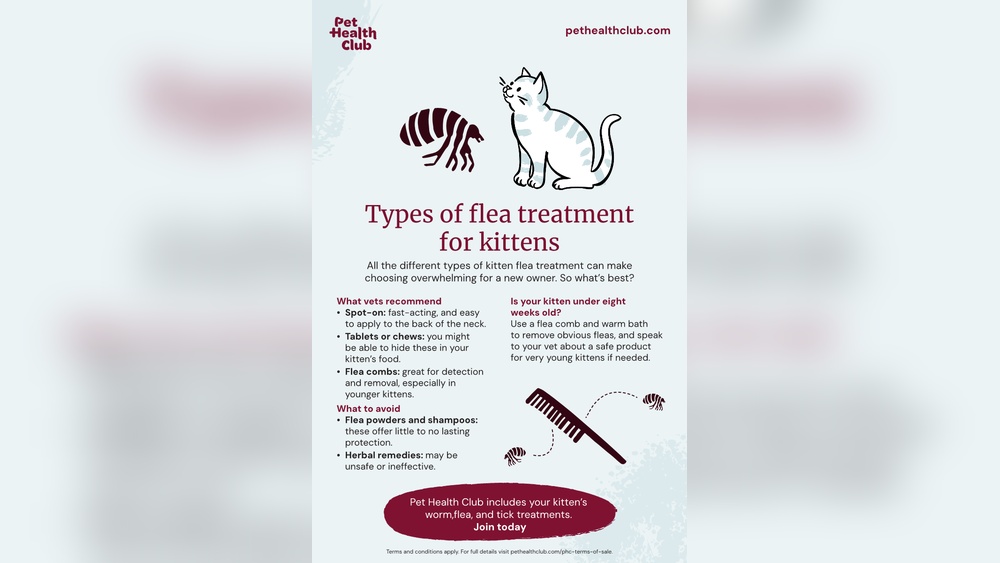
Fleas can quickly turn a happy cat into an itchy, uncomfortable companion. These tiny pests not only cause irritation but can also lead to health problems for both your pet and your family. One of the simplest ways to catch fleas early is by regularly combing your cat.
But how often should you comb your cat for fleas to keep them healthy and your home pest-free? The answer depends on several factors, including your cat’s lifestyle, age, coat type, and even the season. This article will guide you through everything you need to know about flea combing, from how often to do it, to the best techniques, and how to make it a positive experience for you and your cat.
Understanding Fleas And Why Combing Matters
Fleas are small, wingless insects that feed on the blood of animals. They multiply fast—one female can lay up to 50 eggs per day—and their bites can cause itching, allergic reactions, and even transmit diseases. Regular combing helps you detect fleas early, remove them before an infestation, and monitor your cat’s health.
Why Early Detection Is Critical
Catching fleas early makes a huge difference. A mild flea problem is easier to manage than a full-blown infestation. Regular combing doesn’t just remove fleas; it allows you to spot flea dirt (flea feces) and eggs before they spread. Plus, cats often hide discomfort, so combing is a hands-on way to check for issues you might not see.
The Role Of Flea Combing
Combing is not a replacement for other flea control methods, but it’s a valuable tool. It physically removes fleas and their eggs and helps track the effectiveness of treatments. For cats sensitive to chemicals, combing offers a safe, non-toxic way to reduce flea numbers.
Factors That Affect How Often You Should Comb
No single answer fits all cats. The right frequency depends on your cat’s risk of picking up fleas. Here are the main factors to consider:
1. Indoor Vs Outdoor Cats
- Indoor cats have a lower risk but can still get fleas from other pets, humans, or infested items.
- Outdoor cats are at higher risk and may need more frequent combing.
2. Season And Climate
- Fleas thrive in warm, humid weather. In many areas, flea season is spring through fall, but heated homes can let fleas survive year-round.
- In cold climates, risk drops in winter but doesn’t disappear completely.
3. Your Cat’s Age And Health
- Kittens and senior cats have weaker immune systems and may suffer more from flea bites.
- Cats with allergies or skin issues need closer monitoring.
4. Coat Type
- Long-haired cats may hide fleas better than short-haired breeds.
- Thick, dense fur requires more thorough and frequent combing.
5. Previous Flea Problems
If your cat has had fleas before, stay vigilant. Flea eggs and larvae can survive in your home for months, so increase combing if you’ve had past issues.
How Often Should You Comb Your Cat For Fleas?
Now, let’s break down recommended combing frequencies based on risk level:
| Risk Level | Combing Frequency | Example Cat Type |
|---|---|---|
| Low | Once a week | Indoor-only, no other pets |
| Medium | 2-3 times per week | Indoor/outdoor or multi-pet home |
| High | Daily | Outdoor, previous flea issues, long-haired |
Key Insight: During peak flea season, even indoor cats can benefit from more frequent checks. If you find any fleas or flea dirt, increase combing to daily until you’re sure the infestation is gone.
Choosing The Right Flea Comb
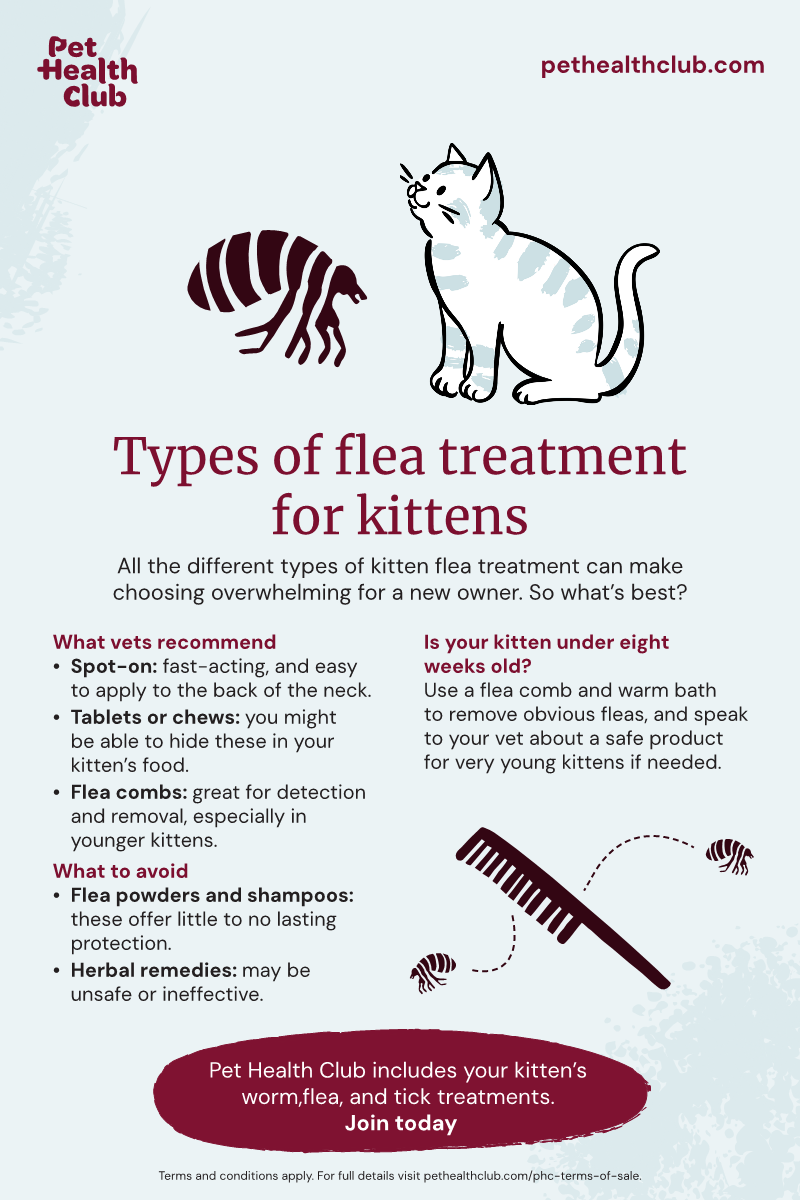
A good flea comb is your best tool for this job. Not all combs are created equal. Here’s what to look for:
- Fine, closely spaced teeth: These trap fleas and their eggs.
- Comfortable handle: You’ll need a steady grip, especially for wiggly cats.
- Sturdy material: Metal teeth are better than plastic—they don’t bend or break.
Many pet stores offer combs labeled for fleas, but check reviews and ask your vet for recommendations.
Comparing Popular Flea Combs
Here’s a look at three common types:
| Type | Pros | Cons |
|---|---|---|
| Metal teeth comb | Durable, effective, easy to clean | Can pull on mats in long fur |
| Double-sided comb | Versatile for different coat lengths | May be less sturdy |
| Plastic comb | Lightweight, cheap | Breaks easily, less effective |
Credit: www.pethealthclub.com
The Right Way To Comb Your Cat For Fleas
Technique matters as much as frequency. Here’s a step-by-step guide to make combing effective and stress-free:
- Pick the right spot. Choose a well-lit area so you can see what you’re doing. A white towel underneath helps spot fleas that fall off.
- Stay calm. Cats sense tension. Gently pet your cat first to relax them.
- Start at the head and neck. Fleas like warm spots, so begin here.
- Work in sections. Move slowly down the body, combing with the fur’s direction.
- Check common flea areas: Behind ears, under chin, base of tail, and around the groin.
- Clean the comb often. Dip it in soapy water or wipe with a tissue to kill fleas instantly.
- Reward your cat. Treats or play after combing create positive associations.
Pro Tips For Easier Combing
- If your cat hates combing, start with short sessions and gradually increase time.
- For long-haired breeds, gently detangle mats before using the flea comb.
- If your cat is nervous, two people (one for petting, one for combing) can help.
What To Look For During Combing
Combing isn’t just about removing fleas—it’s also about what you find. Here’s what to watch for:
- Live fleas: Tiny, fast-moving brown insects.
- Flea dirt: Small black specks. Place them on a wet paper towel—if they turn reddish brown, it’s flea feces.
- Flea eggs: White, oval-shaped, hard to see but may appear as tiny grains.
- Skin irritation: Redness, bumps, or scabs can signal flea allergy or infection.
If you find fleas or flea dirt, act quickly. Increase combing and consider other treatments (medications, environmental cleaning).

Credit: www.kwikpets.com
When To Increase Or Decrease Combing
Combing routines aren’t fixed forever. Adjust based on your cat’s risk:
- Increase combing if: You see live fleas, flea dirt, or your cat is scratching more.
- Decrease combing if: You’ve been flea-free for months, especially in winter and for indoor-only cats.
It’s smart to check after visits to the vet, groomer, or new animals in the home.
What If You Find Fleas? Next Steps
Discovering fleas means you need to act fast to prevent a larger problem. Here’s what to do:
- Continue daily combing. Remove as many fleas as possible.
- Treat your cat. Use a vet-recommended flea product. Never use dog products on cats—they can be toxic.
- Clean your home. Wash bedding, vacuum carpets, and furniture.
- Treat other pets. All animals in the home need flea checks and possibly treatment.
- Follow up. Flea eggs hatch in cycles, so keep combing daily for at least two weeks after seeing the last flea.
Non-obvious insight: Flea eggs can survive in cracks, carpets, and furniture for months. Regular home cleaning is as important as treating your cat.
Flea Combing Vs. Other Flea Control Methods
Combing is just one part of a bigger strategy. Here’s how it compares to other methods:
| Method | How It Works | Best For | Drawbacks |
|---|---|---|---|
| Flea combing | Physically removes fleas/eggs | Early detection, sensitive cats | Time-consuming, not 100% effective alone |
| Topical treatments | Kills fleas on contact/ingestion | Infestations, prevention | Possible side effects, chemical exposure |
| Oral medications | Kills fleas systemically | Heavy infestations | Prescription needed, cost |
| Environmental sprays | Kills fleas in home | Breaking flea life cycle | Chemical residues, not safe for all pets |
Expert tip: Use combing as a monitoring tool even if your cat is on medication. Some flea products only affect adult fleas, so eggs or larvae may still be present.
Common Mistakes To Avoid
Many cat owners make simple errors that let fleas get out of control. Here’s what to watch for:
- Assuming indoor cats are safe: Fleas can hitchhike inside on shoes, guests, or other pets.
- Stopping combing after one check: Fleas may lay eggs not visible on the first combing.
- Using the wrong comb: Human combs or brushes won’t trap fleas or eggs.
- Ignoring home cleaning: Flea eggs and larvae live off your cat—vacuuming and washing is essential.
- Mixing up dog and cat treatments: Cat-safe only—some dog products are deadly to cats.
How To Make Flea Combing A Positive Experience
Some cats love being combed; others need encouragement. Here’s how to make it easier:
- Start young. Kittens who experience gentle combing grow up to accept it easily.
- Use treats. Give a small reward after each session.
- Stay gentle. Never pull or tug—slow, smooth strokes are best.
- Keep sessions short. If your cat gets restless, break up combing over the day.
- Be consistent. Routine helps cats feel safe.
Hidden insight: Many cats enjoy combing if it becomes part of play or cuddle time. Try combining it with petting or after a meal when your cat is relaxed.
Signs Your Cat Needs More Frequent Flea Combing
Sometimes, cats need more attention than the “average” schedule. Signs to watch for:
- Frequent scratching or biting at the skin
- Scabs or hair loss, especially around the neck or back
- Restlessness or sudden changes in grooming habits
- Visible fleas or black specks (flea dirt) on bedding
- Sensitive skin that gets red or inflamed easily
If you notice these, increase combing and consider a vet visit.
Special Cases: Kittens, Seniors, And Sensitive Cats
Kittens
Kittens are especially vulnerable to fleas. Too many flea bites can cause anemia (low red blood cells), which is dangerous. Use a soft, fine-toothed comb and check daily. Avoid chemical treatments unless your vet approves—they can be too strong for young kittens.
Senior Cats
Older cats may have thinner skin or arthritis, making gentle handling important. Check often but keep sessions short and comfortable.
Sensitive Cats
Some cats hate being handled or have anxiety. Try calming aids (pheromone sprays, quiet music), and build up combing slowly. If your cat is aggressive or scared, ask your vet or a groomer for advice.
The Role Of Flea Combing In Preventing Infestations
Combing is most powerful as part of a prevention plan. Even if you use monthly flea treatments, combing helps you catch problems early and reduce the number of fleas in your home. If you travel, adopt new pets, or have guests with animals, increase combing for a week or two to be safe.
How To Tell If Your Cat Is Flea-free
You’re combing regularly—how do you know it’s working? Here are signs your cat is flea-free:
- No live fleas or black specks after several combings
- Cat stops scratching or over-grooming
- No new bites or skin irritation appear
- Bedding stays clean
Keep in mind: fleas can come back. Continue regular checks, especially in warm weather or after exposure to other animals.
Practical Example: A Seasonal Flea Combing Schedule
Let’s look at how a typical year might look for an indoor/outdoor cat:
- Winter (low risk): Comb once a week, unless you see signs of fleas.
- Spring (increasing risk): Move to 2-3 times per week as temperatures rise.
- Summer (high risk): Daily combing, especially if fleas are common in your area.
- Fall (waning risk): Continue daily or drop to 2-3 times per week as temperatures drop.
Adjust for your region—some areas have fleas all year, others only part of the year.
Credit: www.vet.cornell.edu
Environmental Cleaning: The Other Half Of Flea Control
No matter how often you comb, you must clean your home to get rid of all flea life stages. Here’s what helps:
- Vacuum daily: Focus on carpets, furniture, and cat bedding.
- Wash bedding: Use hot water weekly.
- Empty vacuum bags: Dispose of them outside to prevent reinfestation.
- Treat the environment: Use pet-safe sprays or powders if needed.
Flea eggs and larvae can make up over 90% of an infestation. Combing removes adults, but cleaning kills the next generation.
When To See A Veterinarian
Home combing works well for mild cases, but sometimes you need professional help:
- If your cat is losing fur, has sores, or seems unwell
- If combing doesn’t reduce flea numbers
- If your cat is too young, old, or sensitive for over-the-counter treatments
Your vet can recommend safe, effective treatments and help you create a full prevention plan.
Key Takeaways For Cat Owners
- Combing is a hands-on, chemical-free way to spot and reduce fleas.
- Frequency depends on risk—daily for high risk, weekly for low risk.
- Technique and consistency matter more than time spent.
- Combine combing with regular cleaning and veterinary care for best results.
For more on flea biology and control, you can check resources like the VCA Animal Hospitals.
Frequently Asked Questions
How Can I Tell If My Cat Has Fleas Without A Comb?
Look for scratching, biting, hair loss, or black specks (flea dirt) in your cat’s fur or bedding. You might also see small, fast-moving brown insects. But a flea comb is the best way to check for sure.
Can I Use A Regular Brush Instead Of A Flea Comb?
No. Flea combs have very fine, closely spaced teeth that catch fleas, eggs, and flea dirt. Regular brushes or human combs will not trap fleas effectively.
What Should I Do If My Cat Hates Being Combed?
Start with short sessions and use treats or gentle petting. Try after mealtime when your cat is relaxed. If your cat is very anxious or aggressive, consult your vet or a professional groomer for help.
Do I Need To Comb My Cat If I Use Monthly Flea Medication?
Yes. Combing helps you monitor for fleas, check if the medication works, and catch problems early. Some treatments only affect adult fleas, so eggs or larvae may still be present.
How Long Should A Flea Combing Session Last?
Most sessions take 5–15 minutes, depending on your cat’s size and coat. Long-haired cats or those with fleas may need more time. If your cat gets restless, do several short sessions instead of one long one.
Regular flea combing is a small step that can prevent big problems. With the right routine and tools, you’ll keep your cat comfortable, healthy, and happy all year long.