
If you share your home with a cat, you already know that cat fur finds its way everywhere. No matter how much you clean, those fine hairs stick to your clothes, making them look messy and feel uncomfortable. Whether you’re heading to work, meeting friends, or just want to feel fresh, removing cat fur from your clothes can feel like a never-ending battle. But with the right knowledge and a few clever tricks, you can keep your outfits looking sharp and fur-free.
In this guide, you’ll discover practical methods to remove cat fur from clothes, why some fabrics attract more fur than others, and how to prevent future build-up. You’ll also learn which tools really work, which methods are best for different situations, and how to save time when you’re in a hurry.
Even if you’ve struggled with pet hair before, you’ll find new ideas to tackle this common problem. Let’s start turning the tide against cat fur on your clothes.
Why Cat Fur Sticks To Clothes
Before you fight the problem, it helps to know why cat fur clings so stubbornly to fabric. Cat hair is light, fine, and often charged with static electricity, which pulls it toward soft surfaces like clothing. Some fabrics, like fleece and wool, have a loose weave or nap that traps fur, making it harder to remove. Other materials, such as cotton and polyester, are less “sticky,” but still collect hair over time.
Seasonal shedding can make things worse. Most cats lose more fur in the spring and fall. Indoor cats may shed year-round due to artificial lighting and heating. Additionally, static electricity increases in dry air, especially during winter, which causes fur to cling even tighter.
Understanding these causes helps you choose the right removal method and take steps to reduce how much fur collects in the first place.
Quick Removal Methods For Busy Days
Sometimes you notice cat fur just as you’re about to leave the house. When time is short, you need fast, effective solutions. Here are a few methods you can use in a hurry:
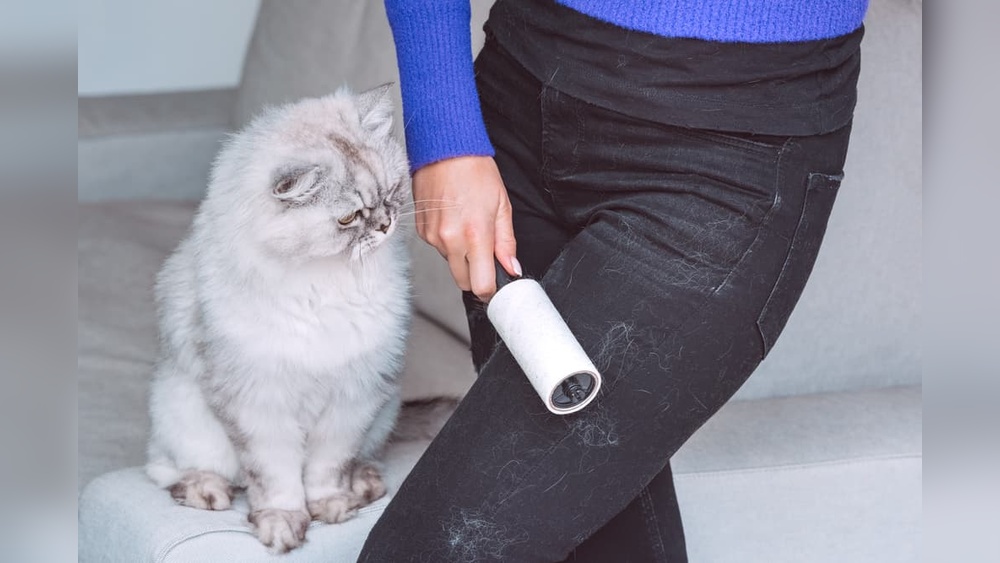
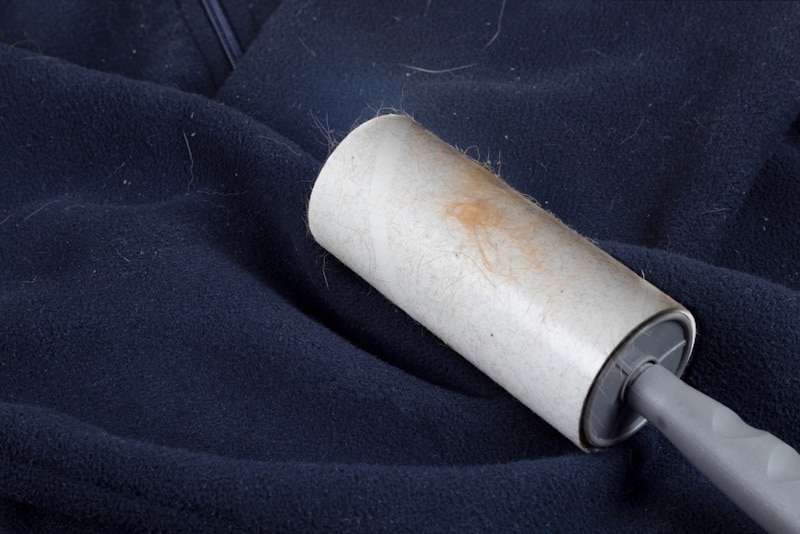
- Lint rollers: The sticky sheets on a lint roller pick up fur quickly. Roll over your clothes, peeling away used layers as needed. Keep one by the door or in your bag for emergencies.
- Sticky tape: If you don’t have a lint roller, wide sticky tape (like packing tape) works in a pinch. Wrap it around your hand, sticky side out, and pat your clothes to lift hair.
- Rubber gloves: Slightly dampen a rubber glove and run your hand over your clothes. Fur clings to the glove and can be rinsed off. This method is especially good for stubborn or thick fabrics.
- Damp sponge: A barely wet sponge can lift hair from clothing. Use short strokes in one direction. This works well for pants, jackets, or larger areas.
- Clothing brushes: Fabric brushes with fine bristles can lift off pet hair. They’re reusable and gentle on delicate fabrics, though they take a bit more time.
These methods are best for last-minute touch-ups, but for heavy fur build-up, you’ll need deeper cleaning.
Deep Cleaning: Washing And Drying Clothes
Washing and drying your clothes is a powerful way to remove embedded cat fur, but there’s a right way and a wrong way to do it. Many people find that simply throwing fur-covered clothes in the washer leads to hair clumping and sticking to other garments.
Steps For Maximum Fur Removal
- Shake out clothes first: Before washing, take items outside and shake them well. This removes loose fur and prevents your machine from getting clogged.
- Use a dryer before washing: Place clothes in the dryer on a no-heat or low-heat cycle for 10 minutes. The tumbling action loosens fur and the lint trap collects it.
- Add dryer sheets or dryer balls: Dryer sheets reduce static, making it easier for fur to detach. Dryer balls help separate clothes, further releasing hair.
- Clean the lint trap: Always clean your dryer’s lint trap before and after use to prevent build-up and fire hazards.
- Wash with extra rinse: After drying, wash clothes as usual. Use an extra rinse cycle to flush away any remaining fur.
- Repeat drying if needed: After washing, return clothes to the dryer with a fresh dryer sheet for best results.
Comparing Effectiveness: Drying Vs. Washing
Here’s how drying and washing stack up for fur removal:
| Method | Effectiveness | Best For | Notes |
|---|---|---|---|
| Dryer (no heat, before washing) | High | Most fabrics | Removes loose fur, use dryer sheet or balls |
| Washing only | Medium | Light fur | Can clump fur if not pre-dried |
| Dryer (after washing) | High | All clothes | Final removal, clean lint trap |
Two-step drying and washing is the most effective routine for heavy fur contamination.
Tools For Removing Cat Fur: What Really Works
The market is full of gadgets promising to solve your cat fur problems. Some are worth the money, others just collect dust. Here are the most common tools, how they work, and when to use them.
1. Lint Rollers
Lint rollers are a classic tool for pet owners. They use sticky sheets to pick up hair with a simple rolling motion. They’re great for quick clean-ups, travel, and delicate fabrics. The downside? Sheets run out quickly and need refilling.
2. Fabric Brushes
Fabric brushes have fine bristles or a textured surface to lift fur from clothing. They’re reusable and eco-friendly, but take more effort than sticky rollers. Fabric brushes work best for thick coats, suits, and wool.
3. Rubber Gloves
With a slightly damp rubber glove, you can sweep fur off clothes and furniture. The friction attracts hair, and the glove rinses clean. This tool is cheap, easy to use, and great for large surfaces.
4. Dryer Balls
Dryer balls (rubber or wool) bounce among clothes in the dryer, loosening fur with their movement. They also reduce static, helping fur release from fabric. Dryer balls are reusable and help clothes dry faster.
5. Pet Hair Remover Sponges
Specialized pet hair sponges are made for dry or damp use. They grab onto fur with their unique texture. These are good for spot cleaning and upholstery but less effective on very fine hair.
6. Washable Sticky Brushes
Some brushes combine the benefits of rollers and reusable tools. Washable sticky brushes trap fur and can be rinsed under water. They’re cost-effective and last longer than paper rollers.
7. Vacuum Attachments
Handheld vacuums or special vacuum attachments can remove fur from clothes, especially in bulk. Some have fabric brushes built in. This is a good option for car seats or stubborn hair on thick fabrics.
Tool Comparison: Which Is Best?
To help you choose, compare the most popular tools below:
| Tool | Reusable? | Best For | Limitations |
|---|---|---|---|
| Lint roller | No | Quick touch-ups, travel | Needs refills, wasteful |
| Fabric brush | Yes | Delicates, wool, suits | More effort |
| Dryer balls | Yes | Machine drying, bulk removal | Needs dryer, not instant |
| Rubber gloves | Yes | Large areas, upholstery | Manual, not precise |
Non-obvious insight: Many people overlook dryer balls, but they not only remove fur—they reduce drying time, saving energy and money in the long run.
Credit: www.catster.com
Best Fabrics And Clothes For Cat Owners
The type of clothing you wear makes a big difference in how much cat fur sticks and how easy it is to remove. If you live with cats, choosing the right materials can save you time and frustration.
Fabrics That Resist Cat Fur
- Leather and faux leather: Fur slides off and can be wiped clean with a damp cloth.
- Denim: Tightly woven and less likely to attract fur.
- Polyester and nylon: Smooth, synthetic fibers release hair more easily.
- Silk: While not always practical, silk doesn’t hold hair as much as cotton or wool.
Fabrics That Attract Cat Fur
- Wool and fleece: The nap of these fabrics grabs fur, making removal harder.
- Corduroy: The ridges act like a magnet for pet hair.
- Knits and jersey: The loose weave traps hair deep inside.
- Velvet: The soft surface collects fur and is difficult to clean.
Clothing Choices
- Choose darker colors if your cat is light-colored, and vice versa, to hide fur between washes.
- Wear smooth-textured clothes on days when you need to look polished.
- Reserve “cat cuddle” time for old clothes or housewear to keep your best outfits fur-free.
Non-obvious tip: Some anti-static sprays, used on clothes before wearing, help reduce how much fur sticks during the day.
Preventing Cat Fur On Clothes: Proactive Strategies
The best way to deal with cat fur is to stop it from getting on your clothes in the first place. Prevention saves time and keeps your wardrobe in better condition.
Grooming Your Cat
Regular grooming is the most effective way to reduce shedding. Brush your cat daily, especially during seasonal changes. Short-haired cats shed less than long-haired breeds, but all cats benefit from grooming.
- Use a slicker brush or grooming glove for everyday brushing.
- Try an undercoat rake for double-coated breeds.
- Wipe your cat with a damp cloth to remove loose fur after brushing.
Frequent grooming not only controls fur but also reduces hairballs and skin problems.
Home Cleaning Habits
- Vacuum your home often, focusing on places your cat sleeps or lounges.
- Use a pet-specific vacuum with a HEPA filter to trap fine hairs.
- Wash pet bedding weekly.
- Consider using washable throws or covers on your furniture and change them regularly.
Clothing Storage And Habits
- Store clean clothes in closed closets or garment bags, away from your cat’s favorite spots.
- Change clothes after cuddling with your pet.
- Keep a lint roller near your laundry area and by the door.
Static Control
Fur sticks best in dry, static-filled environments. Use a humidifier in winter to keep air moist. Try anti-static sprays on both clothing and furniture to reduce attraction.
Non-obvious insight: Many cat owners forget that regular window cleaning reduces static build-up on glass, which can indirectly decrease overall static in your home and reduce fur cling.
Removing Cat Fur From Special Fabrics And Delicate Items
Some clothes need extra care—think of your favorite sweater, a silk blouse, or a formal suit. Removing cat fur from delicate fabrics requires gentle methods to avoid damage.
Wool And Cashmere
- Use a fabric brush with soft bristles, stroking gently in one direction.
- Avoid sticky rollers, which can pull fibers.
- If needed, use the dryer method: Tumble on “air only” for a few minutes with a dryer sheet.
Silk And Lace
- Use a microfiber cloth or a small, clean makeup brush to pick up hair.
- Avoid water or excessive friction, which can damage the fabric.
- If fur is deeply embedded, take the item to a professional cleaner.
Suits And Formal Wear
- Use a high-quality lint brush designed for wool.
- Hang suits in garment bags to prevent fur from settling.
- For stubborn hair, try a handheld steamer before brushing.
Non-obvious tip: Letting your delicate clothes “rest” for a few hours before removing fur allows static to fade, making the job easier.
Removing Cat Fur From Clothes Without Washing
You don’t always have time (or want) to wash your clothes just for a bit of fur. Here are techniques for dry removal:
- Microfiber cloths: Wipe down fabric; the fine fibers trap hair.
- Velcro curlers: Roll them over clothing to pick up hair, especially in small areas.
- Compressed air: For tricky spots (zippers, seams), a blast of compressed air dislodges hair.
- Pet hair remover stones: These pumice-like tools scrape off fur from denim or thick fabrics.
Non-obvious insight: Rubbing a dryer sheet over your clothes (without a dryer) instantly reduces static and releases fur. This is especially helpful when you’re away from home.
Eco-friendly Ways To Remove Cat Fur
If you want to avoid disposable products, there are sustainable ways to keep your wardrobe clean.
- Choose washable lint brushes or reusable rubber gloves.
- Use dryer balls instead of single-use dryer sheets.
- Try homemade anti-static spray: Mix water and a little fabric softener in a spray bottle.
- Brush your cat outdoors to keep loose fur out of the house.
Eco-friendly methods save money and reduce waste, while still fighting the fur battle.
Common Mistakes To Avoid
Many people waste time or damage their clothes with the wrong techniques. Avoid these common pitfalls:
- Skipping the pre-dry step: Washing clothes before tumbling traps hair in the fabric.
- Overloading the washer or dryer: Clothes need space to tumble and release fur.
- Ignoring the lint trap: A clogged lint trap not only leaves fur on clothes but is also a fire risk.
- Using harsh brushes on delicates: Always match the tool to the fabric.
- Not grooming your cat: More loose fur on the cat means more on your clothes.
Non-obvious insight: Don’t use fabric softener on technical or athletic fabrics; it can make them attract even more hair.
How To Remove Cat Fur From Clothes On The Go
When you’re out and notice cat fur on your clothes, you need quick fixes. Here’s what you can do:
- Travel lint rollers: Small, portable, and easy to use in the car or office.
- Sticky tape: Most workplaces have tape available; use it like a mini roller.
- Damp paper towel: Run it over your clothes, then throw it away.
- Hand friction: Rubbing hands briskly over the fabric can lift some hair in emergencies.
Tip: Keep a spare lint roller and mini spray bottle of anti-static spray in your bag or car for surprise situations.
Professional Services And When To Seek Help
Sometimes, home methods aren’t enough. If you have valuable or extremely delicate clothing covered in cat fur, consider:
- Professional dry cleaning: Experts have special machines and chemicals that lift fur without harming clothes.
- Specialty laundries: Some services offer pet hair removal options.
- Home cleaning services: For those with allergies or time constraints, hiring help for regular cleaning can keep fur under control.
Professional help is worth it for items that are expensive, sentimental, or impossible to replace.
Credit: www.youtube.com
Science Behind Cat Fur And Static Electricity
Why does cat fur seem to “jump” onto your clothes? The answer is static electricity. When two different materials rub together—like your sweater and your cat—electrons transfer, creating a charge. This charge pulls light objects (like fur) toward the opposite charge, making removal difficult.
Dry air increases static, so humidifiers and anti-static products help reduce the problem. Some laundry detergents also have anti-static agents built-in.
Non-obvious insight: Wearing natural-fiber underlayers (like a cotton undershirt) can reduce static on the outer layer, making fur less likely to stick.
For more details about static electricity and laundry, visit this Wikipedia article.
How To Keep Cat Fur Off Clothes During Laundry
Even if you follow all the best practices, sometimes fur seems to survive every wash. Here’s how to maximize your laundry routine:
- Always shake out clothes outdoors before washing.
- Use dryer balls and dryer sheets for every load.
- Don’t overload machines; clothes should move freely.
- Run an extra rinse cycle for heavy fur loads.
- Wipe down the inside of the washer and dryer between loads to remove trapped hair.
- Clean the washer’s filter regularly.
Non-obvious insight: Adding half a cup of white vinegar to the rinse cycle softens fabric and helps fur release more easily.
Cat Fur And Allergies: What To Know
For some, cat fur isn’t just an annoyance—it can trigger allergies. Cat dander (tiny skin flakes) sticks to hair and spreads easily. While removing fur helps, it doesn’t eliminate dander.
- Wash clothes frequently.
- Use HEPA filters in your home and vacuum.
- Wash your hands after petting your cat.
- Consider allergy covers for bedding and upholstery.
Managing fur helps reduce, but may not completely remove, allergens from your environment.
Teaching Family Members And Guests
If you live with others or have visitors, share these tips:
- Keep a lint roller in guest rooms and entryways.
- Ask guests to hang their coats in closed closets.
- Provide washable throws on shared furniture.
- Teach children to change into “cat clothes” for playtime.
Making fur removal a shared effort keeps your home and wardrobe tidier.

Credit: www.youtube.com
Frequently Asked Questions
How Do I Remove Cat Fur From Black Clothes?
Black clothes show cat fur more than any other color. Use a lint roller or damp microfiber cloth for best results. Dryer sheets and dryer balls help in the laundry. Store black clothes separately and wear them when your cat is less likely to cuddle.
Can I Use A Hair Dryer To Remove Cat Fur From Clothes?
A hair dryer on a cool setting can blow away loose fur, especially from thick or textured fabrics. Use it outside or in a laundry room. Always follow with a lint roller or brush to catch remaining hair.
What’s The Best Way To Remove Cat Fur From Delicate Fabrics?
For delicate fabrics like silk or cashmere, avoid sticky rollers. Use a soft fabric brush or microfiber cloth. For deeply embedded hair, try professional cleaning.
Is There A Spray That Helps Prevent Cat Fur From Sticking?
Yes, anti-static sprays for clothes can help reduce fur cling. You can also make a homemade spray with water and a little fabric softener. Spray lightly before wearing for best results.
How Often Should I Groom My Cat To Reduce Shedding?
Daily brushing is best, especially during shedding seasons (spring and fall). Even short-haired cats benefit from regular grooming. This keeps more fur on the brush and less on your clothes.
Keeping cat fur off your clothes takes a mix of smart habits, the right tools, and a little patience. By understanding why fur sticks, choosing the right fabrics, and using proven cleaning methods, you can stay stylish and comfortable—even with a cat in your life.
With these strategies, you’ll spend less time fussing with fur and more time enjoying your feline friend.