
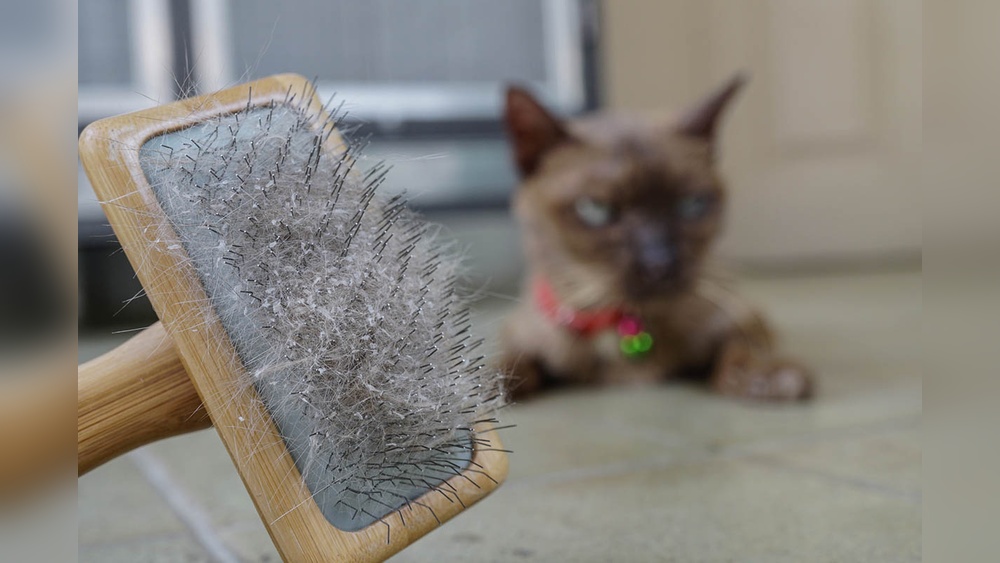
Caring for your cat is more than just food and play. Sometimes, you notice things that worry you, like dandruff in cat fur. Those tiny white flakes can make your cat’s coat look dull and can signal health problems. Many cat owners feel confused when they see dandruff. Is it just dry skin, or is there something serious behind it? If you want to help your cat get rid of dandruff and enjoy a shiny, healthy coat again, you’re in the right place.
This guide will show you step-by-step how to remove dandruff from your cat’s fur, why it happens, and how to prevent it in the future. You’ll also find practical tips, common mistakes, and clear answers to the most frequent questions cat owners have.
Whether your cat has mild flakes or lots of dandruff, you’ll learn what works—and what doesn’t. Let’s make your cat comfortable and beautiful again.
What Is Cat Dandruff?
Cat dandruff means dry, flaky skin that appears as small white bits in your cat’s fur. It’s not the same as human dandruff, which is often caused by fungus. In cats, dandruff is usually a sign that the skin is too dry, irritated, or not healthy. These flakes can show up anywhere but are often seen along the back, base of the tail, or near the head.
Some cats have only a few flakes; others have a lot. Dandruff can make the coat look messy and sometimes even cause itching. It’s important to know that cat dandruff is a symptom, not a disease. It tells you that something is wrong with your cat’s skin or health.
Main Causes Of Dandruff In Cat Fur
Understanding the reasons for cat dandruff helps you solve the problem. Here are the most common causes:
- Dry air: Heated homes, especially in winter, can dry out your cat’s skin.
- Poor diet: Lack of essential fats, vitamins, or quality protein can affect skin health.
- Lack of grooming: Overweight, older, or sick cats often groom themselves less.
- Skin infections: Bacterial, fungal, or yeast infections can cause flaking.
- Parasites: Fleas, mites, or lice may irritate the skin and cause dandruff.
- Allergies: Food, environment, or product allergies can lead to flaky skin.
- Underlying health issues: Conditions like diabetes or thyroid problems affect skin.
- Genetics: Some breeds, like Persians, are more prone to skin dryness.
- Overbathing: Too many baths or harsh shampoos strip natural oils.
- Stress: Changes in routine or environment can affect grooming and skin.
It’s important to spot which cause affects your cat. Sometimes, there is more than one reason.
How To Check If Your Cat Has Dandruff
If you notice white flakes or your cat is scratching more, check for dandruff. Here’s how to do it:
- Gently part your cat’s fur, especially on the back and near the tail.
- Look for white flakes stuck to the skin or falling off.
- Check if the skin looks dry, red, or irritated.
- Watch for signs of itching or licking.
- Notice if the coat feels rough or dull.
Sometimes, dandruff is confused with cat dander or flea dirt. Dander is normal skin shedding, usually invisible. Flea dirt looks like small black dots and turns red when wet. Dandruff is white and flaky.
Step-by-step Guide To Remove Dandruff From Cat Fur
Getting rid of cat dandruff takes care and patience. Here’s a detailed guide:
Step 1: Improve Grooming Habits
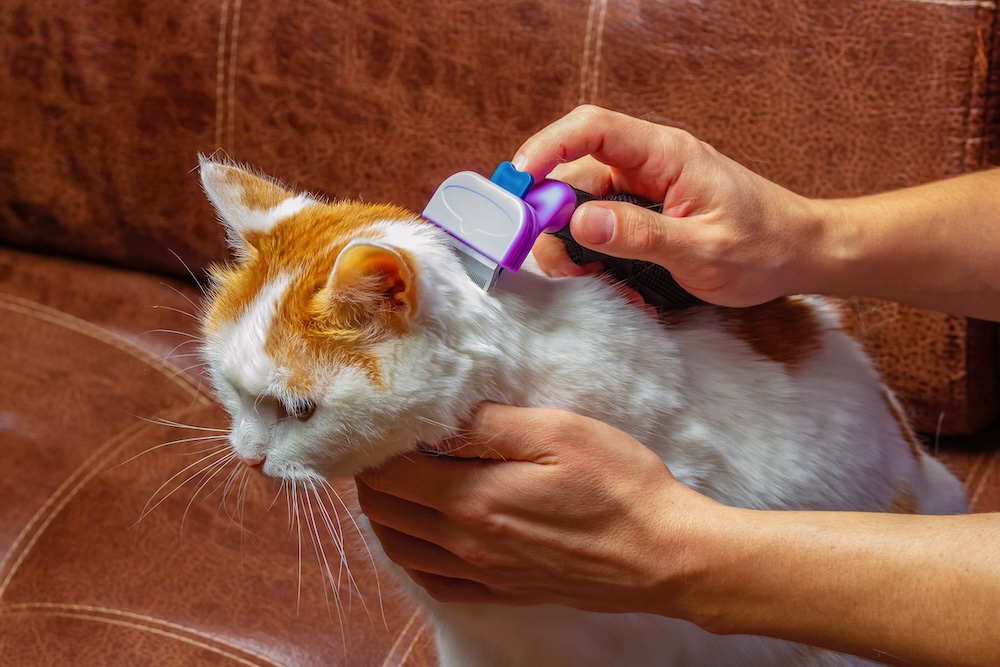
Regular brushing helps remove flakes and spreads natural oils.
- Use a soft bristle brush or a grooming glove, depending on your cat’s fur type.
- Brush gently every day, especially if your cat is older or overweight.
- For long-haired breeds, use a wide-tooth comb to avoid tangles.
Brushing not only removes dandruff but also stimulates healthy skin.
Step 2: Optimize Your Cat’s Diet
Skin health starts from inside. Feed your cat quality food.
- Choose food with omega-3 and omega-6 fatty acids (like fish oil).
- Pick brands with high protein and balanced vitamins.
- Avoid foods with too many fillers or artificial ingredients.
If your cat’s food is low quality, switch gradually to better options. You can also add supplements, but consult your vet first.
Step 3: Manage Environmental Factors
Dry air can make dandruff worse.
- Use a humidifier in rooms where your cat spends time.
- Keep your home at a comfortable temperature—not too hot or cold.
- Avoid direct heat sources like radiators or heaters near your cat.
Cats are sensitive to air changes, so small improvements help.
Step 4: Bathing And Skin Care
Bathing is rarely needed, but sometimes helps.
- Use only cat-specific shampoos—never human products.
- Choose gentle, moisturizing shampoos with natural ingredients.
- Bathe your cat only if recommended by your vet (usually once every few months).
- After bathing, dry your cat completely and avoid drafts.
Overbathing strips oils, so don’t do it often. If your cat hates baths, try a damp washcloth instead.
Step 5: Check For Parasites And Skin Conditions
Parasites like fleas or mites often cause dandruff.
- Look for signs of fleas, lice, or mites—check for bites or black dirt.
- Use vet-approved flea treatments and follow instructions.
- If you see redness, sores, or hair loss, visit your vet for a diagnosis.
Some skin conditions need medical treatment. Never use home remedies without advice.
Step 6: Reduce Stress And Encourage Grooming
Stress can affect grooming habits.
- Keep your cat’s routine stable.
- Provide safe hiding spots and vertical spaces.
- Use calming products like pheromone diffusers if needed.
Encourage your cat to groom by offering treats, gentle petting, and quiet time.
Step 7: Monitor And Adjust
Keep track of your cat’s progress.
- Note any changes in skin, coat, or behavior.
- Adjust your care as needed—sometimes small changes make a big difference.
- If dandruff persists after 2–3 weeks, consult your vet.
Some causes take time to fix, so be patient and consistent.

Credit: www.youtube.com
Comparing Cat Dandruff Solutions
To help you choose the best approach, here’s a comparison of popular methods:
| Solution | Effectiveness | Speed of Results | Safety |
|---|---|---|---|
| Daily Brushing | High | 1–2 weeks | Very Safe |
| Improved Diet | High | 2–4 weeks | Very Safe |
| Bathing | Medium | Immediate | Safe if proper shampoo used |
| Flea Treatment | High (if parasites present) | 1–2 days | Safe if vet-approved |
| Humidifier | Medium | 1–3 weeks | Very Safe |
| Skin Supplements | Medium | 2–4 weeks | Safe with vet guidance |
Most cats respond best to a mix of daily grooming, quality food, and environmental changes. Bathing or supplements are secondary options.
How Often Should You Groom Your Cat?
Grooming frequency depends on your cat’s breed, age, and health. Here’s a simple guide:
| Cat Type | Recommended Grooming | Reason |
|---|---|---|
| Short-haired | 2–3 times a week | Less prone to tangles, but regular brushing helps |
| Long-haired | Daily | Prevents mats, removes flakes |
| Senior cats | Daily | Often groom less themselves |
| Overweight cats | Daily | Struggle to reach all areas |
If your cat has dandruff, increase grooming until the skin improves. Afterward, follow the normal schedule.
Best Cat Grooming Tools For Dandruff
Choosing the right tools makes a big difference. Here are some recommended options:
- Soft bristle brush: Gentle on skin, good for short-haired cats.
- Grooming glove: Lets you pet and groom at the same time.
- Wide-tooth comb: Useful for long fur and tangles.
- Fine-tooth flea comb: Helps check for fleas and remove flakes.
- Moisturizing wipes: For cats who dislike brushing.
Avoid harsh brushes or metal combs that scratch the skin. If your cat resists grooming, try different tools and work slowly.
Nutrition And Skin Health: What Should Your Cat Eat?
Diet is a key factor in preventing and treating dandruff. Cats need:
- High-quality animal protein: Chicken, turkey, fish.
- Essential fatty acids: Look for omega-3 and omega-6 in ingredients.
- Vitamin E and B: Support skin repair and health.
- Clean, fresh water: Hydration affects skin moisture.
Some cat foods advertise “skin and coat formulas. ” These usually have extra fish oil or flaxseed. If your cat’s diet lacks these, ask your vet about supplements.
Example Of A Balanced Cat Food Label
| Ingredient | Purpose |
|---|---|
| Chicken (main protein) | Muscle and skin health |
| Fish oil | Omega-3 for skin |
| Brown rice | Digestible energy |
| Vitamin E | Supports skin repair |
| Biotin | Maintains healthy fur |
Switching to a better diet often improves dandruff within a month. But sudden changes can upset digestion, so transition slowly.
Common Mistakes When Treating Cat Dandruff
Many owners make errors that can make dandruff worse. Avoid these:
- Using human shampoo: Too harsh for cat skin.
- Overbathing: Strips oils, causes dryness.
- Ignoring diet: Cheap food leads to poor skin.
- Not checking for parasites: Fleas and mites often cause flakes.
- Skipping vet visits: Persistent dandruff can signal illness.
- Brushing too hard: Damages skin and causes stress.
- Giving random supplements: Some are unsafe for cats.
- Waiting too long: Early care prevents bigger problems.
If you’re unsure, ask your vet. It’s better to get advice than risk your cat’s health.
When To See The Vet
Most dandruff cases are mild and improve with home care. But some signs mean you should see your vet:
- Dandruff lasts more than 3 weeks
- Skin is red, swollen, or bleeding
- Your cat is losing fur
- Excessive scratching or licking
- Other symptoms: Tiredness, weight changes, appetite loss
These signs can mean infection, allergy, or underlying health issues. Vets can do skin tests, check for parasites, and recommend safe treatments.
How Cat Dandruff Differs From Other Skin Problems
Not all white flakes are dandruff. Here’s how to tell them apart:
- Dander: Tiny skin particles, normal shedding, usually invisible.
- Flea dirt: Black dots, turns red when wet, sign of fleas.
- Ringworm: Circular bald spots, redness, contagious fungus.
- Seborrhea: Oily skin and yellow flakes, needs medical care.
- Allergies: Red, itchy skin with possible flaking.
If you’re unsure, take a photo and ask your vet. Correct diagnosis is key.
Preventing Cat Dandruff In The Future
Once dandruff is gone, keep your cat’s skin healthy:
- Stick to regular grooming
- Feed balanced, high-quality food
- Keep water clean and available
- Use humidifiers during dry seasons
- Watch for fleas and parasites
- Give your cat a stable, stress-free environment
Prevention is easier than treatment. Most cats with good care never get dandruff again.
Practical Tips For Easy Cat Grooming
Some cats resist grooming, making dandruff hard to fix. Try these tips:
- Start with short sessions and reward with treats
- Use a glove or soft brush for sensitive cats
- Groom after meals when your cat is calm
- Talk gently and avoid sudden moves
- For kittens, start early so they get used to brushing
If your cat hates grooming, don’t force it. Try different tools, locations, and times of day.
Real-life Example: Success Story
Mia, a 7-year-old Persian, had visible dandruff and a dull coat. Her owner noticed she groomed less and scratched a lot. First, they switched her food to a brand with omega-3s and started daily brushing with a soft bristle brush.
They also added a humidifier to her favorite room and checked for fleas. Within three weeks, Mia’s dandruff was gone, her coat looked shiny, and she groomed more. This shows how simple changes can solve the problem.

Credit: www.youtube.com
Cat Breeds Prone To Dandruff
Some breeds are more likely to get dandruff due to their skin or fur type:
- Persian: Thick fur, often needs extra grooming.
- British Shorthair: Dense coat, prone to dryness.
- Sphynx: No fur, skin exposed, needs special care.
- Maine Coon: Long fur, matting causes flakes.
If you have one of these breeds, be proactive with grooming and diet.
Signs That Dandruff Is Improving
Watch for these positive changes:
- Fewer flakes in fur
- Softer, shinier coat
- Less scratching or licking
- More regular grooming by your cat
Improvement usually starts within a week. Complete recovery can take several weeks, depending on the cause.
Should You Use Home Remedies?
Some owners try home remedies like coconut oil or oatmeal baths. These can help mild cases, but only if used correctly:
- Use small amounts of coconut oil, rub gently into the skin.
- Oatmeal baths soothe irritation, but rinse well.
- Avoid essential oils—they are toxic to cats.
Always check with your vet before trying any home remedy.
How To Make Grooming Fun For Your Cat
Turning grooming into a positive experience helps both you and your cat:
- Use grooming as bonding time
- Offer treats after brushing
- Play with grooming gloves as toys
- Let your cat sniff tools before using them
- Groom at the same time each day for routine
Cats love routine and rewards. If you make grooming enjoyable, your cat will look forward to it.
The Role Of Hydration In Skin Health
Cats often drink less than they need, especially if eating dry food. Dehydration causes dry skin and dandruff.
- Always provide fresh water in clean bowls
- Try a cat fountain to encourage drinking
- Add wet food to their diet for extra moisture
Proper hydration helps keep the skin soft and reduces flakes.
Importance Of Regular Health Checks
Regular vet visits help catch problems early.
- Schedule yearly checkups, even if your cat seems healthy
- Ask your vet to check skin and coat health
- Update flea and parasite prevention as recommended
Early action prevents bigger issues like infections or allergies.
How Cat Dandruff Can Affect You
Dandruff is not dangerous to humans, but heavy flakes can cause allergies in sensitive people. Keeping your cat’s skin healthy also keeps your home cleaner. Less dandruff means fewer flakes on furniture, clothes, and air.
Statistics: How Common Is Cat Dandruff?
According to surveys by veterinary clinics, about 15–20% of cats show visible dandruff at least once in their lives. Older cats and those with chronic illness are most affected. With proper care, over 80% of cases clear up within a month.
Credit: faithfulfriendsvetclinic.com
Expert Advice: When To Use Supplements
Supplements like fish oil or biotin can help, but only if your cat’s diet lacks these nutrients.
- Fish oil: Start with 1/4 teaspoon daily (check for flavoring and purity)
- Biotin: Use only vet-recommended brands
- Monitor for side effects: Some cats may get diarrhea or allergies
Supplements are not magic. They work best with grooming and good food.
Cleaning Your Home To Reduce Flakes
Dandruff falls off and collects in bedding, carpets, and furniture. Keep your home clean:
- Wash cat bedding weekly
- Vacuum carpets and sofas often
- Use air purifiers if allergies are a concern
Clean homes support healthy cats and happy owners.
Are There Medicated Shampoos For Cat Dandruff?
Yes, but use only under vet advice. Medicated shampoos treat severe cases, infections, or allergies. Never use dog or human products. Read labels carefully and follow instructions.
Frequently Asked Questions
What Causes Dandruff In Cat Fur?
Most dandruff is caused by dry skin, poor diet, lack of grooming, parasites, or allergies. Sometimes, it signals illness like diabetes or thyroid problems.
Can Cat Dandruff Spread To Humans?
No, cat dandruff is not contagious to humans. But heavy flakes can trigger allergic reactions in sensitive people.
How Long Does It Take To Remove Dandruff From Cat Fur?
With daily brushing, improved diet, and better environment, most cats see improvement in 1–3 weeks. Severe cases may take longer.
What Is The Best Brush For Removing Cat Dandruff?
A soft bristle brush or grooming glove works best for most cats. For long-haired breeds, use a wide-tooth comb to avoid pulling.
Should I Use Supplements For My Cat’s Skin?
Supplements like fish oil help if your cat’s diet lacks essential fatty acids. Always talk to your vet before starting any new supplement.
Taking care of cat dandruff is not difficult if you use the right methods. With regular grooming, good nutrition, and a healthy environment, your cat’s coat will shine again. If problems persist or your cat shows signs of illness, your vet is the best resource. For more details on cat skin health, visit ASPCA Cat Health.
Your cat deserves comfort, beauty, and health. With these tips, you can make dandruff a thing of the past and enjoy a happy, thriving pet.