
Cats are known for their curiosity, and sometimes that curiosity gets them into sticky situations—literally. If you’re a cat owner, you know that even a small accident can turn into a big worry. One of the most stressful scenarios is finding dry paint on your cat’s fur. Whether from a recent home project or a knocked-over paint can, it’s important to act carefully. Dry paint is not only uncomfortable for your cat but can also be dangerous if licked or ingested.
Many pet owners panic and try to cut the paint out or use harsh chemicals. This can harm your cat’s skin and fur or make things worse. The good news? With the right approach and a little patience, you can remove dry paint safely.
This guide explains every step clearly—so you can help your cat without stress or confusion.
Why Paint On Cat Fur Is A Problem
At first glance, a little paint might not seem serious. But dry paint can cause several issues:
- Toxicity: Some paints contain chemicals that are harmful if licked. Even small amounts can upset your cat’s stomach or cause poisoning.
- Matting and skin irritation: Paint hardens and sticks fur together, which can pull on the skin and cause pain.
- Obstruction: If large amounts are stuck, it can stop your cat from grooming or moving comfortably.
- Infection: Paint traps moisture and dirt, creating a risk of skin infection under the fur.
Understanding these risks is important. It’s not just about keeping your cat looking good—it’s about their health and comfort.
First Steps: Assess The Situation
Before you start, take a moment to check a few things. This will help you choose the safest and best method for your cat.
1. Identify The Paint Type
Not all paints are the same. Some are water-based, while others are oil-based or contain special chemicals. If you still have the paint can, check the label.
- Water-based paints (like latex or acrylic): Less toxic, usually easier to remove.
- Oil-based paints: More dangerous if ingested, harder to clean.
- Spray paint, stains, or specialty coatings: May contain solvents or heavy metals.
If you’re unsure, search the brand online or contact the manufacturer. Most household wall paints are water-based, but always check.
2. Check How Much Paint Is Involved
Is there a small spot, or is a large area covered? The size and location matter. A little on the tip of the tail is less urgent than a big patch on the belly.
- Small spots: Can often be handled at home.
- Large areas or near the face/mouth: May need a vet’s help.
3. Observe Your Cat’s Behavior
Is your cat acting normal, or do they seem sick? Signs of a problem:
- Excessive licking
- Drooling or vomiting
- Difficulty walking or breathing
- Red, swollen, or bleeding skin
If you see these, call your vet first.
Gather Your Supplies
Having the right tools ready will make the process smoother and less stressful for both you and your cat.
You’ll need:
- A wide-tooth comb and a fine-tooth comb
- Pet-safe wipes or damp towels
- Mild dish soap (unscented, like Dawn)
- Vegetable oil or mineral oil
- Scissors (with rounded tips)
- Old towels or a blanket
- Treats to keep your cat calm
- Gloves (optional, if the paint is oily or your cat tends to scratch)
For large or stubborn spots, you may also need a spray bottle of warm water and a cat-safe shampoo.
Safety First: Before You Begin
Some steps are easy to overlook but make a big difference.
- Keep your cat calm. Speak softly, use treats, and work in a quiet space.
- Do not use paint thinners, acetone, or strong solvents. These can burn your cat’s skin or cause poisoning.
- Avoid pulling or cutting fur unless necessary. This can hurt or frighten your cat.
- Have a helper if possible. Another person can hold your cat or distract them with treats.
- Work in short sessions if your cat gets stressed. It’s fine to take breaks.
Methods To Remove Dry Paint From Cat Fur
The right method depends on the paint type, the size of the spot, and your cat’s temperament. Here are the safest and most effective techniques.
1. For Water-based Paint (latex, Acrylic)
Water-based paint is the most common in homes. It’s less sticky and less toxic than oil-based types.
Step 1: Soften The Paint
Gently wet a clean towel with warm water. Press it on the painted fur for a few minutes. This helps soften the paint and makes it easier to remove.
Step 2: Loosen With A Comb
Use a wide-tooth comb to gently separate the fur. Start from the ends and work toward the skin. Don’t pull—be gentle.
Step 3: Wash With Mild Soap
Mix a little mild dish soap with warm water. Dip a towel or your fingers in the soapy water and massage the area. Rinse with more warm water. Repeat as needed, but avoid soaking your cat.
Step 4: Repeat And Dry
You might need to repeat these steps several times. When the paint is gone, dry your cat with a towel and offer treats.
Tip: If the paint is still hard, try adding a little vegetable oil and waiting 10–15 minutes before combing again.
2. For Oil-based Paint
Oil-based paints are harder to remove and more dangerous. Never use paint thinner, turpentine, or nail polish remover on your cat.
Step 1: Apply Vegetable Or Mineral Oil
Pour a small amount of vegetable oil (like olive oil) or mineral oil onto the painted fur. Massage gently with your fingers to loosen the paint. Let it sit for 5–15 minutes.
Step 2: Comb Out Paint
After the oil has softened the paint, use a wide-tooth comb to gently remove as much as possible.
Step 3: Clean With Soap
Wash the area with a pet-safe shampoo or mild dish soap to remove oil and paint residue. Rinse carefully.
Step 4: Dry And Observe
Pat the area dry and watch your cat for any signs of irritation or licking.
Non-obvious Insight: Oil-based paint can take several sessions to remove. Don’t rush—doing it gently over a few days is safer than trying to finish in one go.
3. For Spray Paint Or Stains
These often contain harsh chemicals. If a large area is affected or the paint is near the mouth, call your vet.
Step 1: Soften With Oil
Apply vegetable oil as above. Let it sit for at least 10 minutes.
Step 2: Comb And Wipe
Use a comb to loosen the paint, then wipe with a damp towel.
Step 3: Wash
Clean the area with a gentle soap and rinse well.
Tip: Always check the product’s safety sheet online if you’re not sure about ingredients.
Table: Paint Types And Removal Difficulty
Here’s how common paint types compare for removal and risk:
| Paint Type | Removal Difficulty | Toxicity Level | Recommended Method |
|---|---|---|---|
| Water-based (Latex, Acrylic) | Easy–Moderate | Low–Medium | Warm water, mild soap |
| Oil-based | Moderate–Hard | High | Vegetable oil, gentle shampoo |
| Spray paint/Stains | Hard | High–Very High | Vegetable oil, vet advice |

Credit: www.amazon.com
When To Cut Paint Out
Sometimes, the only way to remove dry paint is to trim the fur. This should be a last resort.
- Use blunt-tipped scissors
- Only cut small mats or clumps—not near the skin
- Never cut if you can’t see the skin clearly
If you’re unsure, a professional groomer or your vet can help. They have safe tools and know how to keep your cat calm.
When To Call The Vet
Certain situations are too risky to handle at home. Call your vet if:
- The paint covers a large area or is near the eyes, mouth, or genitals
- Your cat is acting sick (vomiting, drooling, lethargy)
- The skin is red, bleeding, or swollen under the paint
- You can’t identify the paint type
- The paint is not coming off after several tries
Vets can safely sedate your cat or use special products to remove the paint without harm.
How To Keep Your Cat Calm During The Process
Cats don’t love baths or being held for long. Here’s how to make it easier:
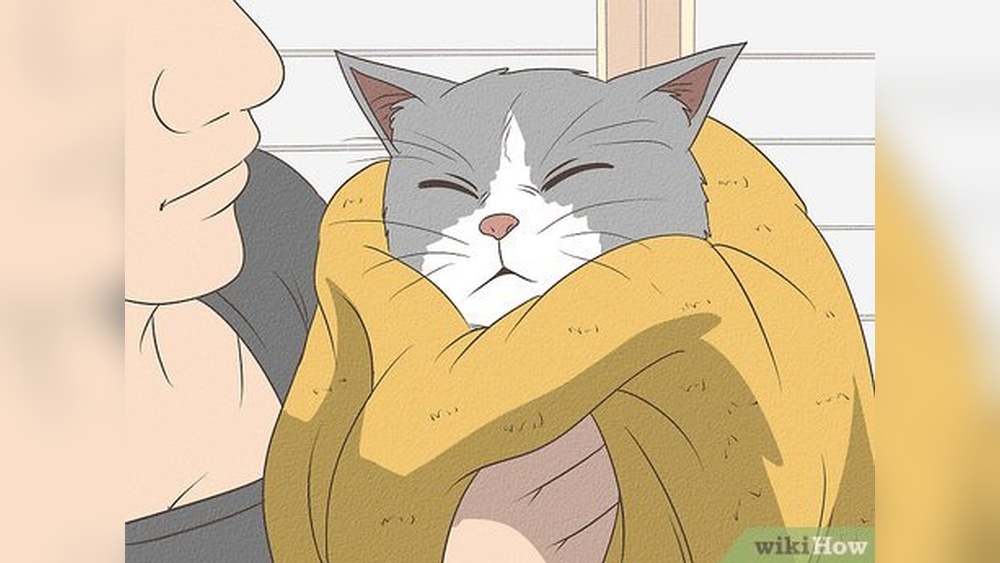
- Wrap your cat in a towel (“kitty burrito”) with only the painted part exposed
- Use treats and soothing words to distract and reward
- Work in a warm, quiet room with no sudden noises
- Take breaks if your cat is upset—slow and steady is better
- Ask a friend or family member to gently hold or pet your cat
Non-obvious Insight: Cats can sense your stress. Staying calm and speaking softly helps your cat relax, making the process smoother.
What Not To Do
Mistakes can make things worse. Avoid these common errors:
- Don’t use nail polish remover, turpentine, or gasoline
- Don’t shave your cat’s fur yourself—this risks cuts and burns
- Don’t force your cat if they panic; pause and try later
- Don’t ignore skin irritation—get vet help if needed
Aftercare: Caring For Your Cat’s Skin And Fur
Once the paint is gone, your cat’s skin may be sensitive. Here’s how to help:
- Brush out tangles daily for a few days to prevent mats
- Watch for redness, swelling, or sores—these may need vet care
- Use a gentle, moisturizing pet conditioner if the fur feels dry
- Keep your cat indoors until you’re sure all the paint is gone
If your cat licks or scratches the area a lot, use a soft cone (Elizabethan collar) for a day or two to prevent further irritation.
Preventing Future Paint Accidents
It’s always better to avoid the problem in the first place. Here’s what works:
- Keep cats out of painting areas. Close doors or use pet gates.
- Cover open paint cans and trays. Even a quick sniff can lead to a mess.
- Clean up spills right away. Wet paint is much easier to remove than dry.
- Use cat-safe rooms for play while you work on home projects.
- Store all painting supplies in cabinets or high shelves.
Practical Example: One cat owner put up a baby gate before painting a room. This simple step saved hours of clean-up later.
Table: Safe Vs. Unsafe Cleaning Products For Cats
Many household cleaners are not safe for pets. Here’s a quick reference:
| Product | Safe for Cats? | Notes |
|---|---|---|
| Warm water | Yes | Gentle, first choice |
| Mild dish soap (unscented) | Yes | Use small amounts |
| Vegetable oil | Yes | Remove thoroughly after use |
| Paint thinner/turpentine | No | Toxic and dangerous |
| Nail polish remover (acetone) | No | Burns skin, poisonous |
| Baby wipes | Sometimes | Only if labeled pet-safe |
| Pet-safe shampoo | Yes | Best for aftercare |
Real-life Example: Removing Oil-based Paint From A Cat’s Tail
Let’s look at a real scenario. A cat owner found dry, oil-based paint stuck on their cat’s tail. Here’s how they solved it:
- Identified the paint as oil-based by checking the paint can.
- Applied olive oil generously to the painted fur, massaging it in.
- Waited 15 minutes for the oil to soften the paint.
- Used a wide-tooth comb to gently separate fur and remove softened paint.
- Washed the tail with mild dish soap and rinsed carefully.
- Repeated oil treatment the next day for any remaining bits.
- Checked the skin daily for irritation, using a little pet conditioner to keep the fur soft.
Result: The paint was fully removed in two gentle sessions, and the cat’s tail healed without irritation.
Table: How Long Does It Take To Remove Dry Paint?
Paint removal is not instant. Here’s what to expect:
| Paint Type | Area Size | Estimated Time | Number of Sessions |
|---|---|---|---|
| Water-based | Small spot | 15–30 minutes | 1–2 |
| Water-based | Large patch | 30–60 minutes | 2–3 |
| Oil-based | Small spot | 20–40 minutes | 2–3 |
| Oil-based | Large patch | 1–2 hours (with breaks) | 3–4 |
| Spray paint | Any | 30–90 minutes | Multiple (vet may be needed) |
Is My Cat At Risk From Paint Exposure?
Some cat owners wonder if small paint accidents are a big deal. Here are a few facts:
- In 2021, the ASPCA’s Animal Poison Control Center reported over 2,000 cases of paint or solvent poisoning in pets.
- Water-based latex paint is less dangerous but can still cause mild stomach upset.
- Oil-based paints and stains are more likely to cause vomiting, drooling, or even neurological symptoms if ingested.
Cats are especially sensitive to chemicals because they groom so often. Even a small spot of paint can become a health risk if not removed.

Credit: www.youtube.com
What If My Cat Has Long Hair?
Long-haired cats need extra care. Paint can get deep into the undercoat and form mats.
- Work in layers, starting from the tips and moving to the base of the fur.
- Use a detangling spray made for cats if needed.
- After removing paint, brush the area daily to prevent new tangles.
If mats are too tight, a groomer can trim them safely.
Can I Use Human Shampoo Or Soap?
Stick to pet-safe products whenever possible. Human shampoos can dry out your cat’s skin or cause allergic reactions. If you must use dish soap, rinse thoroughly and use only a small amount.

Credit: www.amazon.com
How To Tell If All The Paint Is Gone
After cleaning, check for these signs:
- Fur feels soft and separates easily
- No paint color or flakes are left on the comb or towel
- Skin underneath looks normal (not red or sticky)
- Your cat is grooming and acting normal
If you still see hard or colored patches, repeat the cleaning process or consult your vet.
Bonus: How To Make A Cat-safe Cleaning Solution
If you want to avoid store-bought products, try this simple mix:
- 1 tablespoon baking soda
- 1 cup warm water
- 1 teaspoon unscented, mild dish soap
Mix well, dip a towel in the solution, and gently rub the painted fur. Rinse with plain water.
What If My Cat Licks The Paint?
If your cat licks or ingests paint, watch for these symptoms:
- Drooling or pawing at the mouth
- Vomiting or diarrhea
- Loss of appetite
- Unusual behavior (lethargy, hiding, twitching)
If any of these occur, call your vet right away. Bring the paint can or label if possible, so your vet knows what ingredients are involved.
How Vets And Groomers Can Help
Sometimes, home care isn’t enough. Professional groomers have special tools and know how to keep cats safe during grooming. Vets can sedate a cat or use medical shampoos for tough cases.
For severe paint exposure, vets may:
- Shave the affected fur under sedation
- Prescribe ointments for irritated skin
- Monitor for poisoning or allergic reactions
Don’t hesitate to seek help if you’re unsure.
Frequently Asked Questions
How Dangerous Is Dry Paint On Cat Fur?
Most water-based paints are not highly toxic but can cause stomach upset or skin irritation. Oil-based and specialty paints are more dangerous. Any paint can be harmful if licked or ingested in large amounts. Always remove paint as soon as possible and watch for signs of illness.
Can I Use Coconut Oil To Remove Paint From My Cat?
Yes, coconut oil can help soften paint and make it easier to comb out, especially for oil-based paints. Apply a small amount, massage it in, wait 10–15 minutes, then gently comb and wash the area.
What If My Cat Has Paint Near Its Eyes Or Mouth?
Paint near the eyes or mouth is risky. Do not try to wash it out yourself—contact your vet immediately. Chemicals can burn sensitive tissues, and your cat may try to lick the paint.
Is It Safe To Use Baby Wipes On My Cat’s Fur?
Only use unscented, pet-safe wipes. Many baby wipes contain fragrances or chemicals that can irritate your cat’s skin or be harmful if licked. Look for wipes specifically labeled as safe for pets.
Where Can I Find More Information About Pet Poisoning?
The ASPCA Animal Poison Control Center is a trusted resource. Learn more at ASPCA Animal Poison Control for up-to-date advice and emergency contacts.
Cats are more than pets—they’re family. When accidents happen, acting quickly and calmly makes all the difference. By following these steps, you can safely remove dry paint from your cat’s fur and prevent future mishaps. Remember: when in doubt, your vet is always your best ally. Take care, and may your curious companion stay safe and paint-free!