
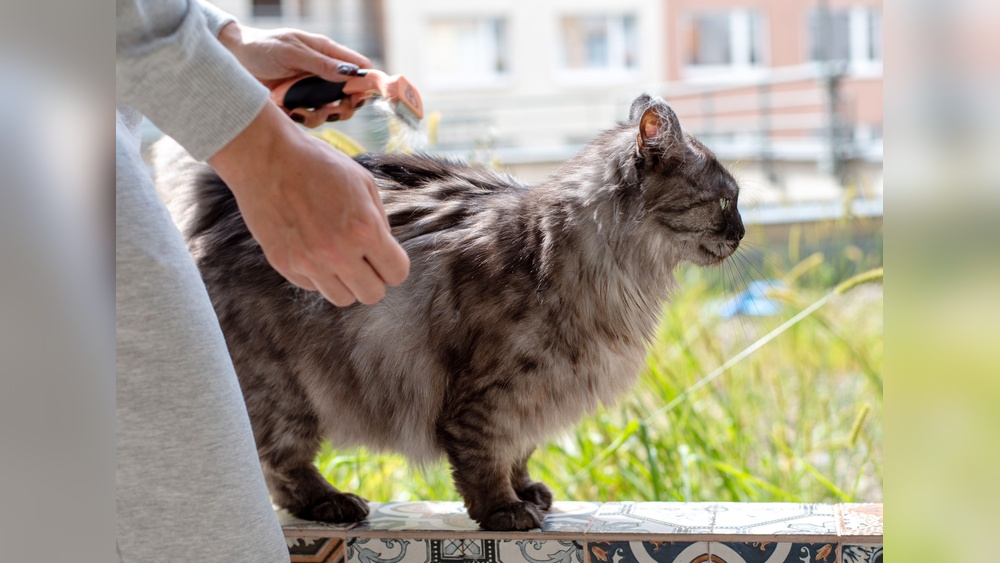
If you share your life with a long-haired cat, you know their beauty comes with a challenge: keeping their fur tangle-free. Long, silky hair can easily turn into stubborn mats that not only look messy but can also hurt your cat and even lead to skin problems. Mats are more than just a grooming issue—they can affect your cat’s health and happiness. If you’ve ever found yourself frustrated or worried about how to remove matted fur from your long-haired cat safely, you’re not alone. This guide gives you clear, practical steps to tackle mats with confidence while keeping your cat calm and comfortable.
Why Long-haired Cats Get Matted Fur
Understanding why mats happen helps you prevent them. Long-haired breeds like Persians, Maine Coons, and Ragdolls have soft, dense undercoats mixed with longer guard hairs. When these layers tangle, loose hair and dirt get trapped, creating mats.
Mats often form in places your cat can’t easily reach, such as:
- Behind the ears
- Under the legs (armpits)
- Along the belly
- Around the collar area
- At the base of the tail
Common causes include:
- Shedding: Cats shed undercoats seasonally, and loose hair tangles if not removed.
- Lack of grooming: Sick, elderly, or overweight cats may groom less, letting tangles build up.
- Friction: Collars, harnesses, or even frequent petting in the same spot can create mats.
- Moisture: Wet fur tangles more easily, especially if not dried and brushed.
Serious mats can pull on the skin, cause pain, limit movement, and lead to infections. Recognizing mats early is the first step to keeping your cat healthy.
Tools You Need For Removing Matted Fur
Having the right grooming tools makes removing mats safer and easier. Below is a comparison of popular tools:
| Tool | Best Use | Pros | Cons |
|---|---|---|---|
| Wide-toothed comb | Detangling small mats, gentle daily grooming | Safe, easy to clean, low risk of skin injury | Not strong enough for big mats |
| Dematting comb | Cutting and splitting tight mats | Sharp blades, works fast on large tangles | Can cut skin if not used carefully |
| Slicker brush | Finishing and removing loose hair | Great for surface tangles, spreads natural oils | Not effective for deep mats |
| Safety scissors (rounded tip) | Cutting out severe mats | Helps when combing is impossible | High risk of injury, should be last resort |
| Mat splitter | Breaking apart thick mats | Designed to avoid skin injury | Requires practice, not for beginners |
You may also need:
- Cornstarch or talcum powder (helps loosen mats)
- Cat treats (for rewarding calm behavior)
- A second person (to gently hold your cat, if needed)
- A towel (to help restrain or comfort your cat)
Never use human hair clippers or sharp scissors without proper training—they can easily cut your cat.
Preparing Your Cat And Yourself
Removing mats can be stressful for both you and your cat. Preparation is key to a safe and successful grooming session.
1. Choose the right time: Pick a quiet period when your cat is calm, such as after a meal or play session.
2. Gather all supplies: Have your tools, treats, and a towel within easy reach to avoid leaving your cat unattended.
3. Create a stress-free environment: Work in a well-lit, quiet room with a secure surface. Place a non-slip mat or towel on the table.
4. Stay calm: Cats sense your mood. Speak softly and move slowly. If you are tense, take a few deep breaths before you begin.
5. Use gentle restraint: Some cats sit quietly, but others may squirm. Wrapping your cat in a towel (“kitty burrito”) leaves only the mat area exposed and keeps claws tucked away.
6. Check the mat: Before you start, examine how close the mat is to the skin. If the mat is very tight, large, or close to sensitive areas (like the armpits or genitals), consider asking a professional groomer or veterinarian for help.
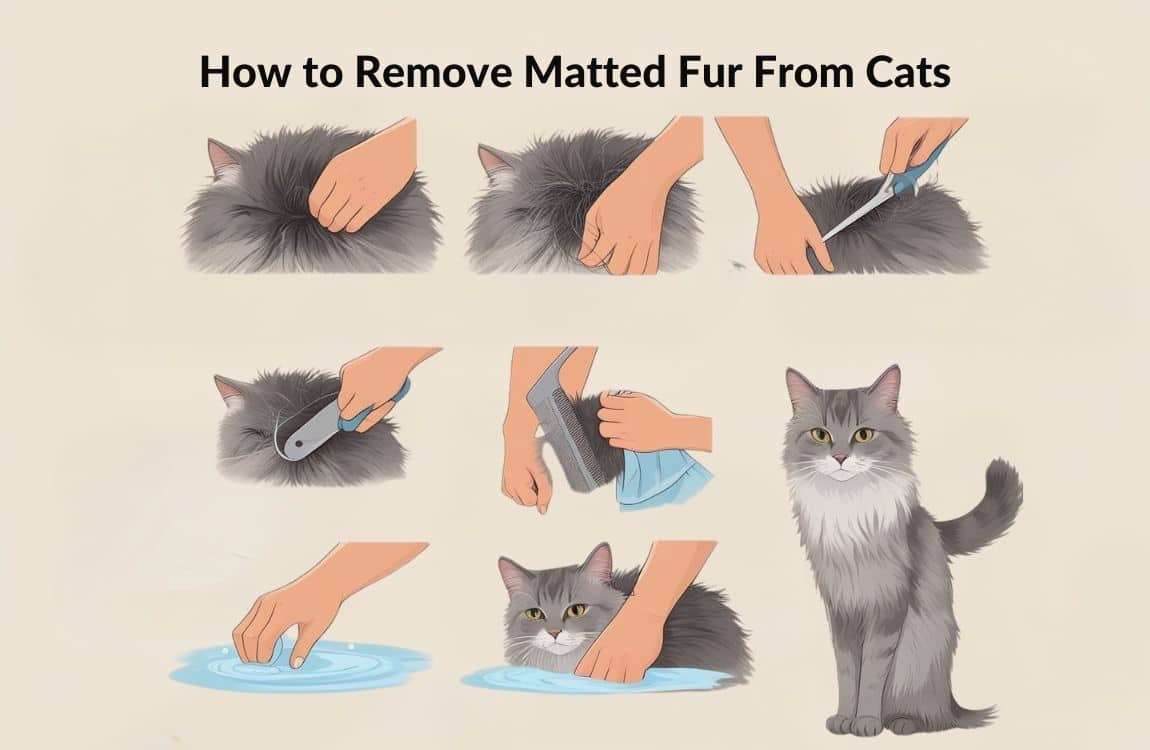
Step-by-step Guide: How To Remove Matted Fur
Step 1: Loosen The Mat
Sprinkle a small amount of cornstarch or pet-safe detangler spray onto the mat. Gently work it in with your fingers. This makes the hair less sticky and easier to separate.
Tip: Avoid using water. Wet fur shrinks mats and makes them tougher.
Step 2: Start From The Edges
With a wide-toothed comb, work from the outside of the mat inwards. Hold the base of the mat close to the skin with your fingers to prevent pulling. This reduces discomfort for your cat.
- Gently tease apart a few hairs at a time.
- If your cat shows pain or stress, pause and try again later.
Step 3: Use A Dematting Tool
If the mat is stubborn, switch to a dematting comb. These have small blades that cut through tough tangles.
- Place the comb under a small section of the mat.
- Use short, gentle strokes to slice through the mat.
- Always keep the sharp edge facing away from the skin.
Step 4: Comb Out Loose Hair
Once the mat is broken up, use a slicker brush or finer comb to remove loose hair and tiny tangles. Brush in the direction of hair growth.
Practical Insight: Mats sometimes hide sensitive, red, or raw skin. If you find a sore spot, stop and clean it with a damp cotton ball. If the skin is broken or bleeding, call your vet.
Step 5: Cut As A Last Resort
If a mat cannot be safely combed out, use rounded-tip safety scissors.
- Slide a comb between the mat and your cat’s skin as a barrier.
- Cut only the mat, not the hair close to the skin.
- Make small snips rather than trying to cut the whole mat at once.
If the mat is near the skin or your cat becomes very stressed, stop and seek professional help.
Step 6: Reward And Comfort
After each session, give your cat a treat and gentle praise. This helps your cat associate grooming with positive experiences.
Example: If your Persian cat has a mat under the armpit, wrap him in a towel, expose just the matted spot, and follow the steps above. If the mat is too close to the skin, schedule a vet visit instead of risking injury.
When To See A Professional Groomer Or Vet
Some mats are too severe, or your cat may be too sensitive for safe home removal. Signs you need a pro:
- The mat covers a large area or is close to the skin
- The mat is near sensitive body parts (ears, eyes, genitals)
- Your cat is aggressive, scared, or very squirmy
- The skin under the mat looks red, swollen, or infected
- The mat is hard, dirty, or smells bad
Veterinarians can sedate your cat if needed and treat any skin problems. Professional groomers have special tools and experience with difficult mats.
Non-obvious Insight: Removing mats under sedation may be safer than risking cuts and stress for both you and your cat.
How To Prevent Mats From Forming
Prevention is easier than removal. Daily or weekly grooming keeps your long-haired cat’s coat shiny and mat-free.
Brushing Routine
| Cat Breed | Recommended Brushing Frequency | Typical Mat-Prone Areas |
|---|---|---|
| Persian | Daily | Belly, armpits, behind ears |
| Maine Coon | 3-4 times a week | Lower back, tail base |
| Ragdoll | 3-4 times a week | Chest, hind legs |
| Norwegian Forest Cat | 2-3 times a week | Ruff, underbelly |
Tips for brushing:
- Use a wide-toothed comb for the first pass to catch small tangles.
- Follow with a slicker brush to smooth the topcoat.
- Be gentle around sensitive areas.
Bathing
Long-haired cats may benefit from occasional baths (once a month or less). Use a pet-safe shampoo and dry your cat thoroughly. Never let your cat air-dry—damp fur mats quickly.
Regular Health Checks
Cats with arthritis, obesity, or dental problems may groom themselves less, leading to mats. Schedule regular vet visits to catch these issues early.
Monitor For Seasonal Shedding
In spring and fall, cats shed more. Increase brushing during these times to remove loose undercoat before it forms mats.
Collar And Harness Awareness
If your cat wears a collar or harness, check the fur underneath daily. Remove the collar for grooming and to prevent friction mats.

Credit: www.amazon.com
Dealing With Difficult Cat Behavior During Grooming
Some cats simply hate being brushed or touched. Here’s how to make grooming less stressful:
- Short Sessions: Start with 1-2 minutes a day and build up gradually.
- Positive Reinforcement: Pair brushing with treats or play.
- Desensitization: Let your cat sniff and explore grooming tools before you use them.
- Respect Boundaries: If your cat gets agitated, stop and try again later.
- Use Calming Products: Synthetic pheromone sprays or diffusers can help some cats relax.
- Ask for Help: A second person can gently hold your cat or distract them with treats.
Experience-based tip: Some cats prefer being brushed while eating or sitting in their favorite sunny spot.
Common Mistakes To Avoid When Removing Mats
Removing mats can be tricky. Avoid these mistakes to keep your cat safe and comfortable:
- Pulling too hard: This causes pain and can make your cat scared of grooming.
- Cutting without a barrier: Never cut a mat without placing a comb between the mat and skin.
- Using human products: Human detanglers, scissors, or clippers can injure cats.
- Ignoring skin problems: Always check for sores under mats and get veterinary care if needed.
- Skipping regular grooming: Mats form faster than you think. Stay consistent.
- Trying to do too much at once: If your cat is stressed, break the job into short sessions over several days.
Credit: monsieurgroomer.com
What To Do If Your Cat’s Skin Is Damaged
Sometimes you’ll find redness, sores, or scabs under a mat. Here’s what to do:
- Gently clean the area with a saline solution or pet-safe wound spray.
- Keep your cat from licking or scratching the area.
- Watch for swelling, pus, or bad smell—these mean infection.
- If wounds look serious, or your cat seems in pain, call your vet.
Never apply human creams or antibiotic ointments unless your vet says it’s safe.
How To Make Grooming Part Of Your Cat’s Routine
Cats are creatures of habit. Making grooming a positive, regular event keeps mats away and builds trust.
- Start young: Kittens learn to enjoy brushing if introduced early.
- Pick a regular time: Groom your cat after meals or naps when they’re relaxed.
- Use the right tools: Find a brush or comb your cat likes.
- Be gentle: Always work slowly and speak softly.
- Reward good behavior: Use treats, praise, or gentle petting.
Non-obvious tip: Some cats prefer being brushed in your lap or on the floor rather than on a table.

Credit: www.amazon.com
Special Considerations For Elderly Or Sick Cats
Older cats or those with illnesses often stop grooming themselves. This makes them much more prone to mats. Here’s how to help:
- Groom more often—daily if possible
- Use the softest brush you can find
- Be extra gentle around joints and sensitive spots
- Check for mats every time you pet your cat
If your elderly cat gets matted often, talk with your vet. Underlying pain or illness may be the cause.
Grooming Long-haired Cats With Special Needs
Some long-haired cats have unique needs. For example:
- Rescue cats may be fearful of brushes due to past trauma. Use extra patience and positive reinforcement.
- Obese cats can’t reach their backs or tails—these areas need special attention.
- Cats with arthritis may react if you touch sore joints. Support their bodies and use gentle movements.
Tip: If your cat is aggressive or terrified, don’t force grooming. Ask your vet about mild sedation or professional grooming.
The Importance Of Nutrition For Skin And Coat Health
A healthy diet is the foundation of soft, mat-free fur. Cats need protein, omega-3 fatty acids, and certain vitamins for a healthy coat.
- Feed a high-quality, meat-based cat food
- Add a small amount of fish oil or omega-3 supplement (ask your vet first)
- Make sure your cat drinks enough water
Poor coat condition can signal health problems like thyroid disease or allergies. If mats keep coming back despite good grooming, see your vet.
Home Remedies And Products: What Works And What Doesn’t
Some home remedies can help, but not all are safe.
What can help:
- Cornstarch: Helps loosen mats by reducing friction
- Pet-safe detangler sprays: Make combing easier
- Gentle finger-combing: For small, new tangles
What to avoid:
- Baby oil or other oils: These can make mats greasy and harder to remove
- Human hair products: May contain chemicals toxic to cats
- Homemade scissors or razors: Too risky for use on pets
Pro insight: There’s no substitute for regular brushing.
Should You Shave A Long-haired Cat With Severe Mats?
Sometimes, mats are so bad that shaving is the only safe solution. Only a professional groomer or veterinarian should shave a cat, especially if sedation is needed.
Pros of shaving:
- Removes all mats at once
- Reduces risk of skin infection
Cons of shaving:
- Can shock your cat (sudden change in appearance and temperature)
- Risk of skin cuts or burns
- May cause stress or behavior changes
Shaving should be a last resort, not a regular solution. Focus on prevention instead.
For more detailed guidelines, the ASPCA’s cat grooming advice is a reliable resource.
Frequently Asked Questions
How Can I Tell If A Mat Is Too Close To The Skin To Remove At Home?
If you can’t fit a comb between the mat and the skin, or the mat feels hard and immovable, it’s too risky to try at home. Attempting to cut or pull these mats may injure your cat. In these cases, seek help from a professional groomer or veterinarian.
Is It Okay To Bathe My Cat To Help Remove Mats?
No. Bathing a cat with mats usually makes things worse. Water causes mats to tighten and shrink, making them even harder to remove. Only bathe your cat after all mats are removed and the coat is tangle-free.
My Cat Hates Being Brushed. What Should I Do?
Start with very short, gentle grooming sessions and pair them with treats or play. Let your cat sniff the brush first and stop if your cat gets upset. Try different types of brushes to find one your cat prefers. For severely fearful cats, ask your vet for advice or consider professional grooming.
How Often Should I Check My Long-haired Cat For Mats?
Check your cat’s fur every day, especially during shedding seasons (spring and fall) or if your cat is older or sick. Pay attention to common mat-prone spots like under the legs, behind the ears, and along the belly.
Will Mats Go Away On Their Own?
No, mats do not go away without help. In fact, they get tighter and larger over time. Ignoring mats can lead to pain, skin infections, and more serious health problems. Always address mats as soon as you notice them.
—
Helping your long-haired cat stay mat-free is a blend of regular grooming, gentle handling, and knowing when to call in a professional. Patience and consistency go a long way, and your cat will thank you with a shiny, healthy coat—and a happier, more comfortable life.