
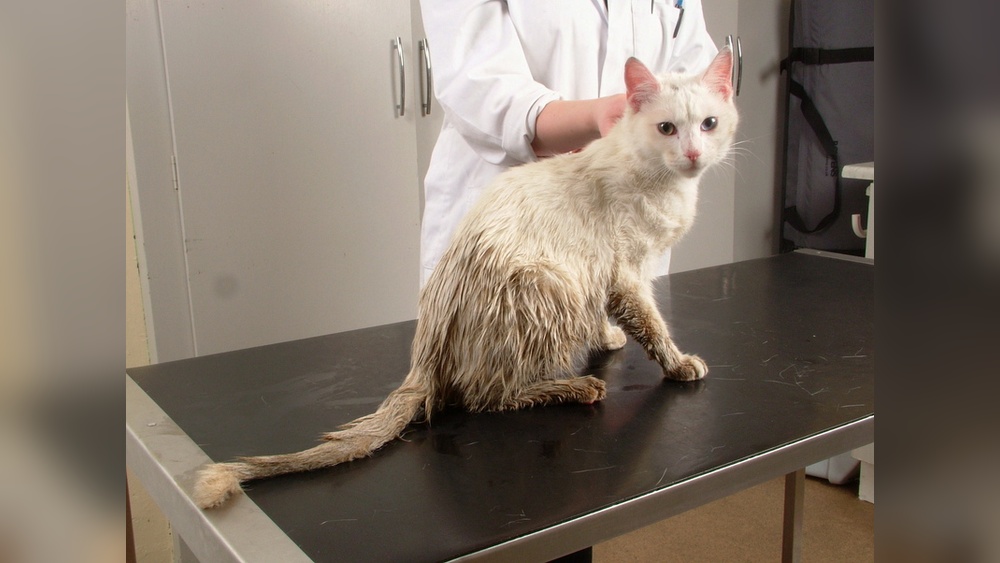
Cats are famous for keeping themselves clean. Their rough tongues remove dirt, loose fur, and even some small sticky substances. But when a cat gets motor oil on its fur, regular grooming is not enough. The thick, greasy nature of motor oil makes it especially tough to remove. Worse, if a cat tries to lick itself clean, the oil can cause serious health problems. Many cat owners feel overwhelmed when they see their pet covered in this black, sticky substance. This guide will help you understand the risks, the right steps to take, and how to safely clean your cat without causing more harm.
Why Motor Oil Is Dangerous For Cats
Motor oil is not just a messy problem—it’s a toxic hazard for cats. The chemicals in motor oil include hydrocarbons and heavy metals. These can be absorbed through the skin or ingested when the cat licks its fur. Even a small amount can cause poisoning.
Symptoms of motor oil poisoning in cats include:
- Drooling or foaming at the mouth
- Vomiting or diarrhea
- Tremors or seizures
- Lethargy or weakness
- Red or irritated skin
If the oil is not removed quickly, these symptoms can appear within hours. In some cases, even a delay of a few days can result in permanent organ damage or death. Some owners do not realize that motor oil absorbs quickly into the skin, especially in thin-furred areas. That is why time is critical.
Immediate Steps: What To Do First
If you discover motor oil on your cat, stay calm. Panicking can upset your cat and make things harder. Take these steps before you try to wash the fur.
- Prevent Licking: As soon as you notice the oil, stop your cat from licking its fur. Use an Elizabethan collar (cone), a towel, or even your hands if needed.
- Limit Access: Move your cat away from the contaminated area. Close off garages or driveways where oil may be present.
- Wear Gloves: Protect yourself by wearing disposable gloves. Motor oil is also dangerous for humans.
- Check for Open Wounds: Do not start cleaning if your cat has cuts or raw skin under the oil. Contact your veterinarian first.
- Gather Supplies: You will need mild dish soap, towels, a basin or sink, and warm water.
Many owners forget about the risk of hypothermia. Cats get cold quickly when wet, especially if they are small, old, or sick. Keep your cat in a warm room and work quickly.
Should You Call The Vet?
You might wonder if you need professional help. The answer depends on how much oil is present and your cat’s health.
Contact your vet immediately if:
- Your cat has ingested oil (signs: Oily mouth, vomiting)
- The oil covers a large part of the body
- Your cat is very young, old, or sick
- Your cat is acting weak, confused, or unable to stand
- There are open wounds under the oil
A veterinarian can use special cleansers and monitor for poisoning. In some cases, they may recommend hospitalization. For small spots of oil and healthy adult cats, you can often clean the cat at home if you follow the right steps.
Choosing The Right Cleaning Products
Never use harsh solvents like gasoline, paint thinner, or kerosene. These are even more dangerous than the oil itself. Instead, use gentle dishwashing liquid (such as Dawn), which is safe for animals and effective at cutting grease.
Let’s compare some common cleaning options for removing motor oil from cat fur:
| Product | Effectiveness | Safety for Cats | Notes |
|---|---|---|---|
| Mild dish soap (e.g., Dawn) | High | Safe when rinsed well | Preferred by vets for oil removal |
| Pet-specific degreaser shampoo | High | Safe | More expensive, less common at home |
| Baby shampoo | Moderate | Safe | May not remove all oil |
| Vegetable oil | Low | Safe, but not effective | Sometimes used to loosen tar, not ideal for motor oil |
| Gasoline/solvents | High | Dangerous | Never use; toxic to cats and humans |
Key insight: Dish soap works because it breaks down oil’s surface tension, allowing water to wash it away. Pet-specific shampoos are good if you already have them, but dish soap is usually enough.
Step-by-step Guide: How To Remove Motor Oil From Cat Fur
Follow these steps for safe and effective cleaning. Always act gently—cats can panic during baths, especially when already stressed.
1. Prepare Your Workspace
- Use a warm, quiet room with no drafts. A bathroom works best.
- Place all your supplies within reach: Dish soap, towels, a pitcher or cup, a washcloth, and gloves.
- Fill a small basin or sink with warm water (not hot).
2. Restrain Your Cat Safely
- Wrap your cat in a large towel, exposing only the oily area.
- Ask a friend or family member to help hold your cat if possible.
- Avoid excessive force; gentle but firm restraint works best.
3. Remove Excess Oil
- If the oil is thick, gently blot with a paper towel or soft cloth to remove as much as possible. Do not rub, as this spreads the oil.
- Avoid using flour, baking soda, or powder—they do not absorb motor oil well and are hard to remove from fur.
4. Apply Dish Soap
- Wet the oily area with warm water.
- Apply a small amount of dish soap directly to the fur.
- Lather gently with your fingers, working the soap through to the skin. Take 2–3 minutes for this step.
5. Rinse Thoroughly
- Use a pitcher or gentle shower spray to rinse the area until water runs clear.
- Be patient—leftover soap can irritate the skin and may be licked off later.
6. Repeat If Needed
- For stubborn oil, repeat steps 4 and 5 up to 2–3 times. More than this can dry out the skin.
- If oil remains after three washes, call your veterinarian.
7. Dry Your Cat
- Pat the fur with a clean towel to remove excess water.
- Keep your cat in a warm room until fully dry.
- Avoid hair dryers, which can scare cats and cause burns.
8. Monitor For Problems
- Watch your cat for the next 48 hours. Look for signs of illness or skin irritation.
- If symptoms appear, contact your veterinarian right away.
Common mistake: Many owners forget to rinse all the soap out, leaving residue that causes itching or licking.
What If The Oil Is On The Face Or Head?
Cleaning a cat’s face is tricky. Avoid getting soap or water in the eyes, nose, or ears.
- Use a damp washcloth with a tiny amount of dish soap.
- Gently dab the fur, avoiding sensitive areas.
- Rinse the cloth and wipe the area with clean water.
- Do not pour water over the face.
If the oil is inside the mouth, nose, or eyes, go to the vet immediately.
When Professional Help Is Necessary
Some situations require a vet’s help right away:
- Oil covers most of the body
- Cat is very young, elderly, or sick
- Cat shows signs of poisoning (vomiting, shaking, drooling)
- Oil is in sensitive areas: Mouth, nose, eyes, open wounds
Veterinarians have specialized degreasing agents and can provide IV fluids, anti-nausea medications, or even blood tests to check for internal poisoning.
How Motor Oil Affects Cat Health
Motor oil can cause harm in three main ways:
- Skin irritation: The chemicals in oil can burn or inflame the skin, leading to redness, swelling, or sores.
- Poisoning: If swallowed, hydrocarbons can damage the liver, kidneys, and nervous system.
- Respiratory distress: Breathing in oil fumes or droplets can harm the lungs.
Studies show that even small doses of hydrocarbons are dangerous for cats. A 2017 review in the *Journal of Feline Medicine and Surgery* found that animals exposed to motor oil had a high risk of organ failure if not treated quickly.
Differences Between Motor Oil, Cooking Oil, And Tar
Not all oils are the same. Motor oil is much more toxic than cooking oil or tar.
Here’s a quick comparison:
| Substance | Main Risk | Best Removal Method |
|---|---|---|
| Motor oil | Toxic chemicals, skin burns, organ damage | Dish soap, vet care |
| Cooking oil | Digestive upset if swallowed | Dish soap, gentle bath |
| Tar | Sticky, can trap debris, less toxic but hard to remove | Vegetable oil (to loosen), then dish soap |
Key point: Never use the same cleaning method for all substances. Motor oil needs fast, careful removal due to its toxicity.
Special Cases: Kittens, Senior Cats, And Sick Cats
Some cats need extra care:
- Kittens are more likely to get cold during a bath and are extra sensitive to chemicals.
- Senior cats may have thin skin or existing health problems.
- Sick or weak cats are at higher risk of poisoning.
Use less water, keep the cat as warm as possible, and consult a vet before starting. Sometimes, spot-cleaning and close monitoring are safer.

Credit: www.wikihow.com
How To Prevent Motor Oil Accidents
Prevention is always easier than cleanup. Here are practical ways to protect your cat:
- Keep cats away from garages and driveways. Motor oil spills are common in these areas.
- Store motor oil in sealed containers out of reach.
- Check your car for leaks and clean spills right away.
- Supervise outdoor cats near workshops or construction sites.
- Educate family and neighbors about the risks.
Non-obvious insight: Many cats are attracted to the smell of oil, especially in cold weather when they seek warmth under cars. Always check under your vehicle before starting the engine.
Home Remedies And What To Avoid
Some websites suggest home remedies for oil removal. Be careful—many are not safe for cats.
Avoid:
- Baking soda, flour, or cornstarch (not effective for motor oil)
- Vinegar or lemon juice (can burn the skin)
- Essential oils (toxic to cats)
- Alcohol or hydrogen peroxide (drying and irritating)
Stick to: Warm water and dish soap. If in doubt, call your vet.
Aftercare: Supporting Your Cat’s Recovery
Once the oil is removed, your job is not over. Cats may still develop symptoms hours or days later.
- Monitor eating and drinking. Loss of appetite can signal illness.
- Watch for skin changes. Redness, swelling, or sores need vet care.
- Check for behavior changes. Hiding, shaking, or unusual meowing may be signs of pain.
- Brush the fur gently after it dries to remove loose hairs and improve comfort.
Non-obvious tip: Offer a favorite treat or meal after cleaning. This helps reduce stress and encourages normal grooming behavior.
When To Repeat Cleaning
Sometimes, a single wash is not enough. If you still see oil after the fur dries, you can repeat the process once. Wait at least 4–6 hours between washes to allow the skin to recover.
If oil remains after two tries, do not keep washing—this can dry out the skin and make things worse. Seek veterinary help instead.
Credit: www.walmart.com
Long-term Risks And What To Watch For
Motor oil exposure can have delayed effects. These may not show up for several days.
- Skin infection: If the skin is broken or inflamed, bacteria can cause infection.
- Organ damage: Poisoning can affect the liver or kidneys over time.
- Chronic itching or hair loss: Some cats develop allergies or sensitivity after exposure.
If you notice ongoing problems, your vet may recommend blood tests or medications.
Real-life Example
Case: A stray cat in Texas was found with motor oil covering its back and tail. The rescuer used dish soap to wash the cat three times, but some oil remained. The cat later developed vomiting and needed IV fluids at the animal hospital. After three days of care, the cat recovered.
Lesson: Even with careful home cleaning, some cats need medical attention. Always watch for delayed symptoms.

Credit: www.farmandfleet.com
The Role Of Animal Shelters And Rescues
Animal shelters often handle cats with oil exposure, especially after disasters or accidents. They use large amounts of Dawn dish soap and trained staff to minimize stress.
Many shelters note that cats with long or thick fur are harder to clean. They may need clipping or shaving if the oil cannot be removed safely.
If you find a stray with oil on its fur, contact a local shelter or rescue group for advice.
Environmental Impact
Motor oil is not just a danger to cats—it’s harmful to all animals and the environment. Spilled oil contaminates soil and water, affecting birds, wildlife, and even humans. One quart of motor oil can pollute up to 250,000 gallons of water, according to the Environmental Protection Agency (EPA).
Key action: Dispose of motor oil properly. Never pour it down drains or on the ground. Take used oil to a recycling center. For more, see the EPA’s official guidance.
Comparing Professional Vs. Home Cleaning
Should you clean your cat at home or visit a vet? Here’s a quick comparison to help you decide:
| Factor | Home Cleaning | Professional Cleaning |
|---|---|---|
| Speed | Immediate, if supplies are ready | Depends on appointment or emergency care |
| Cost | Low (soap, water, towels) | Higher (vet fees, hospitalization) |
| Effectiveness | Good for small spots | Best for large or severe cases |
| Safety | Good for healthy adults, mild cases | Safer for high-risk cats (kittens, elderly, sick) |
| Stress for Cat | May be less stressful at home | Handled by trained staff |
Tips For Bathing A Cat Safely
Bathing a cat is not easy, especially when they are scared or injured. Here are some ways to make it less stressful:
- Trim your cat’s nails before starting (if possible)
- Use a non-slip mat in the sink or tub
- Speak softly and move slowly
- Keep sessions short—5–10 minutes is enough
- Offer treats before and after
- Have a helper if your cat is strong or anxious
If your cat becomes too stressed, stop and call your veterinarian for advice.
How To Clean Up After The Bath
Motor oil can contaminate your bathroom or sink. Clean all surfaces with hot water and dish soap. Wash towels separately from other laundry. Dispose of gloves and paper towels safely.
Non-obvious insight: Oil can stay on your hands even after washing. Use a nail brush and dish soap to remove all traces before touching your cat again.
Frequently Asked Questions
What Happens If My Cat Licks Motor Oil?
If your cat licks motor oil, it can swallow toxic chemicals that damage internal organs. Symptoms may include drooling, vomiting, shaking, or weakness. Immediate cleaning and a call to the vet are critical.
Can I Use Baby Wipes Or Pet Wipes To Clean Motor Oil?
Most baby wipes and pet wipes are not strong enough to remove motor oil. They may also leave chemical residues. Dish soap and water are much more effective and safer.
Is It Safe To Cut Off Oily Fur Instead Of Washing?
You can trim small patches of fur if the oil is only on the tips and your cat is calm. Never use scissors near the skin or on large areas—this can cause injury. For big spots, washing is safer.
How Long Does It Take For Motor Oil To Harm A Cat?
Motor oil starts to absorb into the skin within minutes. Poisoning symptoms can appear in a few hours to a day. Remove the oil as soon as possible and monitor your cat closely for several days.
What Should I Do If My Cat Is Very Stressed By Baths?
If your cat is extremely stressed, stop and call your veterinarian. Sometimes, a sedated cleaning or professional help is best. For mild cases, try wrapping your cat in a towel, using treats, or asking a helper to make the process smoother.
Cats are curious and accidents happen—even with the best prevention. Acting quickly, using safe methods, and watching your cat closely can make all the difference. If you ever feel unsure or overwhelmed, do not hesitate to reach out to your veterinarian.
Your cat’s health and safety always come first.