
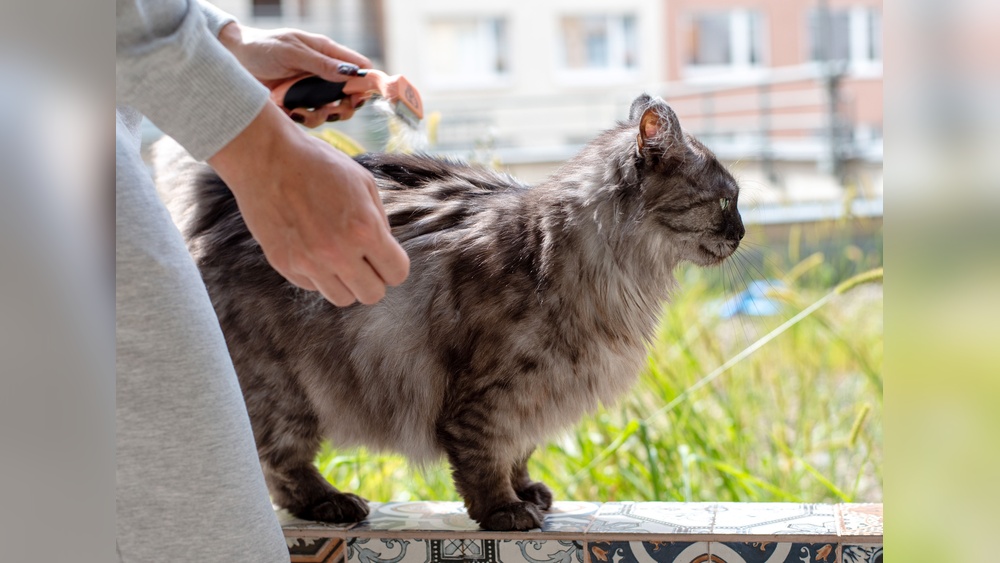
A cat’s fur is more than just a beautiful coat—it’s a shield for their skin and a sign of health. But when cat fur becomes severely matted, it can turn from soft and silky to a source of pain and stress. Many cat owners feel worried or even guilty when they find thick mats, especially if their cat hides a lot or doesn’t like brushing. The truth is, matting happens to cats of all breeds and ages, and it can quickly get worse if not managed early.
If you’re facing matted cat fur that simple brushing can’t fix, you’re not alone. Removing severe mats is delicate work. Pulling or cutting the wrong way can hurt your cat, and some mats are so close to the skin that they risk injury. This guide will walk you through what causes severe mats, how to safely remove them, tools you’ll need, and how to prevent matting in the future. The goal is to help your cat feel comfortable and healthy again—with less stress for both of you.
Why Cat Fur Becomes Severely Matted
Understanding why mats form can help you solve the root problem, not just the surface. Matting is often more than just missed grooming.
Common Causes Of Severe Matting
- Long hair or double coats: Breeds like Persians, Maine Coons, and Ragdolls have fur that tangles easily.
- Shedding cycles: Old hair gets trapped in the coat, forming clumps.
- Lack of self-grooming: Older, overweight, or arthritic cats may stop grooming areas they can’t reach.
- Skin conditions: Allergies or infections make fur sticky.
- Outdoor activity: Dirt, burrs, or sap stick to fur and clump it.
- Neglected grooming: Busy owners or cats who avoid handling might miss regular brushing.
- Moisture: Saliva, urine, or water causes fur to mat faster, especially in long-haired breeds.
Health Risks Of Severe Mats
Severe mats can:
- Pull on skin, causing pain and bruising.
- Hide sores, fleas, or infections.
- Block airflow, leading to hot spots or fungus.
- Cause behavioral changes (hiding, irritability).
A 2021 study found that over 60% of cats with severe mats had underlying health issues such as arthritis or obesity. Catching mats early can reveal health problems you might not notice otherwise.
Assessing The Severity: When To Seek Professional Help
Before you start, it’s important to decide if home removal is possible. Some mats are so bad that only a professional groomer or veterinarian should handle them.
Signs You Need A Professional
- Mats cover more than 30% of the body
- Skin is red, bleeding, or infected
- Your cat is in pain or aggressive when touched
- Mats are near sensitive areas (armpits, groin, face)
- Previous attempts caused skin injury
A table can help you quickly decide:
| Severity Level | Home Removal? | Professional Needed? | Notes |
|---|---|---|---|
| Mild (small mats, easy to separate) | Yes | No | Proceed with care |
| Moderate (multiple mats, not on skin) | Yes, with patience | Consider if cat is stressed | Use proper tools |
| Severe (large, tight, close to skin) | No | Yes | High risk of injury |
If you’re unsure, always choose safety. Vets and groomers have special tools and experience for severe cases.
Credit: monsieurgroomer.com
Tools And Supplies For Removing Matted Cat Fur
Having the right tools will make the process safer and faster for you and your cat. Using the wrong tool can pull or cut the skin.
Essential Tools
- Wide-tooth comb: For gently working through tangles.
- Mat splitter or dematting rake: Designed to cut through mats with minimal pulling.
- Blunt-nosed scissors: Only for use if absolutely necessary, with extreme caution.
- Pet-specific clippers: For shaving tight mats. Human clippers often overheat or snag.
- Cornstarch or detangling spray: Helps loosen mats and reduce friction.
- Treats: For calming and rewarding your cat.
- Gloves: To protect your hands, especially with nervous cats.
- Towels: To wrap your cat or clean up.
A comparison of common tools:
| Tool | Best For | Pros | Cons |
|---|---|---|---|
| Wide-tooth comb | Small tangles, finishing | Gentle, low risk | Not for tight mats |
| Mat splitter | Medium mats | Cuts through, less pulling | Requires skill, possible skin nicks |
| Pet clippers | Severe, tight mats | Removes mats fully | Noisy, may scare cat |
| Blunt-nosed scissors | Last resort | Precise, for single mats | Risk of skin injury |
Pro tip: Never use human scissors or razors—they are too sharp and can easily cut cat skin, which is thin and loose.
Preparing Your Cat And The Environment
Cats are sensitive to stress, and trying to remove severe mats can make them fearful or aggressive. Preparation is key for both safety and success.
Steps To Prepare
- Choose a quiet, well-lit space: Reduce noise, close doors, and limit distractions.
- Trim your cat’s claws: This helps prevent scratches if your cat struggles.
- Gather all tools: Lay them out so you don’t have to leave your cat unattended.
- Comfort your cat: Use a favorite blanket, pheromone spray, or gentle petting.
- Have a helper if possible: One person can hold the cat while the other works.
- Give treats: Reward calm behavior before and after, not just at the end.
Some owners find wrapping their cat in a towel (the “burrito” method) helps keep legs and claws inside, exposing only the matted area. This is especially useful for nervous cats.
Safe Techniques For Removing Severely Matted Fur
Always work slowly and gently. Severe mats can be painful if pulled, and it’s easy to injure your cat’s skin.
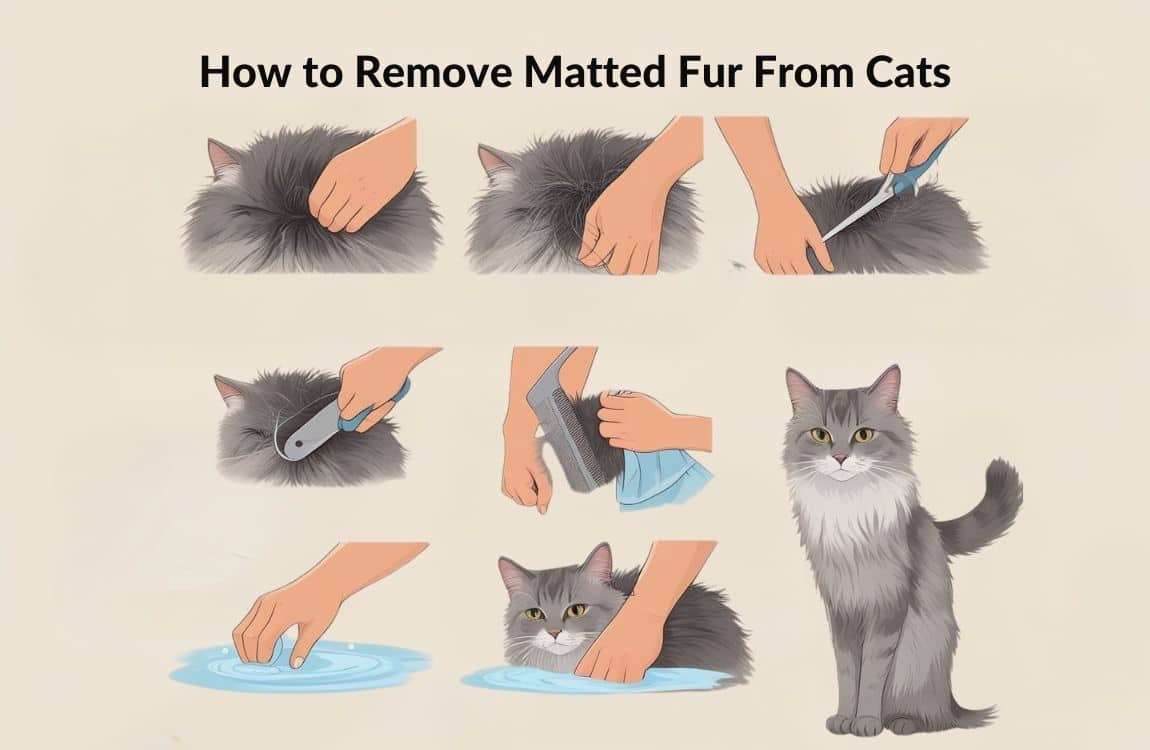
Step-by-step Guide
1. Assess The Mat
Check how close the mat is to the skin. If you can slide a comb under part of the mat, it may be safe to detangle. If the mat is tight or you can’t see the skin, do not use scissors.
2. Use Cornstarch Or Detangling Spray
Sprinkle a small amount of cornstarch on the mat and gently work it in with your fingers. This reduces friction and helps the mat loosen. Cat-safe detangling sprays are also available.
3. Loosen The Edges
Gently use your fingers to pull apart the mat from the edges. Avoid pulling on the skin. If your cat shows pain, stop and try again later.
4. Work With A Wide-tooth Comb
Insert the comb between the mat and skin, and gently wiggle it. Never yank or force the comb. Work from the tips of the fur toward the skin, not the other way around.
5. Use A Mat Splitter Or Dematting Tool
For thicker mats, use a mat splitter. Hold the mat firmly, keep your fingers between the tool and your cat’s skin, and slice through the mat in small sections. Always cut parallel to the skin, never toward it.
6. Last Resort: Clippers Or Scissors
If the mat is too tight, use pet clippers. Make sure the blade is sharp, clean, and cool. Pull the mat away from the skin and carefully shave under it. If you must use scissors, place a comb between the mat and the skin, then cut above the comb.
Never rush—take breaks if your cat is stressed. Severe mats may take several sessions to remove safely.
Handling Special Areas: Legs, Belly, And Tail
Some parts of a cat’s body are more sensitive or risky to groom.
Legs And Belly
- Skin is thinner and easily injured.
- Mats here often hide wounds or urine scald.
- Work in very small sections. If your cat is struggling, stop and continue later.
Tail
- Mats on the tail can cut off circulation.
- If the tail mat is tight, do not try to cut it at home—see a vet.
Face And Ears
- Never use scissors near the face or ears.
- For mats in whisker pads or ears, a professional is safest.
Severe mats in these areas may need sedation by a veterinarian to remove safely.
Managing Your Cat’s Stress And Pain
Matted fur can hurt, and grooming can be scary for cats. Minimizing stress makes the process safer for both of you.
Calming Techniques
- Use pheromone sprays like Feliway in the room.
- Speak softly and move slowly.
- Take breaks every 5-10 minutes.
- If your cat pants, drools, or growls, stop and let them calm down.
When To Use Sedation
If your cat cannot be safely handled, or if the mats are severe and painful, sedation by a vet is sometimes necessary. This is common for rescue cats, elderly cats, or those with medical issues.
Aftercare: Healing The Skin And Promoting Healthy Fur
Once the mats are removed, your cat’s skin may be red, sore, or even injured. Proper aftercare helps healing and prevents new mats.
Immediate Steps
- Check for wounds, rashes, or bald spots.
- Clean any broken skin with warm water or vet-approved antiseptic.
- Keep your cat indoors until skin has healed.
- Watch for signs of infection (swelling, pus, bad odor).
Restoring The Coat
- Brush gently every day for a week to remove loose hair.
- Add omega-3 supplements (ask your vet) to support healthy fur.
- Provide a balanced diet—nutrition affects coat quality.
In some cases, a medicated cream or oral antibiotics are needed. Always consult your vet if you see open sores or your cat keeps licking the area.
Preventing Severe Matting In The Future
Prevention is the best cure. Building a routine and making grooming positive will save your cat pain—and save you stress.
Building A Grooming Routine
- Brush regularly: Long-haired cats need brushing daily or every other day. Short-haired cats may need it weekly.
- Check problem areas: Behind the ears, under the legs, and along the back are common spots for mats.
- Use the right tools: Slicker brushes for daily use, wide-tooth combs for tangles.
- Make grooming positive: Pair brushing with treats or playtime.
- Watch for changes: If your cat stops grooming, see a vet—it may signal health issues.
A quick reference:
| Cat Coat Type | Brushing Frequency | Recommended Tools |
|---|---|---|
| Short hair | Once a week | Slicker brush, grooming glove |
| Medium hair | 2-3 times a week | Wide-tooth comb, slicker brush |
| Long hair/double coat | Daily | Dematting tool, wide-tooth comb, slicker brush |
Extra Tips For Difficult Cats
- Groom after meals when your cat is sleepy.
- Try different brushes—some cats prefer soft rubber over metal.
- Start with short sessions and build up.
- Ask your vet about calming supplements if anxiety is severe.
The Non-obvious: Health And Environment
Two things beginners often miss:
- Hydration matters: Dehydrated cats have drier skin and fur, which mats more easily. Always provide fresh water.
- Humidity helps: Dry indoor air increases static, leading to more tangles. Use a humidifier in winter.
Common Mistakes When Removing Matted Cat Fur
Even careful owners can make errors. Knowing what to avoid can prevent harm.
Top Mistakes
- Using sharp scissors: Many cats have ended up with deep cuts from scissors. Even small nicks can get infected.
- Bathing before mat removal: Wetting matted fur makes it tighter and harder to remove. Always dry detangle first.
- Rushing the process: Stress and injury are more likely if you hurry.
- Ignoring warning signs: If your cat is yowling, growling, or hiding, take a break.
- Not checking the skin: Mats often hide sores or fleas.
- Trying to do everything in one session: Severe mats may need multiple short sessions.
Credit: www.youtube.com
When To See A Vet Or Groomer
If you are struggling or your cat is at risk, it’s better to seek expert help. Professional groomers and vets have training, tools, and (if needed) sedation.
Situations to call for help:
- Mats are too tight or large
- Your cat is elderly, sick, or very stressed
- Skin is broken or infected
- You don’t have the right tools or experience
Many groomers offer “lion cuts” for severely matted cats—a full shave under sedation. This is sometimes the only option for cases that can’t be fixed at home.
For more on professional grooming and cat care, check the detailed resources at International Cat Care.
Frequently Asked Questions
How Do I Know If My Cat’s Mats Are Causing Pain?
Mats cause pain if your cat flinches, hisses, or tries to bite when you touch the area. You may also notice your cat avoiding petting, hiding, or moving less. If mats are close to the skin or you see redness, it’s likely painful.
Can I Just Cut Mats Out With Scissors?
It’s very risky to use scissors on mats, especially if they’re tight. Cat skin is loose and can easily get caught and cut. Always try to loosen mats with your fingers or a comb first. Only use scissors as a last resort, and place a comb between the mat and skin before cutting.
Will Severe Mats Grow Back After Removal?
Yes, fur will usually grow back after mats are shaved or cut, unless there is damage to the skin or hair follicles. After severe mats, the fur may look patchy at first. Good nutrition and regular brushing help healthy regrowth.
What If My Cat Won’t Let Me Remove The Mats?
If your cat is too stressed or aggressive, don’t force it. This can lead to injury for both you and your cat. In these cases, a vet or professional groomer can safely remove the mats, often with sedation.
How Can I Prevent Mats If My Cat Hates Being Brushed?
Try using softer brushes or grooming gloves, which feel more like petting. Start with very short sessions and reward your cat with treats. Groom when your cat is relaxed, like after a meal. If matting is a constant problem, ask your vet about grooming tips or regular professional help.
Helping your cat with severely matted fur takes time, patience, and the right approach. By understanding why mats form, using safe tools and techniques, and building a gentle grooming routine, you can restore your cat’s comfort and health. If you ever feel unsure, remember—professional help is always an option, and your cat will thank you in the long run.
Credit: www.youtube.com