
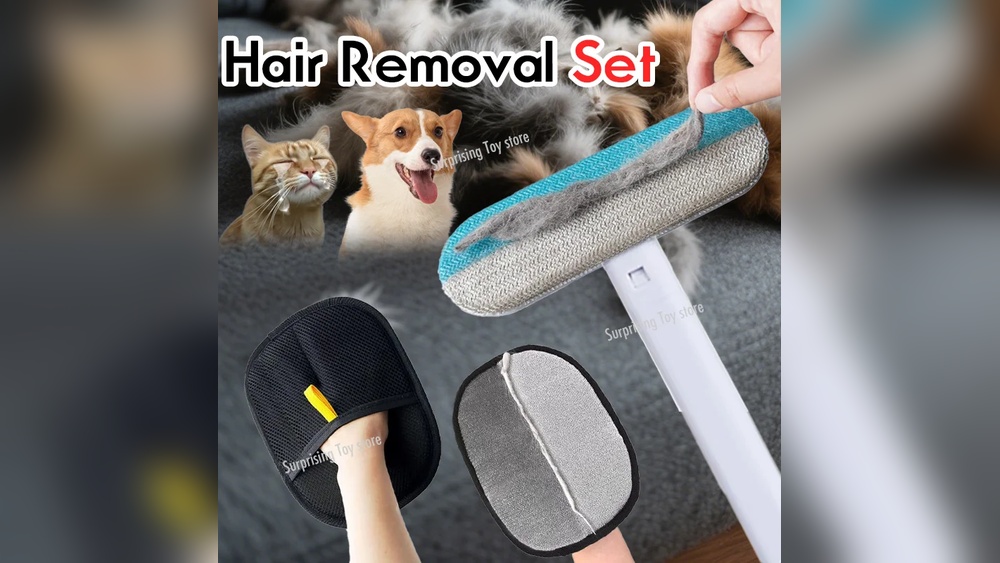
Static electricity can be a surprise for cat owners, especially during dry seasons. You pet your cat, and suddenly, tiny sparks fly, or your cat’s fur stands up in odd directions. While static in cat fur is not dangerous, it can make your cat uncomfortable, cause minor shocks, and even lead to more hairballs or grooming problems.
If you’ve noticed your cat’s fur crackling or sticking out, you’re not alone. Many pet owners face this, especially in winter or in homes with dry air.
Learning how to remove static from cat fur is important not only for your cat’s comfort but also for your relationship with your pet. Cats are sensitive to small changes, and static shocks might make them avoid cuddles or become anxious.
The good news is, with some simple changes and practical solutions, you can keep static away and make your cat’s coat smooth and healthy.
This guide covers why static happens, how it affects your cat, and the most effective ways to remove static from cat fur. You’ll also find tips, product comparisons, and answers to common questions. Let’s help your cat have a static-free, happy life.
Why Does Cat Fur Become Static?
Cat fur becomes static when it builds up electrical charge. This usually happens in dry conditions. When there isn’t much moisture in the air, friction (like petting or your cat rubbing against furniture) causes electrons to transfer between surfaces, leaving the fur with a tiny charge. This charge makes the fur stand up, stick together, and sometimes even give off small shocks.
Key factors that increase static in cat fur:
- Low humidity – Dry indoor air, especially from heaters or air conditioning, removes moisture from the environment.
- Synthetic materials – Carpets, blankets, and cat beds made from synthetic fibers hold and transfer more static.
- Excess grooming – Brushing or petting can increase friction, adding to the static problem.
- Bathing – Using the wrong shampoo or not rinsing well can leave residues that make fur more likely to build static.
- Poor coat condition – Dry skin or unhealthy fur is more likely to become charged.
Many cat owners notice static in late fall and winter when home heating dries out the air. However, air conditioning in summer can also cause the same problem. If your cat has long hair, it may be even more obvious.
Is Static In Cat Fur Bad For Your Cat?
Most static is not dangerous, but it can affect your cat’s well-being. Some cats become jumpy after a shock or avoid being touched. Static can also make fur mat or tangle, leading to more hairballs or skin irritation.
Common effects of static on cats:
- Uncomfortable sensations – Small shocks or prickly feelings
- Avoiding touch – Cats may run away when you reach for them
- Tangled or matted fur – Static makes grooming harder
- Dry skin – Leads to itchiness and scratching
- More hair in the home – Static lifts loose hairs, making shedding worse
While not harmful in most cases, repeated shocks or discomfort can make your cat stressed. Stressed cats may hide, groom too much, or even develop behavior problems. It’s best to reduce static for a calm, happy pet.
How To Remove Static From Cat Fur: Practical Solutions
There are many ways to reduce or remove static from your cat’s fur. These range from simple home changes to special grooming tools and products. Let’s look at the most effective methods.
1. Increase Indoor Humidity
Dry air is the main cause of static. Adding moisture helps a lot.
- Use a humidifier – Place it in the room where your cat spends the most time. Aim for 40–50% humidity.
- Place bowls of water near heaters – As the water evaporates, it adds moisture to the air.
- Houseplants – Plants naturally release moisture.
A small investment in a humidifier can quickly solve most static problems, and it’s also good for your own skin and breathing.
2. Groom With The Right Tools
The type of brush or comb you use can make a big difference.
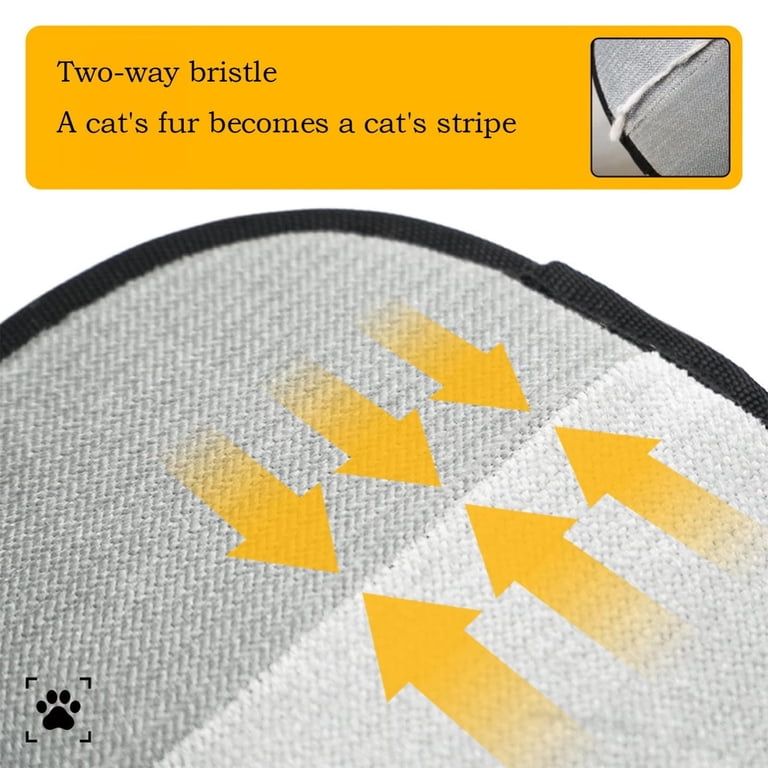
- Use a natural-bristle brush instead of plastic.
- Wooden combs create less static than plastic ones.
- Avoid brushing in very dry conditions; mist the brush with a little water first.
Here is a comparison of common grooming tools and their effect on static:
| Grooming Tool | Material | Effect on Static | Best For |
|---|---|---|---|
| Natural-bristle brush | Boar/synthetic mix | Reduces static | All fur types |
| Wooden comb | Wood | Prevents static build-up | Medium/long-haired cats |
| Metal comb | Stainless steel | Minimal effect | Mats and tangles |
| Plastic brush | Plastic | Increases static | Not recommended |
3. Lightly Mist Your Cat’s Fur
Adding a little moisture directly to the fur helps control static.
- Fill a spray bottle with distilled water.
- Lightly mist your hands, then pet your cat.
- Never soak the fur; a light mist is enough.
For extra conditioning, add a few drops of pet-safe conditioner to the water. Test on a small area first to check for reactions.
4. Use Cat-safe Anti-static Sprays
There are sprays made just for pets that help control static. These are safe for cats and can be sprayed on fur, bedding, or brushes.
- Choose a spray labeled for cats.
- Avoid products with strong perfumes or alcohol.
Anti-static sprays are very useful during the driest months. Just be sure to read the label for safety.
5. Choose The Right Shampoo And Conditioner
If you bathe your cat, use products made to reduce static and keep the coat healthy.
- Use a moisturizing cat shampoo.
- Rinse very well to remove all residue.
- Use a cat-safe conditioner to add softness.
Never use human shampoos, as they can dry out your cat’s skin and fur.
6. Switch To Natural Fabrics
Synthetic bedding, blankets, and carpets hold static. Where possible, replace them with natural options.
- Use cotton or wool for bedding and blankets.
- Avoid polyester, acrylic, or fleece.
If you can’t change everything, add a cotton sheet over your cat’s favorite spot.
7. Try Dryer Sheets (with Caution)
Some owners lightly rub a fragrance-free dryer sheet on their hands and then pet their cat. This can reduce static, but only use pet-safe or unscented sheets, and never let your cat chew or lick them.
8. Feed A Healthy Diet
A shiny, healthy coat is less likely to have static problems. Omega-3 and omega-6 fatty acids keep skin and fur moist.
- Choose cat foods with fish oil or flaxseed oil.
- Talk to your vet before adding supplements.
A poor diet can lead to dry skin, which makes static worse.
9. Regular Cleaning
Dust, dander, and hair in your home can increase static. Frequent cleaning helps.
- Vacuum carpets and furniture often.
- Wash your cat’s bedding in a fragrance-free detergent.
- Wipe surfaces with a damp cloth.
A clean home makes it easier to control static and keep your cat comfortable.
10. Keep Your Cat Hydrated
Cats who don’t drink enough water may have dry skin and fur. Encourage your cat to drink by:
- Offering fresh water in several places.
- Using a cat water fountain (many cats prefer moving water).
- Adding a little water to wet food.
Hydrated cats have healthier skin, which reduces static.
Home Remedies For Static In Cat Fur
Many cat owners look for simple, natural remedies. Here are some safe options:
- Coconut oil – Rub a tiny amount between your hands and stroke your cat. This adds moisture and shine. Don’t use too much, as it can make fur greasy.
- Aloe vera gel – Use only pure, food-grade gel. Mix a small amount with water and apply lightly. Avoid if your cat is likely to lick it off, as aloe can be harmful if eaten in large quantities.
- Apple cider vinegar – Add one tablespoon to a cup of water and lightly mist your cat’s fur. It helps balance skin pH and can reduce static.
- DIY anti-static spray – Mix water with a small drop of glycerin (found in drugstores) and spray on your hands before petting your cat.
Always test a new remedy on a small area first and watch for reactions.
What To Avoid When Treating Static Fur
Cats are sensitive to chemicals and strong scents. Some common products or tricks for human static are not safe for pets. Avoid these:
- Fabric softener sheets (unless labeled pet-safe and unscented)
- Human hair sprays
- Essential oils
- Strong perfumes
- Human conditioners or lotions
- Over-brushing (can make static worse)
Never use products unless you are sure they are safe for cats. Cats groom themselves, so anything on their fur can be ingested.
How To Prevent Static In Cat Fur
Once you remove static, you want to keep it from coming back. Here are the best ways to prevent future problems:
- Keep your home humid – Use a humidifier, especially in winter.
- Brush daily – Use the right tools and avoid plastic.
- Feed a balanced diet – Good nutrition means healthy skin and fur.
- Wash bedding often – Use natural fabrics and gentle detergents.
- Bathe only when needed – Too much washing dries out fur.
- Clean the home – Less dust and hair means less static.
- Hydrate your cat – Make water easy to find and appealing.
It’s easier to prevent static than to treat it every day. Make these habits part of your routine for a happier cat.
Product Comparison: Anti-static Sprays For Cats
Not all sprays are the same. Some are safer, more effective, or better for sensitive cats. Here’s a quick look at popular options:
| Product | For Cats | Ingredients | Effectiveness | Notes |
|---|---|---|---|---|
| Petkin PetWipes Anti-Static | Yes | Aloe, vitamin E | Good | Easy to use; gentle scent |
| Earthbath Deodorizing Spritz | Yes | Plant-based | Very good | No parabens or sulfates |
| Burt’s Bees Dander Reducing Spray | Yes | Colloidal oat flour, aloe | Good | Hypoallergenic |
| Human hair spray | No | Alcohol, fragrance | Poor | Not safe for cats |
Always choose products that are formulated for cats and read the label for any warnings.
The Science Of Static Electricity And Cat Fur
Understanding the science helps you make better choices. Static electricity is a build-up of electric charge on a surface. In cats, this mostly happens because of friction and dry air. When you pet your cat, electrons move from your hand to the fur or the other way around. If the air is dry, the charge can’t escape, so it stays on the fur.
Fun fact: Long-haired and fine-haired cats build more static because their fur holds more charge. Short-haired cats can have static too, but it’s usually less obvious.
Key insight: Static is worse in homes with wall-to-wall carpets and lots of synthetic fabrics. If you notice static shocks in your home (even when touching doorknobs), your cat is probably feeling them too.
Credit: www.walmart.com
Special Considerations For Different Cat Types
Not all cats are the same. Some breeds or fur types are more likely to get static.
Long-haired Cats
Breeds like Maine Coons or Persians have more surface area for static to build up. They need:
- More frequent brushing with natural tools
- Extra attention to humidity
- Occasional light misting or conditioning sprays
Short-haired Cats
Less prone to static, but still affected by dry air. Basic prevention works well.
Hairless Breeds
Cats like the Sphynx don’t have fur, but their skin can still get dry and need moisturizing. Use gentle, pet-safe lotions if needed.
Senior Cats
Older cats may have drier skin. Be extra gentle and use the mildest products.
Kittens
Young cats are sensitive to chemicals. Only use water or products approved for kittens.
How Often Should You Treat Static Fur?
There’s no one-size-fits-all answer. In dry climates or winter, you may need to use anti-static methods daily. In humid summer months, you may not need to do anything. Watch your cat’s behavior and fur condition.
Signs you need to act:
- Fur stands up or “crackles”
- Cat avoids petting
- More mats or tangles than usual
- Increased scratching or grooming
A good rule: If you notice static in your own hair or clothes, your cat probably feels it too.

Credit: www.amazon.ae
Are There Health Risks From Static Electricity?
Static is not usually dangerous, but it can cause:
- Minor shocks – Uncomfortable, but not harmful
- Stress – Cats become jumpy or anxious
- Skin irritation – From over-grooming or dry fur
Very rarely, a cat with sensitive skin might scratch enough to cause small sores or infections. If you see red, raw, or bleeding spots, contact your vet.
Real-world Example: Winter In A Dry Apartment
Take “Milo,” a three-year-old tabby living in a heated apartment. Every winter, Milo’s owner noticed his fur stuck out and crackled, and Milo started avoiding cuddles.
What worked:
- A humidifier raised the apartment’s humidity from 20% to 45%.
- Milo was brushed daily with a wooden comb.
- Bedding was switched from fleece to cotton.
- A cat-safe anti-static spray was used twice a week.
Within two weeks, Milo’s fur was smooth again, and he returned to his friendly self. This shows how a few simple changes can make a big difference.
Surprising Tips Most People Miss
- Ground yourself before petting. Touch a metal object (like a doorknob) before you pet your cat. This discharges any static in your body.
- Moisturize your own hands. Dry skin on your hands can increase static. Use fragrance-free hand lotion before touching your cat.
- Rotate bedding materials. Even natural fabrics can build static if not washed often. Rotate between different cotton blankets to keep things fresh.
- Monitor indoor humidity with a hygrometer. Even a cheap digital hygrometer shows if your air is too dry. Aim for 40–50% humidity.
- Wipe down cat trees and condos. These surfaces collect hair and dust, which increase static. Use a damp cloth weekly.
When To See A Veterinarian
If your cat’s fur stays dry, brittle, or full of static no matter what you try, it could mean there’s an underlying health issue:
- Skin infections
- Allergies
- Nutritional problems
- Parasites
Also, see a vet if your cat is scratching, losing fur, or has red or scaly skin. Most static problems are simple, but it’s always good to check if things don’t improve.

Credit: www.joom.com
Recommended Resources
For those who want to learn more about cat care and static, the ASPCA Cat Grooming Tips page offers useful information on grooming and maintaining a healthy coat.
Frequently Asked Questions
Why Does My Cat Get Static In Winter?
In winter, indoor heating makes the air very dry. Dry air means less moisture, so static electricity builds up faster. When you pet or brush your cat, friction creates a charge that can’t escape, making fur stand up or give little shocks.
Are Anti-static Sprays For Cats Safe?
Most pet-specific anti-static sprays are safe if used as directed. Always check that the product is labeled for cats, avoid strong perfumes or alcohol, and never let your cat lick or chew the fur right after spraying. If your cat has sensitive skin, test on a small patch first.
Can I Use Human Products On My Cat’s Fur?
No, you should not use human hair sprays, conditioners, or lotions on your cat. Cats lick their fur and can ingest these chemicals, which may be toxic. Only use products made for cats or that are clearly labeled as pet-safe.
How Often Should I Brush My Cat To Prevent Static?
Daily brushing is best for long-haired cats, while every other day works for short-haired cats. Use a natural-bristle brush or wooden comb to reduce static. Avoid brushing too much in very dry conditions; add a light mist of water or cat-safe spray if needed.
What’s The Best Way To Measure Humidity In My Home?
A digital hygrometer is an easy and affordable way to check humidity. Place it in the room where your cat spends the most time. Ideal humidity is 40–50%. If your home is much drier, use a humidifier or other moisture-adding methods.
Static in cat fur is a common problem, but it’s easy to manage with the right approach. Start with small changes, pay attention to your cat’s behavior, and enjoy a smoother, happier feline friend.