
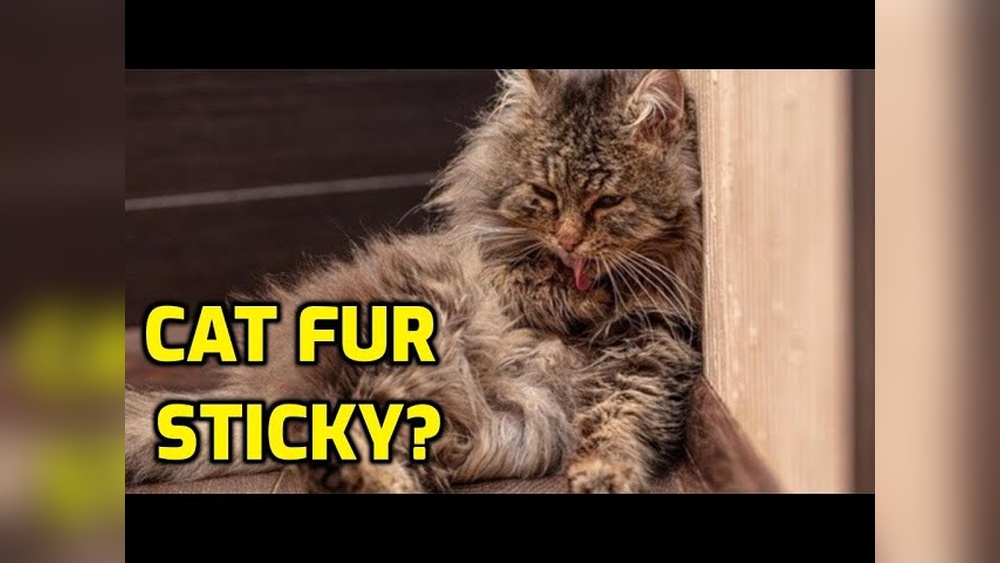
Cats are curious by nature. They explore every corner, squeeze into small places, and sometimes get into sticky trouble. If you live with a cat, you may have noticed sticky residue on their fur—maybe gum, glue, sap, tape, or food.
This is not just an annoying mess; it can be uncomfortable or even harmful for your pet. Removing sticky substances from cat fur is tricky. If done wrong, it may hurt your cat or damage their beautiful coat.
You might wonder, “Why can’t I just cut the sticky fur off? ” Or, “Will soap and water really work for sticky things like glue? ” This guide answers these questions and more. Here, you’ll learn safe methods for removing sticky residue from cat fur, mistakes to avoid, and how to prevent these sticky situations in the first place.
You’ll also find clear steps, tools you can use, and tips for different types of sticky messes. By the end, you’ll know how to help your cat and keep their fur soft and healthy.
Why Sticky Residue Is A Problem For Cats
Sticky substances on fur are not just a cosmetic issue. They can lead to:
- Matted fur: Sticky patches pull hairs together, creating mats that are hard to remove.
- Skin irritation: Many sticky materials, especially glue or sap, can irritate or burn skin.
- Licking and ingestion: Cats groom themselves by licking. Sticky substances may be toxic if swallowed.
- Pain and stress: Pulling at sticky fur can hurt your cat and make grooming time traumatic.
Not all sticky residues are the same. Some are food-based and harmless if eaten, while others (like adhesives or oils) can be dangerous. Recognizing the type of residue is important before choosing a removal method.
Common Types Of Sticky Residue On Cat Fur
Cats can get sticky fur from many sources. Understanding the sticky culprit helps you pick the right cleaning method.
| Residue Type | Examples | Risks |
|---|---|---|
| Food | Syrup, honey, gravy | Attracts dirt, mild skin irritation |
| Adhesives | Glue, tape, sticker residue | Toxic if ingested, mats fur |
| Gum or Candy | Chewing gum, caramel | Sticky mats, ingestion risk |
| Plant Sap or Resin | Pine sap, tree resin | Hard to remove, skin irritation |
| Oily Substances | Cooking oil, lotions | Greasy fur, may cause diarrhea if licked |
Why Cats Get Sticky Residue
- Exploring kitchens: Cats love to sneak onto counters or tables.
- Playing with household items: Cats chew or roll on things like tape or stickers.
- Outdoor adventures: Sap and resin stick to fur during walks or garden play.
- Medical products: Bandages or ointments sometimes leave sticky residue after use.

Credit: www.reddit.com
Before You Start: Safety First
Before trying to remove any sticky substance from your cat’s fur, keep these safety tips in mind:
- Stay calm: Your cat will sense your mood. Move slowly and speak softly.
- Avoid harsh chemicals: Do not use acetone, paint thinner, or other solvents. These are toxic for cats.
- Check the skin: Look for redness, burns, or wounds under the sticky spot.
- Get help if needed: Have a friend gently hold your cat if possible.
- Gather your supplies: Prepare everything before starting to avoid a long, stressful session for your cat.
Essential Tools And Products For Sticky Residue Removal
A few simple items can make the cleaning process safer and easier. Here are some tools and products to have on hand:
- Fine-toothed comb: For gently removing residue and tangles.
- Blunt scissors or safety shears: Only for extreme cases where cutting is needed.
- Mild cat shampoo: Use a shampoo specifically made for cats.
- Pet-safe wipes: Good for quick clean-up of small sticky spots.
- Vegetable oil or coconut oil: Natural oils help loosen many sticky substances.
- Cotton balls or soft cloths: For applying oil or cleaning the fur.
- Warm water: Helps soften sticky areas.
- Towel: For drying your cat afterward.
- Treats: Reward your cat for staying calm.
Avoid using human shampoos or cleaning sprays. Many ingredients safe for people can be toxic to cats.
Step-by-step Guide: Removing Sticky Residue From Cat Fur
1. Assess The Situation
- Identify the substance: Is it glue, sap, food, or something else?
- Check the area: Is the sticky patch near the face, paws, or tail? Is the skin underneath healthy?
- Decide if you need help: Cats can be squirmy. Another person may be useful for holding or distracting your pet.
2. Restrain Your Cat Safely
Wrap your cat in a towel, leaving only the sticky area exposed. This “kitty burrito” method keeps your cat calm and protects you from scratches.
- Place a towel on a flat surface.
- Gently wrap the cat, tucking in legs and leaving the sticky fur visible.
- Speak softly and offer treats.
3. Test A Small Area First
Before using any product or method, try it on a small patch of fur. Watch for skin reactions or stress.
4. Remove As Much Residue As Possible By Hand
- Use your fingers to gently pull off large chunks of sticky material.
- Be careful not to pull hard or tug the skin.
5. Apply A Safe Softening Agent
For most sticky residues, vegetable oil (such as olive or coconut oil) is gentle and effective.
- Pour a small amount onto a cotton ball or soft cloth.
- Dab the sticky fur, coating it with oil.
- Let it sit for 3–5 minutes to soften the residue.
For food-based stickiness, warm water may be enough. For sap or glue, oil works better.
6. Gently Work Out The Residue
- Use a fine-toothed comb to loosen and remove the sticky material.
- Wipe away softened residue with a clean cloth.
- Repeat as needed, adding more oil if necessary.
7. Wash The Area With Cat Shampoo
- Wet the affected fur with warm (not hot) water.
- Lather a small amount of cat shampoo into the fur.
- Rinse thoroughly to remove shampoo and oil.
- Pat the area dry with a towel.
8. Trim Only As A Last Resort
If the residue will not come out and is causing pain, carefully trim the sticky fur with blunt scissors. Never cut close to the skin. If you are not sure, ask a vet or groomer.
9. Watch For Skin Problems
After cleaning, check the area daily for redness, sores, or swelling. If your cat seems uncomfortable or licks the spot often, call your vet.
Removing Different Types Of Sticky Residue
Not all sticky messes are the same. Here are specific tips for common types:
Food Residue
Food like syrup, honey, or gravy usually washes out easily.
- Rinse with warm water.
- Massage a drop of cat shampoo into the spot.
- Rinse and dry.
Tip: If dried food remains, soften it with a damp cloth before shampooing.
Glue, Tape, Or Adhesive
Adhesive residue is stubborn and may need oil.
- Do NOT use harsh solvents.
- Apply vegetable or coconut oil to the sticky area.
- Wait 5 minutes, then comb out the loosened glue.
- Wash with cat shampoo to remove oil.
Non-obvious insight: Many pet owners try to pull tape off quickly. This can pull out hair or damage skin. Always soften first.
Gum Or Candy
Gum can be tricky since it stretches and mats fur.
- Harden the gum with an ice cube in a plastic bag for a few minutes.
- Break the gum into smaller pieces.
- Apply oil to loosen the rest.
- Comb and wash as above.
Tip: Never use peanut butter as a remover; it’s high in fat and can upset your cat’s stomach.
Plant Sap Or Resin
Pine sap or resin is sticky and often clings deeply.
- Use coconut oil, which is good at breaking down plant resins.
- Massage oil into the sap until it loosens.
- Comb out, then shampoo.
Non-obvious insight: Sap can cause allergic reactions. Watch for swelling or redness.
Oily Substances
Cooking oil or lotion makes fur greasy.
- Blot excess oil with a paper towel.
- Wash with cat shampoo twice if needed.
- Avoid using dish soap; it’s too harsh for cat skin.
What To Do If You Can’t Remove The Sticky Residue
Sometimes, home care is not enough. Call your veterinarian or a professional groomer if:
- The residue is close to the eyes, mouth, or genitals.
- The sticky patch covers a large area.
- Your cat is in pain or very stressed.
- The skin is broken, bleeding, or infected.
- You cannot safely restrain your cat.
Vets and groomers have special tools and experience for these cases.
Products And Tools: What Works And What To Avoid
Some products are safe for cats, while others are not. Here’s a quick comparison:
| Product/Tool | Safe for Cats? | Best For | Use With Caution |
|---|---|---|---|
| Vegetable oil (olive, coconut) | Yes | Glue, sap, tape | Avoid excess; wash after use |
| Pet-safe wipes | Yes | Small food or oil spots | Check label for alcohol |
| Cat shampoo | Yes | All sticky residues | Do not use human shampoo |
| Scissors | Yes (blunt tip) | Hard mats only | Never near skin or eyes |
| Acetone or nail polish remover | No | Never | Toxic if ingested or absorbed |
| Essential oils | No | Never | Toxic to cats |
Pro tip: Always double-check product labels for warnings about pets.

Credit: www.reddit.com
How To Prevent Sticky Residue On Cat Fur
Prevention is the best way to keep your cat clean and safe. Here are some strategies:
- Keep sticky items out of reach: Store glue, tape, and food in closed cabinets.
- Avoid using sticky traps near cats: Glue traps for insects or mice are dangerous for pets.
- Clean spills quickly: If something sticky falls, wipe it up before your cat can find it.
- Supervise outdoor time: Watch your cat around pine trees or sap-producing plants.
- Choose pet-safe bandages: If your cat needs a bandage, ask your vet for ones that won’t leave residue.
- Regular grooming: Brush your cat often. This helps you spot and remove sticky bits before they become a problem.
Non-obvious insight: Many sticky accidents happen during holidays (like Halloween or Christmas) when decorations and treats are everywhere. Be extra careful at these times.
How To Make The Process Less Stressful For Your Cat
Cleaning sticky fur is never a cat’s favorite activity. Here are ways to make it easier:
- Keep sessions short: If the sticky spot is big, clean a little at a time.
- Use treats and praise: Reward good behavior during and after cleaning.
- Stay gentle: Slow, calm movements reduce fear.
- Let your cat sniff tools first: This lowers anxiety about brushes or wipes.
- Stop if your cat is very stressed: Wait and try again later, or ask for help.
Insight for beginners: Most cats dislike water. Try to keep the cleaning area small to avoid full baths.
When To See A Vet
Sometimes, sticky residue is more than a grooming problem. Contact your veterinarian if:
- The sticky substance is a known toxin (like super glue or chemicals).
- Your cat is drooling, vomiting, or acting sick.
- There is swelling, bleeding, or skin damage under the residue.
- Your cat stops eating or grooming.
- You cannot remove the sticky substance safely.
Vets can safely sedate your cat if deep cleaning or shaving is necessary.
Common Mistakes To Avoid
Removing sticky residue from cat fur can go wrong if you’re not careful. Here are mistakes to avoid:
- Using human products: Many cleaning products contain alcohol or chemicals dangerous for cats.
- Pulling hard on fur: This can hurt your cat and make them fear future grooming.
- Cutting too close to the skin: You might accidentally injure your cat.
- Leaving residue in the fur: Even small amounts can cause mats or attract dirt.
- Ignoring your cat’s stress signs: A stressed cat is more likely to scratch or bite.
Beginner tip: If you’re not sure about a product, look it up on a reputable site like the ASPCA or ask your vet.
Case Examples: Real Cat Owners Share Their Experience
Hearing about real situations can help you feel more confident.
Case 1: A cat named Luna rolled in pine sap after climbing a backyard tree. Her owner used coconut oil to soften the sap, then combed it out slowly over two sessions. The fur was oily, but after a gentle cat shampoo rinse, Luna’s fur returned to normal.
Case 2: Max got tape stuck on his paw while exploring a desk. His owner tried to pull it off, but Max yelped. After reading online, she dabbed olive oil on the tape, waited five minutes, and the tape slid off without pain.
Case 3: Bella found a sticky lollipop under the sofa. Her owner used a cold pack to harden the candy, broke it apart, and then used a pet wipe for the rest. Bella was rewarded with treats and soon forgot the ordeal.
Insight: Most successful cases used oil and patience—not brute force.
Comparing Home Remedies Vs Professional Help
Some sticky fur cases are simple, others need expert help. Here’s a quick look:
| Situation | Home Remedy | Professional Help Needed |
|---|---|---|
| Small food or oil spot | Pet wipes, cat shampoo | No |
| Large glue patch | Vegetable oil, comb | Yes, if near eyes/mouth |
| Sticky residue with skin injury | No | Yes |
| Matting after sap exposure | Oil, comb, trim if needed | Yes, if severe matting |
| Cat resists all cleaning attempts | Try short, gentle sessions | Yes, for sedation or shaving |
Insight: Home remedies are best for small, simple messes. If you feel unsure, a vet or groomer is always the safest option.
How Sticky Residue Affects Cat Health
Sticky residue isn’t just messy—it can create health problems:
- Hairballs: Extra licking means more hair swallowed, leading to hairballs.
- Skin infections: Mats or residue trap bacteria, causing infections.
- Toxicity: Some substances (like glue or essential oils) are poisonous to cats.
- Obstructed grooming: Sticky fur may stop your cat from grooming properly, leading to more mats.
Veterinary studies have found that skin problems are among the top five reasons for vet visits in cats. Keeping fur clean is more than cosmetic—it’s part of your cat’s overall health.
What To Do After Removing Sticky Residue
Once your cat is clean:
- Dry the fur well: Damp fur can cause chills or mats.
- Brush gently: This removes loose hairs and any last bits of residue.
- Reward your cat: Treats and affection help your cat associate grooming with positive feelings.
- Watch for problems: Check the area for a few days. If you see redness or your cat keeps licking, call your vet.
Non-obvious insight: Even after cleaning, cats may avoid the area for a while. This is normal and usually passes quickly.

Credit: www.reddit.com
Frequently Asked Questions
How Can I Remove Sticky Residue From My Cat’s Fur Without Hurting Them?
The safest way is to use a gentle oil like coconut oil or olive oil. Apply it to the sticky area, let it soften for a few minutes, then gently comb or wipe away the residue. Always avoid harsh chemicals and never pull hard on the fur.
Is It Safe To Use Human Products Like Baby Oil Or Dish Soap?
No. Baby oil and dish soap are not recommended for cats. Baby oil may contain fragrances or chemicals toxic to cats. Dish soap can dry out skin and cause irritation. Always use products labeled safe for pets, or ask your vet.
What Should I Do If My Cat Ingests A Sticky Substance?
If the substance is food-based (like syrup), there is usually no need to worry. However, if your cat eats glue, adhesives, or anything toxic, call your veterinarian immediately. Watch for signs like drooling, vomiting, or acting sick.
When Should I Seek Professional Help For Sticky Residue On My Cat’s Fur?
See a vet or groomer if the sticky residue is near sensitive areas (eyes, mouth, genitals), if the skin looks hurt, or if your cat is very stressed. Professional help is also best if you can’t remove the residue safely at home.
Are There Cat-safe Products For Removing Sticky Residue?
Yes. Pet supply stores sell cat-safe wipes and shampoos. You can also use coconut or olive oil, which are safe in small amounts. Always check labels and avoid products with essential oils or strong chemicals.
Helping your cat stay clean and comfortable is a key part of pet care. If you’re ever unsure about a sticky situation, don’t hesitate to call your vet or check reliable resources like the ASPCA Cat Care page. With the right approach, you can remove sticky residue safely and keep your cat’s fur soft, shiny, and healthy.