
If you’ve ever seen your cat scratching or biting at its fur, you might wonder if fleas are the problem. Fleas are tiny pests, but they can cause big trouble for cats and their owners. One simple, effective tool for finding and removing fleas is a flea comb. Used the right way, a flea comb can help you spot fleas early, keep your cat comfortable, and even reduce the need for chemicals in your home. But using a flea comb isn’t always as simple as it looks—especially if your cat is nervous, has long hair, or won’t sit still.
This article will guide you step by step. You’ll learn how to choose the right flea comb, prepare your cat, use the comb safely, and clean up after a session. You’ll also find out what to do if you find fleas, when to seek extra help, and get answers to common questions.
Whether you’re a first-time cat owner or just want to improve your flea-fighting skills, you’ll find everything you need to use a flea comb the right way.
Why Use A Flea Comb?
Many cat owners wonder why a simple comb is recommended when there are so many flea treatments available. The answer is that a flea comb is a non-toxic, affordable, and direct way to check for fleas.
- Detect fleas early: Flea combs help you see fleas or flea dirt before an infestation grows.
- Reduce chemical use: Combing removes some fleas without pesticides, lowering the need for harsh products.
- Monitor your cat’s health: Regular combing lets you spot skin problems, wounds, or allergies early.
- Bonding time: Many cats enjoy gentle grooming, which can make your relationship stronger.
A flea comb is not a replacement for medication in severe infestations, but it’s an important first step and a helpful tool in any flea control plan.
What Is A Flea Comb?
A flea comb is a small, fine-toothed comb made for removing fleas and their eggs from animal fur. The teeth are very close together—usually just 0.2–0.3 mm apart—so only tiny particles like fleas or flea dirt can pass through.
Key features of a flea comb:
- Fine, closely spaced teeth: Traps fleas, eggs, and dirt.
- Comfortable handle: Makes it easier to grip, especially during long combing sessions.
- Durable material: Usually plastic, metal, or a mix of both for strength and easy cleaning.
Unlike regular brushes or combs, a flea comb is specifically designed to catch even the tiniest pests.
How To Choose The Right Flea Comb
Choosing a good flea comb makes your job much easier. Not all flea combs are the same, and the wrong comb can pull your cat’s hair or miss fleas.
Here’s what to look for:
| Feature | Why It Matters | Best For |
|---|---|---|
| Fine, metal teeth | Metal teeth are strong and pick up more fleas than plastic | All fur types |
| Non-slip handle | Gives better control, especially with wiggly cats | Active or nervous cats |
| Tooth spacing (0.2–0.3 mm) | Captures fleas and flea dirt but doesn’t pull too much hair | Short or long hair |
| Wide body | Covers more fur with each pass | Large or long-haired cats |
Tip: Some combs have double-sided teeth. This can be useful if your cat has thick or matted fur.
Avoid: Cheap, all-plastic combs with wide teeth. These usually miss fleas and break easily.
Preparing Your Cat For Flea Combing
Many cats don’t love being groomed, especially if they’re not used to it. Taking a few simple steps before you start can make the process smoother for both of you.
1. Pick The Right Time
Choose a time when your cat is relaxed—after a meal, or during their usual nap time. Avoid starting when your cat is hyperactive or agitated.
2. Gather Supplies
You’ll need:
- Flea comb
- Small bowl of soapy water (dish soap works best)
- Clean towel
- Treats or your cat’s favorite toy
- Bright light (optional, for better visibility)
Why soapy water? Fleas can jump or run away. Dipping the comb in soapy water after each stroke traps and kills fleas instantly.
3. Prepare The Area
Work in a quiet, comfortable spot. Place a towel on your lap or a table. If your cat tends to move a lot, consider grooming in a small bathroom or a room with the door closed.
4. Calm Your Cat
Pet your cat, speak softly, and offer treats. If your cat is nervous, just let them sniff the comb and get used to it before starting.

Credit: www.bibliotecaoscura.com
Step-by-step: How To Use A Flea Comb On Your Cat
Once you and your cat are ready, it’s time to start combing. These steps will help you remove fleas safely and effectively.
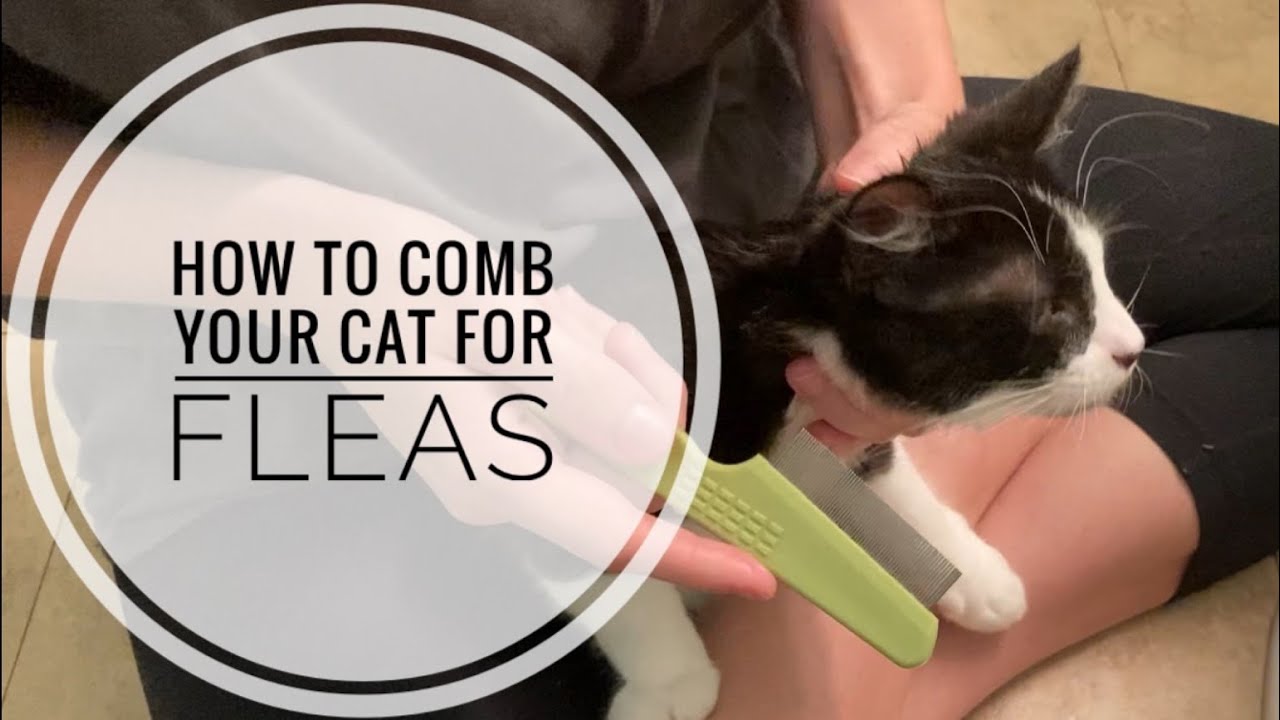
1. Begin With The Head And Neck
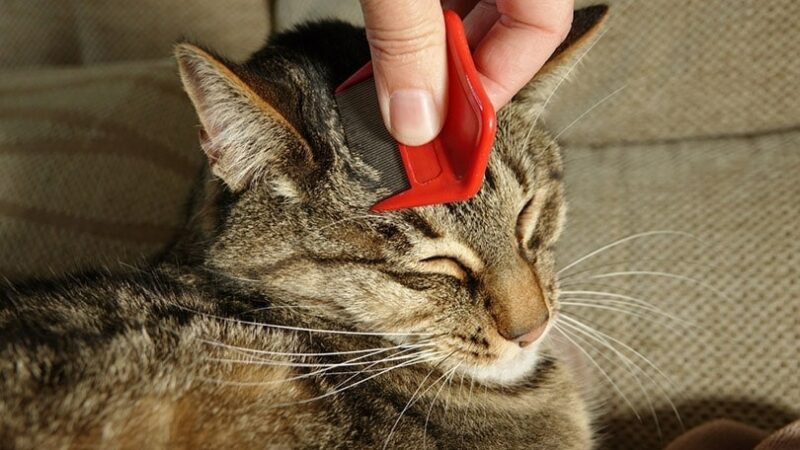
Start at the back of the neck and behind the ears. Fleas often gather here because cats can’t groom these spots easily.
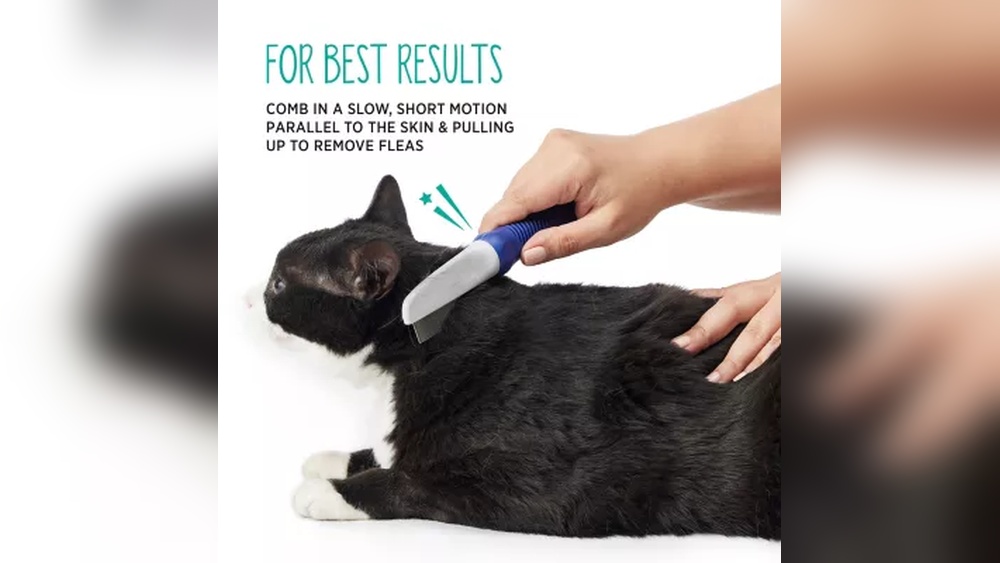
- Hold the comb at a gentle angle and press lightly against the skin.
- Pull the comb slowly through the fur, from the skin outwards.
- After each stroke, check the comb for fleas or dirt.
2. Work Down The Body
Move from the neck to the back, sides, belly, and legs. Always comb in the direction the fur grows.
- Take your time, especially in thick fur or sensitive areas.
- If you find fleas, dip the comb in the soapy water to rinse them off.
Tip: Use a bright light or sunlight to help spot fleas. Fleas look like small, fast-moving black dots.
3. Don’t Miss The Tail And Groin
Fleas love warm, hidden spots. Pay special attention to:
- Base of the tail
- Groin
- Underarms
These areas can be sensitive, so go slowly and be gentle.
4. Repeat As Needed
Go over each area several times. The first pass may miss some fleas or dirt, especially in long-haired cats.
5. Give Your Cat A Break
If your cat becomes restless, pause and offer a treat or a short play session. It’s better to do several short sessions than one long, stressful one.
6. Finish And Clean Up
Once you’re done:
- Check your cat’s fur for any remaining fleas.
- Wipe your cat with a damp cloth if they tolerate it.
- Wash your hands and clean the comb with hot, soapy water.
What To Look For: Fleas, Eggs, And Flea Dirt
Not everything you find on the comb will be a flea. Here’s how to tell what you’re seeing:
| Item | What It Looks Like | How to Identify |
|---|---|---|
| Adult flea | Small (2–4 mm), dark brown, moves quickly | Jumps or runs on comb or fur |
| Flea egg | Tiny white oval, about the size of a grain of salt | Doesn’t move, can roll off fur easily |
| Flea dirt | Black or reddish-brown specks, looks like pepper | Turns reddish if placed on wet tissue |
| Skin flakes | White or gray, irregular shapes | Does not turn red when wet |
Pro tip: To confirm flea dirt, place a speck on a damp paper towel. If it turns rusty red, it’s digested blood from a flea.
Credit: www.youtube.com
How Often Should You Use A Flea Comb?
How often you use a flea comb depends on your cat’s risk and whether you’ve found fleas before.
- No fleas found: Once per week for regular checks.
- After finding fleas: Daily, or even twice a day, until you no longer find fleas or dirt.
- High-risk cats (outdoor, multi-pet homes): 2–3 times per week.
Regular combing not only catches fleas but also shows how well your other flea control methods are working.
What To Do If You Find Fleas
Finding fleas doesn’t mean you’ve failed as a pet owner—fleas are very common. Here’s what to do next:
- Kill fleas on the comb: Always dip the comb in soapy water after each stroke.
- Treat your home: Fleas lay eggs in carpets, bedding, and furniture. Vacuum daily and wash your cat’s bedding in hot water.
- Consider medication: Talk to your vet about safe flea treatments for your cat. Some over-the-counter products can be dangerous for cats.
- Check all pets: If you have more than one pet, comb and treat them all—even if they don’t seem itchy.
- Repeat combing: Keep using the flea comb daily until you haven’t found fleas or dirt for at least one week.
Insight: Most fleas live in the environment, not on your cat. Treating only your pet will not solve the problem.
For more on treating fleas in your home, see the advice from the Centers for Disease Control and Prevention.
Credit: www.catster.com
Common Problems And How To Solve Them
Even with the right tools, combing a cat for fleas is not always easy. Here are solutions to the most common issues:
Cat Won’t Sit Still
- Try grooming after a meal when your cat is sleepy.
- Offer treats before, during, and after the session.
- Keep sessions short (5–10 minutes).
- Some cats like being wrapped gently in a towel (“kitty burrito”) for combing.
Long Or Matted Fur
- Use a wide-tooth comb first to gently untangle knots.
- Try a double-sided flea comb for thick coats.
- Never pull hard; it’s better to stop and work out a tangle by hand.
Sensitive Skin
- Use light pressure—never force the comb through.
- If your cat has sores or bald spots, avoid those areas and ask your vet for advice.
Fleas Keep Coming Back
- Check all pets and treat your home.
- Wash bedding and soft toys weekly.
- Consider professional pest control if the problem is severe.
When To See A Veterinarian
Combing helps, but sometimes you need extra help. See your vet if:
- Your cat is scratching so much they have sores or bald spots.
- Fleas return even after treatment.
- Your cat is acting sick (not eating, hiding, or showing other unusual behavior).
- You find tapeworms (small, rice-like segments near the tail—fleas can transmit these).
Non-obvious insight: Some cats are allergic to flea bites (“flea allergy dermatitis”). Even one flea bite can cause severe itching and skin problems. If your cat seems very sensitive, ask your vet about allergy treatment.
Other Tools You Can Use Alongside A Flea Comb
While a flea comb is powerful, it works even better as part of a full flea-control plan.
Other helpful tools:
- Flea sprays and powders: Only use those labeled safe for cats. Never use dog products.
- Flea collars: Some modern collars (like those with imidacloprid or flumethrin) can help, but not all cats tolerate them.
- Spot-on treatments: Prescription products from your vet are usually safest and most effective.
- Vacuum cleaner: Powerful for removing eggs and larvae from carpets and furniture.
Note: Always check with your veterinarian before starting any new flea control product, especially if your cat is old, young, or has health issues.
Myths And Mistakes To Avoid
There are many myths about fleas and flea combing. Here’s what not to do:
- “My cat stays indoors, so they can’t get fleas.” Fleas can come inside on shoes, clothes, or other pets.
- “If I don’t see fleas, my cat doesn’t have them.” Cats are great groomers. They may eat fleas before you see them.
- “Home remedies are enough.” Things like vinegar, lemon juice, or essential oils are not proven to kill fleas and can be dangerous for cats.
- “Flea combs replace medication.” A flea comb is a tool, not a cure-all. Severe infestations need more than combing.
- “One combing session is enough.” Flea eggs can hatch after you comb. Regular checks are important.
Tracking Progress: Keeping A Flea Diary
If you’re dealing with a flea problem, it helps to keep notes. This lets you see what’s working and when it’s time to change tactics.
What to write down:
- Date and time you combed
- How many fleas or dirt specks you found
- What other treatments you used (sprays, vacuuming)
- Any changes in your cat’s scratching or comfort
Example:
- 6/1—Combed after breakfast, found 2 fleas, vacuumed living room, cat less itchy today.
- 6/3—No fleas, but some flea dirt, washed bedding.
This record can help your vet, too, if you need to ask for advice.
Comparing Flea Combs: Which One Is Best?
With so many flea combs on the market, how do you choose? Here’s a side-by-side look at three popular types:
| Comb Type | Pros | Cons | Best For |
|---|---|---|---|
| Metal, single row | Durable, effective, easy to clean | May pull in very thick fur | Short or medium hair cats |
| Double-sided (fine & extra-fine) | Good for all fur types, tackles tangles | Can be bulky, needs careful cleaning | Long hair or multi-pet homes |
| Plastic, fine teeth | Lightweight, gentle on sensitive skin | Less durable, misses some fleas | Kittens, very shy cats |
Non-obvious insight: Metal combs last longer and are easier to disinfect, especially if your cat has skin issues.
Safety Tips For Flea Combing
Combing is safe, but only if you do it correctly. Protect your cat (and yourself) with these tips:
- Never use force: If the comb gets stuck, stop and gently untangle by hand.
- Check the teeth: Broken teeth can scratch your cat’s skin.
- Don’t share combs: Use one comb per cat, or clean thoroughly between pets.
- Watch for stress: If your cat pants, drools, or tries to escape, stop and try again later.
Rare but important: Some cats can develop flea-borne illnesses (like Bartonella or tapeworms). If you notice weight loss, fever, or changes in appetite, seek veterinary care.
Can You Use A Flea Comb On Kittens?
Kittens are extra sensitive to chemicals, so a flea comb is often the safest choice for them.
- Start combing gently at 4 weeks old.
- Use a small, plastic comb for tiny kittens.
- Avoid wetting kittens; they chill easily.
If you find a heavy flea load on a kitten, call your vet. Fleas can cause anemia (low red blood cells), which can be deadly for young kittens.
Aftercare: Cleaning Up Fleas And Flea Dirt
Combing is only half the battle. Flea eggs and dirt can fall into your home, so clean-up is key.
- Dispose of water: Always dump the soapy water outside or down the toilet after combing.
- Wash bedding: Use hot water and soap. Dry on high heat.
- Vacuum: Go over carpets, furniture, and cracks daily for at least a week.
- Disinfect the comb: Use boiling water or rubbing alcohol (rinse well afterward).
Extra tip: If you have a severe infestation, consider using a flea spray labeled for your home (not just for pets).
How Flea Combing Fits Into A Full Flea Control Plan
No single method works alone. Here’s how flea combing helps you win the flea battle:
- Early detection: Find fleas before they multiply.
- Reduces adult fleas: Each combing removes live fleas and eggs.
- Monitors treatment: Shows if medicine or cleaning is working.
- Safer for sensitive cats: Lowers need for chemicals.
But always remember to combine combing with other methods—medication, cleaning, and environmental control—for best results.
Frequently Asked Questions
How Do I Know If My Cat Has Fleas?
Look for scratching, biting, or licking, especially around the neck and tail. Use a flea comb to check for fleas or flea dirt (black specks that turn red on a damp tissue). Not all itchy cats have fleas, but these are the most common signs.
Can I Use A Regular Comb Instead Of A Flea Comb?
No. A regular comb has wider teeth and will miss fleas and eggs. A flea comb’s teeth are much closer together, designed to trap tiny pests and flea dirt.
Is It Safe To Use A Flea Comb Every Day?
Yes. Daily combing is safe and often recommended during a flea outbreak. Be gentle, use light pressure, and stop if your cat seems uncomfortable.
What Should I Do With Fleas I Find On The Comb?
Always dip the comb in soapy water after each stroke. This kills fleas instantly and prevents them from jumping back onto your cat or escaping into your home.
Are There Any Risks With Flea Combs?
Flea combs are safe for most cats. Risks include skin irritation if you use too much pressure, or scratching if the comb has broken teeth. Avoid combing over sores or wounds, and always check the comb before each use.
Final Thoughts
Using a flea comb is one of the simplest and safest ways to protect your cat from fleas. It helps you spot problems early, reduces the need for harsh chemicals, and gives you a chance to bond with your pet. Remember to choose the right comb, be gentle, and make combing a regular habit—especially if your cat goes outdoors or lives with other animals. Combine combing with cleaning and, when needed, medication for best results. With patience and the right steps, you can keep your cat happier and your home flea-free.