

Many dog owners worry about fleas, and for good reason. Fleas make dogs itchy, uncomfortable, and can even lead to skin infections or allergic reactions. These tiny pests are more than a nuisance—they can carry diseases and quickly infest your home if not controlled. But there’s a simple, affordable tool that helps: the flea comb. Used correctly, a flea comb can remove adult fleas, flea dirt, and even eggs from your dog’s coat. While it’s not a magic solution, it’s a powerful part of your flea-fighting plan. Let’s explore how to use a flea comb on a dog, why it works, and what you need to know for best results.
Why Use A Flea Comb?
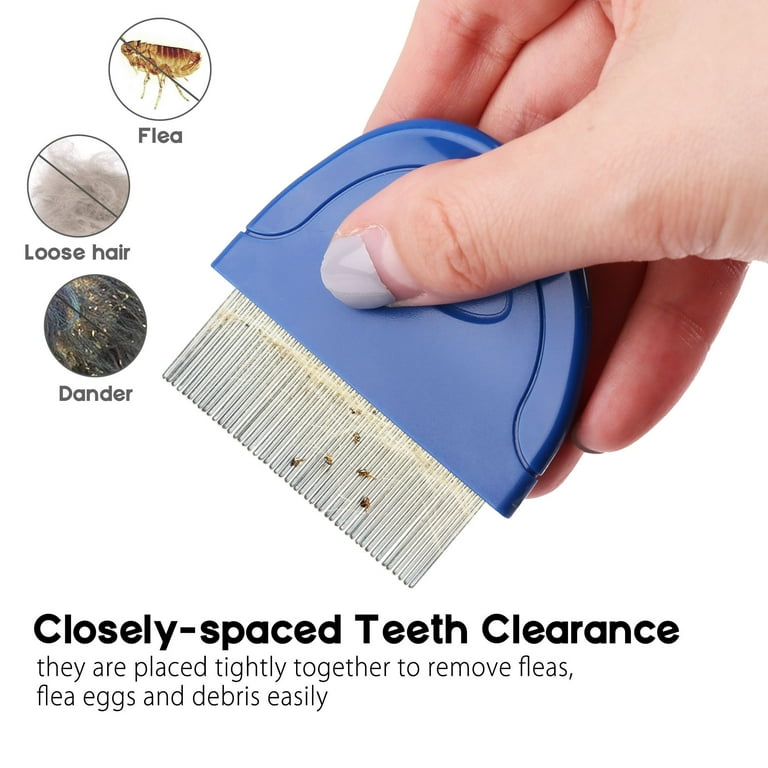
A flea comb is a special grooming tool with tightly spaced teeth. Its main job is to catch and pull out fleas, flea dirt (tiny black specks), and sometimes eggs from your dog’s fur. But why use a flea comb when there are sprays, pills, or topical treatments? Here’s what makes it valuable:
- Chemical-free: No pesticides or harsh chemicals, which is ideal for puppies, elderly dogs, or sensitive pets.
- Immediate results: You can physically see and remove fleas right away.
- Helps monitor infestations: Regular combing lets you track if flea numbers go up or down.
- Complements other treatments: Flea combs boost the effectiveness of shampoos, medications, or sprays.
While a flea comb won’t solve a heavy flea infestation alone, it’s a crucial tool—especially for early detection or in homes with children or people sensitive to chemicals.
Choosing The Right Flea Comb
Not all flea combs are the same. Picking the right one makes a big difference in how well it works and how comfortable your dog feels.
Key Features To Look For
- Fine, closely spaced teeth: The gap between the teeth should be less than a millimeter. This traps fleas and debris but lets hair pass through.
- Sturdy material: Stainless steel teeth last longer and don’t bend easily. Plastic combs may break or get damaged.
- Comfortable handle: Look for a non-slip grip, especially if your dog squirms.
- Size and shape: Small combs work well for toy breeds or faces, while larger combs cover more area on big dogs.
- Rounded tips: Protects your dog’s skin from scratches.
Comparing Popular Flea Combs
Here’s a look at how three common flea comb types compare:
| Comb Type | Material | Best For | Drawbacks |
|---|---|---|---|
| Standard Metal Flea Comb | Stainless Steel | All breeds, daily use | May pull on tangled hair |
| Double-Sided Flea Comb | Steel/Plastic | Different hair lengths | Can be bulky |
| Fine-Toothed Plastic Comb | Plastic | Puppies, sensitive skin | Less durable |
Insight: Many owners pick a comb based only on price. However, a cheap plastic comb often bends or misses fleas, frustrating both you and your dog. Investing in a strong, fine-toothed metal comb usually pays off in less time and better results.
Credit: www.walmart.com
Preparing Your Dog And Space
Before you begin, a little planning makes combing smoother for both you and your dog. Here’s how to prepare:
Step 1: Gather Supplies
Have everything ready:
- Flea comb
- Bowl with hot, soapy water (dish soap works well)
- Old towel or sheet
- Treats for positive reinforcement
- Paper towels or tissues
Step 2: Choose The Right Location
Combing can get messy—fleas may jump or fall off. Ideal places are:
- The bathroom (easy to clean)
- Outside (if weather is good and fleas won’t escape into grass)
- A tiled or linoleum floor, not carpet
Lay down the towel or sheet to catch any debris.
Step 3: Calm Your Dog
Dogs sense tension. If you’re nervous, your pet may squirm more. Let your dog sniff the comb and reward calm behavior with a treat. If your dog hates grooming, start with a short session and build up over time.
Pro Tip: If your dog’s fur is tangled, brush it gently before using the flea comb. Flea combs can’t move through mats, and pulling hurts your dog’s skin.
How To Use A Flea Comb: Step-by-step
Combing for fleas is simple, but a careful technique makes all the difference. Here’s how to do it right:
Step 1: Start At The Head
Begin at your dog’s head, just behind the ears. Fleas love warm, hidden spots, so pay close attention here. Hold the comb at an angle and gently pull through the fur, moving in the direction of hair growth. Work slowly to avoid pulling.
Step 2: Work Down The Body
Move down the neck, along the back, and toward the tail. Always comb in small sections. For each stroke:
- Check the comb for fleas or black specks (flea dirt)
- Dip the comb in the bowl of soapy water—this drowns fleas and eggs
Step 3: Don’t Miss Hotspots
Some areas are flea favorites:
- Base of tail
- Groin and belly
- Under the legs (“armpits”)
- Around the neck and collar
Comb these areas carefully. Use your free hand to hold back fur so you can reach the skin.
Step 4: Repeat On Both Sides
Turn your dog gently and repeat the process on the other side. If your dog is long-haired, lift the fur and comb in layers.
Step 5: Finish And Clean Up
When finished, wipe your dog with a damp cloth to remove any soap residue. Clean the comb with hot, soapy water and dry it well to prevent rust.
Visual Guide: Flea Combing Process
| Step | Action | Why It Matters |
|---|---|---|
| 1 | Start behind the ears | Fleas hide in warm, hidden spots |
| 2 | Comb down back, neck, tail | Covers main flea travel routes |
| 3 | Focus on “hotspots” | Fleas gather near tail, groin, armpits |
| 4 | Dip comb in soapy water after each stroke | Kills fleas and prevents escape |
| 5 | Check comb for flea dirt/fleas | Monitors how well you’re doing |

Credit: www.bibliotecaoscura.com
How Often Should You Use A Flea Comb?
Frequency depends on your situation:
- If your dog has fleas now: Comb daily, even twice a day if possible.
- If you’re preventing fleas: Once or twice a week is usually enough.
- After walks in grassy or wooded areas: Quick comb-through helps catch early fleas.
Remember, flea eggs and larvae often fall off into bedding or carpet. Regular combing interrupts the flea life cycle and reduces infestations.
What To Look For On The Comb
Finding a live flea is obvious. But sometimes, you’ll see only flea dirt (tiny black or dark brown specks). This is dried blood from fleas feeding on your dog.
How to tell if it’s flea dirt: Place specks on a damp white paper towel. If they turn reddish-brown, it’s flea dirt, not regular dirt.
Eggs are tiny, white, and oval—often hard to see. The comb may pick some up, but eggs usually fall into the environment.
Handling Fleas And Flea Dirt
Once you find fleas or flea dirt, you need to act quickly:
- Drop live fleas into soapy water. Plain water won’t kill them.
- Dispose of tissues with flea dirt—they may contain eggs or larvae.
- Wash your hands after combing, especially before touching your face or food.
Non-obvious insight: Some owners flush fleas down the toilet, but this wastes water and risks live fleas escaping if they cling to the bowl. Soapy water is safer and more effective.
Supporting Flea Control: What Else To Do
While a flea comb removes many adult fleas, it won’t stop an infestation alone. Combine it with these actions:
1. Clean Your Home
Flea eggs and larvae live in your dog’s bedding, carpets, and furniture. Wash bedding in hot water weekly. Vacuum carpets and sofas often, emptying the vacuum bag or canister outside.
2. Treat All Pets
If you have more than one pet, all need flea checks—even if only one scratches. Cats, for example, can carry fleas without obvious signs.
3. Use Preventive Products
Talk to your vet about safe flea control products. Options include oral medications, topical drops, or flea collars. Choose products approved for your dog’s age, weight, and health.
Non-obvious insight: Skipping one pet or area of your home can allow fleas to return, even if you comb daily. Fleas are resilient and multiply quickly.
Common Mistakes To Avoid
Many owners make small errors that limit the flea comb’s effectiveness. Here’s what to watch for:
- Combing too fast: You’ll miss fleas and may hurt your dog.
- Skipping the “hotspots”: Fleas cluster in hard-to-reach areas.
- Using a dirty or rusty comb: This spreads bacteria and doesn’t trap fleas well.
- Not dipping the comb in soapy water: Fleas can jump off and escape.
- Stopping combing after seeing fewer fleas: Eggs may still be hatching.
Special Considerations For Puppies And Senior Dogs
Young puppies and older dogs often have sensitive skin. Here’s how to adjust:
- Use a softer, smaller comb with extra-fine, rounded teeth.
- Be gentle and stop if your dog shows pain or distress.
- Limit sessions to a few minutes, then increase as your dog gets used to combing.
- Offer treats and praise to build positive associations.
Note: Most chemical flea treatments are not safe for puppies under 8 weeks. Flea combing may be the safest option.
Flea Comb Vs Other Flea Removal Methods
How does a flea comb compare to other methods? Here’s a quick look:
| Method | Pros | Cons | Best For |
|---|---|---|---|
| Flea Comb | No chemicals, instant results, low cost | Labor intensive, may miss eggs | Puppies, sensitive pets, mild infestations |
| Topical Spot-On | Long-lasting, easy to use | Potential for side effects, requires correct dosing | Heavy infestations, prevention |
| Oral Medications | Systemic, effective, fast-acting | Prescription needed, not for all dogs | Severe cases, multi-pet households |
| Flea Shampoo | Kills fleas on contact, cleans coat | Short-term effect, may dry skin | Quick relief, before combing |
Summary: Flea combs are excellent for detection and reducing flea numbers, but are best used alongside other methods for full control.
When To See A Veterinarian
While combing helps, some situations need professional help:
- Your dog keeps scratching after several days of combing.
- You find red, irritated, or infected skin.
- There are bald patches or open sores.
- Your dog is lethargic, loses weight, or seems unwell.
A vet can recommend safe medications, check for flea allergies, or treat infections.
Flea Comb Maintenance And Hygiene
A dirty comb spreads germs and doesn’t work well. Here’s how to keep it in top shape:
- Rinse the comb in hot, soapy water during and after use.
- Dry thoroughly to prevent rust (especially metal combs).
- Store in a clean, dry place.
- Check for bent or broken teeth before each use.
If multiple pets use the same comb, sterilize it with rubbing alcohol between uses.
Real-world Example: Combing In Action
Maria, a dog owner in Florida, noticed her terrier, Rocky, scratching. She combed Rocky daily for a week, finding 10-20 fleas each time. After cleaning bedding, vacuuming, and treating her home, the flea count dropped to 2-3 per session. By the end of the second week, fleas were gone, and Rocky’s coat was healthy again.
Key takeaway: Consistency and combining methods made the difference. The flea comb helped Maria track progress and catch fleas before they multiplied.
How To Make Flea Combing Easier
Some dogs dislike grooming. Here’s how to make combing less stressful:
- Comb after exercise, when your dog is tired.
- Use treats or toys as rewards.
- Keep sessions short and positive.
- Play gentle music or speak softly to calm nervous pets.
If your dog is especially anxious, try grooming on a raised surface like a table, or ask a friend to help hold your pet.
Flea Combing For Different Coat Types
Dogs have many coat types, and technique matters:
- Short-haired dogs: Comb lays flat, so move slowly and check skin closely.
- Long-haired dogs: Divide fur into layers, comb from roots to tips, and tackle tangles first.
- Curly or wiry coats: Use a wide-toothed brush before the flea comb, then comb in small sections.
Tip: For thick coats, a spritz of water or dog-safe conditioner helps the comb glide through fur.
Flea Comb Safety Tips
A few extra precautions protect both you and your dog:
- Always supervise children if they help with combing.
- Wear gloves if you have sensitive skin or cuts on your hands.
- Don’t use a flea comb on broken or inflamed skin.
- Wash the comb after every use.
Myth-busting: Flea Comb Misconceptions
Let’s clear up some common myths:
- “Flea combs alone cure infestations.” Not true—eggs and larvae still need cleaning up around the home.
- “Combing hurts dogs.” If done gently with the right comb, most dogs relax and enjoy the attention.
- “You only need to comb once.” Flea life cycles mean you must repeat combing until fleas are gone.

Credit: www.youtube.com
The Bigger Picture: Year-round Flea Control
Fleas aren’t just a summer problem. In many regions, fleas survive indoors all year. Using a flea comb regularly—especially after walks or if your dog plays with other animals—reduces the risk of big infestations.
Combine combing with:
- Monthly preventive treatments if recommended by your vet
- Washing bedding and toys
- Regular vacuuming
- Checking for fleas after playdates or boarding stays
For more on the flea life cycle and prevention, see the Wikipedia page on fleas.
Frequently Asked Questions
How Do I Know If My Dog Has Fleas?
Look for signs like scratching, biting at the skin, or red spots. Flea dirt (tiny black specks) on bedding or skin is another clue. Combing with a flea comb is the best way to confirm—live fleas or flea dirt on the comb means your dog has fleas.
Can I Use A Flea Comb On A Wet Dog?
Yes, but it’s easier on a dry or slightly damp coat. Some owners like to comb after a flea bath, while others find dry hair works best. If the fur is tangled when wet, let it dry first to avoid pulling.
How Do I Clean The Flea Comb After Use?
Rinse in hot, soapy water and scrub away any debris. Dry thoroughly to avoid rust (for metal combs). For extra hygiene, soak in rubbing alcohol for 5 minutes, then rinse and dry.
Will A Flea Comb Remove Flea Eggs?
It may catch some flea eggs, but most fall off into bedding or carpet. That’s why cleaning your home and treating your environment is as important as combing your dog.
Is It Safe To Use A Flea Comb Every Day?
Yes, daily use is safe for most dogs—just be gentle and stop if you see any redness or irritation. For puppies or sensitive dogs, use a soft, rounded comb and keep sessions short.
Getting rid of fleas can feel overwhelming, but a flea comb is a simple, affordable tool that helps you spot, remove, and monitor these pests. Used along with cleaning and vet-recommended treatments, it can bring quick relief to your dog—and peace of mind to you.
Consistency and patience are key. With regular combing and care, your dog’s coat will stay healthy, shiny, and flea-free.