
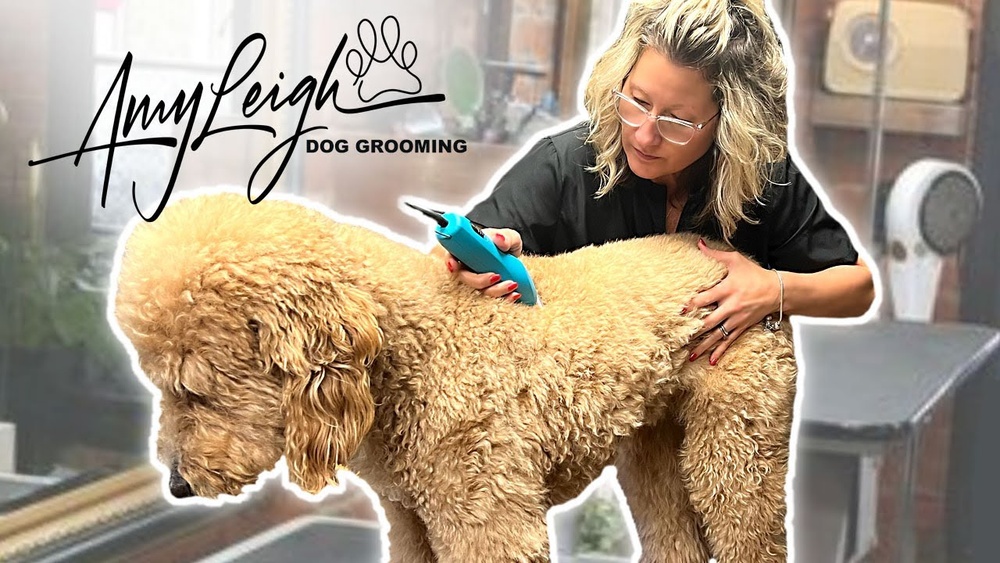
Anyone who shares their home with a dog knows that grooming is much more than just a beauty routine. Regular grooming helps keep your dog’s coat healthy, reduces shedding, and prevents skin problems. One of the most useful tools for at-home grooming is the dog hair trimmer. While professional groomers make it look easy, many pet owners are nervous about using trimmers themselves. With the right knowledge and approach, you can confidently groom your dog at home, saving time and money while strengthening your bond with your furry friend. This guide will teach you everything you need to know about using dog hair trimmers—step by step.
Understanding Dog Hair Trimmers
Before you start trimming, it’s important to understand what dog hair trimmers are and how they differ from regular clippers or human hair tools.
Dog hair trimmers are electric or battery-powered devices designed to cut and shape a dog’s fur. They come in a variety of types, each suited to different coat lengths, thicknesses, and grooming needs. Unlike human clippers, dog trimmers are built to handle fur, which is often denser and sometimes mixed with undercoat.
Types Of Dog Hair Trimmers
Choosing the right type of trimmer can make a big difference. Here’s a look at the main types:
| Type | Best For | Key Features |
|---|---|---|
| Corded Trimmers | Long sessions, thick coats | Consistent power, no battery limits |
| Cordless Trimmers | Short to medium sessions, nervous dogs | Portable, less restrictive |
| Mini Trimmers | Face, paws, sanitary areas | Small, precise blades |
| Heavy-Duty Trimmers | Thick, matted coats | Strong motor, durable build |
What Makes Dog Trimmers Different From Human Clippers?
While it might be tempting to use your own hair clippers on your dog, it’s not a good idea. Dog trimmers are engineered with different blade angles, speeds, and guards to handle fur safely and comfortably. Human clippers can pull or snag your dog’s coat, which can cause pain or injury.
Key insight: Dog clippers often run cooler and quieter than human clippers, reducing stress for nervous pets.
Preparing Your Dog For Trimming
Many grooming problems happen before you even turn the trimmer on. Preparation is critical for a safe and smooth grooming session.
Gather The Right Supplies
You’ll need more than just the trimmer. Here’s what to have ready:
- Dog hair trimmer (with appropriate blades/guards)
- Comb and slicker brush
- Dog shampoo and towel (if a bath is needed)
- Styptic powder (for minor nicks)
- Treats for rewards
- A non-slip mat or grooming table
Brush Out Tangles And Mats
Dogs with mats or tangles should be brushed before trimming. Trimmers can’t cut through mats, and trying to do so can hurt your dog or damage the blade. Use a slicker brush for most tangles and a dematting comb for stubborn mats.
Non-obvious insight: If your dog’s coat is heavily matted, consider cutting mats out with scissors (carefully) or seeking professional help. Trimmers can overheat or break on thick mats.
Bathe And Dry Your Dog
A clean coat is much easier to trim. Dirt and oils can clog blades and affect the cut. Give your dog a bath and make sure the fur is completely dry before you start. Wet fur is harder to cut and may lead to uneven results.
Tip: Some breeds need to be brushed again after drying, as their fur can tangle during the bath.
Calm Your Dog
Many dogs are nervous around grooming tools. Help your dog feel relaxed by:
- Exercising them before the session
- Using treats and gentle praise
- Letting them sniff and explore the trimmer (turned off first)
Practical example: Run the trimmer near your dog (without touching) so they get used to the sound.
:strip_icc()/sps-dog-hair-clippers-test-andis-agc-22340-proclip-2-speed-detachable-blade-katie-macdonald-05-8c5f562949704e7da8709033a03c1b48.jpg)
Credit: www.thesprucepets.com
Choosing The Right Trimmer And Blade
Not all trimmers and blades are created equal. Picking the right combination for your dog’s coat type is essential.
Matching Trimmer Power To Coat Type
Dogs with thin, single-layer coats (like Chihuahuas) don’t need heavy-duty trimmers. Double-coated or curly breeds (like Poodles or Golden Retrievers) often do. If you try to use a low-power trimmer on a thick coat, it may jam or pull.
Blade Sizes And Guards
Blades are measured in numbers. Lower numbers (like #3 or #4) leave the hair longer, while higher numbers (like #10 or #15) cut it shorter. Guards can be attached to keep fur even longer and prevent mistakes.
| Blade Number | Cut Length (approx.) | Typical Use |
|---|---|---|
| #3 | 1/2 inch (13 mm) | Body, longer trims |
| #7 | 1/8 inch (3 mm) | Short body cuts |
| #10 | 1/16 inch (1.5 mm) | Sanitary areas, paws |
| #15 | 3/64 inch (1.2 mm) | Close trims, face |
Important: Never start with the shortest blade unless you are sure. It’s safer to begin with a longer blade and go shorter if needed.
Quality And Noise Level
Some trimmers are much quieter than others. Dogs sensitive to sound do better with low-noise models. Read reviews and, if possible, test the trimmer before buying.
Non-obvious insight: The weight of the trimmer can affect your hand fatigue, especially if grooming a large or double-coated dog.
Setting Up Your Grooming Area
Your environment matters just as much as your tools. A proper setup keeps your dog safe and helps you work efficiently.
Choose The Right Location
Pick a space where your dog can’t escape easily. Bathrooms, laundry rooms, or a dedicated grooming area are ideal. Lay down a non-slip mat to keep your dog from sliding.
Good Lighting
You need to see what you’re doing, especially for detailed areas like the face or paws. Use bright, natural light or a strong lamp.
Organize Your Tools
Keep everything within arm’s reach. Fumbling for blades or scissors in the middle of a trim can make your dog anxious and lead to mistakes.
Prepare For Clean-up
Trimming creates a lot of loose hair. Have a vacuum or broom ready, and consider using a drop cloth for easier cleanup.
Credit: www.revivalanimal.com
Step-by-step Guide To Using Dog Hair Trimmers
Now, let’s walk through the main process. Each step is important for a safe, even, and stress-free trim.
1. Secure Your Dog
If your dog is small, place them on a stable table with a non-slip mat. For large dogs, the floor may work better. Always keep one hand on your dog to prevent sudden movements.
2. Start With The Body
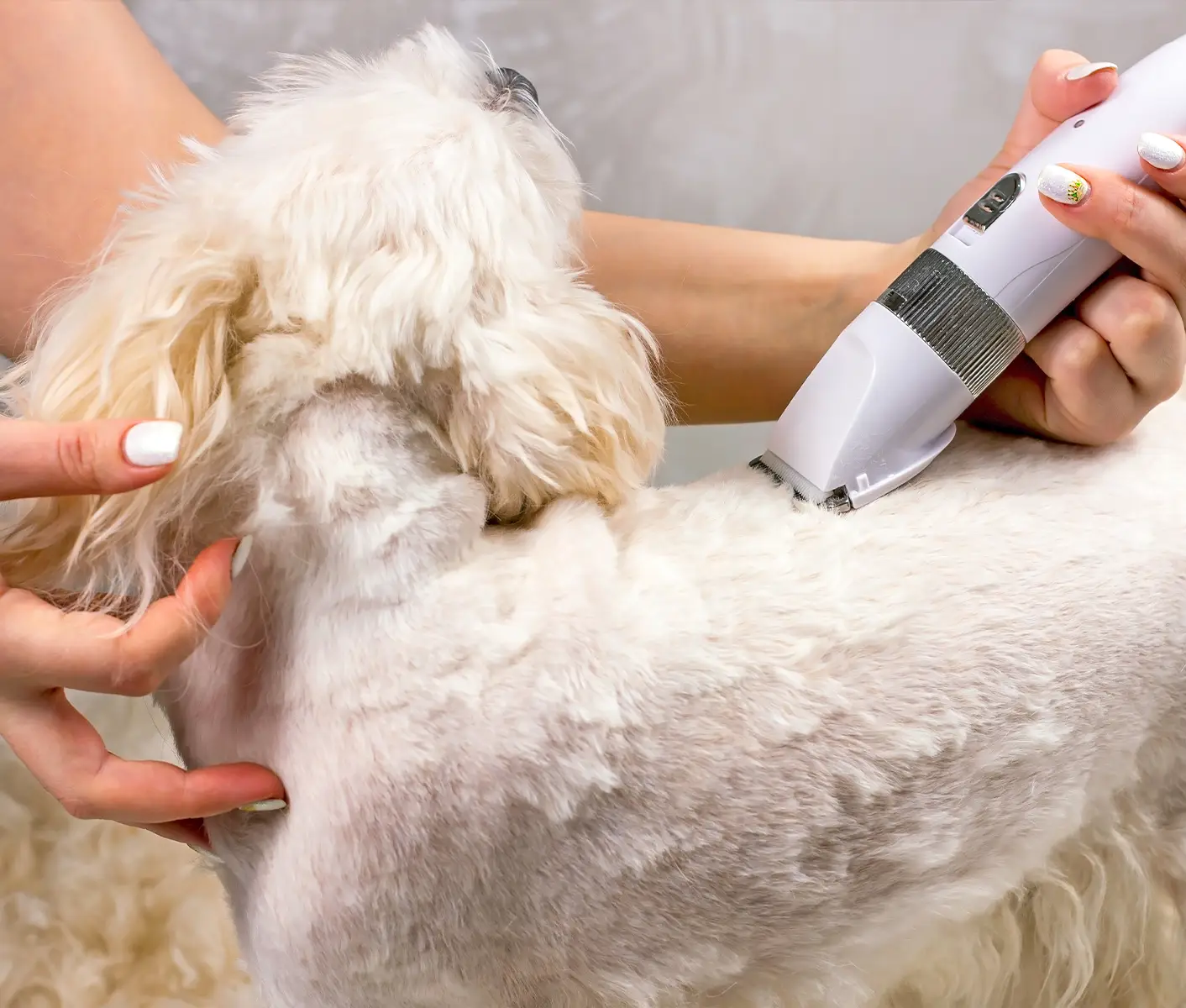
Attach the desired blade or guard. Begin at the shoulders and move in the direction of hair growth. Use gentle, steady strokes and avoid pressing too hard.
- Work from the neck down the back, then sides and chest.
- Use your free hand to hold skin taut, especially on loose areas.
Pro tip: Overlapping your strokes slightly helps prevent missed patches.
3. Trim The Legs
Leg fur can be tricky. Hold the paw gently and trim from the top down. Use shorter blades or guards for areas with less fur.
- For feathered breeds (like Spaniels), use a longer guard to leave a natural look.
4. Tidy The Face And Ears
Switch to a mini trimmer or a short blade for precision. Be extra careful—these areas are sensitive and easy to nick.
- Use slow, gentle motions.
- Keep hair out of the eyes, but don’t trim eyelashes.
- Clean around the ears, but avoid going too close to the ear canal.
Non-obvious insight: Dogs move their heads quickly when nervous. Hold the muzzle gently but firmly, and take breaks if your dog becomes fidgety.
5. Sanitary And Paw Areas
Use a #10 or #15 blade for hygiene areas under the tail and around the genitals. Trim the hair between the paw pads for cleanliness and to prevent matting.
Practical tip: Some dogs dislike having their feet touched. Practice handling paws before trimming to reduce stress.
6. Finishing Touches
Go over the coat with a comb or brush to check for uneven spots. Touch up any missed areas with the trimmer or scissors.
- Give your dog treats and praise for cooperation.
- Wipe the coat with a damp cloth to remove loose hair.
Safety Tips And Common Mistakes
Even experienced groomers make mistakes. Here’s how to avoid the most common problems:
Don’t Rush
Hurrying increases the risk of cutting the skin or creating uneven patches. Take your time, especially if you or your dog are new to grooming.
Watch For Overheating
Blades can get hot with prolonged use, especially on thick coats. Check the blade’s temperature every few minutes by touching it to your wrist. If it’s hot, switch blades or let it cool.
Pro insight: Keep blade coolant or spray nearby to prevent overheating.
Avoid Sensitive Areas
Never trim inside the ear canal or too close to the eyes. Leave these areas to professionals if you’re unsure.
Don’t Force Through Mats
If you hit a tangle, stop and brush it out. Forcing the trimmer can hurt your dog and dull the blade.
Maintain Calm
If your dog becomes scared or restless, pause and give a break. Stressful experiences can make future grooming sessions much harder.

Credit: www.amazon.com
Cleaning And Maintaining Dog Hair Trimmers
A well-maintained trimmer lasts longer and gives better results.
After Every Use
- Remove the blade and brush out all hair.
- Use a blade cleaning solution to remove oil and dirt.
- Dry thoroughly to prevent rust.
Regular Oiling
Apply a few drops of blade oil after each cleaning. This reduces friction and extends blade life.
Non-obvious insight: Neglecting oiling is one of the main reasons trimmers wear out quickly.
Sharpen Or Replace Blades
Dull blades pull fur and can cause discomfort. Most blades need sharpening every few months, depending on usage. Replace blades when sharpening no longer helps.
Battery Care For Cordless Trimmers
Recharge after each use, but avoid leaving the battery plugged in for days. Store the trimmer in a dry, cool place.
When To Use A Professional Groomer
While at-home trimming is possible for most dogs, there are situations where a professional groomer is the safer choice.
- Your dog is aggressive or extremely anxious during grooming.
- The coat is severely matted.
- Your dog has special medical or skin conditions.
- You need a breed-specific cut (like a Poodle show trim).
Professional groomers have training and tools that go beyond what’s possible at home. Don’t hesitate to get help if you’re unsure.
Dog Hair Trimmer Features To Consider
If you’re shopping for a new trimmer, certain features make grooming easier and safer.
| Feature | Why It Matters | Ideal For |
|---|---|---|
| Variable Speed | Adjusts to different coat types | Multi-dog households |
| Quiet Motor | Reduces anxiety | Nervous or small dogs |
| Ergonomic Handle | Reduces hand fatigue | Long sessions |
| Detachable Blades | Easy cleaning and blade changes | All users |
| LED Display | Shows battery life, speed | Tech-savvy owners |
Extra tip: Look for brands with good customer support and availability of replacement parts.
Special Tips For Different Dog Breeds
Every breed has unique grooming needs. Here are some breed-specific considerations:
- Poodles, Bichons, Doodles: These curly-coated breeds need regular trims with sharp blades. Use a longer guard for a fluffy finish.
- Golden Retrievers, Collies: Only trim lightly to tidy the appearance; avoid shaving, as their double coat protects them from heat and cold.
- Yorkies, Shih Tzus: Fine, silky hair benefits from frequent trimming to prevent tangles. Mini trimmers are useful for face and feet.
- Terriers: Their wiry coats are often hand-stripped, but trimmers can tidy up between professional sessions.
- Short-haired breeds: Usually don’t need trimming, but some owners like to tidy up sanitary areas with a #10 blade.
Non-obvious insight: Some breeds, like Huskies, should not be shaved, as it can damage their coat and affect their ability to regulate temperature.
Helping Your Dog Enjoy Grooming
A positive grooming experience means easier trims in the future.
- Start grooming when your dog is a puppy, even if just for practice.
- Use lots of praise and treats during and after trimming.
- Go slowly and keep sessions short at first.
- If your dog is afraid, stop and try again another day.
Practical example: Some owners use a lick mat with peanut butter to distract their dog during trims.
Troubleshooting Common Problems
Even with the best preparation, issues may come up. Here’s how to handle them:
My Dog Won’t Stay Still
Try shorter sessions, a helper to hold your dog, or grooming right after exercise. Some dogs calm down with gentle music or white noise.
Trimmer Is Pulling Hair
This usually means the blade is dull or dirty. Clean and oil the blade, or switch to a sharper one.
Uneven Coat
Go back over the area with a comb and trimmer. Use longer, overlapping strokes and make sure you’re trimming with the grain.
My Dog Has Sensitive Skin
Use a longer guard and avoid close trims. If redness appears, stop immediately and check for irritation.
Trimmer Is Too Loud
Switch to a quieter model, or let your dog adjust to the sound with the trimmer running nearby for a few days before actual grooming.
Comparing Top Dog Hair Trimmer Brands
If you’re looking for a good trimmer, here’s a brief comparison of popular brands:
| Brand | Strengths | Weaknesses |
|---|---|---|
| Andis | Durable, professional quality, powerful motors | Heavier, higher price |
| Wahl | Wide range, quiet, affordable options | Some models less durable |
| Oster | Strong blades, good for thick coats | Can be loud, fewer cordless options |
| Oneisall | Lightweight, budget-friendly, quiet | Less power for thick/matted fur |
Note: Read reviews and consider your dog’s specific needs before making a purchase.
The Value Of Regular Grooming
Using dog hair trimmers at home is not just about saving money. Regular grooming brings many benefits:
- Reduces shedding and keeps your home cleaner
- Prevents painful mats and skin infections
- Helps you spot ticks, fleas, or skin problems early
- Strengthens your bond with your dog through gentle handling
Data point: According to the American Kennel Club, most dogs need grooming every 4 to 8 weeks, depending on breed and coat length.
Where To Learn More
If you want to deepen your grooming skills, consider watching video tutorials or reading guides from professionals. The American Kennel Club offers reliable grooming advice for all breeds.
Frequently Asked Questions
How Often Should I Trim My Dog’s Hair?
The answer depends on your dog’s breed and coat type. Most dogs benefit from a trim every 4 to 8 weeks. Long-haired or curly breeds may need more frequent trims to prevent matting.
Can I Use Human Hair Clippers On My Dog?
It’s not recommended. Human clippers are designed for different hair types and can pull or damage your dog’s coat. Dog hair trimmers are safer, quieter, and less likely to cause injury.
What Should I Do If I Accidentally Cut My Dog’s Skin?
Stay calm. Clean the area with mild antiseptic and apply styptic powder to stop bleeding. If the cut is deep or doesn’t stop bleeding, contact your vet for advice.
My Dog Hates The Sound Of The Trimmer. What Can I Do?
Try a quieter model, and let your dog get used to the sound with the trimmer running nearby (without touching them). Give treats and praise for calm behavior. Some dogs never get fully comfortable, so consider professional help if stress is severe.
How Do I Keep My Trimmer Blades Sharp?
Clean and oil blades after every use. Sharpen them every few months, or replace them if they become dull. Avoid trimming dirty or wet fur, as this dulls blades faster.
Grooming your dog at home takes patience and practice. With the right tools, knowledge, and gentle handling, you can keep your dog looking and feeling their best—all while building trust and saving on grooming bills.