
Every dog owner knows the frustration of finding loose hair on clothes, couches, and floors. Shedding is a natural part of a dog’s life, but it can feel overwhelming—especially during certain seasons. The right brush can make a huge difference, helping control shedding, keep your home cleaner, and improve your dog’s health and happiness.
But with so many grooming tools available, how do you pick the best one for your shedding dog? This guide will help you understand what makes a brush effective, how different types work, and how to choose the perfect tool for your furry friend’s unique coat.
Why Dogs Shed: Understanding The Basics
All dogs shed, but the amount and frequency depend on breed, coat type, age, and health. Double-coated dogs like Huskies and Golden Retrievers shed heavily, especially during spring and fall when they “blow” their undercoat. Short-haired breeds like Beagles also shed, but their hair is less noticeable. Even “hypoallergenic” breeds lose some hair.
Shedding helps dogs get rid of old or damaged hair. Stress, nutrition, and health problems can increase shedding. Knowing your dog’s breed and coat type is the first step to controlling loose hair. For example, a Labrador Retriever sheds year-round, while a Shih Tzu may shed less but needs frequent brushing to avoid tangles.
The Science Behind Brushing And Shedding Control
Brushing does more than remove loose hair. It spreads natural oils, making the coat shiny and healthy. Regular brushing improves skin health and circulation. It also helps you spot fleas, ticks, or skin issues early.
Not all brushes are equal. Some are designed to reach the thick undercoat, while others are gentle for sensitive skin. Using the wrong tool can irritate your dog or simply not work well. For shedding, the best brush is one that can remove dead undercoat hair without hurting your dog.
Main Types Of Brushes For Shedding Dogs
Let’s look at the main brush types, how they work, and which dogs benefit most.
Slicker Brushes
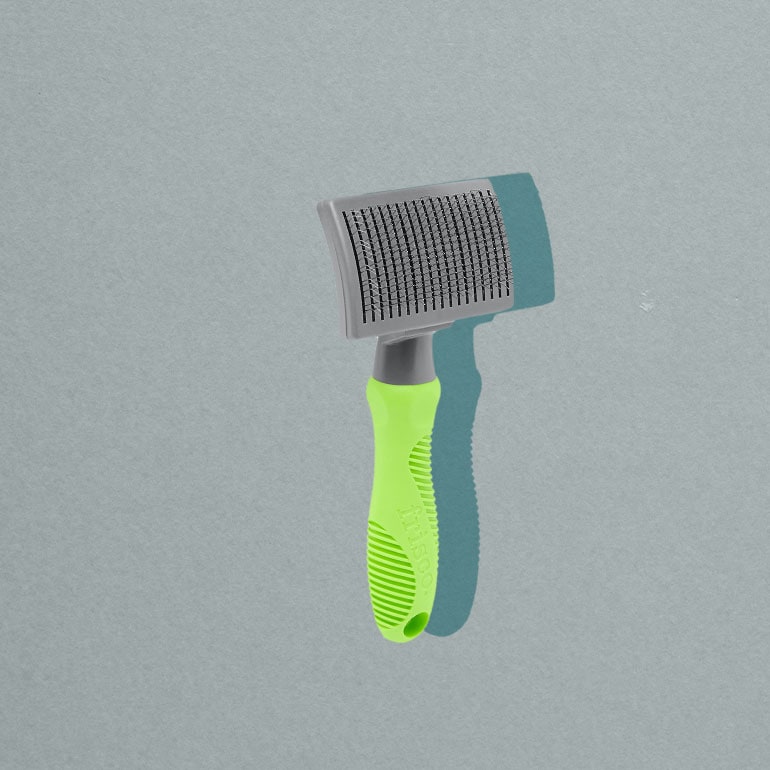
Slicker brushes have fine, short wires close together on a flat surface. They are great for removing loose hair, tangles, and dirt. Slicker brushes are best for medium to long-haired breeds, or dogs with curly coats. They can reach the undercoat but may be too harsh for sensitive skin if used too hard.
Undercoat Rakes
An undercoat rake has long, widely spaced teeth. It’s designed to reach deep into thick, double coats and pull out loose undercoat hair. This brush is ideal for breeds like German Shepherds, Samoyeds, and Collies.
Shedding Blades
A shedding blade is a loop of metal with small teeth. It works by dragging the blade over the coat, catching and removing loose hair. Shedding blades are best for short-haired, heavy-shedding breeds like Labs or Pugs. They cover large areas quickly.
Bristle Brushes
Bristle brushes have tightly packed natural or synthetic bristles. They are gentle and good for removing loose surface hair and dirt. They are ideal for short-haired dogs, but not effective for deep undercoat shedding.
Pin Brushes
Pin brushes look like human hairbrushes, with wire pins tipped with plastic or rubber. They are gentle and good for long-haired or silky-coated breeds. Pin brushes help with light shedding and untangling, but don’t remove much undercoat.
Grooming Gloves
Grooming gloves are worn on your hands and have rubber tips on the palm side. As you pet your dog, the glove lifts loose hair. These gloves work well for dogs that dislike regular brushes or have short coats.
Dematting Tools
Dematting tools have sharp, curved blades that cut through mats and tangles. While not strictly a shedding tool, they help remove clumps of dead hair in long or curly coats.
Comparing Brush Types: Which Is Best For Shedding?
Choosing the right brush means matching your dog’s coat to the tool. Here’s a quick look at how each brush performs for common shedding breeds.
| Brush Type | Best For | Effectiveness for Shedding | Coat Length |
|---|---|---|---|
| Slicker Brush | Curly, long, double coats | High | Medium to long |
| Undercoat Rake | Thick undercoats | Very High | Medium to long |
| Shedding Blade | Short, dense coats | High | Short |
| Bristle Brush | Smooth, short coats | Moderate | Short |
| Pin Brush | Silky, long coats | Low | Medium to long |
| Grooming Glove | Sensitive or anxious dogs | Moderate | Short |
Brush Recommendations By Dog Coat Type
Let’s break down the best brushes for each coat type, with examples of popular breeds.
Short-haired Breeds
Dogs like Beagles, Boxers, and Dalmatians have short, smooth coats. They shed, but their hair doesn’t tangle. The best brushes are:
- Bristle brush: Gentle and effective for daily use.
- Shedding blade: Good for removing large amounts of loose hair during heavy shedding.
- Grooming glove: Quick and comfortable, especially for dogs that dislike traditional brushes.
Double-coated Dogs
Breeds like Golden Retrievers, German Shepherds, and Siberian Huskies have a soft undercoat and a coarser topcoat. These dogs shed heavily, especially seasonally.
- Undercoat rake: Reaches deep and removes dead undercoat.
- Slicker brush: Helps remove loose hair and prevent mats.
- Dematting tool: For tough tangles or mats.
Long-haired Or Silky-coated Breeds
Dogs like Shih Tzus, Yorkshire Terriers, and Afghan Hounds have long, flowing hair. They shed less, but their hair tangles easily.
- Pin brush: Gentle and detangles without breaking hair.
- Slicker brush: For removing loose hair and preventing mats.
- Dematting tool: For stubborn tangles.
Curly Or Wavy-coated Breeds
Poodles and Bichon Frises have curly hair that traps loose hair inside the coat. They don’t shed much, but brushing is needed to prevent mats.
- Slicker brush: Good for curls.
- Dematting tool: For any mats.
- Pin brush: For finishing and adding shine.
Common Brush Features To Consider
Not all brushes are the same quality. Here’s what to look for when shopping:
- Handle comfort: Look for ergonomic, non-slip handles. Brushing can take time, especially for large or thick-coated dogs.
- Pin or bristle length: Longer pins reach deeper into thick coats.
- Quality of materials: Stainless steel pins don’t rust. Soft bristles are gentle on skin.
- Self-cleaning design: Some brushes release hair with the push of a button.
- Size: Match the brush size to your dog. Small brushes are better for small breeds or faces/legs; large brushes cover more area on big dogs.
Top-rated Shedding Brushes In 2024
Here are some popular, highly rated brushes for shedding dogs. Each works well for a specific coat type.
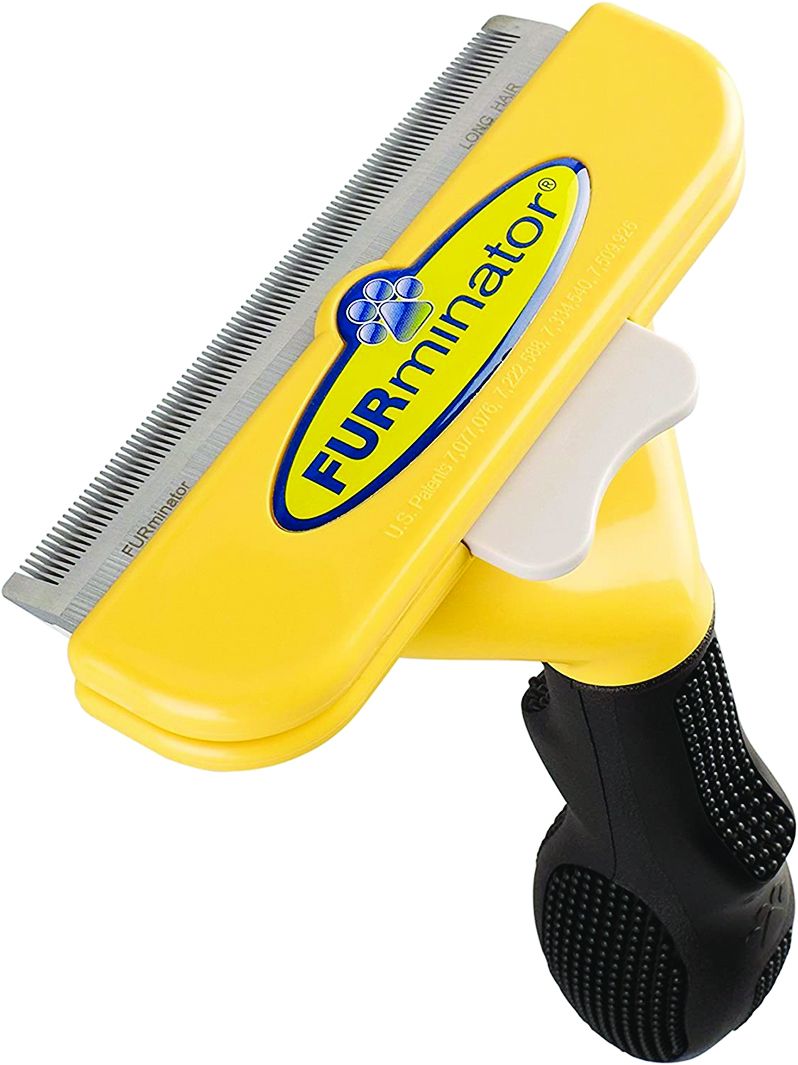
1. Furminator Undercoat Deshedding Tool
Famous for deep undercoat removal. Stainless steel edge reaches through topcoat. Best for medium and large double-coated breeds.
2. Hertzko Self-cleaning Slicker Brush
Push-button design for easy hair removal. Gentle, fine pins for most coat types.
3. Jw Pet Gripsoft Double Row Undercoat Rake
Double row of teeth catches more loose hair. Ergonomic handle for comfort.
4. Safari Dual-sided Shedding Blade
Two sides (coarse and fine) for different hair thickness. Flexible design for body curves.
5. Handson Grooming Gloves
Flexible gloves with rubber tips. Great for nervous dogs or sensitive skin.
6. Chris Christensen Oval Pin Brush
High-quality pins, gentle on long or silky coats. Good for show dogs.
7. Andis Premium Large Pin Brush
Wide surface area, ideal for long, thick coats.
8. Kong Zoomgroom Brush
Rubber bristles massage skin, remove hair. Good for short-haired breeds.
9. Gopets Dematting Comb
Sharp, rounded teeth cut through mats gently.
10. Safari Bristle Brush For Dogs
Natural bristles, soft and gentle. Good for everyday use on short hair.
How Often Should You Brush A Shedding Dog?
Brushing frequency depends on your dog’s coat and how much they shed.
- Heavy shedders (e.g., Huskies, Labs): Brush 3-7 times per week during shedding seasons, and 1-2 times per week otherwise.
- Moderate shedders: 1-3 times per week.
- Low shedders: Once a week or as needed.
During spring and fall, you may need to brush every day. Regular brushing keeps hair off your furniture and helps your dog stay comfortable.
Credit: www.whole-dog-journal.com
How To Brush A Shedding Dog: Step-by-step Guide
Brushing your dog is not just about removing hair—it’s about making the experience positive for both of you. Here’s how to do it right.
- Start with the right brush for your dog’s coat.
- Brush in the direction of hair growth. Start at the neck, move toward the tail.
- Work in sections. Divide the body into manageable parts (back, sides, legs, belly).
- Be gentle. Don’t pull or tug, especially on mats.
- Check sensitive areas. Behind ears, under legs, and tail can mat quickly.
- Praise and reward. Give treats and affection to make grooming positive.
- Finish with a bristle or glove brush to remove loose surface hair and add shine.
Common Mistakes To Avoid
- Brushing too hard: Can hurt your dog’s skin and make them fear grooming.
- Using the wrong brush: Ineffective and can damage the coat.
- Not brushing enough: Leads to mats, tangles, and more shedding in the home.
- Skipping sensitive areas: Mats often form in hidden spots.
Special Tools For Extreme Shedding
Some dogs shed so much that a regular brush isn’t enough. Tools like the FURminator or Shedmonster are designed to remove large amounts of undercoat. These tools must be used with care—too much pressure can irritate the skin or remove healthy hair.
Other specialty items include:
- Deshedding shampoos: Help loosen dead hair during baths.
- High-velocity dryers: Blow out loose hair after bathing (best for thick, double coats).
- Pet vacuums: Some brushes attach to vacuum cleaners to suck up hair as you groom.
Credit: www.mystboutiquehotel.com
Comparing Popular Brushes: Features And Price
A side-by-side comparison can help you decide which brush suits your needs and budget.
| Brand/Model | Type | Price Range (USD) | Best For | Self-Cleaning |
|---|---|---|---|---|
| FURminator | Deshedding Tool | $25-$45 | Double coats | Yes |
| Hertzko Slicker | Slicker Brush | $15-$20 | All coats | Yes |
| Safari Shedding Blade | Shedding Blade | $10-$15 | Short, dense coats | No |
| HandsOn Gloves | Grooming Glove | $20-$25 | Short coats, anxious dogs | No |
| Chris Christensen Pin | Pin Brush | $30-$55 | Long, silky coats | No |
How Shedding Brushes Affect Your Dog’s Health
Regular brushing is about more than cleanliness. It keeps your dog’s skin healthy, prevents painful mats, and reduces the risk of infection. Brushing also gives you a chance to check for:
- Fleas and ticks
- Cuts or wounds
- Skin irritation
- Lumps or bumps
Dogs that are brushed regularly are often less anxious about grooming. Early positive experiences with brushing can make future grooming easier.
Tips For Brushing Dogs Who Dislike Grooming
Some dogs run and hide when they see a brush. If this sounds familiar, try these tips:
- Start slow: Let your dog sniff and explore the brush before using it.
- Use treats: Reward calm behavior and progress.
- Keep sessions short: Even 2-3 minutes is better than nothing.
- Try a grooming glove: Feels like petting, not brushing.
- Stay calm: Dogs pick up on your mood.
If your dog has severe grooming anxiety, work with a professional groomer or trainer.
What To Do About Mats And Tangles
Mats are painful and can hide skin problems. Never pull hard on a mat. Instead:
- Use a detangler spray or a little cornstarch.
- Work gently with a dematting tool or your fingers.
- Break large mats into smaller sections.
- If the mat is too tight, seek help from a professional groomer.
Regular brushing prevents mats from forming.
When To See A Professional Groomer
Sometimes home brushing is not enough. Professional groomers have special tools and skills for:
- Severely matted dogs
- Dogs that won’t tolerate home grooming
- Special coat trims (e.g., Poodles, show dogs)
A professional can also teach you the right way to brush and recommend the best tools.
Shedding Solutions Beyond Brushing
While brushing is the most important tool, other steps help control shedding:
- Healthy diet: Omega-3 fatty acids (from fish oil or flaxseed) improve coat health.
- Regular baths: Use a deshedding shampoo to loosen dead hair.
- Hydration: Dogs need plenty of water for healthy skin.
- Flea and tick control: Parasites can increase shedding.
- Regular vet visits: Sometimes shedding means a health problem.
Two Surprising Insights About Shedding
Many owners miss these key facts:
- Overbathing can increase shedding. Bathing too often dries the skin, making hair fall out more. Bathe only as needed—usually once a month unless very dirty.
- Seasonal changes in daylight affect shedding. It’s not just temperature. As days get longer or shorter, dogs’ bodies react by shedding more or less. Indoor dogs near artificial lights may shed year-round.
Real-world Example: Shedding In Different Breeds
Consider two dogs: a Labrador Retriever and a Poodle. The Lab sheds heavily, especially in spring and fall. A FURminator used twice a week removes bags of hair. The Poodle barely sheds, but needs a slicker brush and comb every few days to avoid mats.
Another example: a German Shepherd needs an undercoat rake during shedding season, while a Beagle does well with a bristle brush and occasional use of a shedding blade.
The Cost Of Not Brushing
Ignoring your dog’s brushing needs leads to:
- More hair in your home
- Painful mats and tangles
- Higher grooming costs
- Increased risk of skin problems
Investing a few minutes a week in brushing saves time and money in the long run.
Environmental And Allergy Benefits
Brushing your dog helps reduce allergens in your home. Pet hair and dander are common allergy triggers. Regular grooming keeps hair and dander off floors, furniture, and air. For families with allergy sufferers, this can make a big difference.

Credit: freshlybailey.com
The Role Of Diet And Health In Shedding
No brush will stop shedding if your dog is unhealthy. A shiny, low-shedding coat starts with good nutrition. Make sure your dog gets enough protein, healthy fats, and vitamins. Sudden changes in shedding may signal a health issue—talk to your vet if you notice bald spots, red skin, or extreme hair loss.
For more details on dog nutrition and coat health, visit the American Kennel Club.
Diy Shedding Control: Home Solutions
In addition to the right brush, you can control shedding at home by:
- Vacuuming regularly: Use a vacuum with a pet hair attachment.
- Washing dog bedding: Clean bedding removes trapped hair and dander.
- Using lint rollers: Handy for clothes and furniture.
- Covering favorite furniture: Washable covers protect sofas from hair.
Brushing Puppies And Senior Dogs
Puppies and older dogs need special care. Puppies have softer skin—use a gentle brush and keep sessions short. For seniors, arthritis or sensitive spots may make brushing uncomfortable. Always use a soft touch and watch for signs of pain.
Frequently Asked Questions
How Do I Know Which Brush Is Best For My Dog?
Start by identifying your dog’s coat type (short, long, double, curly). Match the brush to the coat. For example, undercoat rakes are best for thick double coats, while bristle brushes are best for short hair.
Can Brushing Really Reduce Shedding?
Yes. Regular brushing removes loose hair before it falls out in your home. It also keeps the coat healthy, which can reduce excess shedding over time.
How Often Should I Replace My Dog’s Brush?
Most brushes last 1-3 years, depending on quality and use. Replace if bristles or pins are bent, broken, or dirty beyond cleaning.
My Dog Hates Brushing. What Can I Do?
Try grooming gloves or soft brushes, use treats, and keep sessions short. Make brushing a positive experience. If your dog is very anxious, ask a groomer or vet for advice.
Is Shedding A Sign Of A Health Problem?
Some shedding is normal. But bald spots, very red skin, or sudden increases in hair loss may signal illness, allergies, or parasites. If concerned, see your veterinarian.
Finding the right brush for your shedding dog can turn grooming from a chore into a bonding experience. With the right tool and technique, you’ll see less hair around your home, and your dog will look and feel better every day.