
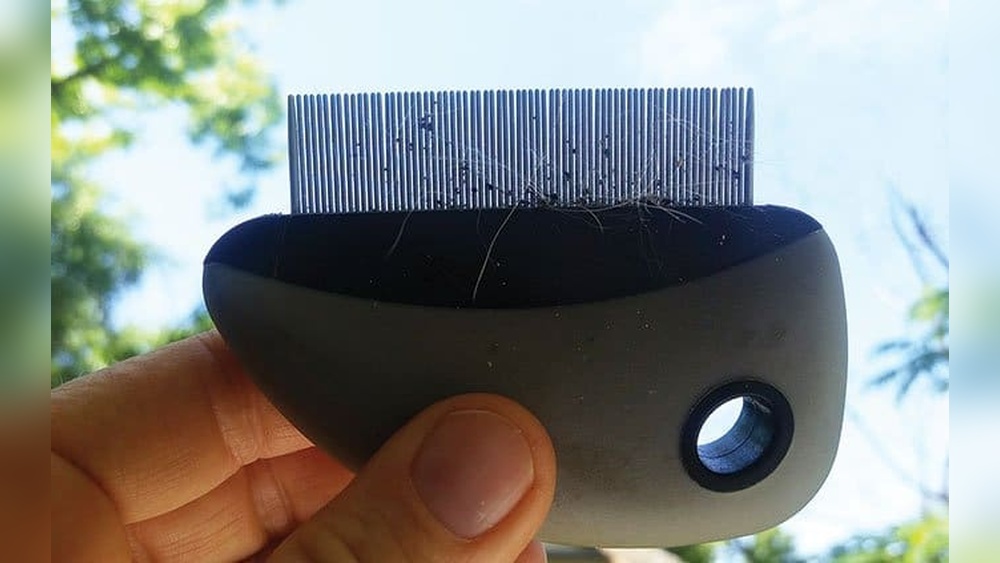
If you’re a dog owner, the word “fleas” probably makes you nervous. These tiny pests cause itching, discomfort, and can lead to health issues for your pet. One of the simplest, most affordable tools for managing fleas is the dog flea comb. But what does a dog flea comb actually look like? How can you identify a true flea comb from other grooming tools? This article will give you a complete, clear picture—so you can confidently pick the right comb and use it effectively.
What Is A Dog Flea Comb?
A dog flea comb is a small grooming tool designed specifically to find and remove fleas, flea dirt, and eggs from your dog’s fur. Unlike regular brushes, flea combs have unique features that make them especially effective against these tiny pests.
Flea combs aren’t just about appearance—they are about function. The spacing, shape, and material of their teeth are engineered to trap fleas and their debris without hurting your dog’s skin. Many owners confuse them with regular grooming combs, but a closer look reveals several important differences.
Physical Features Of A Dog Flea Comb
When you pick up a flea comb, you’ll notice several defining features that set it apart from other grooming tools.
Size And Shape
A flea comb is usually small and compact—often fitting comfortably in one hand. Most models are between 2 and 4 inches wide and about 4 to 6 inches long, including the handle. The compact shape allows for precise control as you comb through your dog’s coat, even in tricky spots like behind the ears or under the legs.
Handles are typically ergonomic, sometimes with a rubber or non-slip grip. This gives you better control and comfort, especially when grooming a squirmy or anxious dog.
Teeth
The teeth are the most important part of any flea comb. Here’s what makes them unique:
- Ultra-fine spacing: The teeth are set very close together, usually just 0.2 to 0.3 millimeters apart. This tight gap traps fleas, eggs, and even “flea dirt” (flea feces) as you pull the comb through the fur.
- Short, metal teeth: Most flea combs use stainless steel teeth for durability and hygiene. The metal is smooth to prevent scratching your dog’s skin.
- Uniform length: The teeth are generally all the same length, about 1 to 1.5 centimeters (0.4 to 0.6 inches), which allows them to reach down to the skin without being too harsh.
- Rounded tips: Quality flea combs have slightly rounded or polished tips to avoid injuring your dog’s skin during use.
Handle And Grip
Many flea combs feature a short, sturdy handle. Some are made entirely of plastic, while others combine metal and rubber for better grip. The handle is usually designed for easy, repetitive motion—since combing for fleas can take several passes.
Material
The two main materials you’ll find are:
- Stainless steel teeth: Resists rust, cleans easily, and does not bend during use.
- Plastic or rubber handles: Lightweight and comfortable, sometimes with textured surfaces to prevent slipping.
Some flea combs have a single row of teeth, while others may have two parallel rows. Both designs work, but the single row is more common and easier to clean.
How A Dog Flea Comb Differs From Regular Combs
It’s easy to confuse a flea comb with a regular dog comb or brush. But they serve different purposes and have different designs.
Here’s a side-by-side comparison to make things clear:
| Feature | Dog Flea Comb | Regular Dog Comb |
|---|---|---|
| Teeth Spacing | Very close (0.2-0.3 mm) | Wider (1-3 mm or more) |
| Teeth Material | Stainless steel (usually) | Plastic, steel, or mixed |
| Teeth Tips | Rounded or polished | Varies (rounded or sharp) |
| Purpose | Remove fleas, eggs, dirt | Untangle hair, remove mats |
| Handle Design | Short, ergonomic | Often longer |
The key difference is the fine spacing of the teeth. Regular grooming combs are designed to untangle hair and remove loose fur, not to catch tiny fleas or eggs. If you use a regular comb, you’ll likely miss most of the pests.
Types Of Dog Flea Combs
Not all flea combs are identical. Here are the most common types you’ll find in stores or online:
Standard Metal Flea Comb
This is the classic design—small, with a single row of very fine, stainless steel teeth and a simple handle. It works well for both short and medium-length coats.
Double-row Flea Comb
Some models have two parallel rows of teeth. This increases the chances of catching fleas and their eggs in one pass. Double-row combs are often used for dogs with thicker or denser coats.
Long-handled Flea Comb
For larger dogs or dogs with long, thick fur, a longer handle can provide more leverage and comfort. The teeth are still fine and close together, but the handle gives you a better grip and helps with thorough grooming.
Flea Comb With Rotating Teeth
Some advanced models feature rotating teeth. These teeth spin slightly as you comb, helping to loosen tangles and making the process less painful for sensitive dogs. They are less common but can be helpful for dogs with delicate skin.
Flea Combs With Built-in Magnifiers
Rarely, you’ll find flea combs with a built-in magnifying glass on the back. This allows you to inspect what you’ve caught more closely—helpful for confirming whether you’ve picked up fleas or just dirt.
How To Recognize A Quality Flea Comb
With so many options, how do you know you’re buying a good flea comb? Here are the features to look for:
- Stainless steel teeth: Avoid combs with plastic teeth, as they break easily and may not be fine enough.
- Close-set teeth: The gap should be narrow enough to catch fleas and eggs. You should barely be able to see between the teeth.
- Comfortable handle: Look for rubber or textured grips if you plan to use the comb often.
- Rounded tips: Sharp or unfinished metal can scratch your dog—check the ends of the teeth.
- Solid construction: The teeth should not wobble or bend when you press on them gently.
- Easy to clean: Some combs have a smooth back or even a push-button to help remove trapped hair and debris.
A surprising detail: Some cheap flea combs have uneven teeth or rough tips. These can actually hurt your pet or miss fleas entirely. Always inspect the comb in good light before using it on your dog.
When And Why Should You Use A Flea Comb?
A flea comb is more than just a tool for removing pests—it’s a way to monitor your dog’s health and comfort.
Early Detection
Fleas reproduce quickly. Just a few fleas can become an infestation in days. By using a flea comb regularly, you can spot fleas, eggs, or flea dirt before the problem gets out of control.
Non-chemical Control
For puppies, elderly dogs, or pets sensitive to chemicals, a flea comb offers a safe, non-toxic way to reduce flea numbers. It’s also ideal for owners who want to minimize pesticide use in their home.
Comfort
Frequent combing removes not just fleas but also debris and loose hair. Dogs often enjoy the gentle massage, and it can become a bonding routine.
Post-treatment Check
After a flea treatment (like a topical medication or bath), a flea comb helps you check if the treatment is working. If you keep finding live fleas, you may need to adjust your strategy.
How To Use A Dog Flea Comb (step By Step)
Using a flea comb correctly makes all the difference. Here’s how to get the best results:
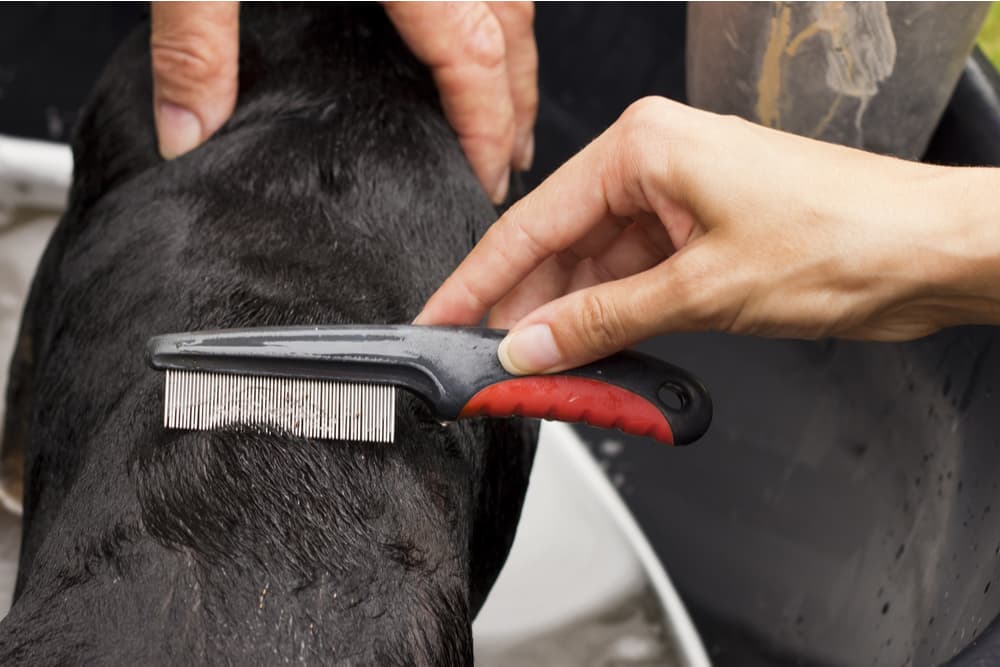
- Gather your tools: Have your flea comb, a bowl of soapy water, and some paper towels ready. The soapy water will kill any fleas you remove.
- Choose a well-lit spot: Natural light helps you see fleas and dirt better.
- Start at the head: Begin near your dog’s ears and neck, where fleas often hide.
- Comb in small sections: Work slowly, moving from head to tail. Pull the comb through the fur, right down to the skin, but don’t force it through tangles.
- Check the comb after each pass: Wipe it on a paper towel or dip it in the soapy water to remove any fleas or dirt.
- Focus on problem areas: Fleas love warm spots—under the collar, armpits, groin, and tail base.
- Repeat as needed: Comb your dog daily during flea season or if you’re dealing with an infestation.
Practical Tips
- Use treats to keep your dog calm.
- If your dog has long hair, brush out mats before using the flea comb.
- Always check the comb for sharp edges before use.
- If your dog’s skin is red or sore, be extra gentle or wait until it heals.
What Does A Dog Flea Comb Catch?
You might be surprised by what turns up on a flea comb.
Fleas
Adult fleas are small (about 1/16 inch), dark brown, and move quickly. They may jump off the comb, so dip it in soapy water immediately.
Flea Dirt
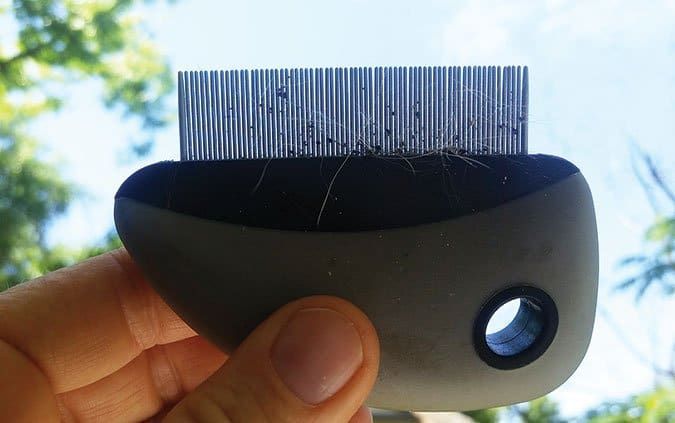
Flea dirt looks like tiny black specks. It’s actually flea feces, made of digested blood. If you put these specks on a wet paper towel, they’ll turn reddish-brown—a clear sign of fleas.
Eggs And Larvae
Flea eggs are white and oval, about the size of a grain of salt. They can be hard to see, but a good flea comb will catch some, especially if you comb slowly.
Other Debris
You’ll also collect loose hair, skin flakes, and sometimes small scabs. These aren’t harmful but show that the comb is reaching down to the skin.

Credit: www.ebay.com
Common Mistakes When Choosing Or Using A Flea Comb
Even experienced owners can make mistakes. Here are a few to avoid:
- Choosing a comb with wide teeth: These won’t catch fleas. Always check the gap between the teeth.
- Using the comb on matted fur: The comb can get stuck or hurt your dog. Brush out tangles first.
- Skipping sensitive areas: Fleas hide in the warmest spots. Don’t avoid them just because they’re harder to reach.
- Not cleaning the comb: Fleas may survive on the comb if you don’t dip it in soapy water.
- Assuming “no fleas” means “no problem”: Fleas can be hard to spot—use the comb regularly for best protection.
Visual Guide: What Does A Dog Flea Comb Look Like?
While words help, a visual comparison makes it even clearer. Here’s a summary of typical flea comb shapes:
| Comb Type | Appearance | Best For |
|---|---|---|
| Standard Metal Flea Comb | Small, flat, single row of close-set metal teeth, short handle | All coat types, general use |
| Double-Row Flea Comb | Two parallel rows of teeth, wider grip, slightly thicker body | Thick or double coats |
| Long-Handled Flea Comb | Longer handle, same fine teeth, may have rubber grip | Large dogs, longer coats |
| Rotating Teeth Comb | Teeth spin slightly, usually metal with plastic grip | Dogs with sensitive skin |
If you see a comb with wide gaps, plastic teeth, or a long, thin handle with no grip, it’s probably not designed for flea control.
Are There Different Flea Combs For Different Dog Breeds Or Coat Types?
Yes, while most flea combs are “one size fits all,” some work better for certain breeds.
Short-haired Dogs
A standard metal flea comb works well. The short hair allows the fine teeth to reach the skin easily.
Long-haired Or Curly-coated Dogs
You may need a long-handled or double-row flea comb. These help you get through the extra layers of fur. Always brush out tangles first.
Dogs With Sensitive Skin
Choose a comb with rounded, polished tips or even one with rotating teeth. This reduces discomfort and the risk of scratching.
Toy Breeds
Small, lightweight flea combs are best for tiny dogs. Look for compact designs that fit comfortably in your hand.
How Often Should You Use A Flea Comb?
Frequency depends on your environment and your dog’s risk:
- If you’ve seen fleas: Comb your dog daily until you no longer find fleas or flea dirt.
- During flea season (spring and summer): Use the comb 2–3 times a week, even if you don’t see fleas.
- After walks in grassy or wooded areas: Comb your dog to check for new fleas.
- As a routine check: Once a week is enough for most indoor dogs.
Some owners worry that frequent combing will irritate their dog’s skin. In reality, as long as you’re gentle and use the right tool, regular combing can be soothing for your pet.
Credit: www.greatpetcare.com
Can A Flea Comb Replace Other Flea Treatments?
A flea comb is a great tool, but it’s not a complete solution. Here’s why:
- Flea combs remove adult fleas and eggs on your dog, but they don’t kill fleas in your home or yard.
- Fleas reproduce quickly. Missing just a few can lead to a new infestation.
- Combing does not prevent new fleas from jumping on your dog.
That’s why most veterinarians recommend combining flea combing with other treatments, such as spot-on medications, oral treatments, or environmental sprays. For more information, check trusted sources like the American Veterinary Medical Association.
Non-obvious Insights About Flea Combs
Many guides miss some practical but important points:
- A flea comb is an early warning tool. Even if you use chemical flea prevention, regular combing lets you spot resistant fleas or re-infestations before they become serious.
- Flea combs work on other small pests. They can help remove lice, mites, and even some ticks, especially in puppies who cannot use strong chemicals.
- You can test for flea dirt. If you see black specks, put them on a wet tissue. If they turn reddish, it’s flea dirt—clear proof that fleas are present, even if you can’t spot live fleas.
- Flea combing helps you bond. Regular gentle combing makes your dog more comfortable with grooming in general and builds trust.
Caring For Your Flea Comb
A good flea comb can last for years if you take care of it:
- Clean after every use: Wash with hot, soapy water, then dry thoroughly to prevent rust.
- Inspect for damage: Check for bent or broken teeth, which can hurt your dog.
- Store safely: Keep it in a dry, clean place. Don’t leave it in damp areas like the bathroom.
If your comb develops sharp edges or rust, replace it—damaged combs can do more harm than good.
Diy Flea Combs: Are They Worth It?
Some pet owners try to make their own flea combs by modifying regular combs or brushes. While DIY solutions can be creative, they rarely match the effectiveness of a real flea comb. The fine spacing and strong, smooth teeth are hard to replicate at home.
Using a poor substitute could mean missing fleas or injuring your dog’s skin.
Credit: www.whole-dog-journal.com
Where To Buy A Dog Flea Comb
You can find flea combs in:
- Pet supply stores
- Veterinary clinics
- Online retailers (Amazon, Chewy, etc.)
- Some supermarkets or pharmacy chains
Prices range from $5 to $20, depending on the brand and features. Choose a reputable brand—avoid cheap, unbranded combs with rough metal or uneven teeth.
Final Thoughts
A dog flea comb is a simple but powerful tool for every dog owner. Its fine, close-set teeth and sturdy handle are designed to catch fleas, eggs, and dirt that regular combs miss. Using one regularly can help you detect problems early, keep your dog comfortable, and reduce the need for chemical treatments. By understanding exactly what a flea comb looks like and how to use it, you can protect your pet and your home from these stubborn pests.
Frequently Asked Questions
What Does A Dog Flea Comb Look Like Compared To A Regular Comb?
A dog flea comb is smaller, with very fine, closely spaced metal teeth—usually less than 0.3 mm apart. Regular combs have wider gaps and may use plastic teeth. The flea comb’s design allows it to trap fleas and eggs, while regular combs just untangle hair.
Can I Use A Flea Comb On Any Dog Breed?
Yes, but choose the right size and style. Standard flea combs work on most breeds, but long-haired or thick-coated dogs may need a double-row or long-handled comb. Always brush out tangles before using the flea comb.
Will A Flea Comb Hurt My Dog’s Skin?
If used gently and with a quality comb (rounded tips, smooth teeth), a flea comb is safe and often soothing. Avoid using combs with sharp or rough teeth, and don’t force the comb through mats or tangles.
How Can I Tell If The Comb Has Caught Fleas Or Flea Dirt?
Fleas are small, dark, and move quickly. Flea dirt looks like black specks. Place the specks on a wet tissue—if they turn reddish, it’s flea dirt. Always dip the comb in soapy water to kill any live fleas immediately.
Can A Flea Comb Replace Other Flea Treatments?
No, a flea comb is a helpful tool but not a complete solution. It removes fleas from your dog but does not kill fleas in your home or yard. Combine regular combing with other vet-approved flea control methods for best results.