
A dog’s comfort and health depend on more than just food and love—it’s also about keeping their skin and coat clean. If you’ve ever seen your furry friend scratching and biting at their skin, you know how uncomfortable fleas can make a dog feel. Fleas are tiny, but their impact is huge. One simple tool, the flea comb for dogs, can help pet owners spot and remove fleas before they become a bigger problem. Yet, many people are unsure how a flea comb works, what makes it special, and why it’s different from regular brushes. If you want to keep your dog itch-free and happy, understanding the value of a flea comb is a smart first step.
This article breaks down everything you need to know about flea combs for dogs. You’ll learn what they are, how they work, how to use them safely, and how they compare to other grooming tools. You’ll also find out the common mistakes people make, so you can avoid them. Whether you’re a new pet owner or an experienced dog lover, this guide will give you practical advice and clear facts to help you fight fleas effectively.
What Is A Flea Comb For Dogs?
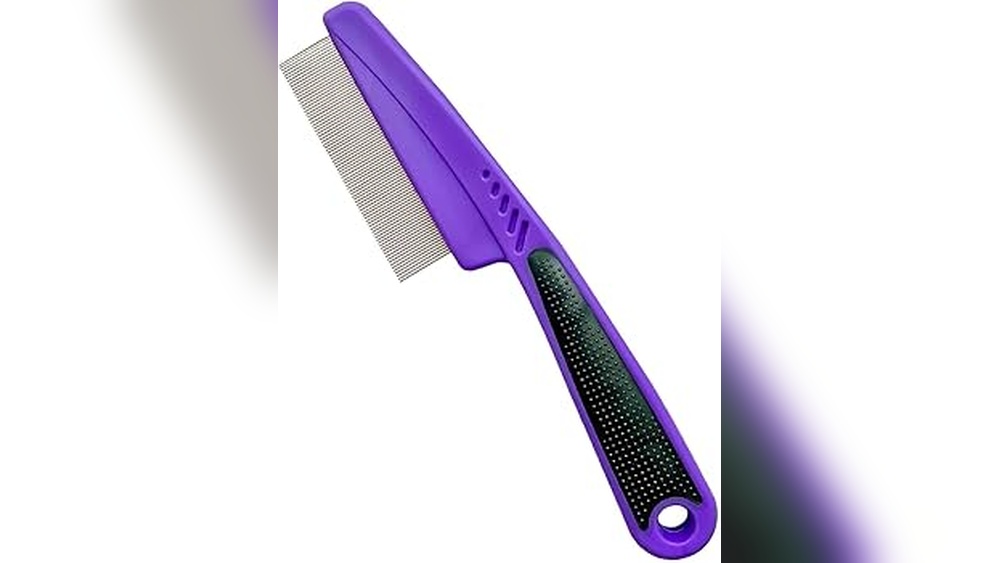
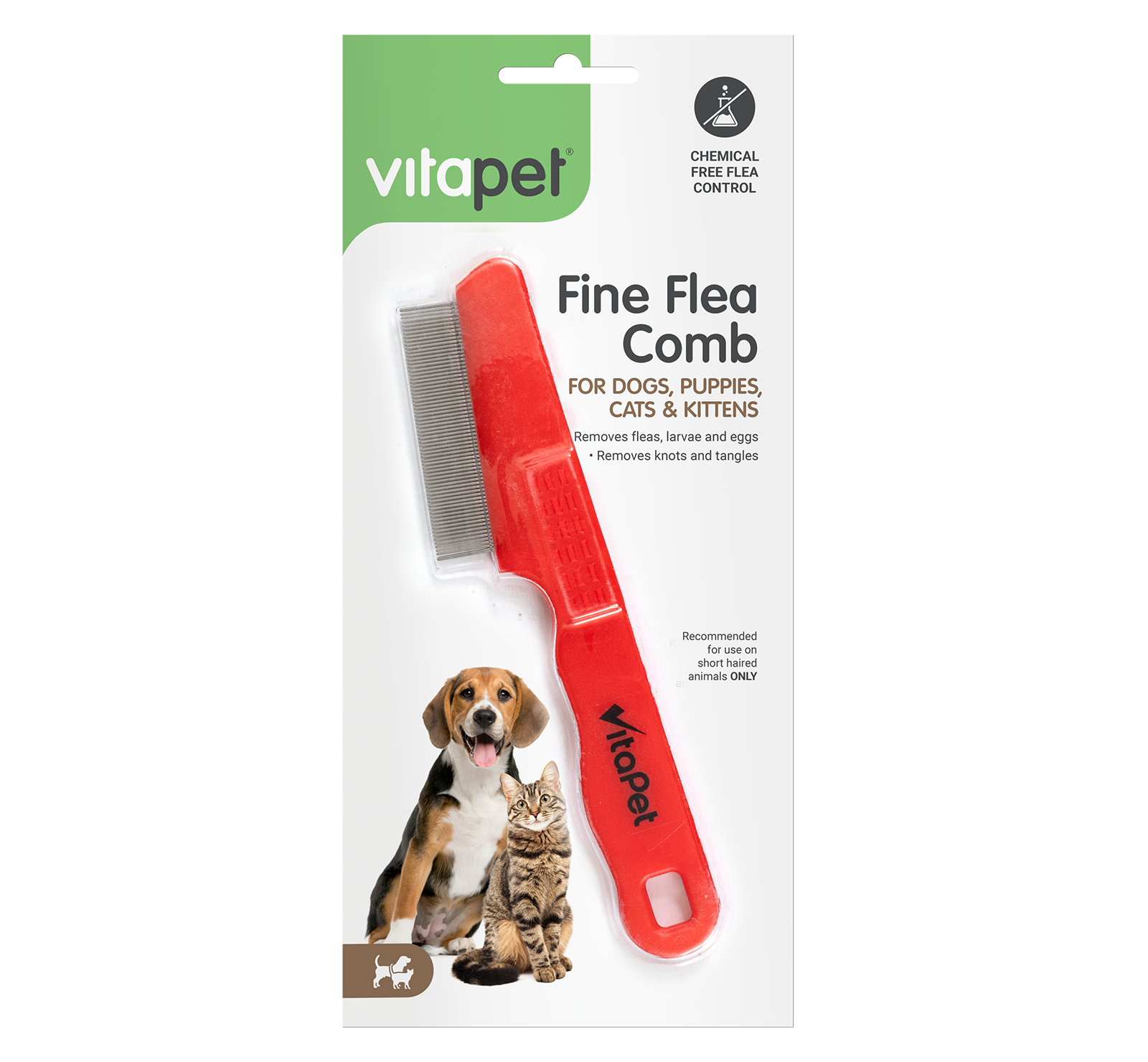
A flea comb is a special grooming tool designed to catch and remove fleas, flea dirt, and even some eggs from a dog’s fur. It looks like a small, flat comb, usually made of metal or strong plastic, with teeth that are set very close together. The spacing is much tighter than on a regular dog comb or brush. This close spacing is the key—it traps fleas and debris as you move the comb through your dog’s coat.
Flea combs are used on all dog breeds and sizes, but they work best on short to medium-length fur. Long-haired breeds may need extra detangling before using a flea comb. Unlike chemical treatments or sprays, a flea comb is a mechanical solution—it physically removes pests without adding anything to your dog’s skin.
It’s important to know that a flea comb doesn’t kill fleas or prevent them from coming back. Instead, it helps you find and remove them, making it easier to control a flea problem before it grows.
How Does A Flea Comb Work?
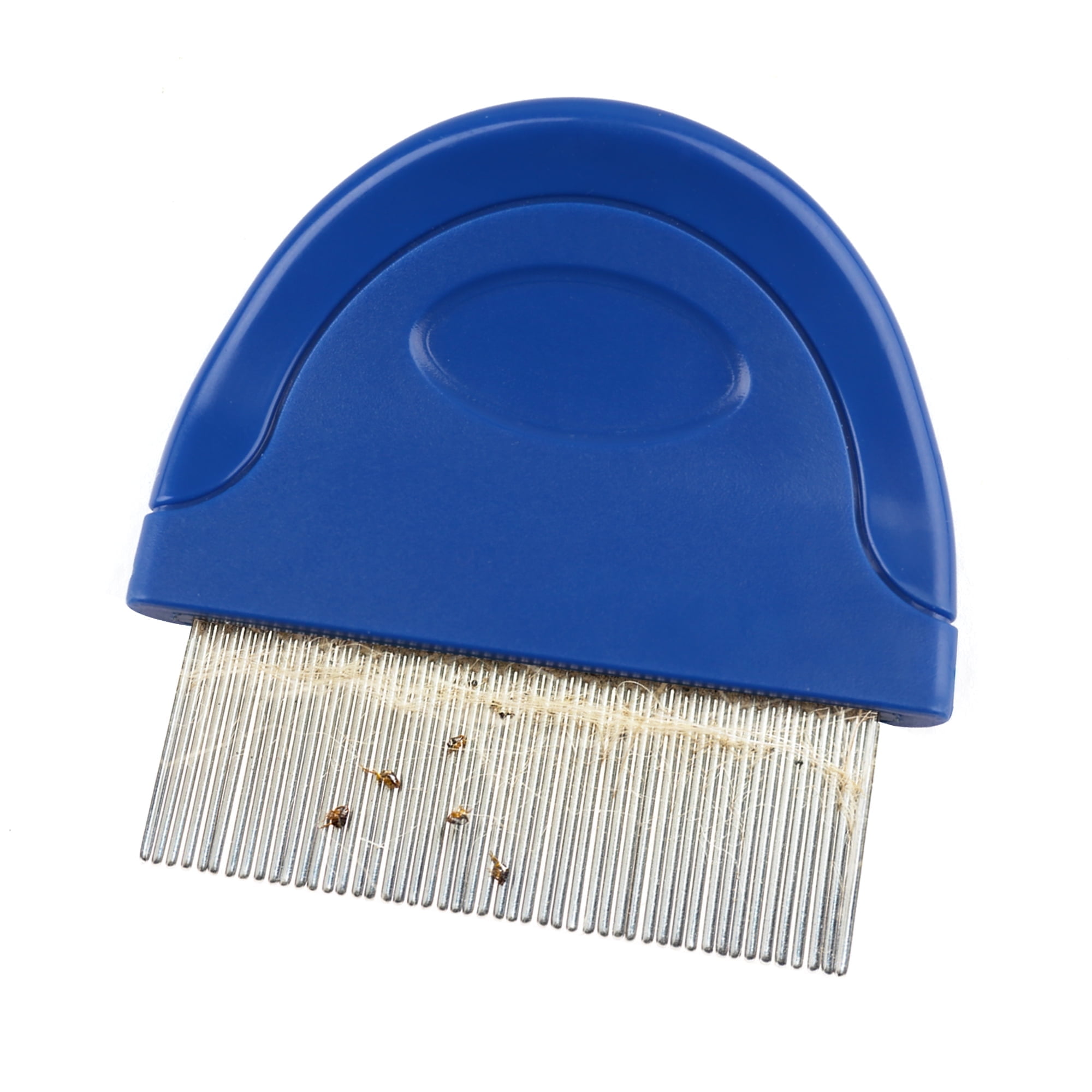
A flea comb works because of its ultra-fine teeth. When you pass the comb through your dog’s fur, the teeth catch anything larger than their tiny gaps. Fleas, which are about 1 to 3 millimeters long, get stuck between the teeth. The comb also catches flea dirt (which is actually flea feces), eggs, and sometimes loose hair or skin flakes.
Here’s how it works in practice:
- You gently run the comb from your dog’s head to tail, close to the skin.
- Fleas and dirt are trapped in the comb’s teeth.
- After each pass, you check the comb for any signs of fleas or eggs.
- You clean the comb in soapy water to kill any live fleas.
Because the process is physical, not chemical, it’s safe for puppies, senior dogs, and pregnant or sensitive pets. However, it does not replace regular vet-approved flea treatments.
Key Features Of A Good Flea Comb
Not all flea combs are equal. Some are designed better and are easier to use. Here are the main features to look for when choosing a flea comb:
- Fine, closely spaced teeth: This is the most important feature. The gaps should be just wide enough to slide through fur, but too narrow for fleas to slip through.
- Strong, durable material: Stainless steel teeth last longer and are easier to clean than plastic.
- Comfortable handle: A non-slip grip or ergonomic handle makes combing easier, especially for long sessions.
- Rounded tips: Teeth with rounded ends are gentler on your dog’s skin.
- Double-sided design: Some combs have two sets of teeth—one side finer than the other for different coat types.
A good flea comb will fit well in your hand and feel sturdy. Flimsy combs can break or pull on your dog’s hair, making the process uncomfortable.
Benefits Of Using A Flea Comb
A flea comb is a simple tool, but its benefits go beyond just removing fleas. Here’s why many dog owners rely on it:
Early Detection
Flea combs let you find a flea problem early, before it becomes severe. If you spot even a few fleas or flea dirt, you know it’s time to act. Early detection can save your pet from discomfort and prevent a home infestation.
Chemical-free Solution
Many flea treatments use strong chemicals. While these are often effective, some dogs may react badly or have sensitive skin. A flea comb offers a chemical-free option—it’s safe for all ages and health conditions.
Safe For Frequent Use
You can use a flea comb as often as needed—daily if you want. There’s no risk of overuse, unlike sprays or spot-on treatments.
Bonding Time
Combing your dog can be a gentle, calming activity. Many dogs enjoy the extra attention, especially if you’re careful and gentle.
Monitoring Skin Health
While combing, you’ll notice any changes in your dog’s skin—scratches, scabs, or rashes. This lets you catch other health issues early.
Cost-effective
A flea comb is a one-time purchase. There are no refills or batteries, and most combs last for years.
How To Use A Flea Comb On Your Dog
Using a flea comb is simple, but technique matters. Here’s a step-by-step guide for best results:
- Gather supplies: You’ll need the flea comb, a bowl of warm soapy water, paper towels, and good lighting.
- Calm your dog: Choose a quiet time and location. Some treats can help your dog relax.
- Brush first (if needed): For long or tangled fur, use a regular brush to remove mats before using the flea comb.
- Start at the head: Begin combing near the ears and move slowly toward the tail. Always work in the direction of hair growth.
- Comb small sections: Work in small areas, making sure the comb touches the skin but doesn’t scratch.
- Check the comb: After each pass, check for fleas or dirt. Dip the comb in soapy water to remove anything caught.
- Pay attention to hotspots: Fleas like to hide around the neck, behind ears, under the collar, at the tail base, and in the armpits.
- Finish and reward: Once done, wipe your dog’s fur with a clean towel and give them a treat.
Pro Tips
- Use white paper towels to spot flea dirt easily. Flea dirt turns reddish-brown when wet.
- Be gentle—never force the comb through mats.
- Clean the comb after every session to avoid spreading fleas.
Signs Of Fleas: What To Look For When Combing
It’s not always easy to see fleas, especially in thick or dark fur. Here’s what you might find during combing:
- Live fleas: Small, dark brown insects that move quickly.
- Flea dirt: Black specks that look like pepper. When wet, they turn red (because they’re made of digested blood).
- Flea eggs: Tiny, white, oval specks. These are much harder to spot.
- Skin irritation: Redness, bumps, or hair loss where your dog has been scratching.
If you find any of these, it’s a clear sign your dog needs further flea treatment.
Flea Comb Vs. Other Dog Grooming Tools
Many grooming tools claim to help with fleas, but not all are effective. Here’s a comparison to show how a flea comb stands out.
| Tool | Purpose | Effectiveness for Fleas | Best For |
|---|---|---|---|
| Flea Comb | Remove fleas, eggs, dirt | High | All breeds, all ages |
| Regular Brush | Detangle, smooth coat | Low | Long-haired breeds |
| Slicker Brush | Remove loose hair, mats | Very low | Thick or curly coats |
| Deshedding Tool | Reduce shedding | None | Double-coated breeds |
Flea combs are unique because of their tight teeth—they’re the only tool that reliably catches adult fleas and their dirt.
How Often Should You Use A Flea Comb?
How often you use a flea comb depends on your dog’s risk of fleas. Here are general guidelines:
- If you see fleas: Daily combing is best until the problem is under control.
- During flea season (spring/summer): Use the comb 2–3 times per week, even if you don’t see fleas.
- After walks in grassy areas: Fleas are common in tall grass and parks. Give your dog a quick comb after outdoor play.
- For puppies or sensitive dogs: Daily gentle combing can reduce the need for chemicals.
Regular combing helps you spot problems early and keeps your dog’s coat clean.
Can A Flea Comb Solve A Flea Infestation?
A flea comb is a great tool, but it’s not a complete solution for heavy infestations. Here’s why:
- Fleas multiply quickly. One female flea can lay up to 50 eggs per day.
- Most fleas live off your pet. Eggs and larvae fall into carpets, bedding, and cracks—places a comb can’t reach.
A flea comb works best as part of a bigger plan. Combine it with:
- Regular cleaning of bedding and carpets
- Vet-approved flea prevention (like oral or topical treatments)
- Bathing your dog with flea shampoo, if recommended
If you find many fleas every time you comb, talk to your vet for stronger options.
Types Of Flea Combs
There are several types of flea combs, each designed for different needs:
- Standard metal combs: The classic choice. Metal teeth are strong and last a long time.
- Double-sided combs: One side has fine teeth for fleas, the other has wider teeth for detangling.
- Plastic combs: Lightweight and gentle, but may not last as long as metal.
- Electronic flea combs: These use a small electric charge to kill fleas on contact. They’re safe for pets, but more expensive and less common.
- Long-handle combs: Good for owners with arthritis or limited grip.
Choose the type that matches your dog’s coat and your comfort. For most people, a basic metal flea comb works best.
Credit: vitapet.com
How To Choose The Right Flea Comb For Your Dog
Picking the right flea comb depends on your dog’s coat, size, and your own preferences. Here’s what to consider:
- Coat type: Short-haired dogs do well with fine-tooth combs. Long-haired breeds may need a double-sided comb.
- Dog size: Small combs are easier for small dogs and puppies. Larger combs cover more area on big dogs.
- Handle comfort: If you plan to comb often, a padded or non-slip handle reduces hand fatigue.
- Material: Stainless steel combs are durable and easy to sanitize. Plastic is lighter but less durable.
- Price: Quality flea combs are affordable, usually $5–$20, but avoid very cheap ones—they often break or don’t work well.
Don’t forget to check product reviews. Some combs work better for certain breeds, so learning from other owners can help.
Step-by-step: Full Flea Comb Session
Let’s break down a full flea combing session, with tips for best results:
- Prepare your space. Lay a white towel on your lap or table. This helps you see anything that falls from your dog’s coat.
- Check for mats. If your dog has tangles, use a regular brush first.
- Wet the comb (optional). Dipping the comb in water can help catch flea dirt and prevent static.
- Start at the head and neck. Fleas often hide here.
- Work in sections. Divide the body: Head, back, sides, belly, tail, legs.
- Clean the comb after each section. Dip it in soapy water to drown any fleas.
- Focus on “hot spots.” Fleas love warm, hidden places: Behind ears, under collars, groin, tail base.
- Check the results. Look for live fleas or dark specks.
- Dispose of water safely. Flush the soapy water down the toilet to be sure fleas are gone.
Patience is key. Rushing can miss fleas or make your dog nervous.
Common Mistakes People Make With Flea Combs
Even experienced owners sometimes make errors. Avoid these common mistakes:
- Combing too fast: Quick passes miss fleas and may scratch your dog.
- Skipping brushing: Trying to use a flea comb on matted fur is painful for your dog and ineffective.
- Not cleaning the comb: Fleas can escape if you don’t rinse the comb after each pass.
- Ignoring the environment: If you only comb your dog but don’t clean bedding and carpets, fleas will come back.
- Using the wrong comb: A cheap or poorly-made comb won’t catch fleas.
Many people forget that regular, gentle sessions are better than one long, stressful session.
Flea Combs For Puppies And Sensitive Dogs
Puppies have delicate skin. Strong chemicals aren’t always safe, especially for young or underweight pups. A flea comb is often the safest way to check for and remove fleas.
Tips for puppies:
- Use a soft, rounded-tip comb.
- Be extra gentle—puppy skin is thin.
- Short, frequent sessions are better than long ones.
- Always check with your vet before using any flea treatment on puppies.
Sensitive dogs, including those with allergies or skin conditions, can also benefit from regular flea combing. It’s one of the few tools that won’t irritate their skin further.

Credit: www.amazon.com
The Science Behind Flea Removal
Flea combs work because of mechanical removal—you physically catch and pull fleas out. This is simple, but there’s real science behind it.
Fleas have flat bodies designed to move easily through fur. But they’re not strong enough to slide through the tiny gaps between a flea comb’s teeth. When you trap them, they can’t escape, and the soapy water kills them by breaking down their tough outer shell.
Research shows that regular combing can significantly reduce flea numbers, especially when combined with cleaning and vet-approved treatments. In one study, daily combing removed up to 80% of adult fleas in mild infestations.
Real-world Examples: When A Flea Comb Saved The Day
Many owners discover fleas only after their pets start scratching. Here are two true stories:
- Megan’s beagle, Daisy, started itching after a visit to the park. Megan used a flea comb and found three fleas and a lot of black dirt. Thanks to early detection, she cleaned Daisy’s bedding and used a vet-approved topical treatment. The infestation never spread, and Daisy stopped scratching within days.
- Carlos noticed his senior poodle seemed restless. Instead of using a strong chemical, he combed the dog daily. He found a few fleas each day for a week, but soon they were gone. The combing also helped Carlos spot a small rash, which the vet treated before it got worse.
Both owners combined combing with cleaning their homes. This “two-pronged” approach is very effective.
Credit: www.walmart.com
Flea Combs For Multi-pet Homes
If you have more than one pet, fleas can spread quickly. Flea combs help you check each animal easily. Here’s a simple routine for homes with multiple dogs (or cats):
- Comb every pet daily during flea season.
- Wash all bedding, blankets, and soft toys weekly.
- Vacuum carpets and furniture often.
- Treat all pets if you find fleas—don’t just treat the one who’s scratching.
- Keep a clean, dedicated flea comb for each pet to avoid cross-contamination.
One non-obvious tip: Fleas can hide in small cracks and under baseboards. Use a vacuum with a crevice tool for these areas.
Cleaning And Caring For Your Flea Comb
A flea comb needs care to stay effective. Here’s how to keep it clean:
- Rinse after each use: Soak in soapy water, then rinse under hot water.
- Disinfect weekly: Use a pet-safe disinfectant or boiling water.
- Dry thoroughly: Prevents rust if you have a metal comb.
- Store safely: Keep out of reach of pets and children.
If the teeth bend or break, replace the comb. Damaged teeth can hurt your dog’s skin.
Flea Comb Myths And Misunderstandings
There are some myths about flea combs. Let’s clear them up:
- Myth: Flea combs alone will get rid of all fleas.
- Fact: They help control fleas but must be combined with cleaning and vet-approved treatments.
- Myth: Only dirty dogs get fleas.
- Fact: Any dog can get fleas, even if groomed daily. Fleas are everywhere outdoors.
- Myth: You only need to comb if you see fleas.
- Fact: Fleas often go unnoticed until the problem is big. Regular combing is best.
- Myth: All combs are the same.
- Fact: Only fine-tooth combs designed for fleas will work.
Understanding the facts helps you fight fleas more effectively.
Flea Comb Vs. Chemical Treatments
Some owners wonder why bother with a comb when there are so many chemical flea treatments. Here’s a side-by-side comparison:
| Method | Pros | Cons |
|---|---|---|
| Flea Comb | Safe, chemical-free, instant results, good for all ages | Needs daily use, won’t stop new fleas, time-consuming for long-haired dogs |
| Topical Treatments | Long-lasting, kills fleas and eggs, easy to apply | Possible side effects, not for all dogs, chemical exposure |
| Oral Medications | Very effective, some last up to 3 months | Prescription needed, cost, possible side effects |
The best plan often combines both: use a flea comb for regular checks and a vet-approved treatment for prevention.
Environmental Impact Of Flea Combs
Using a flea comb is environmentally friendly. There are no chemicals to wash into water systems or harm other animals. The only “waste” is a small amount of soapy water. For eco-conscious owners, this is a big advantage.
Some chemical treatments can harm aquatic life if not disposed of properly. With a flea comb, you avoid this problem completely.
Are Flea Combs Effective For All Dog Breeds?
Flea combs work on all breeds, but coat type matters. Short-haired breeds are easiest. For dogs with thick, long, or curly coats, you may need to:
- Detangle first with a regular brush
- Use a double-sided comb
- Spend more time on each section
Breeds with dense undercoats (like Huskies or Golden Retrievers) may need extra patience. For these breeds, combing small areas at a time works best.
Flea Combs For Cats: Can You Use The Same Comb?
Many flea combs are labeled for both cats and dogs. The technique is the same, but always check for rounded, gentle tips. Cats have more sensitive skin.
If you have both cats and dogs, wash the comb thoroughly between uses to avoid spreading fleas or skin infections.
When To See A Vet
A flea comb is a great tool, but some situations require professional help:
- Your dog has open sores, severe scratching, or hair loss
- You see hundreds of fleas every time you comb
- Your dog is very young, old, or has other health issues
A vet can recommend the safest, most effective treatment plan. Never rely only on home remedies if your dog is suffering.
Where To Buy A Flea Comb
Flea combs are easy to find. Most pet stores, groomers, and online shops carry several brands. Look for brands with good reviews. Avoid very cheap combs—they often break or don’t catch fleas.
For more information on flea control and grooming tools, you can visit the ASPCA Dog Care Guide.
Frequently Asked Questions
What’s The Difference Between A Flea Comb And A Regular Comb?
A flea comb has very fine, closely spaced teeth designed to catch fleas, eggs, and dirt. Regular combs have wider gaps and are meant for detangling or styling—fleas can easily slip through them.
Can I Use A Flea Comb On A Wet Dog?
Yes, you can use a flea comb on a wet dog. In fact, wetting the fur or the comb can help catch more flea dirt and prevent static. Just be gentle, as wet fur can be more fragile.
Does A Flea Comb Kill Fleas?
No, a flea comb does not kill fleas—it traps them. To kill fleas, dip the comb in soapy water after each pass. The soapy water kills fleas quickly.
How Do I Clean A Flea Comb?
Rinse the comb in warm, soapy water after each use. For extra cleanliness, disinfect it weekly with a pet-safe solution or boiling water. Dry thoroughly to prevent rust.
Are Flea Combs Safe For Puppies And Senior Dogs?
Yes, flea combs are safe for puppies, senior dogs, and even pregnant pets. They do not use chemicals or electric currents (unless you choose an electronic model). Always use gentle pressure.
A flea comb is a simple but powerful tool in your fight against fleas. It helps you spot problems early, reduces your reliance on chemicals, and keeps your dog comfortable. Used with regular cleaning and vet advice, it’s one of the best ways to keep your pet happy and healthy—one gentle stroke at a time.