
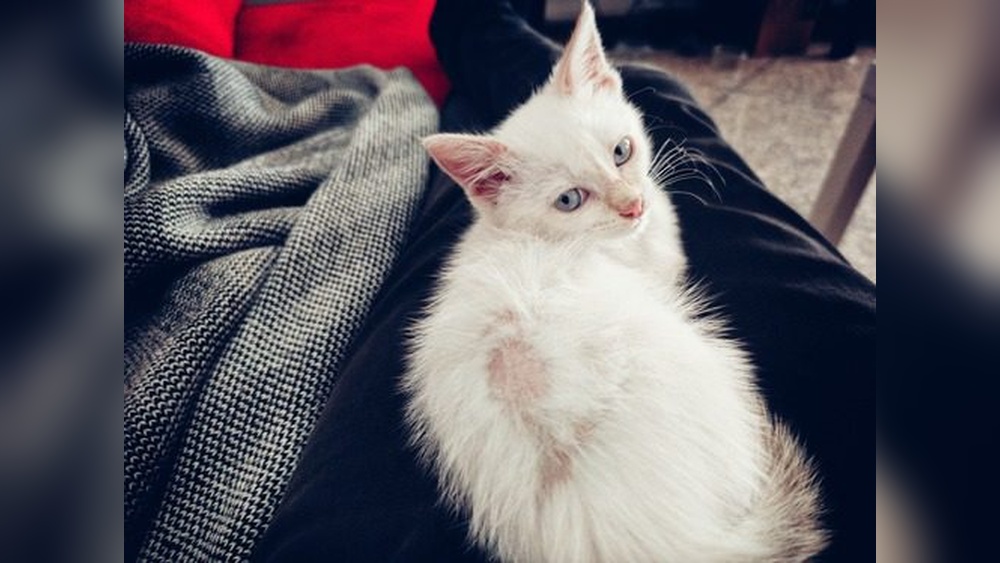
Cats are mysterious animals. Many owners notice their cats pulling out fur or even leaving bald patches. This behavior can seem strange, worrying, or even frustrating. Why do cats remove their fur? Is it normal, or does it signal a deeper problem?
If you want clear answers, practical advice, and a full understanding of this topic, you’re in the right place.
Cat fur isn’t just decoration; it protects their skin, regulates body temperature, and helps them communicate. When cats start removing their fur, there’s usually a reason. Sometimes it’s harmless, but other times it means something is wrong. This article will explain the most common causes, how to spot trouble signs, and what you can do to help your feline friend.
You’ll learn to see things from your cat’s point of view, avoid common mistakes, and even find surprising facts most owners miss.
What Does “removing Fur” Mean?
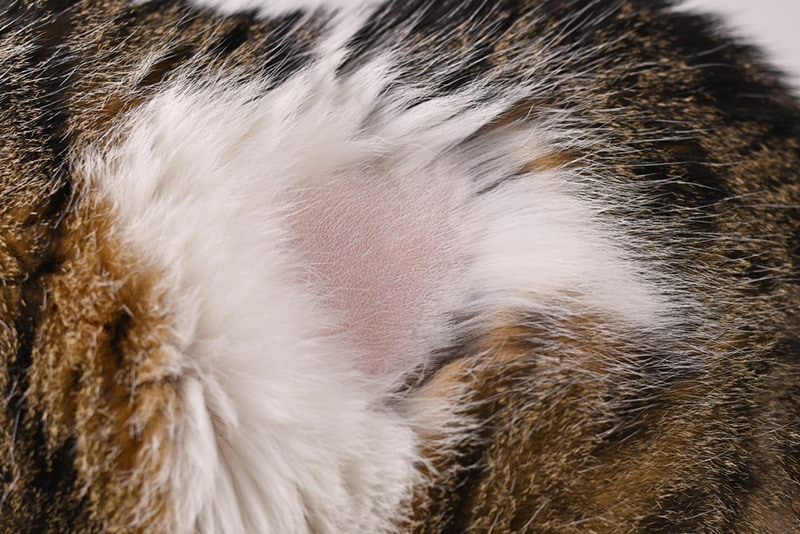
When people say “cats remove their fur,” they usually mean over-grooming or self-barbering. Cats pull, chew, or lick their fur so much that patches become thin or bald. Sometimes, you’ll see clumps of hair on the floor. In severe cases, skin may look red, sore, or even infected.
Not all fur loss is caused by the cat itself. Some cats shed a lot naturally. Others lose hair due to disease, but don’t actually pull it out. This article focuses on the behavior where cats actively remove their own fur.
Cats are naturally clean animals, and their grooming behaviors are part of their daily routine. However, when this behavior goes beyond usual licking and cleaning and results in missing fur, it’s often a sign of an underlying issue. Sometimes, you may even see your cat spitting out tufts of fur or notice the fur caught between their teeth.
If your cat starts spending much more time grooming than before, or you suddenly see a lot of fur around their resting spots, it’s worth looking more closely.
Natural Grooming Vs. Problem Behavior
Cats are famous for their cleanliness. They spend up to 50% of their waking time grooming. Licking, nibbling, and scratching help keep fur tidy, remove dirt, and control parasites. This is normal.
But when grooming turns into fur removal, things change. How do you tell the difference?
- Normal grooming: Even, shiny coat. No bald spots. Cat looks relaxed.
- Problem grooming: Bald patches, thinning fur, broken hairs. Cat seems restless, anxious, or fixated on certain areas.
Some cats even develop a routine where they focus on certain areas out of habit. For example, a cat might always lick its belly after eating, but if you notice this behavior becoming more intense or frequent—especially if the fur starts to thin—it’s time to take note.
The difference is usually clear when you gently stroke your cat and feel uneven fur or notice small, newly exposed patches of skin.
If you see bald spots or your cat is obsessed with grooming one area, something is wrong. The key is noticing changes in behavior and appearance. An early sign can be your cat suddenly refusing to be touched in a favorite spot or hiding more than usual. These behavioral changes often go hand-in-hand with physical signs.
Credit: articles.hepper.com
Main Reasons Cats Remove Their Fur
Understanding why cats do this is the first step to helping them. Here are the most common causes:
1. Allergies
Cats can be allergic to many things: food, pollen, dust mites, fleas, or even cleaning products. When exposed, their skin gets itchy. Cats respond by licking, chewing, or pulling out fur.
- Food allergies: Common in cats. Ingredients like chicken, fish, or dairy can trigger reactions. Cats may start to over-groom after eating, and you might notice vomiting or diarrhea as extra clues.
- Environmental allergies: Dust, pollen, mold, or perfumes. Even scented laundry detergents or air fresheners can be culprits.
- Flea allergy dermatitis: One flea bite can cause intense itching. Cats often remove fur near the tail and back legs. Even if you don’t see fleas, a single bite can start a strong reaction.
Sometimes, allergies can be seasonal—your cat might only start over-grooming during spring or summer when pollen is high. Keeping a diary of symptoms can help you and your vet spot these patterns.
2. Parasites
Fleas, mites, and ticks irritate the skin. Cats try to relieve the itch by removing fur.
- Fleas: Even indoor cats can get fleas. Tiny bites make cats miserable. Fleas can be hard to spot, especially on dark-coated cats, so check with a flea comb.
- Mites: Ear mites and skin mites cause itching, scabs, and fur loss. Ear mites often cause cats to scratch their ears, but skin mites might lead to patchy fur elsewhere.
- Ticks: Less common, but can cause local irritation. If you find a tick, always remove it carefully with proper tools.
Sometimes, you’ll see “flea dirt” (small black specks) on your cat’s skin, which is a clue to flea presence. Many cats are allergic to flea saliva, so just a few fleas can cause big problems.
3. Stress And Anxiety
Cats are sensitive to changes. Moving house, new pets, loud noises, or even boredom can trigger stress. Some cats cope by over-grooming. This is similar to humans biting their nails or pulling hair.
This behavior is called psychogenic alopecia. It’s more common in indoor cats, purebred cats, and those with nervous personalities.
Examples of common stress triggers include adding a new baby or pet to the household, changes in your daily routine, or even seeing stray cats through the window. Over time, the grooming becomes a habit and continues even after the stress goes away.
4. Skin Diseases
Some cats have skin conditions:
- Ringworm: A fungal infection causing circular bald patches. It’s contagious to humans and other pets, so handle with care.
- Bacterial infections: Often start after scratching or biting. You may notice pus, a bad smell, or your cat licking the same spot repeatedly.
- Dermatitis: Inflammation from allergies, parasites, or chemicals. Dermatitis can cause scaly, red, or swollen skin, making the cat more likely to over-groom.
Cats with skin infections sometimes develop a greasy or sticky feel to their fur, and you might see flakes of skin or dried blood near the affected area.
5. Hormonal Imbalances
Problems with thyroid, adrenal, or sex hormones can cause fur loss. These are less common, but important to check if other causes are ruled out.
For example, hyperthyroidism (overactive thyroid) often makes cats restless and can lead to patchy fur. Hormonal problems usually affect older cats and may show up alongside weight changes or changes in appetite.
6. Pain Or Discomfort
Cats sometimes remove fur near painful areas. For example:
- Arthritis: Older cats may lick joints. Watch for stiffness or changes in how your cat jumps or moves.
- Urinary tract infection: Cats may groom the belly. You might also see your cat visiting the litter box more often.
- Injury: Wounds or bruises under the fur. Sometimes, the only clue is over-grooming in one spot.
If your cat suddenly starts grooming one area intensely, gently check for swelling, heat, or pain. Cats are good at hiding injuries, so this can be a subtle signal.
7. Genetics And Breed
Some breeds are more prone to fur removal:
- Siamese, Burmese, and other Oriental breeds often develop psychogenic alopecia. Their sensitive nature and intelligence mean they need more mental stimulation.
- Long-haired breeds may get mats and groom excessively. Mats can irritate the skin and lead to more licking and chewing.
Not all cats of a breed will do this, but genetics play a role. If you have a breed known for over-grooming, pay close attention to their behavior and stress levels.
How To Spot Fur Removal Problems
Many owners miss early warning signs. Here’s what to look for:
- Bald patches: Especially around the belly, legs, or tail. Sometimes, you’ll see the skin is smooth and unbroken; other times, it may look red or bumpy.
- Broken hairs: Fur feels rough, looks uneven. Run your hand gently over your cat’s coat to check for texture changes.
- Redness or sores: Skin may look inflamed or scabby. Check for any oozing or unusual smells.
- Grooming behavior: Cat licks, bites, or chews one spot frequently. Watch for long, focused grooming sessions.
- Changes in mood: Cat seems anxious, hides, or avoids touch. They may also become less playful or seem more irritable.
If you notice these signs, don’t ignore them. Early action can prevent bigger problems. One non-obvious clue: sometimes cats start grooming at night when the house is quiet, so check your cat in the morning for new bald spots.
Data: How Common Is Fur Removal?
Research shows that over-grooming and fur removal affect many cats. Studies estimate:
- About 10% of cats seen by veterinarians show abnormal grooming behaviors.
- Up to 60% of cases are linked to allergies or parasites.
- Around 30% have stress-related causes.
These numbers show fur removal is not rare. It’s a common problem, especially in indoor cats.
In multi-cat households, the rate can be even higher due to increased stress or competition. Owners sometimes overlook mild cases, thinking they’re normal shedding.
Comparing Causes Of Fur Removal
Here’s a comparison of the main causes and their typical signs:
| Cause | Common Signs | Area Affected | Frequency |
|---|---|---|---|
| Allergies | Itching, redness, broken hairs | Belly, back, legs | Frequent |
| Parasites | Scratching, scabs, hair loss | Tail, neck, ears | Very frequent |
| Stress | Obsessive licking, bald spots | Belly, inner thighs | Moderate |
| Skin Diseases | Rings, sores, flaky skin | Varies | Less frequent |
| Pain | Focused grooming, limping | Near affected area | Rare |
Some cats may have more than one cause at the same time. For example, a stressed cat with mild allergies may groom much more than either problem would cause on its own.

Credit: www.amazon.com
Why Do Cats Over-groom?
Cats groom for several reasons:
- Cleaning: Removes dirt, loose fur, and parasites.
- Comfort: Licking releases endorphins, making cats feel calm.
- Temperature: Grooming spreads oils that help with insulation.
- Social bonding: Cats groom each other to show affection.
But when grooming becomes excessive, it’s often a coping mechanism. Stressful events, pain, or skin irritation can trigger over-grooming.
Another non-obvious insight: over-grooming can become a learned habit. If a cat finds comfort in licking, even after the original problem (like fleas) is gone, it may continue the behavior.
In some cases, cats may over-groom because they are under-stimulated. A cat left alone for long hours, with little to do, may start grooming out of boredom. Providing more activities or toys can sometimes reduce this behavior.
Hidden Insights: What Most Owners Miss
- Cats rarely show pain openly. Instead, they groom the painful area. If your cat suddenly removes fur from one spot, it might be hiding discomfort. Always check for subtle lameness, reluctance to jump, or changes in posture.
- Indoor cats can get fleas. Many owners assume fleas are only an outdoor problem. But fleas can hitch a ride on humans or other pets, causing issues even in clean homes. Flea eggs can survive in carpets and furniture for months, so regular prevention is key.
Another insight: Cats can react to the smell of cleaning chemicals or perfumes. If you’ve changed cleaning products recently, notice if your cat’s symptoms started soon after.
Diagnosing Fur Removal: What Vets Do
If your cat is removing its fur, a vet visit is important. Here’s what usually happens:
- History: The vet asks about changes in home, diet, or routines. Mention any new stressors, foods, or cleaning products.
- Physical exam: Checks skin, fur, and overall health. The vet may use a flea comb or special light to look for skin problems.
- Tests: May include skin scrapings, allergy tests, or bloodwork. These help rule out mites, infections, or hormonal issues.
- Rule out parasites: Flea combs, skin checks. Sometimes, a trial with flea medication is suggested even if fleas aren’t seen.
- Check for stress: Ask about new pets, moves, or changes. Vets may recommend behavioral changes or calming products.
Sometimes, diagnosing the cause takes time. Vets may try treatments for the most likely cause first. If the first treatment doesn’t work, they’ll move to the next most probable cause.
Treatment And Solutions
Helping your cat depends on finding the cause. Here are the main solutions:
Allergies
- Food trial: Switch to a hypoallergenic diet for 8–12 weeks. Avoid treats or flavored medicines during this trial.
- Environmental changes: Use unscented cleaning products, limit exposure to dust. Air purifiers can help reduce allergens.
- Medications: Antihistamines or steroids may help severe cases. Your vet may prescribe topical creams for small areas.
Parasites
- Flea control: Use vet-approved flea treatments for all pets. Remember to treat the home environment: wash bedding, vacuum carpets, and use flea sprays as advised.
- Mite treatment: Medications for ear or skin mites. Follow the full course, as mites can be persistent.
- Tick removal: Check regularly, especially after outdoor walks. Use a tick remover and disinfect the area.
Stress
- Routine: Keep feeding and play times consistent. Cats feel safer with predictable schedules.
- Safe spaces: Provide hiding spots and quiet areas. Cardboard boxes or covered beds work well.
- Play therapy: Interactive toys, puzzle feeders. Rotate toys to keep things interesting.
- Feliway diffusers: Synthetic pheromones to calm cats. Place them in areas where your cat spends most time.
Sometimes, just adding a perch near a window or dedicating time for daily play can reduce stress-related grooming.
Skin Diseases
- Medication: Antifungal or antibacterial treatments. Apply as prescribed, and finish the full course.
- Baths: Special shampoos for skin conditions. Use only as often as your vet recommends, as over-bathing can dry the skin.
- Regular checks: Monitor for new sores or bald patches. Keep a photo diary if it helps track healing.
Pain
- Vet treatment: Address underlying pain (arthritis, injury). Pain relief medications can make a big difference.
- Comfort: Soft bedding, easy access to food and litter. Consider ramps or steps for older cats.
Hormonal Problems
- Blood tests: Diagnose thyroid or adrenal issues. These may involve repeated testing.
- Medication: Hormone replacement or blockers. Your vet will monitor progress and adjust doses as needed.
Preventing Fur Removal
You can’t control everything, but good habits help:
- Regular flea prevention: Even for indoor cats. Use year-round protection if advised.
- Balanced diet: High-quality food, avoid sudden changes. Cats need stable nutrition to keep their skin and fur healthy.
- Routine vet checks: Catch problems early. Annual exams can spot issues before they get serious.
- Stress reduction: Keep environment calm, offer enrichment. Scratching posts, climbing shelves, and window views help.
- Grooming help: Brush your cat regularly, especially long-haired breeds. Gentle brushing removes loose fur and prevents mats.
One extra tip: If you travel or make big changes at home, try to introduce changes slowly and give your cat extra attention during the adjustment period.
Data Table: Risk Factors For Fur Removal
Here’s a comparison of risk factors for fur removal:
| Risk Factor | Percentage of Affected Cats | Notes |
|---|---|---|
| Indoor living | 40% | Higher stress, less parasite exposure |
| Purebred (Oriental breeds) | 25% | Genetic tendency |
| Older age | 15% | More pain-related grooming |
| Recent changes (move, new pet) | 20% | Stress triggers |
| Flea exposure | 60% | Major cause of skin irritation |
Cats often have more than one risk factor, so look at your cat’s full lifestyle for clues.
Common Mistakes Owners Make
Many owners misunderstand fur removal. Here are mistakes to avoid:
- Ignoring early signs: Bald patches often mean a problem, not just shedding. Waiting can make things worse.
- Using human products: Never use human shampoo or creams on cats. Ingredients safe for people can be toxic for cats.
- Assuming stress is the only cause: Always check for medical issues first. Missing a health problem can delay treatment.
- Stopping flea treatment too soon: Flea eggs can remain in the home for months. Continue treatment as your vet recommends.
- Punishing the cat: Cats don’t understand punishment. It increases stress. Instead, focus on comfort and positive routines.
Another common mistake: letting a problem “wait and see” for too long. Even mild fur removal can get worse quickly.
Real-life Example: Luna’s Story
Luna, a three-year-old Siamese, started licking her belly until it was bald. Her owner thought it was just stress from moving to a new apartment. But after a vet check, Luna was diagnosed with a food allergy. Switching her to a special diet stopped the fur removal in weeks.
This shows why it’s important to get a professional opinion. Cats can hide pain or allergies behind odd behaviors.
In another case, a tabby named Max began licking his legs after a new puppy arrived. Once his owner created quiet spaces and used calming diffusers, Max’s grooming returned to normal. These stories show the value of looking at both medical and emotional causes.
Non-obvious Insight: How To Tell Stress Vs. Medical Causes
Many owners struggle to tell if their cat’s fur removal is from stress or a medical issue. Here’s a tip: Medical causes usually create wider bald patches and skin changes (redness, scabs, sores). Stress-related grooming often affects the belly and inner thighs, with smooth, clean skin underneath.
If you see sores, scabs, or broken skin, visit a vet. If the skin is smooth and only the fur is missing, consider stress as a main cause.
Also, if your cat’s behavior changes suddenly, or you notice other symptoms like weight loss or changes in appetite, it’s more likely to be a medical problem.
When To See A Vet
Always seek help if:
- Your cat has bald patches or sores.
- Grooming increases suddenly.
- Your cat seems unhappy, hides, or eats less.
- Home remedies don’t work in a week.
Early treatment prevents complications. Waiting can lead to infections, scars, or worse stress.
Data Table: Treatment Success Rates
Here’s a look at how effective common treatments are:
| Treatment | Success Rate | Time to Improvement |
|---|---|---|
| Flea control | 85% | 1–2 weeks |
| Food allergy diet | 70% | 2–3 months |
| Stress reduction | 60% | 3–4 weeks |
| Medication (antihistamines, steroids) | 50% | Days to weeks |
| Skin disease treatment | 90% | 2–4 weeks |
Success depends on following your vet’s instructions and not stopping treatment early.
How To Help Your Cat Recover
Recovery depends on patience and consistency:
- Follow vet instructions: Complete all medication courses. Skipping doses can cause relapses.
- Monitor behavior: Note any changes in grooming or mood. Take photos to track progress.
- Keep environment stable: Avoid sudden changes. Move slowly with new routines.
- Give attention: Play with your cat daily. Interactive play helps lower stress.
- Use gentle grooming tools: Avoid harsh brushes or combs. Choose soft-bristle brushes, especially for sensitive skin.
For cats recovering from stress, extra time and attention can help rebuild trust. For medical causes, keep in touch with your vet and ask about follow-up appointments.

Credit: www.shutterstock.com
Surprising Fact: Cats Use Grooming To Communicate
Cats sometimes remove fur to signal something to their owners. Over-grooming can mean, “I need help,” “I’m stressed,” or “I’m uncomfortable. ” Paying attention to your cat’s behavior can improve your bond and prevent future problems.
Some cats even use grooming to soothe themselves after a stressful event, like a loud noise or a visit from strangers. By noticing these patterns, you can better understand your cat’s needs.
When Fur Removal Is Normal
Some fur loss is normal:
- Shedding: Most cats shed heavily twice a year. This is especially true in spring and fall.
- Hairballs: Cats swallow loose fur, which passes as hairballs. Occasional hairballs are normal.
- Minor bald spots: Brief, small patches may regrow quickly. These often occur after minor scrapes or play fights.
But persistent or severe fur removal is not normal. Trust your instincts. If something feels off, it’s better to check early.
Advanced Tips For Owners
- Keep a diary: Note when and where your cat grooms excessively. Patterns can reveal triggers, such as certain times of day or after specific events.
- Try puzzle feeders: Mental stimulation reduces stress and keeps your cat engaged.
- Use cat-safe sprays: Vet-approved sprays can soothe irritated skin. Never use human creams or sprays.
- Avoid over-bathing: Too many baths dry out skin and increase grooming. Cats rarely need baths unless directed by a vet.
- Check for hidden pests: Fleas and mites can hide under furniture, carpets, and bedding. Wash bedding often and vacuum regularly.
If your cat is recovering, keep their claws trimmed to reduce skin damage from scratching.
Link To More Information
If you want more scientific details on feline grooming and skin health, visit Wikipedia: Cat grooming.
Frequently Asked Questions
Why Does My Indoor Cat Remove Its Fur If It Doesn’t Go Outside?
Indoor cats can still get fleas, mites, and allergies. Stress is also a big factor. Even small changes in routine can trigger over-grooming. Also, allergens can come indoors on shoes, clothes, or through open windows.
Can Cats Remove Fur Because They’re Bored?
Yes. Boredom and lack of stimulation can lead to over-grooming. Try adding toys, climbing structures, and interactive play. Rotate toys regularly to keep your cat interested.
Will My Cat’s Fur Grow Back After Bald Spots?
Usually, yes—if the cause is treated and skin is healthy. Severe infections or repeated trauma may cause permanent hair loss in rare cases. New fur may have a different texture at first.
Should I Use Home Remedies For My Cat’s Fur Removal?
Avoid human products. Only use vet-approved treatments. Home remedies can make things worse or cause allergic reactions. Always check with your vet before trying anything new.
How Do I Know If My Cat Is Stressed?
Look for changes in behavior: hiding, avoiding people, loss of appetite, or restless grooming. Stress-related fur removal often affects the belly and inner thighs. Watch for new triggers, like guests, loud noises, or changes in furniture.
Cats are sensitive creatures. Removing their fur is usually a sign something is wrong—either physically or emotionally. By understanding the causes, spotting warning signs, and acting early, you can help your cat stay healthy and comfortable. Always watch for changes, keep your home calm, and work closely with your vet.
With the right care, most cats recover and return to their beautiful, furry selves.