
Cats are naturally curious and sometimes get into places they shouldn’t. If you love cooking with olive oil or use it for home remedies, you may have found your cat suddenly covered in it. Olive oil on cat fur is more than just a messy problem—it can lead to skin irritation, matting, or even dangerous grooming if your cat tries to lick it off. Knowing how to remove olive oil safely, gently, and effectively is important for your cat’s health and comfort.
Many cat owners panic when they see their fluffy friend slicked with oil, but with the right steps and tools, you can clean your cat without stress. This guide walks you through every detail, from why olive oil is tricky to remove, to step-by-step cleaning methods, alternatives, and aftercare.
You’ll also learn what mistakes to avoid and when to call the vet. Whether the spill is tiny or your cat is drenched, you’ll find answers here.
Why Olive Oil Is Hard To Remove From Cat Fur
Olive oil is a plant-based fat. It’s slippery and doesn’t mix with water. This makes it hard to remove with just a towel or a simple rinse. The oil sticks to the fur and skin, creating a greasy layer that attracts dirt and can cause fur to mat. If not cleaned properly, it can also block the skin from breathing and may lead to skin problems.
Unlike mud or food spills, oil penetrates deeply into the fur. Cats have dense coats, especially long-haired breeds. Olive oil can spread from one part of the body to another as your cat tries to groom itself, making things worse. Because cats are sensitive to many cleaning products, you need to use methods that are both effective and safe.
Is Olive Oil Dangerous For Cats?
Olive oil is not toxic to cats in small amounts. In fact, some people use a little olive oil as a home remedy for hairballs or constipation. However, large amounts can cause problems:
- If your cat licks a lot of oil, it may develop diarrhea or an upset stomach.
- Too much oil on the skin can cause irritation or block natural oils.
- Sticky fur can mat, making your cat uncomfortable and leading to skin infections.
For kittens, elderly cats, or those with health issues, even small amounts of oil can be risky. Always clean your cat quickly if you notice oil on its fur.
Essential Tools And Products You’ll Need
Before you start, gather the right supplies. Using the correct tools makes the job faster, safer, and less stressful for your cat. Here’s what you’ll need:
- Absorbent paper towels or clean cloths
- Mild dish soap (unscented, no antibacterial additives)
- Cat-safe shampoo
- Wide-toothed comb and/or a soft brush
- Warm water (not hot)
- Cotton balls or pads
- Small basin or sink
- Towels for drying
- Treats to reward your cat
- Gloves (optional, for your hands)
Avoid using strong cleaners, essential oils, or human shampoos. These can harm your cat’s sensitive skin or cause illness if swallowed.
Step-by-step: How To Remove Olive Oil From Cat Fur
Cleaning olive oil from cat fur can be simple or difficult, depending on how much oil is present and your cat’s temperament. Here’s a practical, effective process for most situations.
Step 1: Stay Calm And Prepare
First, don’t panic. Cats sense stress and may become anxious or try to hide. Prepare all your cleaning supplies before touching your cat. If possible, have another person help you hold the cat gently.
Step 2: Remove Excess Oil
Gently blot the oily area with paper towels or a clean, absorbent cloth. Do not rub, as this will push the oil deeper into the fur and spread it. Continue blotting until you have removed as much surface oil as possible.
Step 3: Apply Dish Soap
Dish soap is designed to break down grease and is safe in small amounts. Use only a drop or two of mild, unscented dish soap. Wet your hands and gently massage the soap into the oily area, working from the skin out toward the tips of the fur. Avoid the cat’s eyes, nose, mouth, and ears.
Step 4: Rinse Thoroughly
Fill a small basin or sink with warm water. Rinse your cat’s fur well. It’s important to remove all soap, as leftover soap can irritate the skin. Be gentle, and use a cup to pour water over the area if your cat is scared of running water.
Step 5: Wash With Cat-safe Shampoo (optional)
If oil remains, use a cat shampoo. Work up a lather and clean the area again. Cat shampoos are designed for their skin pH and are less likely to cause dryness or reactions.
Step 6: Rinse Again
Rinse all shampoo and soap from your cat’s fur. Any residue can lead to itching or more grooming by your cat.
Step 7: Dry And Comb
Pat the area dry with a towel. Never use a hair dryer unless it is on a cool setting and your cat tolerates it. Once the fur is mostly dry, gently comb it to remove tangles and check for any remaining oil.
Step 8: Reward And Observe
Give your cat a treat and lots of praise. Monitor the cleaned area for a day or two to make sure there is no redness, irritation, or matting. If your cat seems uncomfortable or grooms the area excessively, check for leftover oil or skin problems.
What If The Oil Is All Over The Cat?
If your cat has rolled in olive oil or spilled a large amount, you may need to give a full bath. Here are special steps for a larger clean-up:
- Use a bath mat or towel in the sink or tub to prevent slipping.
- Wash in sections, starting with the most oily areas.
- You may need to repeat the wash and rinse steps.
- Avoid the cat’s face. Use a damp cloth to clean the face if needed.
- If your cat is very stressed or aggressive, call your vet or a professional groomer.
Comparing Cleaning Methods
There are a few ways to remove olive oil, but not all are safe for cats. Here’s a quick comparison of common methods:
| Method | Effectiveness | Safety for Cats | Best For |
|---|---|---|---|
| Dish Soap & Water | High | Safe if used properly | Moderate to heavy oil |
| Cat Shampoo | Medium | Very safe | Light oil, after dish soap |
| Baking Soda | Low-Medium | Safe in small amounts | Small spots, dry method |
| Cornstarch | Medium | Safe | Blotting excess oil |
| Human Shampoo | Medium | Not recommended | Emergency only |
Dish soap is the most effective for breaking down oil, but must be used carefully. Cat shampoo is gentle but less powerful against heavy grease. Baking soda and cornstarch can help lift surface oil but won’t remove all of it.
Dry Cleaning Alternatives For Sensitive Cats
Some cats are terrified of water. If your cat is aggressive or highly stressed by baths, try a dry cleaning method first.
- Cornstarch or baking soda: Sprinkle a small amount onto the oily fur. Gently massage it in and let it sit for 5-10 minutes. The powder will absorb some of the oil.
- Carefully comb or brush out the powder and oil.
- Repeat if necessary, then use a damp cloth to wipe the area.
This method works best for small spots or thin layers of oil. You may still need to use water and shampoo for larger or stubborn stains.
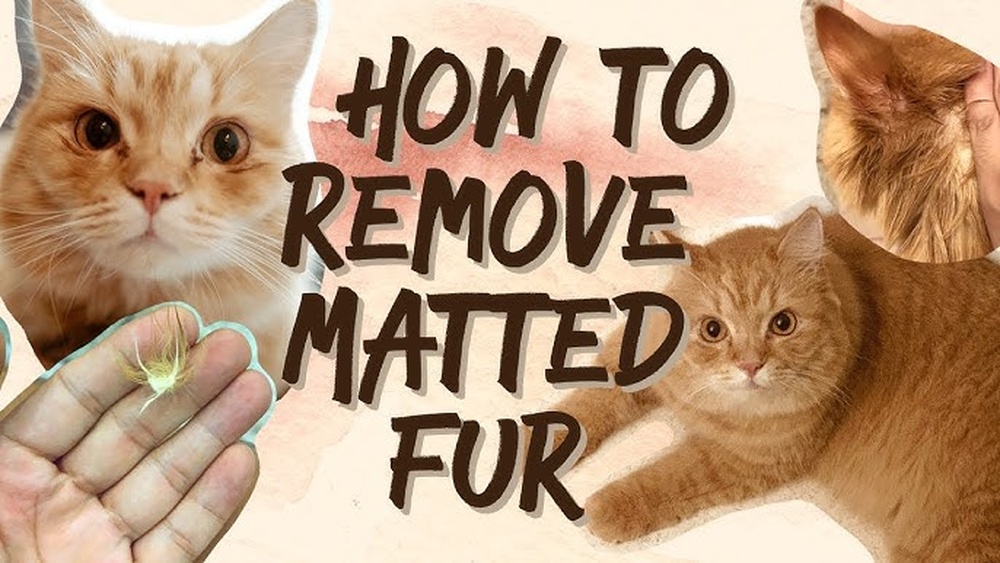
Dealing With Matted Fur After Olive Oil
Oil can cause cat fur to mat or clump together, especially in long-haired breeds. Matted fur is uncomfortable and can lead to skin sores.
If mats are small and soft, use a wide-toothed comb to gently work them out after cleaning. For larger or tight mats, do not use scissors—cats have loose skin and you can easily cut them by accident. Instead:
- Try a mat splitter tool, available at pet stores.
- Work slowly from the tip of the mat toward the skin.
- If the mat won’t come out, call a groomer or vet.
Never ignore matted fur. It can trap dirt, bacteria, and even parasites.
When To See A Vet
Most olive oil spills can be managed at home. However, you should contact a veterinarian if:
- The oil covers a large area and you can’t remove it all.
- Your cat has red, swollen, or broken skin after cleaning.
- Your cat is vomiting, has diarrhea, or seems very sick.
- You notice signs of poisoning (drooling, shaking, seizures).
- The cat is very old, very young, or has health issues.
A vet can provide professional cleaning and check for any complications.
What Not To Do: Common Mistakes
Many cat owners try well-meaning but risky solutions. Avoid these common mistakes:
- Using essential oils or strong cleaners: These can be toxic if your cat licks them off or absorbs them through the skin.
- Over-bathing: Too many baths can dry out your cat’s skin and remove natural oils.
- Using hot water: This can burn your cat’s sensitive skin and make them scared of future baths.
- Letting oil stay too long: Oil can cause mats and skin problems if not removed quickly.
- Forcing the process: If your cat is stressed, take breaks. Forcing can lead to bites, scratches, and more stress for both of you.
How To Prevent Olive Oil Spills In The Future
Prevention is always better than cure. Here’s how to keep your cat safe from future oil accidents:
- Store olive oil in closed cupboards or high shelves.
- Clean up spills immediately.
- Keep cats out of the kitchen while cooking.
- Don’t leave oily dishes or pans where your cat can reach them.
- If you use olive oil as a home remedy, apply it carefully and only as directed by your vet.
Cats are clever, but a little planning goes a long way.
Are There Cat-safe Alternatives To Olive Oil For Hairballs?
Some owners use olive oil to help with hairballs or constipation. However, there are safer, vet-approved products:
| Product | Main Ingredient | How It Works | Safe for Cats? |
|---|---|---|---|
| Hairball Gel | Malt or petroleum jelly | Lubricates digestive tract | Yes, if labeled for cats |
| Fiber Treats | Psyllium or beet pulp | Adds fiber to help digestion | Yes |
| Pumpkin Puree | Pumpkin | Natural fiber source | Yes, plain pumpkin only |
| Olive Oil | Olive oil | Softens stool | Small amounts only |
Always check with your vet before adding new supplements to your cat’s diet.
Credit: www.oliveoil.com
Aftercare: Monitoring And Grooming
Once you’ve removed the olive oil, your job isn’t quite finished. Aftercare ensures your cat recovers quickly and stays comfortable.
- Watch the cleaned area for redness, swelling, or hair loss.
- Brush your cat daily for a few days to remove any remaining oil or mats.
- Make sure your cat is eating, grooming, and acting normally.
- If you notice any unusual licking, scratching, or behavior changes, call your vet.
Cats are good at hiding discomfort, so observe them closely after any stressful event like cleaning.
When Is Professional Grooming Necessary?
Sometimes, home cleaning isn’t enough. If your cat has a thick coat, severe mats, or is too aggressive to handle, a professional groomer can help. Professional groomers have tools, experience, and sometimes even sedatives (used by vets) to clean cats safely.
Signs you need help:
- You can’t remove all the oil.
- Your cat’s fur is badly matted.
- Your cat becomes aggressive or unmanageable.
- The skin looks red, sore, or infected.
Don’t wait too long—professional care is often safer for both you and your cat.
Credit: pattonvethospital.com
Case Study: Removing Olive Oil From A Long-haired Cat
Let’s look at a real-world example. Lily, a long-haired Maine Coon, knocked over a bottle of olive oil and rolled in it. Her owner noticed the sticky, greasy fur and tried to clean it with just water. The oil spread further, matting her thick coat.
Here’s how Lily’s owner solved the problem:
- Blotted as much oil as possible with paper towels.
- Applied a small amount of unscented dish soap to the worst areas and gently massaged it in.
- Rinsed with warm water in small sections.
- Used a cat-specific shampoo to finish.
- Dried her gently with towels and combed out the remaining mats.
- Watched for signs of irritation or discomfort over the next few days.
Lily was back to her fluffy self within two days. The key was patience, using the right products, and not rushing the process.
Why Not Use Baby Wipes Or Wet Wipes?
Many owners reach for baby wipes or household wet wipes. While these seem convenient, most are not safe for cats. They often contain alcohol, fragrances, or chemicals that can irritate cat skin or cause illness if licked. If you must use wipes, choose those labeled as pet-safe and rinse the area with water afterward.
The Science Behind Oil Removal
Removing olive oil is all about breaking the bond between oil and fur. Water alone doesn’t work because oil repels it. Dish soap contains molecules called surfactants that surround oil particles, allowing them to mix with water and be rinsed away.
That’s why using a small amount of dish soap is more effective than water or cat shampoo alone. But soap must be rinsed completely to avoid skin irritation.
Can You Shave The Fur Instead?
Some owners wonder if it’s better to simply shave off the oily fur. While this can work for severe cases, it’s usually not necessary for small spills. Shaving can stress your cat, especially if done at home without experience. If you think shaving is needed, ask a professional groomer or vet.
How Fast Should You Act?
Time is important. The longer oil stays on fur, the more likely it is to spread, cause mats, or irritate the skin. Try to clean your cat as soon as you notice the oil. If you can’t clean right away, keep your cat in a safe room to prevent spreading the oil around your home.
Can You Use Other Household Products?
Some pet owners try products like cornmeal, sand, or flour to absorb oil. While these may work for small areas, they can make a bigger mess and are hard to remove from thick or long fur. Stick with cornstarch or baking soda as safer, less messy options.
Understanding Cat Stress During Cleaning
Cats are sensitive to handling and new experiences. Cleaning, especially with water, can be scary. Here are signs your cat is stressed:
- Flattened ears
- Growling or hissing
- Fast breathing
- Hiding or trying to escape
If you see these signs, pause and let your cat calm down. Offer treats, speak softly, and work slowly. Forcing the process can make future grooming even harder.
How Often Can You Bathe A Cat?
Cats are excellent self-groomers and rarely need baths. Too much bathing can cause dry skin and stress. Only bathe your cat if truly necessary, like after an oil spill. For most cats, one or two baths per year is enough, unless directed by your vet.

Credit: www.lovetoknowpets.com
How To Clean Olive Oil From Cat Paws And Face
Cleaning paws and faces requires extra care. Use a damp cloth or cotton pad with a drop of dish soap. Wipe gently, avoiding eyes, nose, and mouth. Rinse with a clean damp cloth. Never pour water on your cat’s face or use strong cleaners.
Can Olive Oil Help With Cat Skin Problems?
Some online sources suggest olive oil for dry skin or as a flea remedy. However, it is not a cure and may cause more problems than it solves. Olive oil can make fur greasy and may block skin pores. Always talk to your vet before trying home remedies.
For more information about safe pet grooming practices, check the ASPCA Grooming Guide.
Frequently Asked Questions
What Happens If My Cat Licks Olive Oil Off Its Fur?
Small amounts of olive oil are not toxic, but licking too much can cause diarrhea or stomach upset. Monitor your cat for vomiting, loose stools, or loss of appetite. If symptoms are severe, call your vet.
Can I Use Baby Shampoo To Clean Olive Oil From My Cat?
Baby shampoo is less harsh than regular shampoo, but it is not made for cats. Cat skin has a different pH balance. Use a mild, unscented dish soap or cat-safe shampoo instead.
How Do I Keep My Cat Calm During Cleaning?
Work in a quiet space, speak softly, and move slowly. Offer treats before, during, and after cleaning. If your cat is very scared, take breaks or ask for help from a second person.
Is It Safe To Leave A Small Amount Of Olive Oil On My Cat?
It’s best to remove all visible oil. Even small amounts can attract dirt and cause mats or skin irritation. If you can’t remove it all at home, contact a groomer or vet.
What If The Olive Oil Is Near My Cat’s Eyes Or Mouth?
Do not use soap or shampoo near the eyes or mouth. Use a damp cotton pad to gently wipe the area. If oil gets into your cat’s eyes or causes redness, call your vet right away.
Taking care of your cat after an olive oil accident can be stressful, but with the right approach, you’ll keep your feline friend safe, clean, and comfortable. Always act quickly, use gentle products, and don’t hesitate to seek professional help if you need it.