
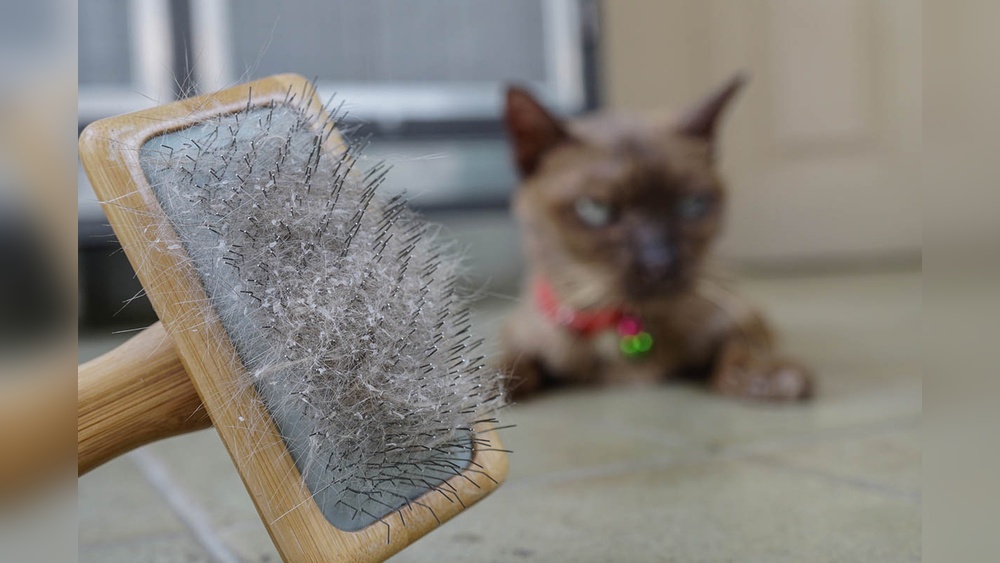
If you love your cat, you know their health and comfort matter every single day. When you notice white flakes in your cat’s fur or see them scratching more than usual, it can be worrying. Dandruff in cats is common, but it’s often misunderstood. Many owners think it’s just a cosmetic problem, but it can signal deeper health or environmental issues. Removing dandruff from your cat’s fur isn’t just about keeping them pretty—it’s about caring for their well-being.
This guide will show you exactly how to remove dandruff from your cat’s fur, explain why it happens, and give you practical, step-by-step advice. You’ll learn how to spot real problems, what solutions actually work, and how to prevent dandruff from coming back.
If you want your cat’s coat to be healthy, shiny, and comfortable, this is the place to start.
What Is Cat Dandruff?
Dandruff in cats is made of dead skin flakes. These flakes are usually small, white, and easy to see on dark fur or bedding. Dandruff is different from “dander,” which is normal, tiny skin particles that all cats shed. Dandruff means the skin is flaking more than it should.
Most of the time, dandruff is not dangerous by itself, but it tells you something is not right. It can show up with other signs like:
- Itchy skin or scratching
- Red or irritated skin
- Hair loss in patches
- Dry or dull fur
If you see these signs, it’s important to look for causes and act quickly.
Why Does My Cat Have Dandruff?
Dandruff doesn’t just appear for no reason. Understanding the cause is the first step to solving the problem. Here are the main reasons cats get dandruff:
1. Dry Air
Indoor heating or air conditioning can make the air in your home very dry. Low humidity causes your cat’s skin to lose moisture, leading to flaking.
2. Poor Diet
Cats need balanced nutrition. Diets that lack enough omega-3 or omega-6 fatty acids, or certain vitamins, can make the skin dry and flaky.
3. Allergies
Cats can be allergic to food, dust, pollen, or cleaning products. Allergies make the skin inflamed, which often leads to dandruff.
4. Parasites
Fleas, mites (like Cheyletiella, also called “walking dandruff”), and lice can irritate your cat’s skin. Sometimes you’ll see parasites moving, but not always.
5. Health Problems
Some diseases, like diabetes, thyroid problems, or skin infections, can cause dandruff. Overweight cats may develop dandruff because they can’t reach certain spots to groom.
6. Lack Of Grooming
Older cats or those with arthritis may not groom themselves well. Dirt and oil build up, leading to flaky skin.
7. Stress
Cats under stress may stop grooming or groom too much, both of which can harm the skin.
How To Tell Dandruff From Other Problems
Not all white flakes are the same. Sometimes, what looks like dandruff is actually a sign of parasites, ringworm, or infection. Here’s how you can tell the difference:
| Condition | Main Signs | Action Needed |
|---|---|---|
| Simple dandruff | White flakes, no redness or sores | Home care, monitor closely |
| Fleas/mites | Flakes plus tiny moving dots, scratching | See vet, use parasite treatment |
| Ringworm | Round hairless patches, flaky edges | Vet test, antifungal treatment |
| Skin infection | Redness, sores, pus, bad smell | Urgent vet care |
If you see moving bugs, scabs, or open sores, don’t try to treat at home. Go to a veterinarian right away.
Step-by-step: Removing Dandruff From Your Cat’s Fur
Now that you know what causes dandruff, let’s look at how to remove it and help your cat’s skin heal.
1. Check For Underlying Health Issues
Before you start any treatment, make sure your cat doesn’t have a medical problem. Watch for:
- Weight changes
- Extra thirst or urination
- Lethargy
- Hair loss in large patches
- Open wounds
If you see these, visit your vet. Removing dandruff is not just about the skin; it’s about the whole cat’s health.
2. Improve Grooming
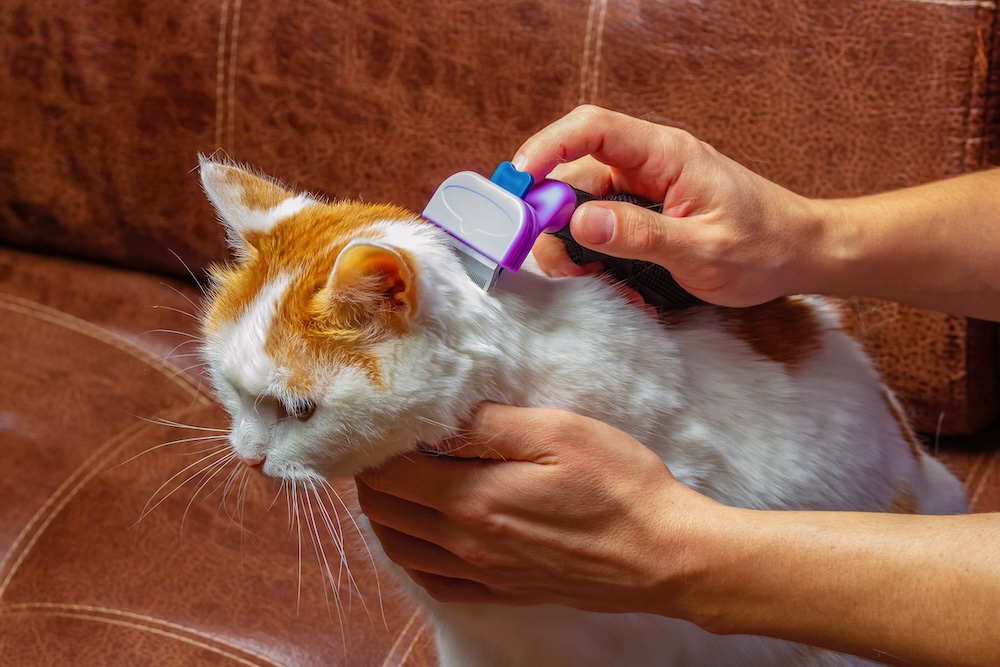
Regular grooming is the simplest and most effective way to control dandruff.
- Use a soft-bristle brush or grooming glove once a day.
- Brush gently in the direction of hair growth.
- Pay extra attention to the lower back, base of the tail, and behind the ears—these spots often get missed.
Grooming not only removes flakes but also spreads natural oils and helps you spot problems early.
Tips For Cats Who Hate Brushing
Not all cats like being brushed. Try these:
- Start with short, gentle sessions (just 1-2 minutes).
- Offer treats or play after brushing.
- Use a glove-style brush for sensitive cats.
- Never force; stop if your cat is stressed.
3. Bathing (when And How)
Most cats do not need regular baths, but sometimes bathing can help with stubborn dandruff.
How To Bathe A Cat For Dandruff
- Choose a cat-safe, moisturizing shampoo. Never use human shampoo or harsh soaps.
- Fill the tub with a few inches of warm (not hot) water.
- Wet your cat slowly, avoiding the face and ears.
- Lather gently and rinse thoroughly.
- Dry your cat with a soft towel. Keep them warm until completely dry.
Bathing once every 4-6 weeks is enough for most cats with dandruff. Too much bathing can make the problem worse.
Special Shampoos
Some shampoos have ingredients like oatmeal, aloe vera, or omega oils. These soothe and moisturize the skin. Ask your vet for recommendations.
4. Adjust The Environment
Dry air makes dandruff worse. Here’s how you can help:
- Use a humidifier in your home, especially in winter.
- Place water bowls around your house to increase humidity.
- Keep your cat’s bed away from heat vents or radiators.
If you live in a very dry area, indoor plants can also help keep the air moist.
5. Upgrade Nutrition
Diet is a powerful tool for healthy skin. Check your cat’s food label. Does it contain:
- Omega-3 fatty acids
- Omega-6 fatty acids
- Enough protein and vitamins
If not, ask your vet about switching to a higher-quality food or adding a supplement.
Safe Supplements
Supplements like fish oil or specially made omega-3 capsules for cats can improve skin health. Start with a low dose and watch for stomach upset.
| Supplement | Main Benefit | Notes |
|---|---|---|
| Fish oil (Omega-3) | Reduces dryness, inflammation | Use only pet-safe products |
| Egg yolk powder | Vitamin-rich, supports skin | Small amounts only |
| Salmon oil | Moisturizes skin, boosts coat shine | Check for allergies |
Never give human supplements to cats. Some can be toxic.
6. Control Allergens And Irritants
Reduce things in your home that can irritate your cat’s skin:
- Use unscented, dye-free detergents for bedding.
- Avoid air fresheners, scented candles, and sprays near your cat.
- Vacuum often to remove dust and pet dander.
If you changed cleaning products or brought in new furniture, watch for reactions.
7. Treat Parasites
If you suspect fleas or mites, use a vet-approved parasite treatment. Over-the-counter products can be dangerous or ineffective.
Signs of parasites include:
- Intense scratching
- Small scabs or bumps
- Bugs visible in fur
Your vet can test for mites that are too small to see.
8. Help Overweight Or Older Cats
If your cat is overweight or has arthritis, they may have trouble grooming. Help them by:
- Grooming daily
- Placing steps or ramps near favorite spots to reduce jumping
- Encouraging gentle play and movement
Ask your vet about safe ways to help your cat lose weight if needed.
9. Manage Stress
Stress changes how your cat grooms and can trigger dandruff. Common stressors:
- Moving homes
- New pets or people
- Change in routine
Give your cat quiet spaces and stick to a regular feeding and play schedule. Calming pheromone diffusers can also help.
10. Try Home Remedies Carefully
Some gentle home remedies may help, but always check with your vet first.
- Coconut oil: A tiny amount rubbed between your hands and stroked onto the fur can moisturize (never force your cat to eat it).
- Oatmeal water: Soak oats in warm water, strain, and use the water as a gentle rinse after bathing.
Do not use essential oils, tea tree oil, or vinegar—they can be harmful to cats.

Credit: www.youtube.com
When To See A Vet
Home care is great for mild dandruff, but sometimes you need expert help. See your vet if:
- Dandruff lasts more than 2 weeks with no improvement
- You see redness, sores, or hair loss
- Your cat is very itchy or uncomfortable
- There are other symptoms like vomiting, weight loss, or tiredness
Your vet can check for infections, parasites, or other diseases and prescribe the right treatment.
Preventing Dandruff From Coming Back
Once you’ve removed dandruff, you want to keep it away. Here’s how:
- Regular grooming: Brush daily or every other day.
- Balanced diet: Feed high-quality, complete food.
- Hydration: Make sure your cat always has fresh water.
- Moisturize the environment: Use humidifiers, especially in winter.
- Routine health checks: Visit your vet for yearly checkups and parasite prevention.
- Reduce stress: Keep routines stable and provide safe hiding spots.
Credit: faithfulfriendsvetclinic.com
Common Mistakes When Treating Cat Dandruff
Even caring owners can make mistakes when trying to fix dandruff. Avoid these pitfalls:
- Using human shampoos or lotions (these can irritate or poison cats)
- Bathing too often (removes natural oils)
- Ignoring other symptoms (dandruff can be a sign of illness)
- Overfeeding supplements (can cause diarrhea or other problems)
- Skipping vet visits when home care fails
Dandruff often improves with basic care, but always watch for signs of bigger problems.
Real-world Examples
Let’s look at some real cases to see how these steps work in everyday life.
Case 1: Indoor Cat With Winter Dandruff
“Milo,” a 7-year-old tabby, started getting white flakes every winter. His owner noticed the flakes were worse when the heat was on.
Solution:
- Added a humidifier to the room
- Brushed Milo every day
- Switched to a food with more omega-3s
Result: Dandruff disappeared in 2 weeks and did not return the next winter.
Case 2: Elderly Cat Who Stopped Grooming
“Luna,” age 12, developed dandruff and greasy fur. She seemed stiff and avoided jumping.
Solution:
- Vet check showed mild arthritis
- Started joint supplements and pain relief
- Owner brushed Luna daily
Result: Luna’s dandruff improved, and she became more active.
Case 3: Allergic Reaction
“Shadow” began showing flakes and scratching after his owner changed laundry detergent.
Solution:
- Switched back to unscented, gentle detergent
- Washed all bedding and toys
- Bathed Shadow once with a soothing oatmeal shampoo
Result: Dandruff cleared up quickly.
These cases show that understanding the cause is key to fixing dandruff.
How Long Does It Take To Remove Dandruff?
Most mild dandruff improves within 1-2 weeks after starting home care. If you make changes to diet, air quality, or grooming, you should see fewer flakes and healthier fur.
For more serious cases, or if your cat has a medical problem, it can take longer. Always track your cat’s progress, and don’t wait too long to get veterinary help if things don’t improve.
Non-obvious Insights Most Owners Miss
- Water intake matters more than you think. Cats on dry food are often mildly dehydrated, which dries out the skin. Try adding wet food, water fountains, or even flavored ice cubes to encourage drinking.
- Seasonal changes affect skin. Many cats get dandruff in winter or during very hot, dry months. Adjust your routine with the season—use humidifiers in winter and brush more during shedding periods.
- Weight and flexibility matter. Overweight or arthritic cats can’t reach all parts of their body to groom. Helping these cats with daily brushing makes a huge difference and prevents long-term skin problems.
Comparison: Dandruff In Cats Vs Dandruff In Dogs And Humans
It helps to understand how cat dandruff is different from other animals or even people.
| Species | Common Causes | Safe Treatments |
|---|---|---|
| Cats | Dry air, poor diet, parasites, health issues | Grooming, humidifier, vet care, omega-3s |
| Dogs | Allergies, parasites, skin infections | Special shampoos, dietary changes, vet treatment |
| Humans | Fungal infection, dry skin, stress | Anti-dandruff shampoos, moisturizing |
Never use human anti-dandruff shampoos on cats—they are toxic and can cause severe reactions.
When Is Dandruff Normal?
A few flakes, especially during shedding season, are normal. If your cat is otherwise healthy, not scratching, and has a shiny coat, don’t worry about a small amount of dandruff. Focus on prevention and regular grooming.

Credit: www.youtube.com
When To Worry
Get medical advice if you see:
- Red, swollen, or painful skin
- Large bald patches
- Sores or scabs
- Major behavior changes
These could mean an infection, allergy, or internal disease.
Frequently Asked Questions
What Is The Difference Between Dandruff And Dander In Cats?
Dandruff is visible white flakes from abnormal skin shedding, while dander is microscopic and normal for all cats. Dander is what causes allergies in people, but dandruff signals a problem with skin health.
Can I Use Coconut Oil To Treat My Cat’s Dandruff?
A small amount of coconut oil rubbed onto your hands and gently petted through your cat’s fur can help moisturize dry skin. Never force your cat to eat coconut oil—it can upset their stomach. Always check with your vet before trying home remedies.
How Often Should I Bathe My Cat For Dandruff?
Most cats do not need regular baths. If your vet recommends bathing, do it no more than once every 4-6 weeks, using a cat-safe, moisturizing shampoo. Too much bathing can make dandruff worse.
What Foods Help Reduce Dandruff In Cats?
Foods rich in omega-3 and omega-6 fatty acids (like salmon or fish oil) support healthy skin and coat. High-protein diets with added vitamins and minerals are also helpful. Always choose foods labeled “complete and balanced” for your cat’s life stage.
When Should I Take My Cat To The Vet For Dandruff?
See your vet if dandruff does not improve after 2 weeks of home care, or if you notice redness, sores, hair loss, or signs your cat is sick (like vomiting, weight loss, or tiredness).
Caring for your cat’s skin is part of keeping them happy and healthy. With the right approach, most dandruff problems can be solved at home. If you need more information, check resources like the ASPCA for trusted advice. A healthy coat is a sign of a happy cat—and a happy cat means a happy home.