

Many cat owners know the struggle: one curious leap and your cat brushes against a strip of sticky fly paper. Suddenly, your usually graceful friend is stuck with gluey fur and a confused look. Removing fly paper glue from cat fur can be tricky, but it’s important to act quickly and carefully. If you handle it wrong, you might hurt your cat or make the situation worse. This guide will help you understand the safest, most effective ways to remove fly paper glue, keep your cat calm, and avoid common mistakes.
Whether you’re a new cat owner or have years of experience, knowing how to deal with sticky messes can save you stress, money, and even a trip to the vet. You’ll learn step-by-step methods, what products to use (and avoid), aftercare tips, and when it’s time to get professional help.
We’ll also address some less obvious details, like how to check for skin irritation and what to do if your cat panics. By the end, you’ll feel confident handling this sticky situation—without putting your cat’s health at risk.
Why Fly Paper Glue Is Dangerous For Cats
Fly paper is designed to trap flying insects using a sticky adhesive. This glue contains chemicals meant to attract and trap bugs but is not safe for pets. When cats get fly paper glue on their fur, several dangers arise:
- Toxic Ingredients: Some fly paper glues contain pesticides or attractants that can harm cats if licked or absorbed through the skin.
- Matting and Hair Loss: The glue can tangle or pull out fur, causing bald spots or painful mats.
- Skin Irritation: Sensitive cat skin can become red, swollen, or develop sores under the glue.
- Stress and Panic: Cats may panic and hurt themselves trying to get free or chew off the glue, possibly swallowing harmful chemicals.
Not all fly papers are equally dangerous, but you should always treat the glue as a potential risk. Quick, gentle action is best.
Immediate Steps: Stay Calm And Keep Your Cat Safe
When you notice fly paper glue on your cat, your first reaction might be panic. But staying calm helps your cat stay calm, too. Here’s what to do right away:
- Keep Your Cat from Licking: Gently hold or distract your cat to stop them from licking the glue. If you have someone to help, ask them to hold your cat.
- Move to a Safe Place: Bring your cat to a quiet room with good lighting. Remove other pets or distractions.
- Check for Large Pieces: If there are bits of fly paper still attached, carefully cut them away with scissors, but avoid pulling the glue.
- Wash Your Hands: Before touching your cat’s fur, wash your hands to avoid adding oil, dirt, or other chemicals.
These steps reduce the risk of glue ingestion and prepare you for safe removal.
Assessing The Situation: How Bad Is It?
Take a close look at your cat’s fur and skin. This helps you choose the right removal method:
- Small Spot: Only a small area of fur is sticky, and your cat is calm.
- Large Area: Glue covers a big patch or multiple spots.
- Sensitive Zones: Glue is near eyes, mouth, ears, or genitals.
- Skin Damage: You see redness, cuts, or swelling under the glue.
- Panicked Cat: Your cat is very upset or aggressive.
If glue is near sensitive areas or your cat is hurt or panicking, call your vet first. For small, safe spots, you can try home removal.
Tools And Products: What You Need (and What To Avoid)
Choosing the right tools and products is key to safe glue removal. Some things help, while others can make things worse.
Safe Items For Glue Removal
- Vegetable oil (olive, coconut, sunflower, etc.)
- Mild dish soap (unscented, gentle formulas like Dawn)
- Pet-safe wipes (fragrance-free, alcohol-free)
- Fine-toothed comb
- Blunt-tip scissors
- Towels or old cloths
- Cotton balls or soft pads
- Latex gloves (optional, to protect your hands)
Products To Avoid
- Paint thinner, acetone, or nail polish remover (toxic)
- Essential oils (many are dangerous to cats)
- Harsh soaps or shampoos (can irritate skin)
- Sticky removers for humans (like Goo Gone—unsafe for cats)
- Alcohol or hydrogen peroxide (drying, irritating)
Using safe products protects your cat’s skin and prevents poisoning.

Credit: www.reddit.com
Step-by-step: How To Remove Fly Paper Glue From Cat Fur
Let’s walk through the best method for removing fly paper glue safely. If at any point your cat becomes too stressed or you see skin problems, stop and call your vet.
1. Prepare Your Workspace
- Lay towels or old sheets on a table or counter.
- Gather your supplies within easy reach.
- Wear old clothes in case things get messy.
2. Secure Your Cat
- Gently wrap your cat in a towel, leaving the sticky area exposed. This “kitty burrito” keeps your cat still.
- If your cat is calm, you may not need a towel. For wiggly cats, ask someone to gently hold your cat.
3. Remove Loose Fly Paper
- If any fly paper is still stuck, carefully trim it with blunt-tip scissors.
- Do not pull—this hurts and may rip out fur or skin.
4. Apply Vegetable Oil
- Pour a small amount of vegetable oil onto a cotton ball or your gloved fingers.
- Gently massage the oil into the glued fur. Work slowly and avoid rubbing the glue into the skin.
- Let the oil sit for 3–5 minutes. This loosens the glue.
Why Oil Works
Vegetable oil breaks down the sticky glue without harming the fur or skin. It’s safe if your cat licks a little, but try to prevent licking during the process.
5. Comb Out The Glue
- Use a fine-toothed comb to gently work out the glue.
- Start at the end of the fur (farthest from the skin) and move toward the base.
- Wipe the comb often on a paper towel to remove glue bits.
- If the glue resists, add more oil and repeat.
6. Wash The Area
- After most glue is gone, mix a small amount of mild dish soap with warm water.
- Wet a clean cloth, wring out excess water, and gently wipe the oiled fur.
- Repeat until the oil and any remaining glue are gone.
- Rinse with a clean, damp cloth.
7. Dry And Comfort Your Cat
- Pat the area dry with a towel.
- Offer treats and praise to help your cat relax.
- Brush your cat gently to smooth the fur.
8. Watch For Skin Problems
- Check the cleaned area for redness, swelling, or sores.
- If you notice any issues, call your veterinarian.
Important tip: If you can’t remove all the glue after 30 minutes, or your cat becomes too stressed, stop and call your vet. Forcing the process can do more harm than good.
Alternative Methods: When Oil Isn’t Enough
Sometimes, vegetable oil doesn’t remove all the glue. Here are other safe options.
Using Pet-safe Degreasers
Some pet shampoos are made for tough messes, like degreasing shampoos. These are usually safe for cats but check the label. Apply as directed, rinse well, and keep your cat warm.
Clipping The Fur
If the glue is in a small patch and won’t come out, you can trim the affected fur with blunt-tip scissors. Be very careful not to cut the skin. For large or sensitive areas, ask your vet or a groomer to do this.
Veterinary Removal
If you’re struggling or worried, let your vet handle it. Vets have safe solvents and can sedate very stressed cats if needed.
Comparing Methods: Effectiveness And Safety
Different methods work better in different situations. Here’s a quick comparison to help you decide:
| Method | Best For | Pros | Cons |
|---|---|---|---|
| Vegetable Oil | Small to medium glue spots | Safe, cheap, gentle | May need repeats |
| Pet-Safe Degreaser | Stubborn glue, oily messes | Effective, designed for pets | Requires rinsing, harder to use on face |
| Clipping Fur | Small, dense glue patches | Quick, avoids skin rubbing | Can leave bald spot, risk of cuts |
| Veterinary Help | Severe cases, sensitive areas | Safe, reduces stress | Costs more, needs appointment |
Most owners find that vegetable oil works for simple cases, but don’t hesitate to seek help if needed.
Aftercare: Helping Your Cat Heal
Removing the glue is only part of the process. Your cat’s fur and skin may need extra care after the ordeal.
Monitoring For Problems
- Watch for skin irritation: Check the area daily for redness, swelling, or open sores.
- Prevent excessive licking: Some cats lick the cleaned spot, causing further irritation. Distract with toys or treats, and use an e-collar if needed.
- Check for hair regrowth: Fur usually grows back within weeks, but bald spots may need vet attention.
Comfort And Reassure Your Cat
Sticky incidents are stressful. Spend extra time playing, cuddling, or offering treats. This helps your cat recover emotionally.
When To See The Vet
- If the glue covered a large area or is near eyes/mouth
- If your cat is drooling, vomiting, or acting strange
- If skin looks infected (red, oozing, swollen)
- If your cat stops eating or grooming
Prompt vet care prevents bigger problems later.
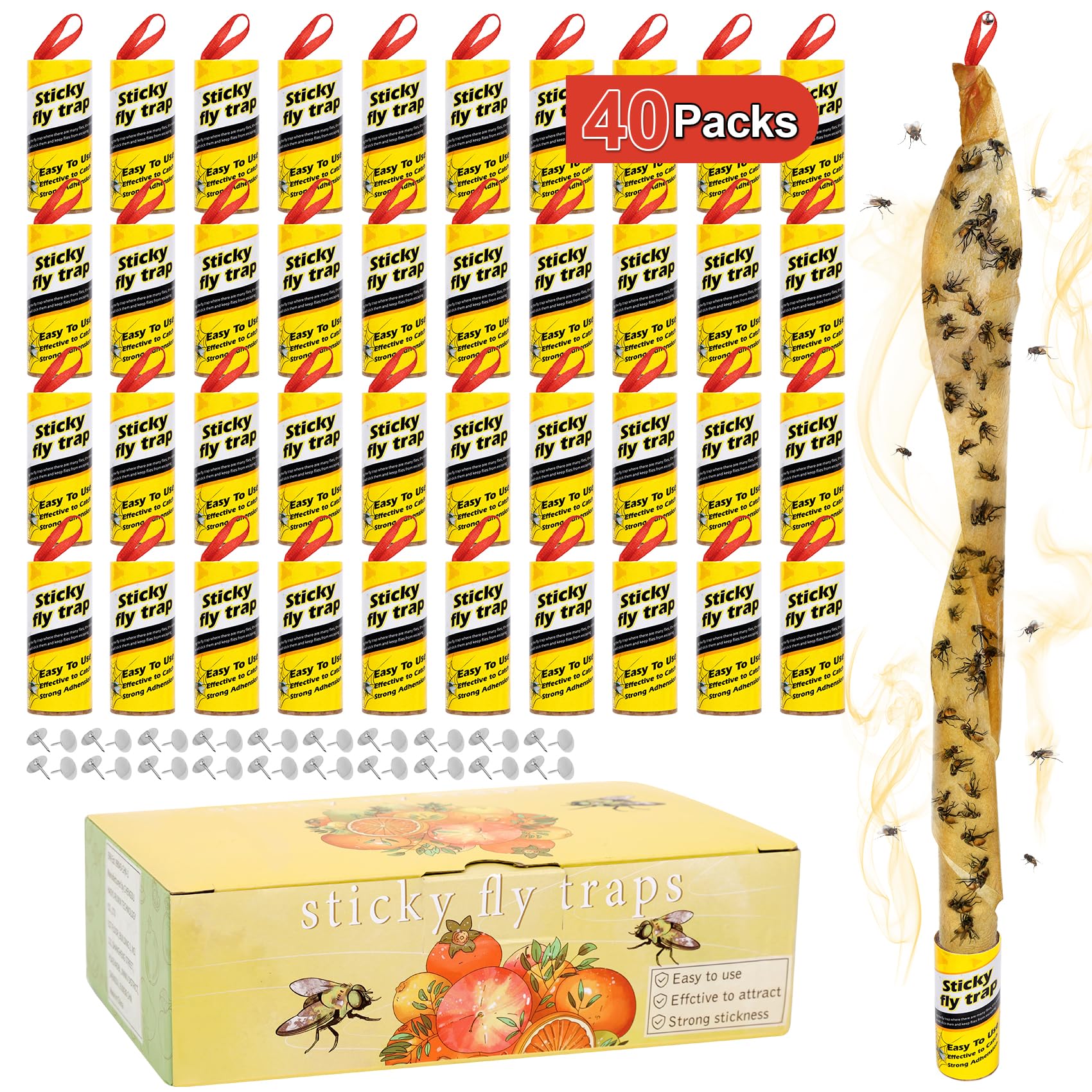
Credit: www.amazon.com
Preventing Future Incidents
It’s always better to avoid sticky messes than to fix them. Here’s how to keep your cat safe:
Safer Pest Control
- Keep fly paper out of reach: Hang it in rooms cats can’t access, or inside cupboards.
- Try alternatives: Use window screens, electric fly traps, or safe sprays.
- Seal garbage: Flies breed in trash, so keep lids tight.
Cat-proofing Tips
- Block high shelves: Cats love to jump; block access to areas with fly paper.
- Supervise new products: When adding new pest control, watch your cat for a few days.
Learn From Experience
If your cat got stuck once, they might do it again. Make changes now to avoid repeat accidents.
Common Mistakes To Avoid
Many owners make well-meaning mistakes that actually make things worse. Watch out for these:
- Using harsh chemicals: Products like acetone or turpentine can poison or burn your cat.
- Pulling on the glue: This tears fur and skin, causing pain and possible infection.
- Bathing before oil: Water alone doesn’t remove sticky glue and may spread it.
- Panicking: Rushing or yelling stresses your cat, making removal harder.
- Ignoring aftercare: Not checking for skin problems can lead to bigger health issues.
The safest path is always gentle, patient, and informed.
Real-world Example: What One Cat Owner Did
Sarah, a cat owner from Oregon, found her tabby, Milo, with fly paper stuck to his flank. She panicked at first but remembered reading about vegetable oil. She wrapped Milo in a towel, applied olive oil gently, and waited five minutes.
The glue softened, and she combed most of it out. Some stubborn bits remained, so she trimmed a small patch of fur. After a gentle wash, Milo was back to his playful self. Sarah checked the area for a week—no irritation or hair loss.
Sarah’s experience shows that staying calm and using safe products makes all the difference.
Fly Paper Glue Vs. Other Sticky Substances
Not all sticky messes are the same. Here’s a look at how fly paper glue compares to other common adhesives your cat might encounter:
| Substance | Main Risk | Removal Method | Special Note |
|---|---|---|---|
| Fly Paper Glue | Toxicity, matting | Vegetable oil, vet if severe | Avoid harsh chemicals |
| Chewing Gum | Matting, choking if swallowed | Vegetable oil, ice to harden | Clip if needed |
| Glue Trap Adhesive | Toxic, very sticky | Vegetable oil, vet for large areas | High risk—call vet for eyes/mouth |
| Tree Sap | Matting, skin irritation | Vegetable oil, pet-safe wipes | Trim if needed |
While the removal basics are similar, always check the product label or contact your vet if you’re unsure.
Understanding Cat Stress During Removal
Many cats hate being held or handled, especially when already scared. Here’s how you can reduce stress:
- Work in short sessions: If your cat is upset, take breaks and try again later.
- Use calm voices and slow movements: Loud noises or quick actions make cats panic.
- Offer high-value treats: Food can distract and comfort your cat.
- Keep other pets away: This prevents fights or added stress.
If your cat becomes aggressive or very fearful, stop and ask your vet for advice.
When To Call The Vet: Red Flags
Some situations are too risky for home treatment. Call your vet if:
- Glue is near the eyes, mouth, ears, or genitals
- Your cat is drooling, vomiting, or acting confused
- You see raw or bleeding skin
- Your cat is elderly, sick, or a kitten (they have more sensitive skin)
- You can’t remove the glue after 30 minutes
Vets can safely sedate, treat, and soothe your cat.
The Cost Of Veterinary Removal
Many owners worry about vet bills. Here’s a rough guide to what you might expect:
| Service | Estimated Cost (USD) | What’s Included |
|---|---|---|
| Simple Glue Removal | $50–$100 | Examination, removal, aftercare advice |
| Sedation Needed | $150–$300 | Light sedation, removal, exam |
| Infection Treatment | $200–$500 | Antibiotics, follow-up, possible tests |
Prices vary by region and clinic. Pet insurance may cover some costs. For more on pet emergencies, the American Veterinary Medical Association offers helpful advice.
Non-obvious Insights For Owners
Many guides focus on the basics, but here are a few details even experienced owners might overlook:
- Check for hidden glue: Sometimes glue gets stuck between the toes or under the tail. Gently inspect your cat after removal.
- Watch for delayed reactions: Some skin irritation or hair loss appears a day or two after cleaning. Monitor for at least a week.
- Document the incident: Take photos of the glue and cleaned area. This helps your vet track healing or spot complications later.
- Teach family members: Make sure everyone in your home knows not to use fly paper or where it’s safe to hang.

Credit: www.reddit.com
Frequently Asked Questions
Can I Use Peanut Butter To Remove Fly Paper Glue From My Cat’s Fur?
Peanut butter is sometimes suggested for removing sticky substances, but it’s not ideal for cats. Many peanut butters contain salt, sugar, or even xylitol, which is toxic to cats. Stick with vegetable oil or cat-safe degreasers instead.
What If My Cat Licked Some Fly Paper Glue?
If you think your cat has licked or eaten fly paper glue, call your vet right away. Some glues contain toxic chemicals, and even “non-toxic” versions can upset a cat’s stomach. Watch for drooling, vomiting, or behavior changes.
Is It Safe To Use Baby Oil On My Cat?
Baby oil is made from mineral oil, which is not safe if swallowed. Cats groom themselves and may ingest baby oil, causing digestive issues. Vegetable oils (olive, coconut, sunflower) are much safer for this purpose.
How Long Does It Take For Fur To Regrow After Glue Removal?
Fur regrowth depends on your cat’s health and the size of the trimmed area. Most cats regrow fur in 2–6 weeks. If you see bald spots after two months, or the skin is damaged, contact your vet.
Can I Use Fly Paper In A Home With Cats?
It’s possible, but you must hang fly paper well out of reach—higher than cats can jump or climb. Consider safer alternatives like electric traps or sealed sticky pads. Always check for safe pest control options in multi-pet homes.
Dealing with sticky fly paper glue is never fun, but with calm, safe methods, you can help your cat through it. Remember: gentle patience and the right products are your best tools. If in doubt, your veterinarian is always the best source of help. With these steps, you can keep your cat clean, comfortable, and far from sticky trouble.