
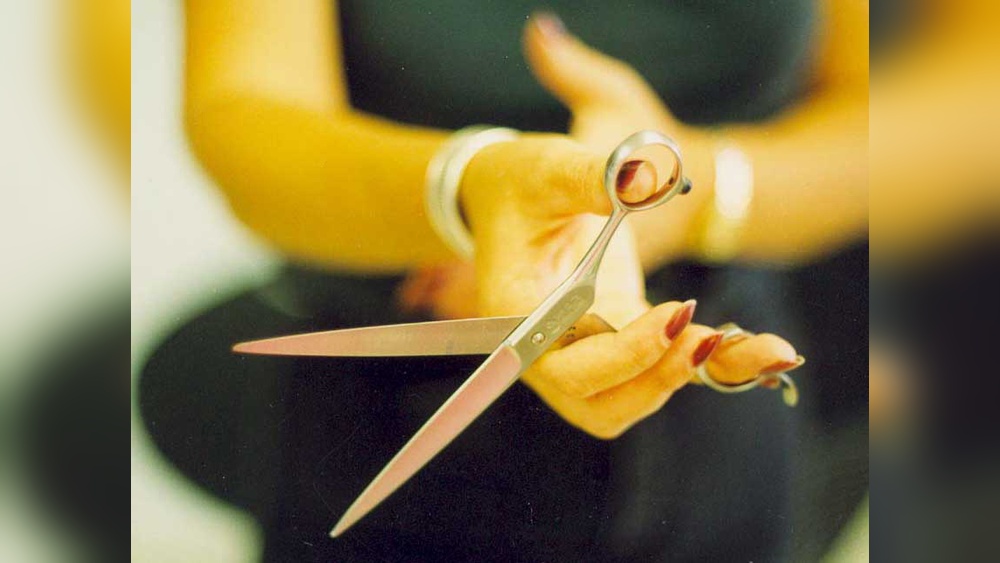
Dog grooming is more than just keeping your pet clean. It’s an art and a science that helps dogs look their best, feel comfortable, and stay healthy. If you’ve ever admired a perfectly trimmed poodle or a neatly finished schnauzer, you’ve seen the results of a skillful grooming technique called scissoring. Scissoring is one of the most advanced methods in dog grooming, but it’s also one of the most misunderstood. Many pet owners and even some beginner groomers are unsure what scissoring is, why it matters, and how it’s different from using clippers or blades.
This article will guide you through everything you need to know about scissoring in dog grooming. We’ll explore what scissoring means, why it’s used, what types of dogs benefit from it, the tools and methods involved, and how it compares to other grooming techniques.
You’ll also learn about the challenges, common mistakes, and practical tips for better results. Whether you’re a pet owner curious about your dog’s next haircut or a grooming student aiming to master your skills, this guide will give you a clear understanding of scissoring in the world of dog grooming.
What Is Scissoring In Dog Grooming?
Scissoring in dog grooming refers to the technique of using grooming scissors or shears to shape, trim, and finish a dog’s coat by hand. Unlike clipper work, where electric tools cut hair quickly and evenly, scissoring allows for detailed styling, fine shaping, and a soft, natural finish. Skilled groomers use different types of scissors to create smooth lines, blend coat lengths, add volume, or shape the fur according to breed standards or the owner’s preference.
Scissoring is often considered an advanced grooming skill. It requires a steady hand, an artistic eye, and a strong understanding of dog anatomy and coat types. The results can range from subtle blending to dramatic, sculpted styles. Many show dogs and high-maintenance breeds are finished with scissoring because it offers a level of precision and beauty that clippers can’t match.
Key Points Of Scissoring
- Handcrafted finish: Each cut is made by hand for maximum control.
- Custom shapes: Allows for unique styling to fit the dog’s body and coat.
- Soft texture: Leaves the coat fluffy and natural-looking, not harsh or choppy.
- Breed standards: Essential for meeting the official appearance of many purebreds.
Why Is Scissoring Important?
Scissoring is not just about looks. It also impacts a dog’s comfort, health, and even confidence (yes, dogs notice when they look good!). Here are some reasons why scissoring is a critical part of professional dog grooming.
Precision And Aesthetics
Some breeds have specific requirements for coat length, shape, or texture. Clippers can create harsh lines or an uneven finish, while scissoring creates smooth transitions and precise contours. For dogs competing in shows, scissoring can make the difference between winning and losing.
Coat Health
Scissoring helps remove split ends and dead hair without taking off too much length. It’s less likely to irritate sensitive skin compared to clippers. For dogs with thick, curly, or double coats, scissoring can keep the fur healthy and manageable.
Comfort And Safety
In tricky areas like the face, feet, or tail, scissoring provides more control and reduces the risk of nicks or injuries. It’s also the safest way to trim around delicate areas such as the eyes, ears, and paw pads.
Customization
Every dog is different. Scissoring allows the groomer to adjust for uneven growth, body shape, or special needs. It’s the best way to enhance a dog’s natural beauty or correct small flaws.
Professional Standards
Many grooming competitions and breed clubs require scissoring for certain looks. Mastering this technique sets professional groomers apart and opens doors to higher-level work.
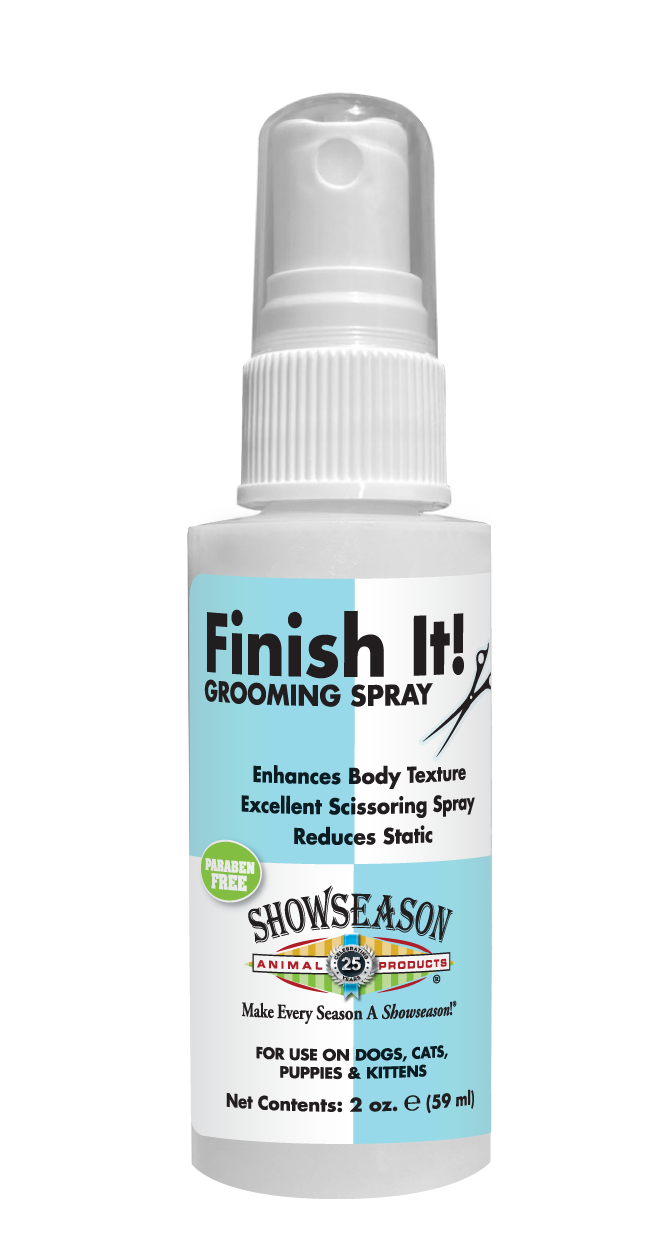
Credit: www.showseasongrooming.com
Common Breeds That Require Scissoring
Not all dogs need scissoring, but some breeds are famous for their scissored styles. These dogs have coats that are best shaped and finished by hand.
Here are ten popular breeds where scissoring plays a major role:
- Poodle: All sizes, especially in show clips.
- Bichon Frise: For their signature round, puffy look.
- Bedlington Terrier: Sculpted lamb-like style.
- Portuguese Water Dog: Rounded, flowing shapes.
- Kerry Blue Terrier: Soft, blended finish.
- Old English Sheepdog: Shaped but still fluffy.
- Schnauzer (Miniature, Standard, Giant): Face and legs are often scissored.
- Cocker Spaniel: Feathering on legs and ears.
- Lhasa Apso: Long, flowing coat needs shaping.
- Shih Tzu: Custom pet styles or show trims.
Some mixed breeds and designer dogs (like Labradoodles and Goldendoodles) also need regular scissoring for a tidy, stylish look.
Scissoring Vs. Clipping: What’s The Difference?
Many dog owners wonder why they can’t just use clippers everywhere. Understanding the differences helps you choose the right method for your dog.
| Aspect | Scissoring | Clipping |
|---|---|---|
| Tool | Scissors/Shears | Electric Clippers |
| Finish | Soft, natural, blended | Even, uniform, sometimes harsh |
| Detail Level | High, artistic shaping | Basic, less flexible |
| Speed | Slow, precise | Fast, efficient |
| Best For | Show styles, thick/curly coats, finishing touches | Short cuts, matted coats, maintenance trims |
Scissoring is ideal for detail work and shaping, while clippers are better for quick, even cuts. Many groomers use both in combination, starting with clippers and finishing with scissors.

Credit: www.amazon.com
Types Of Scissors Used In Dog Grooming
Not all scissors are the same. Groomers use several types of shears to achieve different effects. Understanding these tools is essential for quality scissoring.
Straight Shears
These are the most basic grooming scissors. They have straight blades and come in different lengths, usually from 6 to 10 inches. Straight shears are used for general cutting, creating sharp lines, and shaping large areas.
Curved Shears
Curved shears have a gentle bend, making them perfect for creating rounded shapes on the head, feet, or tail. They help blend layers and soften harsh lines, especially on breeds like Bichons or Poodles.
Thinning Shears
Also known as blenders or chunkers, these have one serrated blade and one straight blade. Thinning shears remove bulk without creating hard lines. They’re used for blending, softening, and fixing uneven spots.
Finishing Shears
Finishing shears are extra sharp and finely balanced, designed for the last steps. They help achieve a polished look and are often lighter for easy handling.
| Scissor Type | Main Use | Typical Length |
|---|---|---|
| Straight Shears | Basic shaping, straight lines | 6″–10″ |
| Curved Shears | Rounded shapes, blending curves | 6″–8.5″ |
| Thinning Shears | Blending, removing bulk | 6″–7.5″ |
| Finishing Shears | Final touch, fine details | 7″–8″ |
Specialty Shears
Some dogs or styles require unique tools, such as extra-long shears, micro-serrated blades, or left-handed scissors. Choosing the right tool improves both safety and results.
How Scissoring Is Done: The Basic Steps
Professional scissoring is more than just snipping away. Each step is planned for safety, comfort, and style.
1. Prep The Coat
- Wash and dry the dog thoroughly. Clean, fluffy hair is much easier to scissor.
- Brush out all tangles and mats. Scissoring over mats can damage tools and hurt the dog.
- Comb the coat in the direction of growth to straighten and separate the hairs.
2. Plan The Cut
- Study the dog’s anatomy and coat growth.
- Decide on the style (breed standard, pet trim, or custom).
- Visualize the finished shape before starting.
3. Rough Cutting
- Start with longer shears for large areas.
- Use straight shears to remove excess length.
- Work in small sections for better control.
4. Shaping And Blending
- Switch to curved or thinning shears to blend transitions.
- Shape the legs, head, and tail using the natural curves of the body.
- Constantly comb and check for symmetry.
5. Detailing
- Use finishing shears for delicate areas like the face, feet, and ears.
- Trim carefully around the eyes and pads.
- Smooth out any uneven patches.
6. Final Check
- Step back and view the dog from all sides.
- Make small adjustments for evenness and flow.
- Reward the dog for good behavior and patience.
Advanced Techniques And Artistic Styles
Scissoring can be as simple or as creative as you want. In advanced grooming, scissoring is used to create unique or dramatic styles that highlight a dog’s best features.
Asian Fusion
This modern style uses scissoring to create cute, rounded faces and teddy bear looks, often on small breeds like Shih Tzu or Yorkshire Terrier. It’s popular in pet salons for its playful, youthful effect.
Breed Standard Show Cuts
Every show breed has a defined look. For example, a Poodle Continental Clip or a Bichon Frise show trim relies heavily on perfect scissoring for shape and symmetry.
Creative Grooming
Some groomers use scissoring for sculpted shapes, patterns, or even artistic designs. While not for everyone, these styles show the highest level of skill.
Blending And Layering
Experienced groomers use scissoring to blend different coat lengths, layer fur for volume, or thin out heavy areas without leaving marks. This is essential for mixed-breed dogs with unpredictable coats.
Tools And Equipment Needed For Scissoring
A good result starts with the right tools. Here’s what every groomer needs for effective scissoring:
- Professional grooming shears: At least one straight, one curved, and one thinning.
- Fine-toothed comb: To lift and separate hair for even cutting.
- Grooming table: Keeps the dog stable and at a comfortable height.
- Spray bottle: Dampen flyaway hairs for better control.
- Clipper and blades: For rough work before scissoring, if needed.
- Blade oil and scissor lubricant: Keeps tools sharp and smooth.
- Nail scissors and ear powder: For finishing touches on sensitive areas.
- Protective case: Keeps scissors safe and sharp.
Investing in high-quality tools makes a big difference. Cheap shears can pull or bend hair and are harder to control. Many professionals recommend Japanese or German-made grooming scissors for durability and performance.
Key Skills For Mastering Scissoring
Scissoring takes practice and patience. Here are the main skills required to become proficient:
Hand Control
Steady hands are essential. Groomers learn to cut with their thumb and ring finger, keeping their grip relaxed but controlled.
Eye For Balance
A good groomer develops a sense of symmetry and proportion. This ensures both sides of the dog match and the finished shape looks balanced from all angles.
Coat Knowledge
Understanding different coat types (curly, straight, double, fine, thick) helps groomers choose the right technique and tools.
Dog Handling
Keeping the dog calm and still is half the battle. Groomers must know how to reassure and position dogs for safe, accurate scissoring.
Artistic Judgment
Scissoring is as much art as science. Groomers decide how much to take off, where to add volume, and how to highlight a dog’s best features.
Common Mistakes And How To Avoid Them
Even experienced groomers can make mistakes. Here are some common problems and tips for better scissoring.
Cutting Unevenly
Rushing or poor hand control can lead to jagged lines or uneven length. Always comb the hair up and out, cut small amounts, and check your work from different angles.
Leaving Scissor Marks
Visible lines or “steps” happen when the blades close too hard or don’t blend properly. Use thinning shears to soften these marks, and cut with the tips, not the middle, of the scissors.
Over-scissoring
Taking off too much hair can ruin the style and take months to grow back. Trim a little at a time, especially on the face and legs.
Using Dull Scissors
Blunt blades pull hair, cause discomfort, and leave rough edges. Sharpen your scissors regularly and replace them if they get damaged.
Ignoring The Dog’s Comfort
Long sessions or poor handling can stress the dog. Take breaks, use gentle restraint, and reward calm behavior.
Safety Tips For Scissoring
Scissoring is safe when done correctly, but there are real risks if you’re not careful.
- Always keep scissor points away from the dog’s eyes and skin.
- Never scissor over loose skin or folds.
- Use your fingers as a guide to protect sensitive areas.
- Keep your tools clean and disinfected.
- If the dog struggles, stop and calm them before continuing.
Many accidents happen when the groomer loses focus or tries to rush. Patience and attention to detail are your best safety tools.
How To Practice And Improve Scissoring Skills
Scissoring takes time to master. Here are some ways to get better, whether you’re a beginner or looking to advance.
Practice On Stuffed Animals Or Wigs
Before working on real dogs, use a stuffed toy or a wig to learn hand movements and grip.
Watch Professional Groomers
Videos and live demonstrations from certified groomers can show you real-world techniques and tricks.
Attend Workshops
Many grooming schools and expos offer hands-on scissoring classes. These are a great way to learn from experts.
Start With Easy Styles
Begin with simple trims before attempting complex breed cuts. Focus on getting the lines smooth and the lengths even.
Get Feedback
Ask experienced groomers or instructors to review your work. Honest feedback is the fastest way to improve.
Track Your Progress
Take before-and-after photos to see your improvement over time.
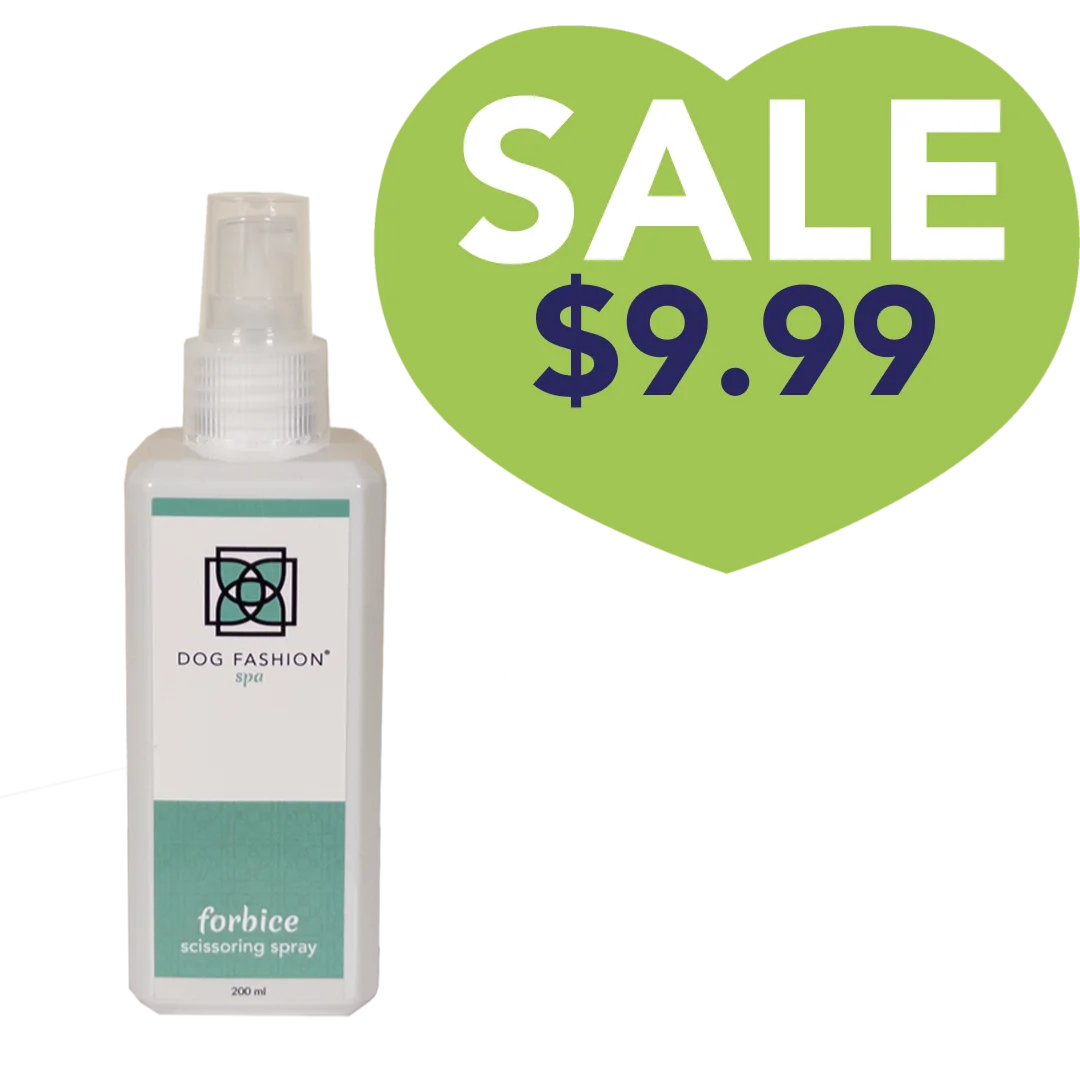
Credit: www.petstore.direct
Scissoring For Pet Owners: Should You Try It At Home?
Scissoring is best left to professionals, but some pet owners want to maintain their dog’s look between appointments. If you want to try at home, keep these points in mind:
- Use only pet-safe grooming scissors, never household scissors.
- Start with small touch-ups, like trimming around the eyes or feet.
- Work slowly and stop if the dog becomes anxious.
- Never attempt a full scissor cut on a moving or nervous dog.
If your dog has a difficult coat or a complex style, it’s safer and easier to visit a professional. Home trims should be limited to simple touch-ups.
The Cost Of Professional Scissoring
Professional scissoring is more expensive than a basic clipper cut. Prices depend on the dog’s size, coat type, style, and location.
| Dog Size/Coat | Basic Clipper Cut | Full Scissor Style |
|---|---|---|
| Small (Bichon, Toy Poodle) | $40–$60 | $65–$100 |
| Medium (Cocker Spaniel, Mini Schnauzer) | $50–$75 | $80–$130 |
| Large (Standard Poodle, Old English Sheepdog) | $70–$100 | $120–$200 |
Scissoring costs more because it takes more time and skill. However, the results last longer and look more polished. Many owners feel the extra investment is worth it for a happy, healthy, and handsome dog.
When Should Scissoring Be Avoided?
Scissoring is not always the best choice. Avoid scissoring in these situations:
- Severely matted coats: Clippers are safer and less painful.
- Aggressive or anxious dogs: Safety comes first.
- Very short styles: Clippers are faster for “puppy” or “summer” cuts.
- Medical skin issues: Consult your vet before any grooming.
If you’re unsure, ask a professional groomer for advice.
Non-obvious Insights For Better Scissoring
Many beginners miss these important but less obvious points:
- Scissor Tension Matters: The screw or tension system on your shears affects how smoothly they cut. Too loose, and the blades separate; too tight, and you’ll tire your hand quickly. Test tension before every session.
- Work With the Coat’s Grain: Cutting against the coat growth can create odd lines and choppiness. Always check the direction of hair growth and adjust your angle accordingly.
- Lighting Is Critical: Good lighting (natural or daylight bulbs) helps you see uneven spots and subtle differences in length. Many grooming salons use overhead and side lights for this reason.
The Future Of Scissoring In Dog Grooming
While new tools and technologies appear every year, the art of scissoring remains at the heart of advanced dog grooming. Some trends to watch include:
- Ergonomic shears for less hand fatigue.
- Hybrid tools that combine scissoring and thinning in one.
- Online training and certification for groomers worldwide.
- 3D coat mapping using apps to plan cuts before starting.
Despite these changes, the basics of scissoring—patience, skill, and a love of dogs—will always matter most.
Frequently Asked Questions
What Is The Main Purpose Of Scissoring In Dog Grooming?
The main purpose of scissoring is to create a smooth, natural, and customized finish on a dog’s coat. It allows groomers to shape and blend hair in ways that clippers can’t, achieving breed-specific looks or unique pet styles.
Is Scissoring Safe For All Dogs?
Scissoring is safe for most dogs, but not for those with severe mats, aggressive behavior, or certain skin problems. Always consult a professional if you’re unsure, and never force a nervous dog to be scissored.
How Often Should My Dog Be Scissored?
It depends on the breed, coat type, and style. Most dogs needing scissoring benefit from a trim every 4–8 weeks. Regular brushing at home will keep the coat in good shape between appointments.
Can I Learn To Scissor My Dog At Home?
You can learn basic touch-ups, like trimming around the eyes or feet, but full scissoring styles require practice and experience. Beginners should watch professional videos, practice on safe materials, and always use proper grooming scissors.
Where Can I Find More Information On Dog Grooming Techniques?
For more detailed guides and professional tips, visit reputable resources like the Wikipedia Dog Grooming page.
Dog grooming is both a science and an art, and scissoring is where skill meets creativity. Whether you’re a pet owner or a groomer, understanding and appreciating the craft of scissoring will help you keep dogs looking and feeling their best.
With patience, the right tools, and a focus on safety, scissoring can transform your dog’s appearance and add a touch of elegance to every grooming session.