
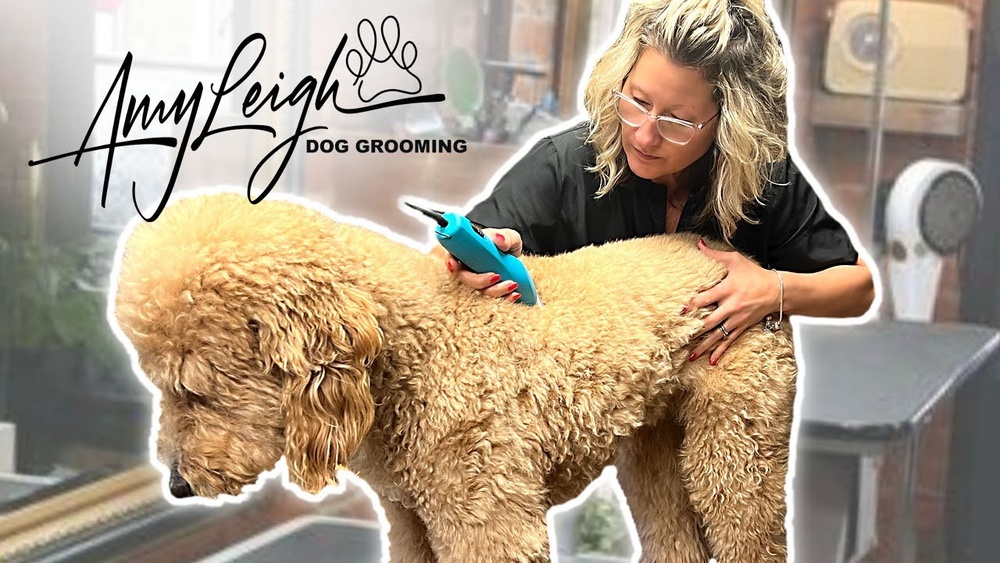
Can You Use Hair Trimmers On Dogs
Trimming your dog’s fur at home is a practical way to save money and keep your pet comfortable. You might wonder, “Can you use hair trimmers on dogs? ” If you already own human hair clippers, it’s tempting to try them on your furry friend.
But before you plug in your trimmer, it’s important to understand the differences between human and dog clippers, the risks, and when using a hair trimmer on your dog might be safe—or a very bad idea.
Many people think any electric trimmer can handle pet hair. But dogs’ coats are different from human hair, and making the wrong choice can lead to poor grooming results, stressed pets, or even injuries. In this guide, you’ll discover the key differences between human and dog hair trimmers, when you can (and can’t) use them, safety tips, and how to make the grooming process comfortable for both you and your dog.
Whether you’re a first-timer or just want to avoid common mistakes, you’ll find clear, practical answers here.
Understanding The Difference: Human Vs. Dog Hair Trimmers
Before you use a trimmer on your dog, it helps to know how dog hair and human hair differ—and why the tools designed for each are not the same.
Human Hair Trimmers
Human hair trimmers are made for fine, straight, or wavy hair. They are designed to cut softer hair and operate at a lower speed. The blades are often closer together, and the motor is not made for thick, coarse, or tangled hair. Most home hair trimmers are not built to run for long periods without overheating.
Dog Hair Clippers
Dog clippers are designed to handle fur, which is often thicker, coarser, and sometimes curly or double-layered. The blades are wider apart to avoid clogging and to cut through mats and tangles. Dog clippers have stronger motors that can run longer and don’t overheat as quickly.
Key Differences At A Glance
Here is a quick comparison between human and dog hair trimmers:
| Feature | Human Hair Trimmers | Dog Hair Clippers |
|---|---|---|
| Blade Type | Fine, close-set | Wider, spaced blades |
| Motor Power | Lower, designed for soft hair | Higher, handles thick fur |
| Heat Buildup | Heats up quickly | Stays cooler longer |
| Noise Level | Moderate to high | Often quieter |
| Suitability for Mats | Poor | Good |
Insight: Many beginners don’t realize that using the wrong trimmer can cause the blades to pull hair, making grooming painful for your dog.
Can You Use Human Hair Trimmers On Dogs?
The short answer is: sometimes, but rarely recommended. Human trimmers can be used on some dogs, but only in very specific cases. If your dog has very fine, short hair without mats or tangles, a human trimmer may work for a simple touch-up. However, there are important risks and limitations.
When Might It Be Safe?
- Your dog has a single, fine coat (like a Chihuahua).
- The area to trim is small (such as paws or face).
- You use a sharp, clean blade and go very slowly.
- The trimmer does not heat up quickly.
When Is It Unsafe Or Ineffective?
- Your dog has a thick, double, or curly coat.
- There are mats or tangles in the fur.
- You need to trim a large area.
- Your trimmer heats up fast (can burn your dog’s skin).
- Your dog is sensitive to noise or vibration.
Practical example: A human trimmer might work for a quick clean-up of a Yorkie’s feet, but it will struggle with a Golden Retriever’s thick fur.
Risks Of Using Human Hair Trimmers On Dogs
Choosing the wrong tool can lead to real problems. Here’s what can go wrong:
- Overheating: Human trimmers heat up quickly. Because dogs’ skin is thinner, this heat can cause burns—sometimes without you noticing right away.
- Dull Blades: Human blades are not designed for coarse fur, so they dull fast. Dull blades pull hair instead of cutting, which can hurt your dog.
- Loud Noise and Vibration: Many human trimmers are noisy and vibrate more. This can make your dog nervous or scared, making the grooming experience stressful for both of you.
- Uneven Cuts: Because the blade spacing is tighter, human trimmers can leave choppy, uneven results on dog fur.
- Injury Risk: If the trimmer jams or pulls, it can cause nicks, cuts, or even serious wounds.
Non-obvious insight: Even if the trimmer feels warm but not hot to you, a dog’s skin is more sensitive and can get burned at lower temperatures.
Why Are Dog Trimmers Designed Differently?
Dog clippers are specialized for a reason. Here’s what makes them better for pets:
- Cooling Technology: Many have venting or ceramic blades to reduce heat.
- Quiet Motors: Designed to reduce noise and vibration, lowering stress for your dog.
- Variety of Blades: Dog clippers have interchangeable blades for different coat types.
- Designed for Longevity: They can run for long grooming sessions without breaking down.
Example: Professional groomers use dog clippers because they know they can safely handle all coat types for hours without overheating or jamming.
Types Of Dog Fur And What They Need
Dog breeds have many coat types. Understanding your dog’s fur helps you choose the right tool.
Single-coated Dogs
Dogs like Greyhounds and Dalmatians have a single layer of fine hair. These coats are easier to trim, but still, a dog trimmer works better.
Double-coated Dogs
Breeds such as Golden Retrievers and Huskies have a soft undercoat and a tougher topcoat. These coats can clog human trimmers fast.
Curly Or Wavy Coats
Poodles and Bichon Frise have curly, dense coats. These need powerful, dog-specific clippers to avoid mats and tangles.
Wire-haired Breeds
Terriers and similar breeds have coarse, wiry fur that wears out human trimmer blades rapidly.
Non-obvious insight: Some mixed-breed dogs have unpredictable fur types. Always check your dog’s coat before choosing a tool.
Real-world Results: Human Vs. Dog Trimmers
To see the difference, here’s what often happens when you use each type on a dog with a medium coat:
| Test | Human Trimmer Result | Dog Trimmer Result |
|---|---|---|
| Speed | Slow, jams often | Fast, smooth cut |
| Finish | Patchy, uneven | Even, professional look |
| Comfort | Dog squirms or yelps | Dog stays calmer |
| Blade Heat | Hot after 5-10 min | Cooler for 20+ min |
Takeaway: Even if you’re careful, human trimmers almost always lead to more stress and less effective grooming.

Credit: www.amazon.com
How To Use Human Hair Trimmers On Dogs (if You Must)
If you have no other option and must use a human hair trimmer, here’s how to do it as safely as possible:
- Check the Blade: Make sure it’s sharp and clean. A dull blade will pull hair.
- Test on a Small Area: Try trimming a small patch to see how your dog reacts.
- Keep Sessions Short: Stop every 5 minutes to check blade heat. If it’s warm, let it cool.
- Go Slowly: Move the trimmer slowly and gently to reduce pulling.
- Avoid Mats: Never use a human trimmer on tangled fur—brush out all mats first.
- Use Guards: If your trimmer has length guards, use them to avoid cutting too close.
- Watch Your Dog: If your dog is stressed or uncomfortable, stop immediately.
Practical tip: Place the back of your hand on the blade every few minutes. If it feels more than slightly warm, give your dog a break.
Essential Grooming Tips For Dog Owners
Even with the right tools, grooming at home can be tricky. Here are essential tips for a safe and stress-free experience:
Prepare Your Dog
- Brush out all tangles and mats before using any trimmer.
- Bathe and dry your dog first—wet fur is harder to cut.
- Let your dog sniff and hear the trimmer before starting.
Create A Calm Environment
- Use treats and praise to keep your dog relaxed.
- Groom in a quiet, comfortable space with good lighting.
Use The Right Technique
- Trim in the direction of hair growth.
- Start with longer guards and go shorter if needed.
- Keep the skin taut to avoid nicks, especially on loose or wrinkled areas.
Monitor Blade Heat
- Stop often and check the blade’s temperature.
- Have a cooling spray or extra blades on hand if you groom often.
Clean Up Properly
- Brush off loose hair and clean the trimmer after use.
- Store blades dry and oiled to prevent rust.
Common mistake: Many people rush the process. Taking your time keeps your dog comfortable and reduces accidents.
Signs You Should Stop And Get Professional Help
There are times when DIY grooming is not safe. If you notice any of these signs, stop and call a professional groomer or vet:
- Your dog is fearful, aggressive, or hard to control.
- The trimmer jams, pulls, or makes strange noises.
- You find wounds, rashes, or very sensitive skin.
- There are large mats or tangles you can’t remove.
- You feel unsure or nervous about continuing.
Sometimes a professional can do in 30 minutes what takes a beginner hours—with far less stress for your pet.
Choosing The Right Dog Clippers
If you decide to buy a dog trimmer, look for these features:
- Adjustable blades for different hair lengths
- Quiet motor for less stress
- Cordless option for easier movement
- Multiple guards for safety
- Easy cleaning and maintenance
Popular Dog Clipper Brands
Some trusted names include Andis, Wahl, and Oster. These brands are used by professionals and offer models for home use.
What Really Matters When Buying
- Your dog’s coat type: Thick, curly, or fine?
- Length of grooming sessions: Long hair needs a cooler, more powerful clipper.
- Your budget: Good dog clippers can cost from $30 to $200.
Buyer mistake to avoid: Don’t buy the cheapest model. Saving $20 can lead to stress, poor results, and even injury.
Grooming Myths: What Many Dog Owners Get Wrong
Many people believe myths that can cause problems for their pets. Here are some common ones:
- Myth 1: All trimmers are basically the same. (False—design differences matter.)
- Myth 2: Dogs with short hair don’t need clippers. (False—some still need touch-ups.)
- Myth 3: It’s okay to shave a double-coated dog in summer. (False—this can harm their natural temperature regulation.)
Practical example: Shaving a Husky can cause skin problems and won’t actually keep them cooler.
Alternatives To Using Hair Trimmers On Dogs
If you don’t have a dog trimmer, consider these options before using a human trimmer:
- Scissors with rounded tips: Good for small touch-ups (ears, paws).
- Hand stripping tools: For wire-haired breeds.
- Professional grooming: Sometimes the safest and most cost-effective.
- Mobile groomers: They come to your home, reducing stress for anxious dogs.
Example: For nervous or elderly dogs, a mobile groomer may be the least stressful choice.
How Grooming Affects Your Dog’s Health
Regular grooming is not just about looks—it’s about your dog’s well-being:
- Reduces matting: Mats can pull skin, cause pain, and trap dirt.
- Prevents skin infections: Clean, well-cut fur lets skin breathe.
- Lets you spot health problems: Early signs of lumps, ticks, or rashes are easier to see.
Statistic: According to the American Kennel Club, up to 80% of dogs with regular grooming have fewer skin problems compared to those rarely groomed.
Cost Comparison: Home Grooming Vs. Professional Services
Is it cheaper to groom at home? Here’s a rough comparison for a medium-sized dog:
| Expense | Home Grooming (per year) | Professional Grooming (per year) |
|---|---|---|
| Trimmer purchase | $50–$150 (one time) | — |
| Blades/Guards | $20–$40 | — |
| Grooming sessions | DIY | $50–$90 per session |
| Total (per year) | $70–$190 | $200–$600 (4–6 sessions) |
Takeaway: Home grooming saves money over time, but only if you use the right tools and techniques.
:strip_icc()/sps-dog-hair-clippers-test-andis-agc-22340-proclip-2-speed-detachable-blade-katie-macdonald-05-8c5f562949704e7da8709033a03c1b48.jpg)
Credit: www.thesprucepets.com
How To Make Home Grooming Less Stressful For Your Dog
Making grooming positive is as important as the tools you use:
- Start slow: Let your dog get used to the sound and vibration.
- Short sessions: Take breaks every few minutes.
- Use treats: Reward calm behavior.
- Stay calm yourself: Dogs sense your mood.
- Desensitization: Practice with the trimmer turned off at first.
Pro tip: End each grooming session with play or a favorite activity. This helps your dog associate grooming with positive experiences.
Signs Of A Good Grooming Session
You’ll know you’ve done a good job if:
- Your dog’s coat is even and neat.
- There are no nicks, cuts, or red spots.
- Your dog is relaxed, not anxious or fearful.
- The trimmer stayed cool throughout.
If not: Review your technique or consider upgrading your tools.
What To Do If You Accidentally Hurt Your Dog
Accidents can happen. If you nick or cut your dog’s skin:
- Stay calm: Dogs pick up on your stress.
- Clean the wound: Use mild antiseptic.
- Apply pressure: For bleeding, use a clean cloth.
- Monitor: Watch for infection (redness, swelling).
- See a vet: For deep wounds, or if you’re unsure.
Never ignore a wound, even if it seems minor. Dogs can lick and worsen injuries quickly.
Professional Groomer Or Home Grooming: Which Is Best?
Both options have pros and cons.
- Home grooming is cheaper and less stressful for some dogs, but requires time, practice, and the right equipment.
- Professional groomers know how to handle all coat types, spot health problems, and finish quickly.
For most dog owners, a mix works best: trim simple areas at home, use a pro for big jobs or tough coats.
External resource: For more on grooming safety, visit the American Kennel Club Dog Grooming Guide.
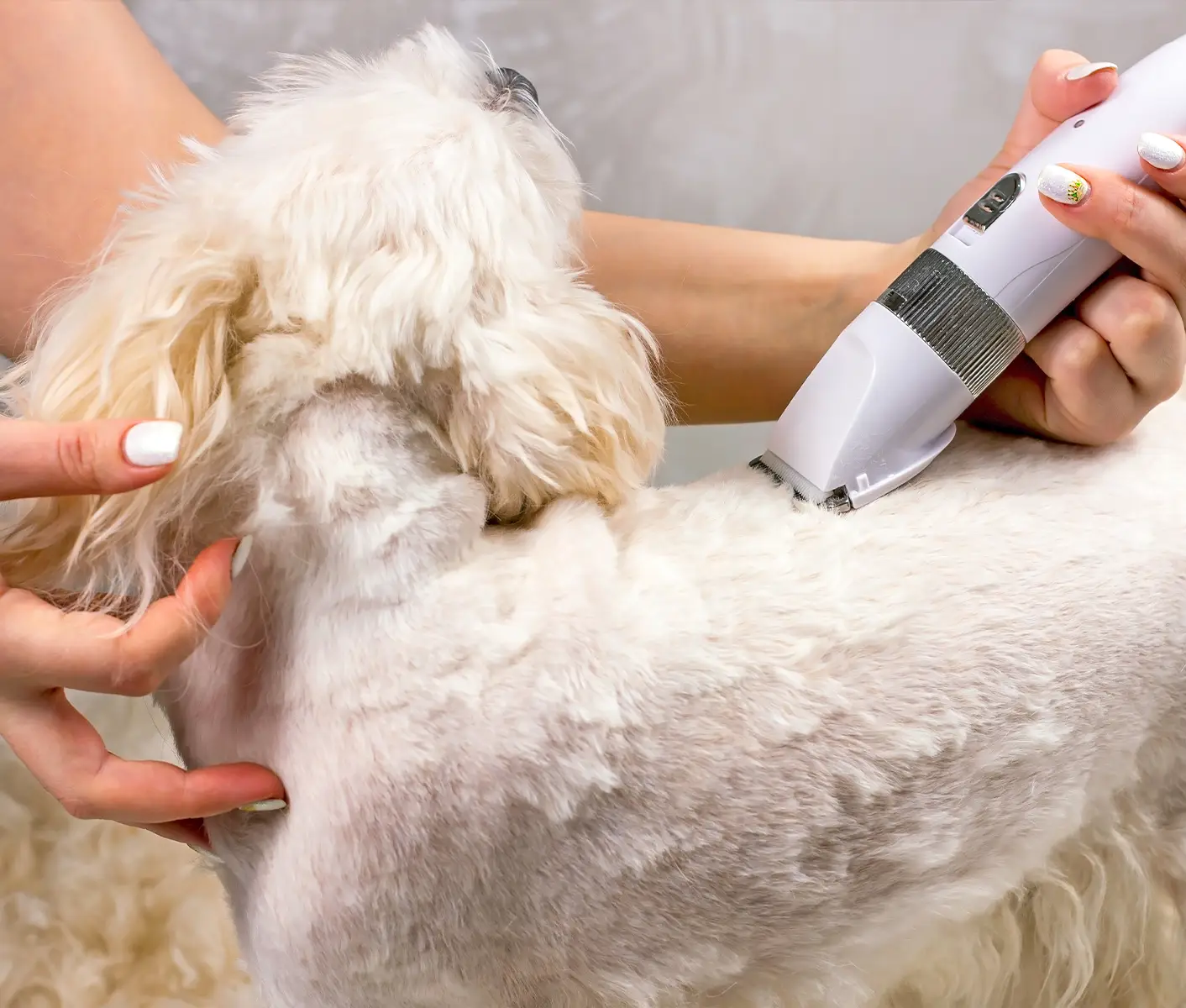
Credit: www.revivalanimal.com
Frequently Asked Questions
Can Human Trimmers Cause Burns On A Dog’s Skin?
Yes, human hair trimmers can heat up quickly and may cause burns on a dog’s sensitive skin, especially if used for more than a few minutes without breaks.
Is It Ever Okay To Use A Human Trimmer On A Dog?
It can be okay for very small areas on dogs with fine, short fur, but only if the blade is sharp, clean, and you check heat often. For most dogs, it’s not safe or effective.
What’s The Best Alternative If I Don’t Have Dog Clippers?
Use scissors with rounded tips for small touch-ups, or take your dog to a professional groomer. Avoid using dull or inappropriate tools.
How Can I Tell If My Dog Is Stressed During Grooming?
Look for signs like panting, whining, shaking, or trying to escape. If you see these, stop and give your dog a break.
How Often Should I Groom My Dog At Home?
It depends on breed and coat type, but most dogs benefit from a trim every 4 to 8 weeks. Regular brushing is needed in between trims.
Grooming your dog is more than just a chore—it’s a way to bond and keep your pet healthy. While it might be tempting to use human hair trimmers on your dog, the risks usually outweigh the benefits. Investing in the right dog clippers, being patient, and learning proper technique will make grooming safer and more enjoyable for both you and your furry friend.
If you’re ever unsure, professional help is just a call away. Your dog—and your peace of mind—are worth it.