

Are Deshedding Tools Safe For Dogs?
If you own a dog, you know how much hair can end up on your clothes, floor, and furniture. Many dogs shed, some a little and some a lot. You may have heard about deshedding tools—special brushes and combs made to remove loose fur and undercoat before it falls off around your home. But you might wonder, are these tools really safe for your dog? Can they hurt your pet’s skin or coat? And are there better ways to manage shedding?
Understanding the answers to these questions is important for any dog owner. Using the wrong tool or using it incorrectly can cause discomfort or even injury to your furry friend. But used properly, deshedding tools can help keep your dog’s coat healthy and your house cleaner.
This article will explain how these tools work, their safety, and how to use them for the best results. You’ll also learn what to avoid and how to pick the right tool for your dog’s breed and coat type.
What Are Deshedding Tools?
Deshedding tools are grooming devices designed to remove loose hair from a dog’s coat, especially the undercoat. Many dogs have a double coat: a soft, dense undercoat and a rougher outer coat. The undercoat is what sheds the most, especially in spring and fall. Deshedding tools are made to reach deep and gently pull out loose undercoat hair before it ends up on your floor.
There are several common types:
- Deshedding blades: These have a serrated edge and are often used for short- or medium-haired breeds.
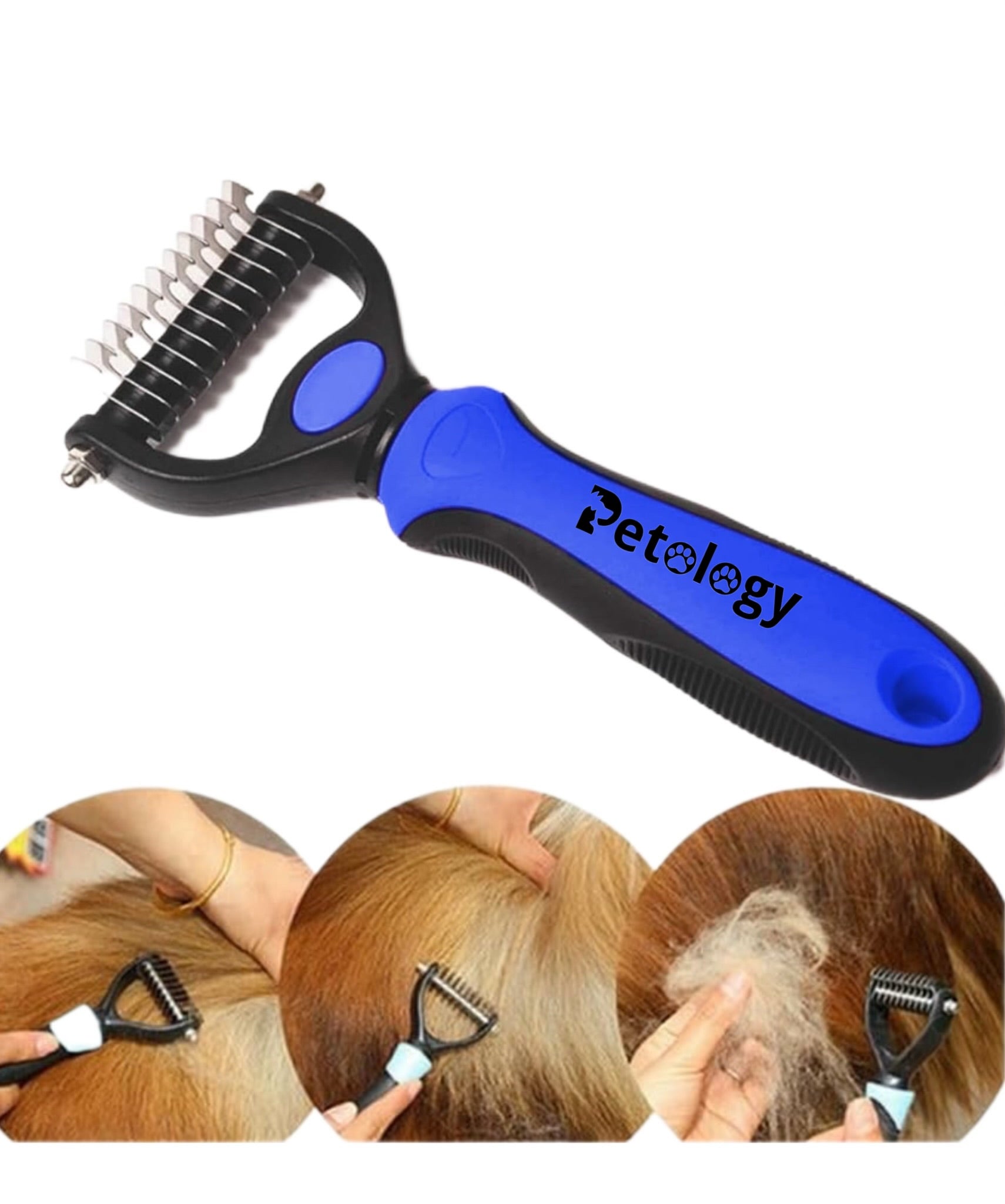
- Undercoat rakes: Shaped like a small rake, these have long teeth to reach deep into the coat.
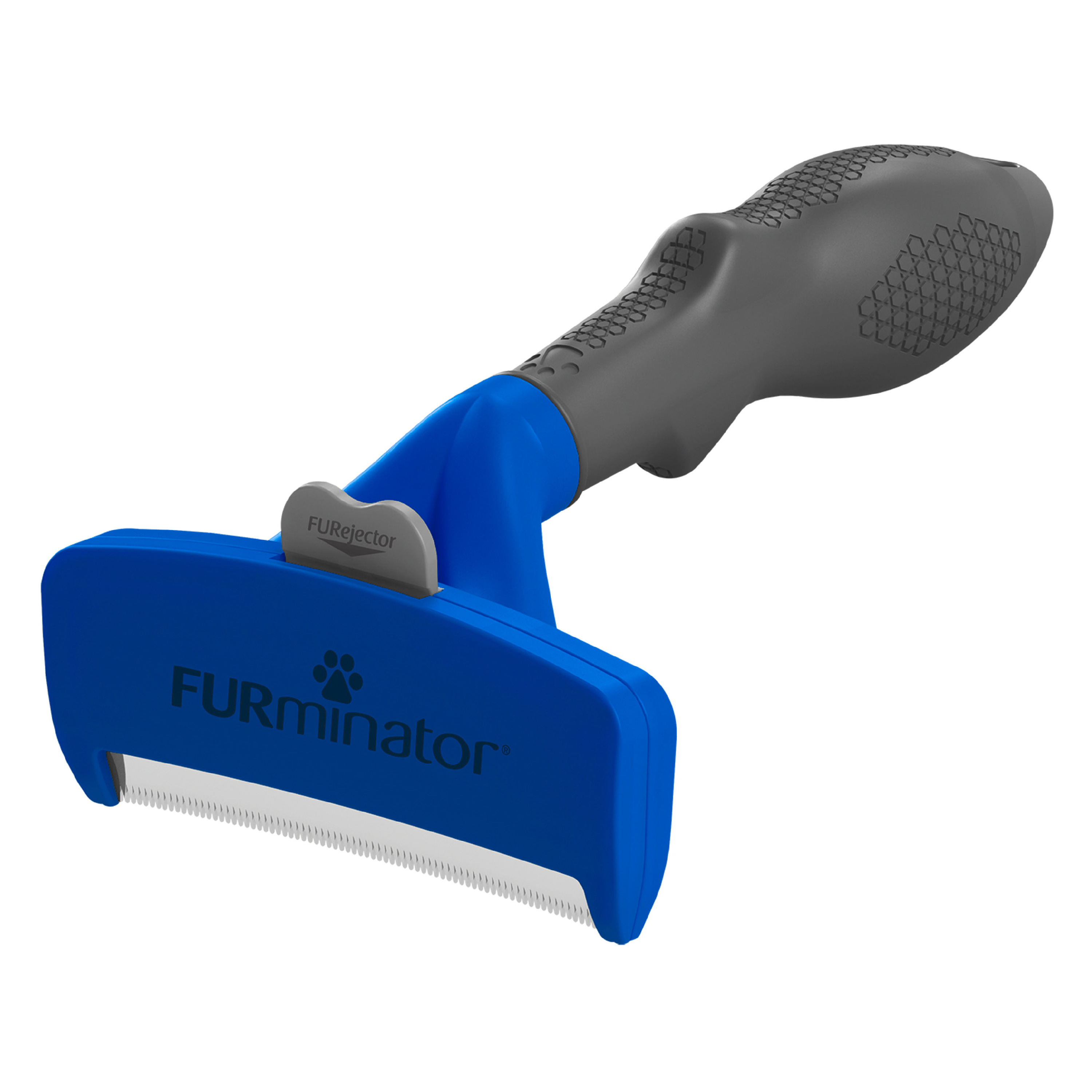
- Furminator-type tools: These have a row of metal teeth and are popular because they remove a lot of hair quickly.
- Slicker brushes: Not true deshedding tools but often used alongside them, these brushes have fine wire bristles for removing loose hair.
Not all grooming brushes are deshedding tools. Regular brushes often just smooth the topcoat, but deshedding tools target the hair that would otherwise fall out naturally.
Why Dogs Shed And Why It Matters
Shedding is a natural process for most dogs. How much a dog sheds depends on its breed, health, and environment. Breeds like Huskies, Golden Retrievers, and German Shepherds shed heavily, while Poodles and some terriers shed very little.
Shedding helps dogs get rid of old or damaged hair and adapt to changing seasons. For example, many breeds grow a thick coat for winter and lose it in warmer months. However, excessive shedding can be a sign of poor nutrition, stress, allergies, or underlying health issues.
For owners, shedding means lots of cleaning and the risk of hair matting, which can cause skin problems. Managing shedding keeps your dog comfortable and your home tidy.
How Deshedding Tools Work
Deshedding tools are designed to gently pull out loose hairs trapped in the undercoat without cutting or damaging the healthy topcoat. Here’s how they function:
- Metal teeth or blades: These catch loose hairs that are ready to come out, pulling them away with each stroke.
- Deep reach: Unlike regular brushes, deshedding tools reach beneath the outer coat.
- Pressure distribution: Good tools spread pressure evenly to avoid scratching or scraping the skin.
Most tools are used by gently brushing in the direction of the hair growth. Some, like rakes, work best in short strokes, while others, like Furminator tools, need slow, steady movement.
One non-obvious insight: deshedding tools don’t stop shedding—they help you control where the shed hair ends up. Instead of finding it all over your house, you collect it during grooming.
Are Deshedding Tools Safe? The Short Answer
In general, deshedding tools are safe for most dogs when used correctly. They are made to work with the structure of a dog’s coat, not against it. However, safety depends on several factors:
- Tool quality: Cheap or poorly made tools can have sharp edges or uneven teeth that scratch or cut the skin.
- Dog’s coat type: Some tools are better for certain breeds or coat textures.
- Technique: Pressing too hard or brushing for too long can irritate the skin.
Used as directed and with the right tool, most dogs tolerate deshedding well and may even enjoy it.

Credit: www.amazon.com
Potential Risks And How To Avoid Them
While deshedding tools are generally safe, there are some risks to be aware of:
1. Skin Irritation
If you apply too much pressure or go over the same area repeatedly, the tool can cause redness, irritation, or even scratches. Dogs with sensitive skin, short hair, or thin coats are most at risk.
How to avoid: Always use gentle pressure, brush in the direction of hair growth, and avoid going over one area too many times.
2. Cutting Or Damaging The Coat
Some tools, especially those with sharp blades, can cut healthy hair if used incorrectly. This can leave the coat looking uneven or thin.
How to avoid: Make sure you’re using the correct tool for your dog’s coat type. Don’t use blades unless recommended for your breed.
3. Pulling On Tangles
If your dog’s coat is matted or tangled, deshedding tools can pull painfully, causing discomfort or fear of grooming.
How to avoid: Remove mats and tangles with a detangler or slicker brush before using a deshedding tool.
4. Allergic Reactions
Some dogs may react to the metal in the tool or any product left on the tool from manufacturing.
How to avoid: Clean new tools before first use. If your dog develops a rash or skin problem, stop using the tool and consult your vet.
5. Overgrooming
Using a deshedding tool too often can remove too much hair, reducing the coat’s ability to protect against sun or cold.
How to avoid: Stick to a regular grooming schedule based on your dog’s breed—usually once a week or less for heavy shedders, and less often for light shedders.
Choosing The Right Deshedding Tool
Picking the right tool is critical for your dog’s safety and comfort. The wrong tool may not work well, or worse, it could hurt your pet.
Consider Your Dog’s Coat Type
- Short-haired breeds (e.g., Beagle, Boxer): Look for fine-toothed tools or rubber curry brushes.
- Long-haired breeds (e.g., Collie, Golden Retriever): Undercoat rakes or wide-tooth deshedding tools work best.
- Curly or wooly coats (e.g., Poodle): Deshedding tools are usually not needed, as these breeds shed little.
- Double-coated breeds (e.g., Husky, German Shepherd): Furminator-type tools or undercoat rakes are ideal.
Size And Comfort
Choose a tool that fits your dog’s size. A large rake may be too much for a small dog, while a tiny brush will take forever on a big breed. Look for ergonomic handles for your comfort, too.
Safety Features
Good deshedding tools have:
- Rounded teeth or protected edges
- Non-slip handles
- Clear instructions
Comparing Popular Deshedding Tools
To help you decide, here’s a comparison of three popular deshedding tools for dogs:
| Tool | Best For | Coat Type | Pros | Cons |
|---|---|---|---|---|
| Furminator Deshedding Tool | Medium to Large Dogs | Double Coat, Long Hair | Removes lots of hair; sturdy; easy to clean | Can irritate if overused; pricey |
| Undercoat Rake | Large, Thick-Coated Breeds | Thick, Long Hair | Gentle; good for removing mats | Slower; may not catch all loose hair |
| Slicker Brush | All Sizes | Medium to Long Hair | Good for detangling; versatile | Not as effective for heavy undercoat |
How To Use Deshedding Tools Safely
Correct technique is just as important as the tool you choose. Here’s a simple, step-by-step guide:
- Start with a clean, dry coat. Wet hair can tug and break more easily.
- Remove tangles and mats first using a detangling spray and a slicker brush.
- Brush gently, always moving in the direction the hair grows.
- Use short, even strokes on one section at a time.
- Check your progress every few minutes. If you see redness or your dog seems uncomfortable, stop.
- Limit grooming sessions to 10–15 minutes, especially at first.
- Praise and reward your dog during and after grooming to build a positive association.
When To Avoid Deshedding Tools
Deshedding tools are not for every dog or every situation. Avoid using them if:
- Your dog has open wounds, skin infections, or hot spots.
- The coat is severely matted (see a professional groomer instead).
- Your dog is very young, elderly, or has a medical condition affecting the skin.
If you’re unsure, ask your veterinarian or a professional groomer for advice.
How Often Should You Use A Deshedding Tool?
The right frequency depends on your dog’s breed, coat type, and shedding season. Here’s a general guideline:
- Heavy shedders (double-coated breeds): Once a week, more often during shedding season.
- Medium shedders: Every 2–3 weeks.
- Low shedders: Once a month or less.
- Non-shedding breeds: Usually do not need deshedding tools.
Overgrooming can damage the coat and skin, so more is not always better.
Real-life Examples: What Owners Experience
Many owners see a huge difference in the amount of hair around their house after using a deshedding tool. For example, Sarah, owner of a Golden Retriever, reports, “With the Furminator, I fill a trash bag with hair in minutes.
My dog actually enjoys grooming now, and the house is much cleaner. ”
On the other hand, Mark, who owns a short-haired Boxer, found that a rubber curry brush worked better than a metal tool and was gentler on the skin.
One insight beginners miss: your dog’s comfort is the best sign you’re doing it right. If your dog dislikes grooming, something needs to change—either the tool, your technique, or how you make the process enjoyable.
Grooming Mistakes To Avoid
Many first-time users make common mistakes with deshedding tools. Here’s what to watch out for:
- Brushing too hard: This can cause pain, scratches, or hair loss.
- Not removing tangles first: This makes grooming more painful for your dog.
- Using the wrong tool for the breed: The best tool for a Husky may not work for a Pug.
- Grooming dirty or wet hair: This increases the risk of breakage and skin irritation.
- Ignoring your dog’s signals: If your dog seems stressed or tries to move away, stop and reassess.
Deshedding Tools Vs. Other Grooming Methods
While deshedding tools are effective, they’re not the only way to manage shedding. Here’s how they compare to other methods:
| Method | Effectiveness | Ease of Use | Best For |
|---|---|---|---|
| Deshedding Tool | High for undercoat removal | Moderate | Heavy shedders, double coats |
| Regular Brush | Low to moderate | Easy | Short hair, light shedders |
| Bathing & Blow Drying | High when combined with brushing | Challenging at home | All breeds, especially during heavy shedding |
| Professional Grooming | Very high | Easy (but costly) | Long hair, severe mats, or heavy shedders |
What Veterinarians And Groomers Say
Most veterinarians and professional groomers agree that deshedding tools are safe and effective when used correctly. They recommend:
- Choosing a tool designed for your dog’s coat
- Using gentle, regular grooming instead of infrequent, aggressive sessions
- Seeking professional help for severe matting or skin issues
Some groomers offer special deshedding treatments, which combine bathing, blow-drying, and specialized tools. These can be very effective, especially during peak shedding season.
Special Considerations For Puppies, Seniors, And Sensitive Dogs
Not all dogs react the same way to grooming. Puppies, older dogs, or those with sensitive skin need extra care.
- Puppies: Start with short, gentle grooming sessions to build trust.
- Senior dogs: Be gentle with joints and watch for any discomfort.
- Sensitive dogs: Try softer brushes or rubber tools, and keep sessions short.
If your dog has a medical condition or skin disease, always check with your vet before using any deshedding tool.
Alternatives To Deshedding Tools
If deshedding tools aren’t right for your dog, there are other ways to manage shedding:
- High-quality diet: Good nutrition leads to a healthier coat and less shedding.
- Supplements: Omega-3 fatty acids can improve coat health.
- Regular baths: Washing removes loose hair and reduces dander.
- Vacuum attachments: Special vacuum tools can help remove hair directly from the coat (some dogs dislike the noise).
- Professional grooming: For dogs with heavy coats or severe mats, a groomer can do a thorough job.
No single method is perfect. Often, a combination works best.
The Science Of Shedding: What Studies Show
Research has shown that regular grooming, including deshedding, improves coat health and reduces the amount of hair in the home. According to the American Kennel Club, routine grooming helps distribute natural oils, keeps the skin healthy, and can even reduce allergens in the house.
However, studies also warn that improper use of sharp tools can lead to skin abrasions or hair damage. That’s why technique and tool choice matter.
For more scientific details, you can see the American Kennel Club’s grooming guidelines at AKC Shedding Guide.
How To Make Grooming A Positive Experience
Dogs learn to love—or hate—grooming based on their experiences. Here’s how to make it pleasant:
- Start slow: Let your dog sniff the tool before you use it.
- Groom in a quiet place: Minimize distractions.
- Give treats and praise: Reward calm behavior.
- Take breaks: Stop if your dog gets restless.
- Stay calm and patient: Dogs pick up on your mood.
Over time, most dogs will come to accept, or even enjoy, grooming sessions.
Credit: www.furminator.com
Deshedding For Different Breeds: What You Need To Know
Some breeds require special attention. Here are examples:
- Siberian Husky: Needs deep undercoat raking, especially in spring and fall.
- Labrador Retriever: Benefits from weekly deshedding, as their short coat sheds year-round.
- Pomeranian: Delicate skin; choose a gentle rake and avoid overgrooming.
- Yorkshire Terrier: Little shedding; a regular brush is usually enough.
If you’re unsure, check your breed club or ask your vet for grooming advice.
Myths About Deshedding Tools
Many dog owners believe myths about deshedding tools. Here are a few, and the truth behind them:
- Myth: Deshedding tools stop shedding.
Fact: They only remove hair that would shed anyway.
- Myth: All dogs need deshedding tools.
Fact: Some breeds shed very little and don’t need these tools.
- Myth: More brushing is always better.
Fact: Overgrooming can harm the coat and skin.
- Myth: Deshedding tools are the same as regular brushes.
Fact: They reach deeper into the undercoat for a different purpose.
Knowing the facts helps you avoid mistakes.
Costs And Maintenance Of Deshedding Tools
Deshedding tools vary in price. Basic rakes can cost $10–$20, while premium tools like the Furminator can cost $30–$60. While more expensive tools often last longer and work better, even basic tools can do a good job if used correctly.
To keep your tool working well:
- Clean after each use: Remove hair and wash with soap and water.
- Dry thoroughly: Prevents rust and bacteria.
- Check for damage: Replace if teeth are bent or edges are sharp.
With good care, a quality tool can last for years.
Environmental Impact: Where Does All That Hair Go?
One thing many owners don’t consider is what to do with all the hair they remove. Dog hair can be put in the trash, but some people use it for:
- Bird nest material (put hair outside for birds)
- Compost (in small amounts, mixes with garden waste)
- Craft projects (some artists use dog hair for yarn!)
Never flush dog hair down the drain, as it can cause clogs.
When To See A Professional
If you’re struggling with shedding or your dog’s coat is in poor shape, it’s smart to see a professional groomer or vet. Signs you need help:
- Severe mats or tangles
- Skin problems, redness, or sores
- Unusual hair loss or bald patches
- Your dog resists all grooming attempts
Professionals have the right tools and know-how for tough cases.
Frequently Asked Questions
Is It Possible To Hurt My Dog With A Deshedding Tool?
Yes, if you use too much pressure, the wrong tool, or brush over the same area too many times, you can cause skin irritation or even scratches. Always use gentle pressure and watch your dog’s reactions.
How Do I Know Which Deshedding Tool Is Best For My Dog?
Choose a tool based on your dog’s coat type and size. For example, undercoat rakes work well for long-haired breeds, while short-haired dogs may need a fine-tooth tool or rubber brush.
Can I Use A Deshedding Tool On A Puppy?
It’s best to wait until your puppy is several months old, has a mature coat, and is comfortable with grooming. Start with a soft brush and short sessions to build trust.
How Often Should I Groom My Dog With A Deshedding Tool?
Most heavy shedders need weekly grooming, especially during shedding season. Light shedders or non-shedding breeds need less frequent sessions. Avoid overgrooming.
Do Professional Groomers Use Deshedding Tools?
Yes, most groomers use specialized tools and techniques to manage shedding. They often combine deshedding with bathing, blow-drying, and coat conditioning for the best results.
Dog grooming can feel overwhelming, but with the right tools and approach, you can keep your pet comfortable and your home cleaner. Deshedding tools are safe for most dogs when used properly—just remember to choose wisely, use gently, and always put your dog’s comfort first.
Credit: www.leclosdesprinces.com