

If you love your cat but dread the sight of fur clinging to your carpet, you’re not alone. Cat fur has a way of weaving into carpet fibers, making even the cleanest home look untidy. For allergy sufferers, the problem is more than just visual—it can trigger sneezing, itching, and even worsen asthma symptoms.
Luckily, removing cat fur from carpet isn’t impossible. With the right tools, techniques, and a bit of know-how, you can keep your carpets looking fresh and fur-free. This guide will show you the best ways to get rid of cat fur, avoid common mistakes, and even help prevent fur from building up in the first place.
Why Cat Fur Sticks To Carpet
Cat fur is lightweight and often carries a static charge, which makes it cling to carpet fibers. Unlike dust or crumbs, fur can become entangled in the loops and twists of the carpet, especially if you have plush or high-pile styles.
Vacuuming alone often leaves behind a surprising amount of hair, especially after cats shed more during seasonal changes. Additionally, cats may “knead” or rub their bodies on the carpet, pressing loose fur deeper into the fibers.
Two things many cat owners miss: first, regular foot traffic actually pushes fur deeper into the carpet, making it harder to remove later. Second, low humidity in your home can increase static, causing fur to stick even tighter to carpet fibers.
Essential Tools For Removing Cat Fur
You don’t need fancy or expensive gadgets to tackle cat fur, but the right tools can make a huge difference. Here are the most effective options:
- Vacuum Cleaner: Choose one with strong suction and a brush roll designed for pet hair. Some vacuums come with a “pet” attachment specifically for this job.
- Rubber Gloves: When dampened, rubber gloves attract fur. Simply run your hand over the carpet and watch the fur gather.
- Lint Roller: Ideal for small areas or quick touch-ups, though not practical for large rooms.
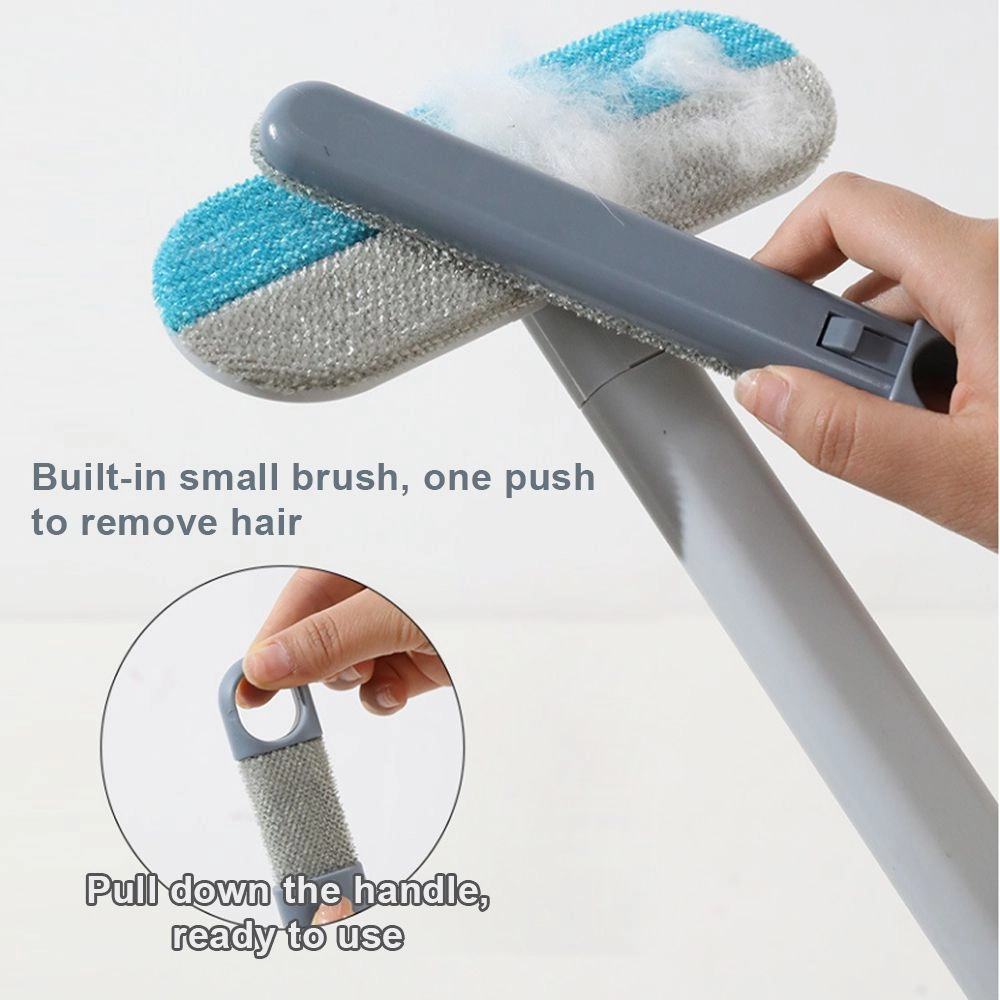
- Pet Hair Remover Brushes: These are often made with special bristles or rubber that attract fur.
- Squeegee: A window squeegee with a rubber blade is surprisingly effective at pulling hair from carpet.
- Fabric Softener Spray: Helps loosen fur and reduce static, making it easier to vacuum up.
- Baking Soda: Not only does it help with odor, but it can also loosen hair from carpet fibers.
Many overlook the power of a simple rubber broom. Unlike a regular broom, its flexible bristles grab and lift hair without scattering it. Another underestimated tool is the pet grooming brush—using it regularly on your cat reduces the amount of fur that ends up on the carpet in the first place.
Step-by-step Methods To Remove Cat Fur From Carpet
There’s more than one way to remove cat hair, and the best results often come from combining methods. Below, you’ll find step-by-step guides for the most effective techniques.
Vacuuming The Right Way
Vacuuming is the first line of defense, but how you vacuum matters.
- Choose the Right Vacuum: Use a vacuum with a rotating brush or “beater bar.” For best results, select a model labeled for pet hair.
- Go Slowly: Move the vacuum slowly in multiple directions. Quick passes won’t lift deeply embedded fur.
- Overlap Passes: Cover each area multiple times, overlapping each pass.
- Empty the Canister: A full vacuum loses suction. Empty or change the bag regularly.
Pro Tip
Sprinkle a light layer of baking soda on the carpet before vacuuming. Wait 10–15 minutes. This helps loosen hair and neutralizes odors.
Using Rubber Gloves
This method is perfect for small areas, stairs, or stubborn patches.
- Put on Clean Rubber Gloves: The kind you’d use for washing dishes works best.
- Lightly Dampen the Gloves: Wet them with water and wring off excess.
- Rub Over the Carpet: Move your hand in short, firm strokes. The fur will clump together, making it easy to pick up.
Why It Works
The friction and static from rubber gloves attract pet hair more effectively than bare hands.
Squeegee Trick
A window squeegee can be a game-changer, especially on low-pile carpets.
- Use a Clean Squeegee: Choose a size comfortable for your hand.
- Drag the Squeegee Across the Carpet: Apply gentle pressure. Hair will roll up into clumps you can easily pick up.
- Work in Sections: For large rooms, divide the carpet into smaller areas.
Lint Roller For Quick Cleanups
A lint roller is great for spot cleaning or small rugs.
- Roll Over the Area: Press firmly and roll in different directions.
- Peel Off Sticky Sheets: Replace as they fill up with fur.
Fabric Softener Spray
Using fabric softener helps reduce static and loosens hair.
- Mix One Part Fabric Softener with Three Parts Water in a spray bottle.
- Lightly Mist the Carpet: Don’t soak—just a fine spray.
- Let it Dry for 5–10 Minutes.
- Vacuum as Usual.
Rubber Broom
Especially helpful for area rugs or flat-weave carpets.
- Sweep in One Direction: The rubber bristles pull fur into piles.
- Collect Hair Clumps: Pick them up by hand or with a dustpan.
Using Baking Soda
Baking soda is a double-duty tool.
- Sprinkle Over the Carpet: Use a light, even layer.
- Wait 10–15 Minutes: This loosens fur and removes odors.
- Vacuum Thoroughly.
Comparison Of Removal Methods
To help you choose the best approach, here’s a comparison of popular methods:
| Method | Best For | Pros | Cons |
|---|---|---|---|
| Vacuuming | Large areas | Fast, effective, deep clean | May miss deeply embedded fur |
| Rubber Gloves | Stairs, corners | Cheap, easy, precise | Slow for big spaces |
| Squeegee | Low-pile carpet | Removes stubborn fur | Not ideal for thick carpet |
| Lint Roller | Small rugs | Quick, portable | Not cost-effective for large areas |
| Fabric Softener | Any carpet | Reduces static, freshens carpet | Needs drying time |
Advanced Techniques For Stubborn Fur
Sometimes, regular cleaning isn’t enough. If your carpet still holds onto cat hair, try these advanced methods.
Carpet Rake
A carpet rake is a tool with long, flexible bristles. It digs deep into carpet fibers and pulls up hair that vacuums miss.
- Use Short, Firm Strokes: Work in one direction, then the opposite.
- Vacuum Up the Loosened Fur: The rake will bring up surprising amounts of hair.
Steam Cleaning
A steam cleaner can loosen pet hair and sanitize your carpet.
- Vacuum First: Remove as much hair as possible.
- Run the Steam Cleaner: Follow manufacturer instructions.
- Vacuum Again After Drying: Steam brings up deeply embedded hair.
Professional Carpet Cleaning
If all else fails, a professional carpet cleaning service can help. They use powerful machines that reach deep into fibers, removing hair, dander, and even allergens. For homes with severe allergies or heavy shedding, a yearly professional clean can make a big difference.
Table: Effectiveness Of Advanced Methods
| Method | Effectiveness | Cost | Best Use |
|---|---|---|---|
| Carpet Rake | High | Low | Deep-cleaning, old carpets |
| Steam Cleaner | Very High | Medium | Allergen removal, deep fur |
| Professional Cleaning | Highest | High | Severe buildup, allergies |
Preventing Cat Fur Buildup On Carpet
Prevention is easier than constant cleaning. Here’s how to keep fur off your carpet in the first place.
Groom Your Cat Regularly
Brushing your cat several times a week reduces shedding. Short-haired cats need brushing at least once a week, while long-haired breeds may need daily attention. Consider using a de-shedding tool designed for cats.
Use Washable Throw Rugs
Place washable rugs or runners in areas where your cat spends the most time. It’s easier to shake out or wash a small rug than to clean an entire carpet.
Control Static In Your Home
Low humidity increases static, which makes fur stick to carpets. Use a humidifier to keep indoor humidity around 40–50%. This not only helps with fur but also makes the air more comfortable for you and your cat.
Keep Your Cat Healthy
A poor diet, stress, or health issues can increase shedding. Feed your cat a balanced diet and schedule regular vet visits. Healthy cats shed less.
Restrict Access
If possible, keep cats out of carpeted rooms. Use baby gates or close doors to limit their access to certain areas.
Quick Daily Cleanups
Instead of waiting for fur to pile up, do a quick sweep with a rubber broom or vacuum each day. Five minutes a day can save you hours of work later.
Table: Prevention Strategies And Their Benefits
| Prevention Strategy | Benefit | Effort Level |
|---|---|---|
| Regular Grooming | Less hair on carpet | Medium |
| Washable Rugs | Easy cleaning | Low |
| Control Humidity | Reduces static cling | Low |
| Healthy Diet | Reduces shedding | Medium |
| Restrict Access | Protects carpet | Low |
| Daily Cleanups | Prevents buildup | Low |
Common Mistakes To Avoid
Even with the best intentions, cat owners make some common errors when trying to remove fur from carpet.
Using The Wrong Vacuum
Not all vacuums are created equal. Small handheld vacuums, or models without a rotating brush, often fail to lift hair from deep within carpet fibers. Investing in a vacuum designed for pet hair saves time and frustration.
Skipping Regular Maintenance
Waiting too long between cleanings allows fur to build up and become harder to remove. Regular, quick cleanups prevent this problem.
Over-wetting The Carpet
Using too much water—whether from cleaning solutions or steam—can damage your carpet or create a breeding ground for mold. Always follow the product instructions and allow carpets to dry completely.
Ignoring Corners And Edges
Fur tends to collect along baseboards and in corners. Don’t forget to clean these hidden spots, as they can become sources of allergens and odors.
Forgetting About Your Cat
The source of the fur is your cat. Regular grooming, a good diet, and health checks are just as important as cleaning the carpet itself.
Credit: www.alphapets.com.my
Dealing With Cat Fur Allergies
For some, cat fur isn’t just unsightly—it triggers allergies. Allergic reactions are usually caused by proteins in cat dander and saliva, which stick to fur and settle in carpets. If you or someone in your home is sensitive, here are extra steps to take:
- Use a HEPA filter vacuum: These filters capture tiny particles, including allergens.
- Wash hands after petting your cat.
- Use air purifiers in rooms with carpet.
- Consider replacing carpet with hard flooring if allergies are severe.
A lesser-known tip: allergen-reducing sprays (sold at pet stores) can help break down proteins in dander and reduce allergic reactions.
Cleaning Different Types Of Carpet
Not all carpets are the same, and each type requires a slightly different approach.
Low-pile And Berber Carpets
These carpets have short fibers and are easier to clean. Most methods—vacuuming, rubber gloves, squeegee—work well.
High-pile And Plush Carpets
The longer fibers trap more hair. Use a carpet rake, and vacuum in multiple directions for best results.
Area Rugs
Smaller rugs can often be taken outside, shaken, or even washed. Use a rubber broom or gloves for touch-ups.
Wool Carpets
Be gentle—avoid harsh chemicals. Vacuum regularly and use a slightly damp rubber glove for stubborn spots.

Credit: www.amazon.com
How Often Should You Remove Cat Fur?
The answer depends on how much your cat sheds, the number of cats, and whether anyone in your home has allergies. As a rule of thumb:
- Vacuum high-traffic areas every 1–2 days
- Do a deep clean once a week
- Groom your cat regularly
More frequent cleaning is better for allergy control and prevents fur from embedding deeply.
Eco-friendly And Diy Solutions
Many commercial cleaners contain chemicals that may not be safe for pets. Here are safe, eco-friendly alternatives:
- Baking soda: Freshens and loosens hair.
- Vinegar and water spray: Reduces static, though test on a small area first to avoid discoloration.
- Reusable lint brushes: Reduce waste compared to sticky rollers.
You can also make your own fabric softener spray: Mix 1 cup of white vinegar, 1 tablespoon of olive oil, and 2 cups of water in a spray bottle. Mist lightly, let dry, and vacuum.
When To Replace Carpet
Sometimes, carpets become so full of fur, dander, and odors that cleaning no longer works. If your carpet still smells or triggers allergies after deep cleaning, it may be time to replace it with a low-pile or hard flooring option.
Hard floors are much easier to keep fur-free.
Real-world Example: Managing Cat Fur In A Multi-cat Home
Let’s take the example of a three-cat household. The owners vacuum daily with a pet-specific vacuum, use throw rugs in favorite cat spots, and brush their cats every other day. Once a month, they use a carpet rake and steam cleaner for a deep clean.
By combining these strategies, their carpet stays clean and their guests barely notice the cats.
What made the biggest difference? Daily quick cleanups and regular grooming. Many people skip these, but they prevent fur from becoming a big problem.
Expert Tips For Maximum Results
- Vacuum in different directions: This lifts hair trapped in different angles of the carpet fibers.
- Use a humidifier: Reduces static, making fur easier to remove.
- Dry carpets thoroughly: After using any moisture-based cleaning method, let carpets dry completely to prevent mold.
- Clean tools regularly: Wash rubber gloves, squeegees, and vacuum filters to keep them working well.
When To Call A Professional
If you’ve tried everything and still can’t remove fur, or if allergies are severe, hire a professional carpet cleaner. They have industrial machines and techniques that go beyond home tools. For homes with several pets or very old carpets, a professional clean every 6–12 months is a smart investment.

Credit: www.amazon.com
Frequently Asked Questions
How Can I Remove Cat Fur From Carpet If I Don’t Have A Vacuum?
You can use damp rubber gloves, a rubber broom, or a window squeegee to lift fur from carpet. Simply rub your hand or the tool over the carpet, and the fur will clump together for easy removal. A lint roller also works for small areas.
What Is The Best Vacuum For Pet Hair On Carpet?
Look for a vacuum with strong suction, a rotating brush, and a HEPA filter. Models labeled “pet vacuum” are designed to handle fur and dander. Brands like Dyson, Shark, and Bissell offer popular options for pet owners.
Does Baking Soda Really Help Remove Cat Fur?
Yes, baking soda can help loosen fur from carpet fibers. Sprinkle a light layer on the carpet, let it sit for 10–15 minutes, then vacuum. It also helps neutralize odors.
Can I Prevent My Cat From Shedding So Much?
You can’t stop shedding completely, but regular grooming, a healthy diet, and keeping your cat stress-free can reduce the amount of fur they lose. For breeds that shed heavily, consider brushing daily.
Is Professional Carpet Cleaning Safe For Cats?
Most professional cleaning methods are safe once the carpet is dry. Always ask the company about the products they use and keep your cat away from the area until all cleaning solutions have evaporated and the carpet is completely dry. For more information, see the ASPCA’s cat grooming tips.
Keeping your carpet free of cat fur is possible with the right mix of tools, techniques, and regular effort. By understanding why fur sticks, using effective removal methods, and preventing buildup, you can enjoy a cleaner, healthier home—without giving up your favorite feline friend.