
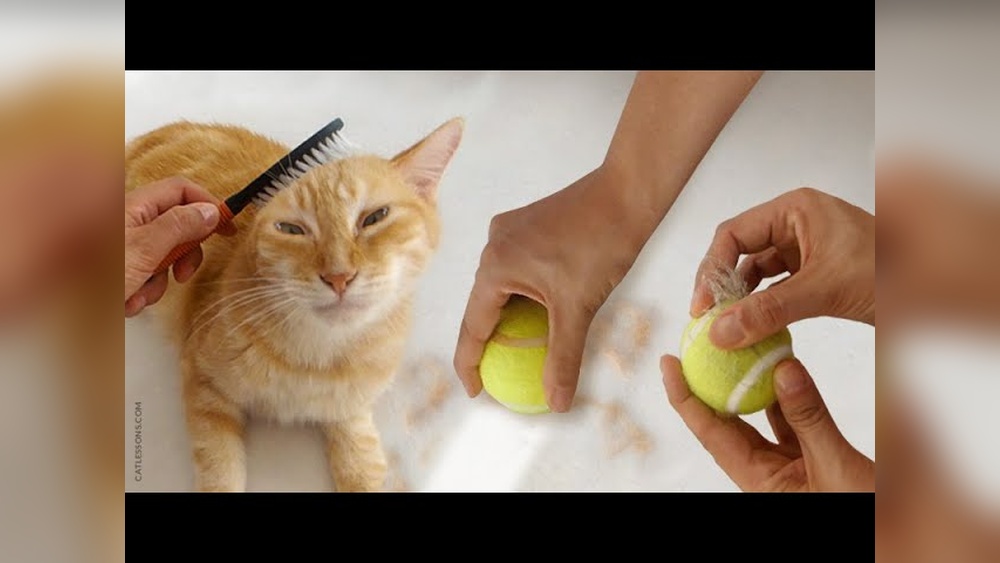
If you live with a cat, you know cat fur can become a part of daily life. You find it on your clothes, your couch, even floating in the air. While cats are wonderful companions, cat fur can be a real challenge to manage. Removing cat fur isn’t just about keeping your house looking clean—it’s also important for people with allergies, and it keeps your living space more comfortable. The good news is, with the right strategies and tools, you can control and remove cat fur from almost any surface.
In this guide, you’ll learn practical, proven methods to remove cat fur from clothes, furniture, floors, and even the air. You’ll see which tools really work, discover clever tricks most cat owners miss, and understand why regular maintenance matters more than you think.
Whether you’re dealing with a long-haired Maine Coon or a short-haired tabby, these solutions will help you enjoy your home—and your cat—without all the fur sticking around.
Why Cat Fur Is So Hard To Remove
Cat fur is lightweight, fine, and often carries a static charge. This means it clings tightly to fabric and surfaces. When your cat sheds, these tiny hairs can work their way into the fibers of your clothes, upholstery, and carpets.
The natural oils from your cat’s skin also help the hair stick. On hard floors, fur moves with the slightest air current, gathering in corners and under furniture.
Many people underestimate how quickly fur builds up. Even a single cat can shed thousands of hairs per day, especially during seasonal changes. For allergy sufferers, even small amounts of loose fur can trigger sneezing or itchy eyes. That’s why a regular, focused approach is needed—not just a quick vacuum now and then.
Understanding Cat Shedding
Before you start removing cat fur, it helps to know why and when cats shed. Most cats shed year-round, with peaks in spring and fall as they adjust to changing daylight. Some breeds, like Siamese and Burmese, shed less, while long-haired breeds like Persians or Ragdolls shed much more.
Indoor cats may shed more evenly through the year because they experience less change in temperature and daylight.
Diet, health, and grooming all affect how much your cat sheds. Cats on poor diets or those with skin problems may shed more. Regular grooming can reduce loose fur, but it won’t stop shedding completely.

Credit: uprootclean.com
The Best Tools For Removing Cat Fur
Choosing the right tool makes a huge difference. Some tools are made for clothes, others for floors or upholstery. Here’s a clear comparison of the most popular options:
| Tool | Best For | Pros | Cons |
|---|---|---|---|
| Lint Roller | Clothes, Upholstery | Easy to use, portable | Needs refills, can get expensive |
| Rubber Glove | Furniture, Car Seats | Reusable, good for corners | Requires manual effort |
| Vacuum Cleaner (with pet attachment) | Carpets, Floors, Sofas | Deep cleaning, fast | Expensive, noisy |
| Pet Hair Brush | Cats, Loose Fur Removal | Reduces shedding at the source | Some cats dislike it |
| Fabric Shaver | Clothes, Upholstery | Removes embedded hair | Not for delicate fabrics |
| Sticky Tape | Quick Pick-ups | Cheap, effective in small areas | Not eco-friendly, slow for large jobs |
Non-obvious Insight: The Power Of Static Electricity
Many people don’t realize that static electricity is what makes cat fur stick so stubbornly. Using tools that create or remove static—like dryer sheets or slightly dampened cloths—can make removal much easier.
How To Remove Cat Fur From Clothes
Cat fur on clothes is one of the most common—and annoying—problems for pet owners. Luckily, there are several solutions, depending on whether the clothes are clean or dirty.
Quick Solutions For Clothes You’re Wearing
- Lint roller: A classic tool for a reason. Roll over your clothes before leaving the house.
- Sticky tape: Wrap a strip around your hand (sticky side out) and pat down your clothes.
- Rubber gloves: Dampen a glove and rub it over the fabric; the fur will stick to the glove.
- Fabric brush: Good for delicate fabrics where adhesive rollers might cause damage.
Washing And Drying Tricks
Washing clothes with fur doesn’t always remove the hair—in fact, it can make it stick more. Here’s how to get better results:
- Pre-treat: Shake clothes outside or use a lint roller before washing.
- Dryer first, then wash: Run clothes through a short, no-heat dryer cycle to loosen and collect fur in the lint trap. Then wash as usual.
- Add dryer sheets or dryer balls: These reduce static and help fur come off.
- Clean the lint trap after every load: Fur builds up fast.
For Stubborn Fur
Some fabrics, like fleece or wool, hold on to cat fur more tightly. For these, try:
- Fabric shaver: Removes embedded hair and pills.
- Pet hair sponge: Specially designed sponges can pick up hair from fabric.
Removing Cat Fur From Furniture
Cat hair loves to stick to sofas, chairs, and cushions. The right technique depends on the material—leather is different from fabric upholstery.
Fabric Upholstery
- Vacuum with a pet hair tool: Move slowly to let the suction work deep into fibers.
- Rubber gloves or damp sponge: Rubbing in one direction gathers fur into clumps you can pick up.
- Lint roller: Works for quick touch-ups.
Leather Or Faux Leather
- Damp microfiber cloth: Wipe gently to pick up fur.
- Rubber squeegee: Small squeegees (like for windows) can roll fur into easy-to-remove piles.
- Avoid vacuums with hard brushes: These can scratch the surface.
Pillows And Cushions
- Remove covers and wash separately: See washing tips above.
- Dryer trick: Tumble on low with dryer balls to loosen hair before washing.
For Heavy Build-up
If your furniture is covered in fur, try this multi-step method:
- Vacuum first to remove loose hair.
- Use a dampened rubber glove to lift stubborn fur.
- Finish with a lint roller for a final clean look.
Cleaning Cat Fur From Floors
Floors are where cat fur collects in surprising amounts, especially in corners and under furniture.
Hard Floors (wood, Tile, Laminate)
- Electrostatic dust mop: Attracts fur better than regular brooms.
- Vacuum with hard floor setting: Sucks up hair without blowing it around.
- Damp mop: Picks up remaining fine hairs after dusting.
Carpets And Rugs
- Vacuum with high-suction, pet hair attachment: Move slowly to let the vacuum pull hair from deep in the pile.
- Rubber broom: The rubber bristles pull hair out of carpet fibers.
- Baking soda trick: Sprinkle lightly, wait 10 minutes, then vacuum—helps loosen hair and deodorize.
Under Furniture And Edges
- Flexible vacuum attachments: Reach under couches or beds.
- Crevice tool: Gets into corners where fur gathers.
Data Table: Floor Cleaning Effectiveness
Here’s how common methods compare for removing cat fur from floors:
| Method | Best For | Effectiveness | Speed |
|---|---|---|---|
| Electrostatic Mop | Hard Floors | High | Fast |
| Vacuum (Pet Tool) | Carpet & Hard Floors | Very High | Medium |
| Rubber Broom | Carpet | Medium | Slow |
| Standard Mop | Hard Floors | Medium | Medium |
Removing Cat Fur From Bedding And Curtains
Bedding and curtains are magnets for cat fur, especially if your cat likes to nap on the bed or window ledges.
Bedding
- Wash and dry with dryer balls: Helps remove fur during cycles.
- Shake out before washing: Do this outside to avoid spreading fur indoors.
- Vacuum with upholstery attachment: Quick solution for comforters and pillows between washes.
Curtains
- Lint roller or sticky tape: Effective for spot cleaning.
- Vacuum with brush attachment: Run along the length of the curtains.
- Dryer trick: If safe, tumble dry for 10 minutes with dryer sheets.
Non-obvious Insight: Don’t Forget The Mattress
Many people forget that fur can work its way through sheets and onto the mattress. Vacuum your mattress every few months using an upholstery tool.
How To Remove Cat Fur From The Air
Fur doesn’t just land on surfaces—it also floats in the air, especially when you brush your cat or change bedding. This is a big problem for allergy sufferers.
Air Purifiers
- HEPA filters: These trap cat fur and dander, making the air cleaner to breathe. Place purifiers near areas where your cat spends time.
- Change filters regularly: A full filter won’t catch as much fur.
Hvac And Vent Filters
- High-quality furnace/AC filters: Use the highest-rated filters your system can handle.
- Change filters monthly if you have multiple cats or severe allergies.
Humidifiers
Dry air lets fur float more easily. A humidifier can help weigh down fur and dust so it settles faster, making it easier to clean up.
Regular Ventilation
Open windows (if safe) to let air circulate and push out airborne fur.
Credit: www.zoetispetcare.com
Grooming Your Cat To Reduce Shedding
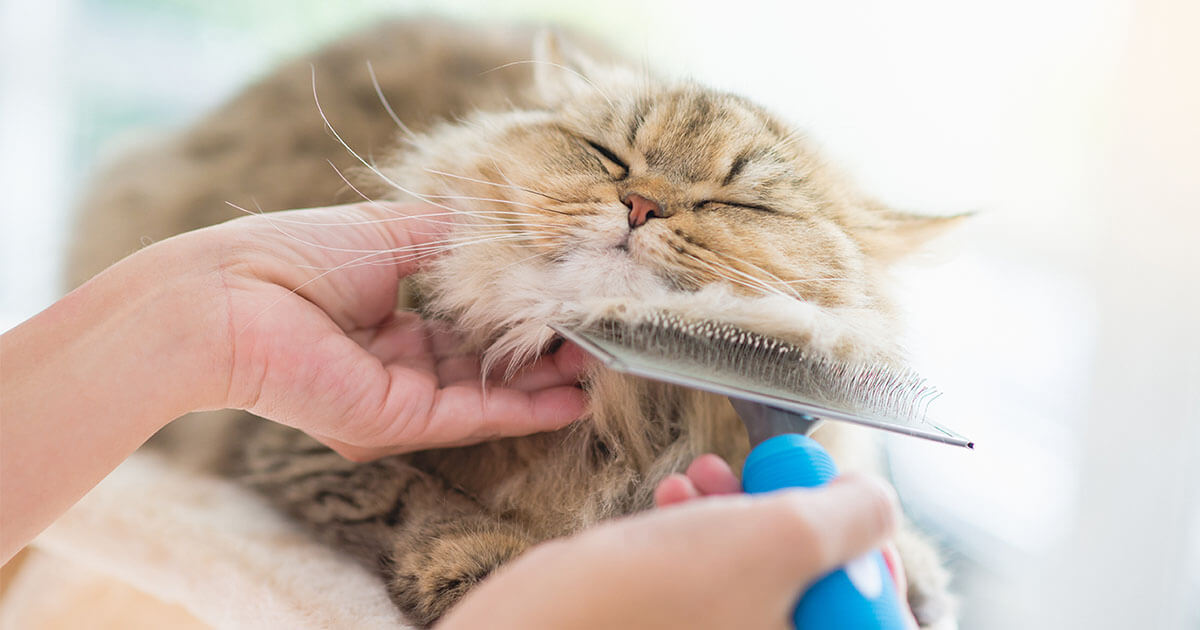
One of the best ways to control cat fur is to stop it before it spreads. Regular grooming removes loose hairs directly from your cat before they end up on your couch or clothes.
Brushing
- Short-haired cats: Brush once or twice a week.
- Long-haired cats: Brush daily, especially during shedding season.
- Slicker brushes: Good for removing loose undercoat.
- Rubber grooming mitts: Some cats prefer the feel.
Bathing
Most cats don’t need baths, but for breeds that shed heavily or if your cat has skin problems, occasional bathing can help.
- Use cat-safe shampoo: Never use human products.
- Dry thoroughly: Wet fur can mat and trap more hair.
Diet And Supplements
A poor diet can lead to more shedding. Feed your cat high-quality food rich in omega-3 and omega-6 fatty acids to keep their skin and coat healthy. Ask your vet about supplements if shedding seems excessive.
Managing Stress
Cats shed more when they’re stressed. Keep their environment calm, provide hiding places, and maintain routines to minimize shedding caused by anxiety.
Data Table: Grooming Frequency By Cat Type
| Cat Type | Brushing Frequency | Best Tool |
|---|---|---|
| Short-haired | 1-2 times/week | Rubber mitt or bristle brush |
| Medium-haired | 2-3 times/week | Slicker brush |
| Long-haired | Daily | Wide-tooth comb, slicker brush |
Cat Fur Removal Mistakes To Avoid
Even well-meaning cat owners make common mistakes that make fur problems worse. Here’s what to watch out for:
- Skipping regular grooming: Letting fur build up on your cat means more to clean in your house.
- Using the wrong vacuum: Not all vacuums are designed for pet hair. Choose one with strong suction and a pet tool.
- Ignoring soft furnishings: Cat fur can collect in cushions, curtains, and even lampshades.
- Overusing fabric softener: While it can reduce static, too much can build up on clothes and trap more fur.
- Not cleaning air vents and filters: These can spread fur and dander around your home.
- Delaying cleaning: The longer fur sits, the more it works into fabric and carpet fibers.
Advanced Tips And Tricks For Cat Fur Removal
If you’ve mastered the basics, try these expert-level tricks for an even cleaner home:
Use Anti-static Sprays
A light mist of anti-static spray on upholstery or curtains can help prevent fur from sticking in the first place.
Wet Rubber Broom For Large Areas
A lightly dampened rubber broom can sweep up fur from hardwood floors, tile, or even outdoor patios.
Diy Fur Removal Tools
- Old tights or pantyhose: Run a ball of them over furniture to pick up hair with static.
- Window squeegee: Pulls embedded hair from carpeted stairs or car seats.
Seasonal Deep Cleaning
At least twice a year, do a deep clean:
- Move furniture and vacuum underneath.
- Wash curtains, pillow covers, and throw blankets.
- Clean air filters and vents.
Protect Surfaces
Use washable throws on sofas or cat beds to catch most fur. These are easier to clean than the whole couch.
Non-obvious Insight: Humidity Control
Keeping your home at 40–50% humidity can reduce static and help fur settle, making it easier to pick up.
Keeping Your Home Cat Fur Free: Daily, Weekly, And Monthly Routines
Consistency is the real secret to managing cat fur. Here’s how to break the job into easy routines:
Daily
- Brush your cat (especially during heavy shedding)
- Quick vacuum or sweep of main living areas
- Lint roll clothes before leaving home
Weekly
- Wash pet bedding and favorite blankets
- Deep vacuum carpets, rugs, and upholstery
- Wipe down baseboards and window sills
Monthly
- Wash curtains, cushion covers, and throws
- Clean air vents and replace filters if needed
- Move and vacuum under furniture
Building these routines into your schedule means less fur builds up, and cleaning feels less overwhelming.
Cat Fur And Allergies: What You Need To Know
For people with allergies, even small amounts of cat fur can be a big problem. Cat dander (tiny flakes of skin) often travels with fur, making symptoms worse. Here are some ways to reduce allergic reactions:
- Use HEPA air purifiers in bedrooms and living spaces.
- Keep cats out of bedrooms if possible.
- Wash hands and face after petting your cat.
- Change clothes after close contact with your cat.
- Consult with a doctor about allergy medications or treatments.
For more on how pet allergies work, see this guide from the WebMD.
Cat Fur Removal In Cars
If your cat rides with you, you know fur gets everywhere in your car. Here’s how to manage it:
- Use seat covers: These can be removed and washed.
- Vacuum with a crevice tool: Reach into seat seams and under mats.
- Rubber gloves or squeegee: Works well on upholstery.
- Lint roller: For last-minute clean-ups.
Eco-friendly Cat Fur Removal Solutions
If you want to reduce waste, there are several eco-friendly ways to control cat fur:
- Reusable lint brushes: Instead of sticky tape.
- Washable microfiber cloths: For dusting and wiping.
- Natural rubber gloves: Instead of disposable options.
- Plant-based dryer sheets: For sensitive skin and less chemical residue.
When To Seek Professional Help
Sometimes, home cleaning isn’t enough, especially if you have allergies, multiple cats, or deep-set fur in carpets and upholstery. Consider:
- Professional carpet or upholstery cleaning: Removes embedded hair and dander.
- Duct cleaning: If fur is spreading through your HVAC system.
- Groomer visits: For cats that won’t tolerate brushing at home.
This is especially important for people with asthma or severe allergies.

Credit: living.greatpetcare.com
Frequently Asked Questions
How Do I Remove Cat Fur From Black Clothes?
Black clothes show cat fur the most. Use a lint roller or sticky tape first. Before washing, tumble dry for 10 minutes with a dryer sheet—this loosens hair so it collects in the lint trap. Wash with extra rinse cycles and hang to air dry if possible. Avoid fabric softener, which can make fur stick.
Is It Safe To Use A Vacuum Cleaner On My Cat?
Most cats do not like vacuum cleaners. Some vacuums have special pet grooming attachments, but you should introduce them slowly and make sure your cat feels safe. Never force your cat, and always use the lowest suction setting. For most cats, brushing is a better option.
Can I Use A Regular Broom To Sweep Up Cat Fur?
A regular broom often pushes cat fur around or makes it airborne. An electrostatic or rubber broom works much better, as it attracts fur and keeps it from flying away. For hard floors, a slightly damp mop will pick up leftover hairs.
Does Brushing My Cat Really Reduce Fur In The House?
Yes, regular brushing is one of the best ways to remove loose fur before it spreads. It also reduces the risk of hairballs for your cat. Use the right brush for your cat’s fur type and be gentle to avoid hurting their skin.
What’s The Best Way To Keep My House Cat Fur Free?
You can’t eliminate cat fur completely, but you can control it by grooming your cat regularly, using the right cleaning tools, and keeping up with daily and weekly routines. Air purifiers, washable throws, and smart humidity control also help keep fur under control.
Living with a cat means living with some fur, but it doesn’t have to take over your life. With the right mix of tools, routines, and tricks, you can keep your clothes, furniture, and home fresh and comfortable—for you and your feline friend. Managing cat fur is an ongoing job, but it’s worth it for the joy a cat brings to your life. Remember: a little effort every day makes a big difference in the long run.