
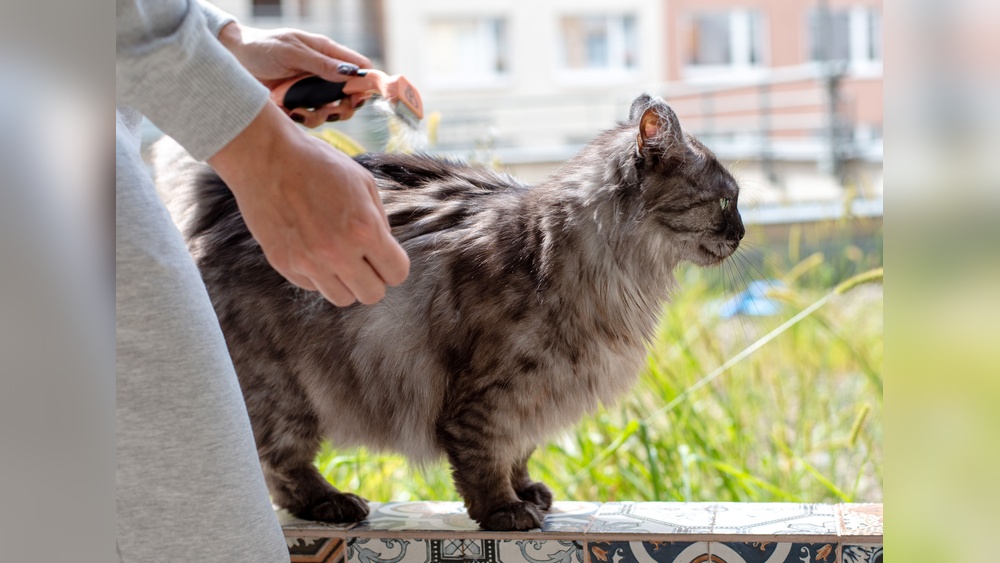
Cats are famous for their grooming habits. Yet, even the most diligent felines can end up with clumps or mats in their fur. These tangles are not just a cosmetic issue—they can cause pain, restrict movement, and lead to serious skin problems if not handled correctly. Whether you have a long-haired Maine Coon or a short-haired domestic shorthair, understanding how to remove clumps from cat fur is essential for every cat owner. This guide explains why mats form, how to safely remove them, and how to prevent them in the future. With the right approach, you can keep your cat’s coat smooth, healthy, and free from discomfort.
Understanding Clumps In Cat Fur
Clumps, mats, and tangles are terms often used interchangeably, but there are slight differences. Clumps are tight balls or patches of fur that stick together. They can be small or cover large areas, making the fur look uneven or rough.
Why Do Clumps Form?
Several factors cause mats and clumps in cats:
- Shedding: Cats naturally shed dead hair. If not removed, this loose hair mixes with healthy fur, forming tangles.
- Oily Skin: Natural skin oils can glue loose hairs together, especially in older or overweight cats.
- Lack of Grooming: Some cats, due to age, illness, obesity, or arthritis, groom less. This leads to more tangles.
- Long Hair: Long-haired breeds like Persians or Ragdolls are more prone to matting.
- Outdoor Activity: Outdoor cats pick up dirt, seeds, and debris that can stick to fur and cause mats.
Dangers Of Leaving Clumps Untreated
Ignoring mats is risky. Mats pull on the skin, causing pain. Severe mats can:
- Hide wounds or skin infections
- Lead to hot spots (painful, inflamed skin)
- Cause restricted movement, especially near joints
- Attract fleas or other parasites
In extreme cases, a vet may need to sedate a cat to remove severe mats.
Tools Needed For Removing Clumps
Having the right tools makes removing clumps safer and less stressful for both you and your cat. Here is a comparison of common grooming tools:
| Tool | Best For | Pros | Cons |
|---|---|---|---|
| Wide-tooth comb | All fur types, initial detangling | Gentle, reduces pull on skin | May not reach deep mats |
| Mat splitter | Moderate to heavy clumps | Cuts through tough mats | Requires careful handling |
| Slicker brush | Long or double coats | Removes loose hair, prevents mats | Can irritate sensitive skin |
| Clippers (pet-safe) | Severe mats | Quick removal, less stress than scissors | Risk of nicks if not used properly |
Additional items to have on hand:
- Styptic powder: To stop bleeding if there’s a small nick
- Treats: To reward and calm your cat
- Towel: For wrapping or holding your cat gently
Preparing Your Cat For Clump Removal
Before you start, it’s important to set the right environment and prepare your cat. Many cats are nervous about grooming, especially if their fur is already tangled.
Setting Up The Space
Choose a quiet room with good light. Remove distractions and close the door to prevent escape. Lay a towel on a flat surface, like a table or the floor.
Calming Your Cat
- Let your cat sniff the tools first.
- Speak softly and move slowly.
- Pet your cat and offer treats to create positive associations.
- Some cats may benefit from pheromone sprays (like Feliway) to reduce stress.
When To Ask For Help
If your cat is extremely anxious or aggressive, don’t force the process. You may need a second person to help hold your cat, or consider professional grooming.
Step-by-step: How To Remove Clumps From Cat Fur
Removing mats requires patience and gentle handling. The steps below help ensure you do not hurt your cat or make the situation worse.
1. Assess The Severity
Check the size, location, and depth of each clump:
- Small mats (less than a coin): Usually can be combed out.
- Medium mats (coin to golf ball): May need a mat splitter or special detangling spray.
- Severe mats (larger, tight to skin): Often require clippers or vet assistance.
Never try to cut out a mat with scissors if it’s close to the skin; you might cut your cat accidentally.
2. Hold Your Cat Securely
Wrap your cat gently in a towel, leaving only the area with the clump exposed. This method, known as a “kitty burrito,” prevents scratching and helps your cat feel safe.
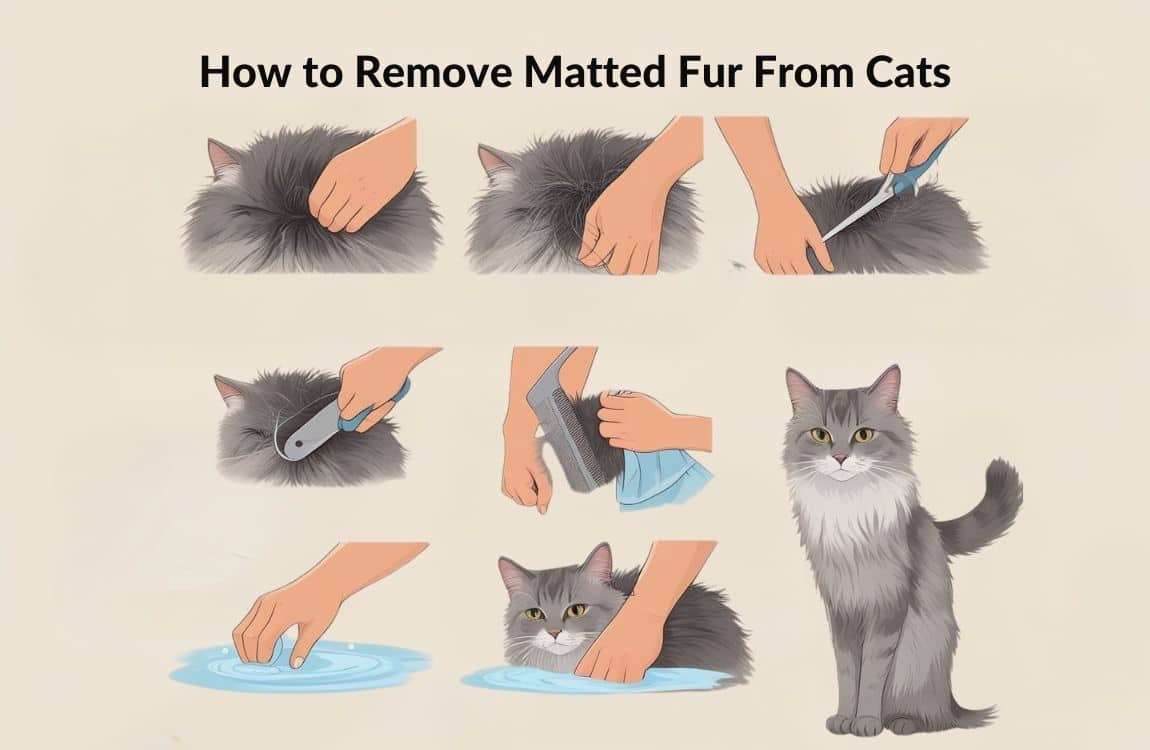
3. Loosen The Clump
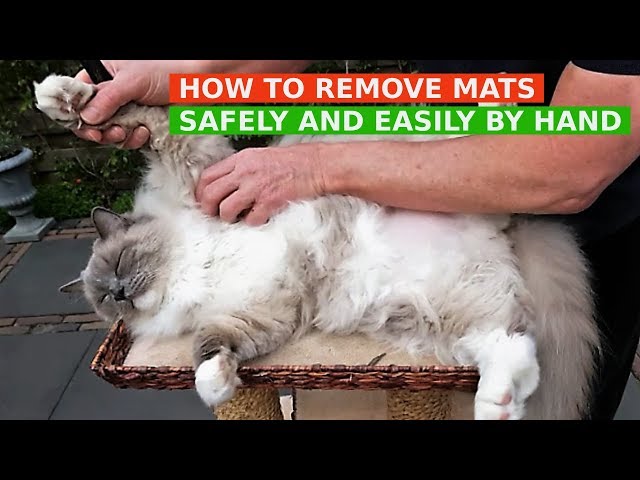
For most mats, start by gently separating the fur with your fingers. Work slowly to avoid pulling on the skin.
- If the mat is tight, sprinkle a little cornstarch or talcum powder on the area. This helps the hair slide apart.
- For stubborn mats, use a pet-safe detangling spray.
4. Use The Right Tool
- Start with a wide-tooth comb. Insert the teeth under the edge of the clump and gently wiggle.
- For thicker mats, use a mat splitter. Slide the blade under the mat and carefully slice through small sections.
- If the mat will not budge, use pet clippers. Always keep the blade flat against the skin and move slowly.
5. Work In Small Sections
Don’t try to remove the entire mat at once. Work from the edges toward the center. Take breaks if your cat becomes agitated.
6. Soothe And Reward
After each session, give your cat a treat and some affection. This helps build trust for future grooming.
7. Check For Skin Problems
After removing the mat, look for:
- Redness
- Sores
- Scabs
- Parasites
If you see any of these, consult your veterinarian.
Credit: www.youtube.com
Techniques For Different Cat Fur Types
Different breeds and fur types require different grooming approaches. Here’s how mat removal varies:
| Fur Type | Common Problems | Best Tools | Special Tips |
|---|---|---|---|
| Short-haired | Surface mats, less frequent | Slicker brush, wide-tooth comb | Check belly and armpits regularly |
| Long-haired | Large mats, undercoat tangles | Mat splitter, dematting rake | Daily brushing prevents most mats |
| Curly or rex | Tight curls can trap debris | Wide-tooth comb, fingers | Handle gently to avoid breakage |
| Double-coated | Thick undercoat mats, shedding clumps | Undercoat rake, slicker brush | More frequent grooming during shedding season |
When To Use Professional Help
Sometimes home grooming isn’t enough. You should seek a professional groomer or veterinarian if:
- The mats cover a large area or are very tight to the skin.
- Your cat becomes aggressive, very stressed, or fearful.
- You see wounds, bleeding, or skin infections.
- Your cat has medical conditions that make grooming risky (heart, respiratory, or skin issues).
Professional groomers have tools and experience to remove even severe clumps safely. In some cases, a vet may use sedation for large or painful mats.
Preventing Fur Clumps In The Future
Prevention is always better than treatment. A regular grooming routine reduces the chance of mats and keeps your cat’s coat healthy.
Daily And Weekly Grooming
- Short-haired cats: Brush once or twice a week.
- Long-haired cats: Brush daily.
- Focus on problem areas: Behind the ears, under the collar, armpits, belly, and base of the tail.
Choose The Right Brush
Selecting the proper brush for your cat’s fur type is key.
| Brush Type | Best For | How Often |
|---|---|---|
| Pin brush | Long-haired, thick coats | Daily |
| Bristle brush | Short-haired cats | Weekly |
| Rubber grooming mitt | Short or fine fur | 2–3 times per week |
| Undercoat rake | Double-coated breeds | During shedding season |
Diet And Hydration
A healthy diet rich in omega-3 fatty acids supports skin and coat health. Wet food and access to fresh water help prevent dry, brittle fur.
Environmental Factors
- Keep your cat’s environment clean to avoid dirt and debris.
- Remove sticky plants or seeds after outdoor play.
- Use breakaway collars to prevent mats under the neck area.
Special Care For Senior Or Sick Cats
Older or unwell cats often stop grooming themselves. Increase brushing frequency and check for mats daily. If you notice changes in grooming habits, consult your vet—this can signal underlying health issues.
Common Mistakes To Avoid
Grooming mistakes can make matting worse or even harm your cat. Avoid these errors:
- Using scissors: Many cats are injured when owners accidentally cut skin instead of fur.
- Bathing before detangling: Water tightens mats, making them harder to remove.
- Pulling hard: This causes pain, fear, and sometimes skin tears.
- Skipping grooming sessions: Mats form quickly, especially in long-haired breeds.
- Ignoring small tangles: Minor mats grow quickly if not addressed early.
When Is Clump Removal An Emergency?
In rare cases, mats become a medical emergency. Seek immediate veterinary attention if:
- The mat is cutting into your cat’s skin.
- There is bleeding, pus, or foul odor.
- Your cat cannot walk, eat, or use the litter box normally.
- You see maggots or open wounds under the mat.
Leaving mats untreated can cause severe pain, infection, or even death.
The Emotional Side: Reducing Stress For You And Your Cat
Grooming sessions can be stressful for both cat and owner. Here’s how to make the process easier:
- Keep sessions short—5 to 10 minutes at a time.
- End on a positive note, even if you don’t finish.
- Use high-value treats your cat loves.
- Stay calm—cats sense your stress and may become more anxious.
- Take breaks if your cat becomes upset.
Remember, it’s better to make slow progress over several days than to rush and risk injury.
Special Situations
Some cats need extra care:
Overweight Or Arthritic Cats
These cats can’t reach all areas to groom. Check their fur daily, especially around the back and hips. Support their bodies gently during grooming.
Cats With Skin Conditions
If your cat has allergies, rashes, or sensitive skin, use hypoallergenic grooming products and soft brushes. Always check with your vet before starting a new grooming routine.
Kittens
Start brushing kittens early to get them used to grooming. Use a soft brush and keep sessions playful.
Products That Can Help
Some products make clump removal and prevention easier:
- Detangling sprays: Help loosen mats and make combing easier.
- Leave-in conditioners: Keep fur soft and reduce static.
- Cat wipes: Clean dirt and debris without a full bath.
- Omega-3 supplements: Improve coat quality from the inside.
Check with your vet before using new products, especially if your cat has allergies.
Credit: monsieurgroomer.com
What To Do After Clump Removal
After you’ve removed mats, your cat may have sensitive skin in the affected area. Here’s what to do:
- Monitor the skin for redness, swelling, or signs of infection.
- Keep the area clean and dry.
- Avoid bathing your cat immediately after mat removal.
- Continue gentle brushing in the area to prevent new tangles.
If you notice any unusual symptoms, contact your veterinarian promptly.
Real-life Examples
Consider these scenarios:
- Bella, a Persian: Her owner noticed mats forming under her collar. Daily brushing and switching to a breakaway collar stopped further matting.
- Max, a senior tabby: Max stopped grooming due to arthritis. His owner now brushes him every evening, focusing on the lower back and hips.
- Luna, a rescue cat: Luna arrived with severe mats. A professional groomer shaved her, and her new owner now brushes her twice a day. Her coat is healthy and clump-free.
These examples show that, with patience and the right tools, most matting problems can be solved at home.
Supporting Your Cat’s Grooming Instincts
Cats usually keep themselves clean. Here’s how to help:
- Provide scratching posts—scratching helps remove old fur.
- Offer a variety of brushes to discover your cat’s preference.
- Keep nails trimmed to reduce accidental scratches during grooming.
Regular play and exercise also help maintain a healthy coat by encouraging natural grooming behavior.
Extra Tips For Multi-cat Homes
If you have several cats, grooming needs can increase:
- Brush each cat separately to avoid fights.
- Clean brushes between cats to prevent spreading fleas or skin conditions.
- Observe cats for over-grooming or stress-related matting, common in multi-cat households.
How Age And Health Affect Fur Clumps
Older cats, obese cats, or those with chronic illnesses are at higher risk for mats. They may need more frequent grooming and regular vet checkups. If your cat’s fur changes suddenly—becoming greasy, dull, or matted—this can be a sign of underlying illness.
Why Some Cats Resist Grooming
Some cats dislike grooming due to past trauma, sensitive skin, or simply personality. Try different brushes, use treats, and keep sessions short. If you can’t make progress at home, seek professional help.
:strip_icc()/how-to-de-mat-a-cat-552043-01-3bcd9ef0901041f4b5dc04c4c36c9bd8.JPG)
Credit: www.thesprucepets.com
Clumps In Different Seasons
Clumping is often worse during spring and fall, when cats shed more. Increase grooming frequency during these times. Use an undercoat rake to remove loose hair before it mats.
The Value Of Regular Vet Checkups
Regular veterinary visits can catch health issues that lead to matting—like arthritis or obesity. Your vet can also advise on the best grooming tools and techniques for your cat’s breed and condition.
Frequently Asked Questions
What Causes Clumps In My Cat’s Fur?
Clumps form when loose hair, skin oils, or debris stick together and aren’t removed by regular grooming. Long-haired cats, older cats, and those with health problems are most at risk.
Can I Use Human Hair Products On My Cat?
No. Human shampoos, conditioners, and detanglers can irritate your cat’s skin. Only use products labeled for cats, and check with your veterinarian if you’re unsure.
How Can I Prevent Clumps If My Cat Hates Brushing?
Try different brushes, keep sessions short, and use treats. Groom when your cat is relaxed, like after a meal. If problems persist, ask your vet or a groomer for advice.
When Should I Take My Cat To A Professional Groomer?
If mats are large, tight, or close to the skin—or if your cat is aggressive or very stressed—professional help is safest. Also seek help if you see wounds, infections, or parasites.
Is Shaving My Cat A Good Solution For Clumps?
Shaving should be a last resort and done by a professional. While it removes mats, it can stress your cat and expose the skin to sunburn or injuries. Focus on prevention and regular grooming instead.
For more information on cat grooming and care, you may find helpful resources at ASPCA: Cat Grooming Tips.
Helping your cat stay mat-free is a key part of their overall health and happiness. With the right tools, knowledge, and a gentle approach, you can keep your cat’s fur soft, shiny, and comfortable—for years to come.