
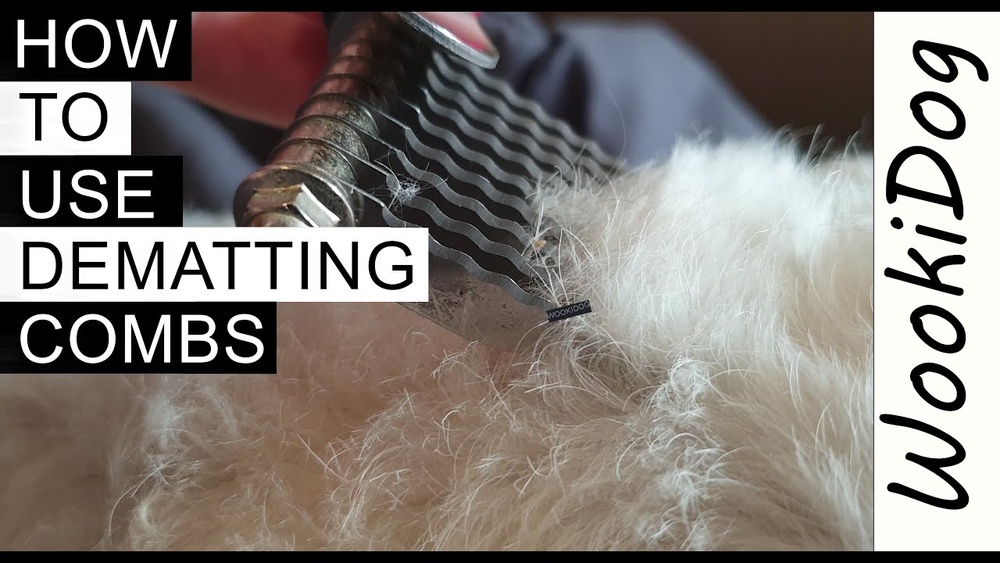
Dog grooming is not just about keeping your pet looking cute—it’s a key part of maintaining their health and happiness. If you share your life with a long-haired or curly-coated dog, you know that mats and tangles are more than a cosmetic problem. They can cause pain, skin infections, and stress for both you and your pet. Using a dematting tool correctly can transform grooming sessions from a struggle into a bonding experience. But how do you use one safely and effectively? This guide explains every step, offers practical tips, and helps you avoid mistakes that many dog owners make.
Why Matted Fur Is A Problem For Dogs
Matted fur isn’t just unsightly—it can be harmful to your dog. Mats often form when loose hairs become tangled with dirt, debris, or moisture. Common areas for mats include behind the ears, under the collar, armpits, and around the tail.
When left untreated, mats pull on your dog’s skin, which can be painful and lead to sores or infections. In severe cases, mats can restrict movement or even hide parasites.
What many owners don’t realize is that mats can form quickly—sometimes in just a few days—especially in dogs with curly or double coats. Regular brushing helps, but once mats form, you need the right tool and technique to remove them without hurting your pet.
Understanding Dematting Tools
Before you start, it helps to know what a dematting tool is and how it works. These tools are specially designed for removing mats and tangles without cutting or pulling too much hair. They have blades or teeth that slice through mats, making them easier to remove.
Common Types Of Dematting Tools
There are several types of dematting tools. Here’s a comparison to help you choose the right one:
| Type | Best For | Key Feature | Drawback |
|---|---|---|---|
| Rake-style Dematter | Thick, dense coats | Long, curved blades | Can be bulky for small dogs |
| Comb-style Dematter | Medium to long hair | Dual-sided teeth | Less effective on tight mats |
| Scissor-style Dematter | Small mats, sensitive areas | Single cutting blade | Requires more skill |
Rake-style dematters are best for large breeds or dogs with very thick fur, like Golden Retrievers or Newfoundlands. Comb-style dematters work well for most medium-sized dogs. Scissor-style dematters are useful for delicate areas or small tangles.
What To Look For In A Quality Dematting Tool
When shopping for a dematting tool, pay attention to:
- Blade sharpness: Dull blades pull hair and hurt your dog.
- Safety edges: Rounded tips protect your pet’s skin.
- Handle grip: A non-slip handle gives you better control.
- Size: Choose a size that matches your dog’s breed and coat length.
Cheap tools often have rough, unfinished blades or weak handles. Investing in a quality tool means fewer accidents and a happier dog.

Credit: www.youtube.com
Preparing Your Dog For Dematting
Jumping straight into dematting is a mistake. Preparation makes the process smoother and less stressful.
- Pick the right time: Choose a quiet time when your dog is calm. Avoid grooming right after meals or when your dog is full of energy.
- Brush out loose fur: Before using a dematting tool, gently brush your dog’s coat with a slicker brush or wide-tooth comb. This removes loose hair and makes mats easier to find.
- Check for health issues: Look for skin problems, wounds, or parasites. If you find anything unusual, check with your vet before dematting.
- Gather your supplies: Have your dematting tool, a detangling spray (optional), treats, and a soft towel ready.
- Create a safe space: Work in a well-lit area where your dog feels comfortable. A non-slip mat can help keep your dog steady.
Calming Your Dog
Some dogs get nervous when they see grooming tools. Help your dog relax by speaking softly, petting them, or offering treats. For very anxious dogs, short sessions with frequent breaks work better than trying to do everything at once.
Step-by-step Guide: How To Use A Dematting Tool
Now, let’s get into the practical steps. Using a dematting tool is not complicated, but technique matters. Here’s how to do it safely and effectively.
1. Identify The Mats
Run your fingers through your dog’s fur to feel for mats. They often feel like small, firm lumps under the outer layer of hair. Focus on common trouble spots: behind the ears, under the legs, chest, belly, and near the tail.
2. Loosen The Mats
If the mat is small and loose, try breaking it up with your fingers first. For tougher mats, lightly spray with a detangling spray or a mix of water and conditioner. This softens the hair and reduces pulling.
3. Hold The Mat
Gently hold the base of the mat close to your dog’s skin with one hand. This prevents the tool from pulling on the skin, which can be painful.
4. Position The Dematting Tool
Place the tool’s teeth at the edge of the mat, not directly on the skin. Always work from the outside of the mat toward the center—never pull the tool straight through the mat.
5. Use Short, Gentle Strokes
With light pressure, use short strokes to tease apart the mat. If you meet resistance, stop and adjust your angle. Patience is key—forcing the tool can cut or irritate the skin.
For thick mats, you may need to repeat this process several times. If the mat is very close to the skin or extremely tight, it’s safer to cut it out with blunt-tipped scissors or seek professional help.
6. Praise And Reward
After each mat, give your dog a treat and some praise. This positive reinforcement helps your dog associate grooming with good experiences.
7. Brush The Area
Once the mat is gone, brush the area with a slicker brush to remove any loose hairs. This helps prevent new mats from forming.
Example: Dematting A Golden Retriever
Suppose you’re grooming a Golden Retriever with a mat behind the ear. You would:
- Spray the mat lightly with detangling spray.
- Gently hold the fur at the base.
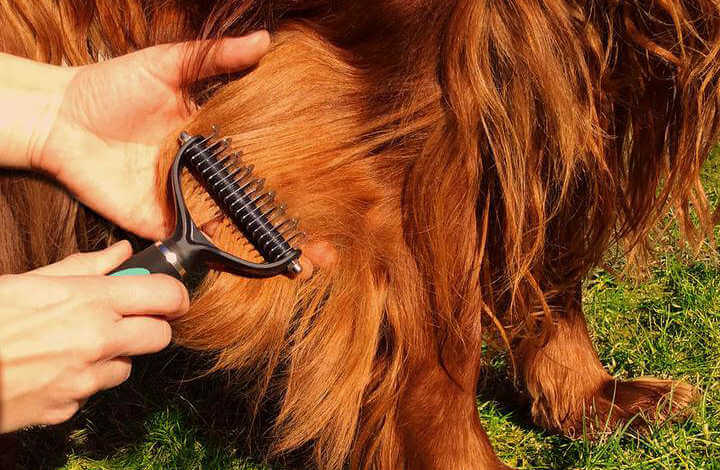
- Use a comb-style dematter, starting at the edge.
- Work in small strokes, following the hair’s direction.
- Give a treat after the mat is removed.
This approach keeps your dog comfortable and builds trust.
Credit: www.rubold.com
Mistakes To Avoid When Using A Dematting Tool
Many owners make mistakes that can hurt their dogs or make matting worse. Here are common errors to avoid:
- Using too much force: Pressing hard can scratch or cut the skin.
- Pulling through mats: Forcing the tool causes pain and can break hair.
- Skipping preparation: Not brushing or using detangler makes mats harder to remove.
- Ignoring sensitive areas: Mats in the armpits, groin, or behind the ears are painful if handled roughly.
- Rushing the process: Trying to do everything at once makes dogs anxious and increases mistakes.
A less obvious mistake: some owners use human combs or scissors, which are not designed for dog fur and can cause injuries.
When To Seek Professional Help
Not all mats can be handled at home. If you encounter mats that are:
- Very close to the skin
- Covering large areas
- Hiding wounds or irritated skin
- Causing pain or discomfort
…it’s best to call a professional groomer or your veterinarian. They have special tools and techniques to remove severe mats without hurting your dog. Trying to cut out big mats at home can lead to accidental cuts or infections.
Comparing Dematting Tools And Their Uses
Choosing the right dematting tool can make a big difference. Here’s a comparison of popular tools and what they’re best suited for:
| Tool | Coat Type | Mat Severity | Ease of Use |
|---|---|---|---|
| Undercoat Rake | Double-coated breeds | Medium to large mats | Easy |
| Mat Splitter | Long, fine hair | Small, tight mats | Moderate |
| Dematting Comb | All coat types | General tangles | Easy |
| Blunt Scissors | Sensitive areas | Severe mats | Difficult |
Remember, the best tool depends on your dog’s breed, coat condition, and your own comfort level.
Practical Tips For Easier Dematting
Grooming should be a positive experience for both you and your dog. Here are some tips that many owners overlook:
- Work in natural light: It’s easier to see mats and avoid mistakes.
- Start small: Don’t try to remove all mats in one session, especially if your dog is new to grooming.
- Use your senses: Smell the fur—sometimes mats trap moisture and bacteria, leading to odor.
- Check your tool’s blades: Dull or damaged blades can cause more harm than good.
- Keep sessions short: Ten to fifteen minutes is enough for most dogs.
- Reward breaks: Give treats or playtime between mats to keep your dog happy.
- Rotate tools: Sometimes switching between a comb and a rake helps with stubborn mats.
- Watch for stress signals: Panting, whining, or trying to escape means your dog needs a break.
An insight beginners miss: dematting after a bath is harder—wet mats tighten as they dry. Always demat before bathing.

Credit: rexipets.com
How Often Should You Demat Your Dog?
Frequency depends on your dog’s breed, coat type, and lifestyle. Dogs with long, curly, or double coats (like Poodles, Shih Tzus, and Collies) may need dematting every week. Short-haired breeds rarely need it unless they get into sticky messes.
As a rule:
- Long-haired breeds: Check for mats every 2–3 days.
- Active outdoor dogs: Inspect after walks or play.
- Older dogs: Check more often as they groom themselves less.
Most important: regular brushing prevents mats better than any tool can remove them. Make grooming a routine, not just a response to a problem.
Dematting Puppies And Senior Dogs
Dematting puppies or older dogs requires extra care. Their skin is more sensitive, and they may not tolerate long sessions.
For Puppies
- Start with short, gentle sessions.
- Use lots of treats and praise.
- Introduce the tool slowly; let your puppy sniff and explore it.
For Senior Dogs
- Be alert for arthritis or joint pain.
- Avoid pulling or stretching limbs.
- Work slowly and stop if your dog shows discomfort.
A tip many miss: senior dogs often develop mats because they move less and groom themselves less. Frequent gentle checks can prevent bigger problems.
The Role Of Diet And Health In Mat Prevention
You might not expect it, but your dog’s diet and overall health can affect matting. Dogs with skin conditions, allergies, or poor nutrition often have dry, brittle coats that mat more easily. Regular vet checkups and a balanced diet rich in omega-3 fatty acids support healthy skin and fur.
Parasites like fleas or ticks can also lead to matting, as your dog will scratch or bite, tangling the fur. Keeping your pet parasite-free is another key to mat prevention.
How Dematting Differs From Regular Brushing
Many owners confuse dematting with brushing, but they serve different purposes. Brushing removes loose hair and prevents tangles; dematting tackles already-formed mats. Using a dematting tool on a well-brushed dog is unnecessary and may even cause discomfort.
Here’s a quick comparison:
| Brushing | Dematting |
|---|---|
| Prevents mats and tangles | Removes existing mats |
| Quick, regular sessions | Longer, focused effort |
| Suitable for all dogs | Mainly for long/curly coats |
| Minimal risk of injury | Requires careful handling |
Safety Considerations When Using Dematting Tools
Safety should always come first. Dematting tools have sharp blades and can cause cuts or scrapes if not used carefully. Always check the tool before each session—look for rust, loose parts, or dull blades.
Never use a dematting tool on:
- Open wounds or irritated skin
- Areas with ticks or visible sores
- Dogs with skin conditions unless cleared by a vet
If you’re unsure, err on the side of caution and consult a professional.
Teaching Your Dog To Enjoy Grooming
Some dogs dislike grooming because of bad past experiences or sensitive skin. You can help your dog learn to tolerate—or even enjoy—dematting with a little patience.
- Start with short, positive sessions.
- Use treats, toys, or praise after each step.
- Gradually increase the time as your dog gets more comfortable.
- End every session on a positive note, even if you don’t finish all mats.
One non-obvious trick: let your dog watch you groom another pet or even a stuffed animal. This can make the process less scary.
Preventing Mats Between Grooming Sessions
Consistent prevention is easier than fixing mats later. Here’s how to keep mats from forming in the first place:
- Brush your dog daily or every other day, especially if they have a long or curly coat.
- Keep your dog clean and dry—moisture and dirt lead to matting.
- Trim hair in problem areas (like under the collar or around the legs) if your breed allows it.
- Use a leave-in detangler or coat conditioner for dogs prone to mats.
- Remove collars, harnesses, or clothing when your dog is indoors to prevent pressure mats.
For more on dog grooming basics, the American Kennel Club offers helpful tips: AKC Grooming Guide.
Frequently Asked Questions
How Do I Know If A Mat Is Too Severe To Remove At Home?
If the mat is very tight, close to the skin, or covers a large area, it’s best to see a professional groomer. Trying to cut or pull out severe mats at home can lead to cuts, skin infections, or pain for your dog.
Can I Use Scissors To Cut Out Mats?
Blunt-tipped scissors can help with small, loose mats, but they are risky. It’s easy to accidentally cut your dog’s skin, especially if the mat is close to the body. Only use scissors if you can clearly see the hair and keep the skin safe.
What Should I Do If My Dog Gets Anxious During Dematting?
Take breaks, use treats, and keep the sessions short. Speak calmly and work slowly. If your dog is very stressed, try grooming a little each day instead of all at once. Some owners find that gentle music or a favorite toy helps.
How Can I Prevent Mats From Forming In The First Place?
Regular brushing, keeping your dog clean and dry, and trimming problem areas are the best ways to prevent mats. Check your dog’s coat often, especially after walks or play. Using a detangling spray can also help.
Is It Okay To Bathe My Dog Before Dematting?
No—bathing can make mats tighter as they dry, making removal harder and more painful. Always demat before bathing your dog. Brush out all tangles and mats first, then bathe.
Dog grooming isn’t always easy, but using a dematting tool correctly can make a big difference for both you and your pet. With the right tools, techniques, and a little patience, you can keep your dog’s coat healthy, comfortable, and beautiful. Remember: gentle, regular care is the best way to avoid mats and keep your dog happy.