

If you’re a cat owner, you’ve probably noticed that your cat’s fur isn’t always smooth and shiny. Sometimes, you’ll find clumps or mats—tangled balls of hair that feel rough and tight. These fur clumps can be more than just a grooming problem: they can hide skin issues, cause pain, and even lead to infections. Knowing how to remove fur clumps from your cat is an essential skill for any cat parent. But it’s not always as simple as brushing.
Many people try to fix mats the wrong way, accidentally hurting their cats or making the problem worse. This guide will walk you through safe, effective methods for removing fur clumps from your cat. You’ll learn how to prevent mats, what tools to use, and how to keep your cat calm.
We’ll also cover when it’s time to call a professional. If you want your cat to look and feel their best, understanding how to handle fur clumps is key.
Why Do Cats Get Fur Clumps?
It’s easy to think that all cats are self-cleaning, but the reality is more complicated. Fur clumps—also called mats—happen when loose hairs tangle and bind together. There are several reasons why this occurs:
Natural Shedding
All cats shed, but long-haired breeds like Persians or Maine Coons shed more fur that can get trapped in their coat. The loose hairs twist together, especially if not brushed out often.
Grooming Habits
Older cats, overweight cats, or those with arthritis may not groom as well as they used to. Some cats also just don’t like grooming certain areas, leaving spots that are more likely to mat.
Health Issues
Skin conditions, parasites, or even poor diet can make fur stick together more easily. Cats with dental problems may avoid grooming because it hurts.
Movement And Friction
Fur clumps form where your cat’s fur rubs against itself—like behind the legs, under the collar, or near the tail. These spots are often overlooked during regular brushing.
Environment
Humid weather, dirty bedding, or sticky substances can make mats more likely. Cats that go outside are more at risk.
Non-obvious insight: Even short-haired cats can get mats, especially if they have a thick undercoat or health issues. Don’t assume your cat is safe just because their fur is short.
Dangers Of Fur Clumps For Cats
It’s tempting to ignore a small mat, but fur clumps can turn into a serious problem:
- Skin irritation: Mats pull on the skin, causing pain and redness.
- Infection: Moisture gets trapped under mats, leading to sores and bacterial growth.
- Restricted movement: Large mats can make it hard for your cat to walk or stretch.
- Increased stress: Cats may become anxious or aggressive if mats are painful.
- Parasites: Fleas and ticks can hide under clumps, making them harder to spot.
Non-obvious insight: Cats will often hide discomfort. A cat with mats may simply move less, groom less, or avoid being touched.
Tools You’ll Need To Remove Fur Clumps
Trying to remove mats with the wrong tools can hurt your cat or even damage their skin. Here’s what you should have on hand:
| Tool | Best For | Notes |
|---|---|---|
| Wide-tooth comb | Detangling large mats | Gentle on skin, good for first pass |
| Slicker brush | Removing loose hair | Best for medium to long coats |
| Mat splitter | Cutting through tough mats | Use with care; sharp blade |
| Blunt-tipped scissors | Trimming small mats | Essential for safety |
| Detangling spray | Loosening tight clumps | Reduces pulling and pain |
| Grooming glove | Daily maintenance | Good for cats who dislike brushes |
Pro tip: Always have some treats nearby to reward your cat and keep them calm.
Preparing Your Cat For Fur Clump Removal
Before you start, it’s important to make the experience as stress-free as possible for your cat. A relaxed cat is less likely to scratch or bite, and you’re less likely to make mistakes.
Choose The Right Time
Pick a quiet time when your cat is calm—after a meal or nap is ideal. Avoid times when your cat is playful or agitated.
Set Up Your Space
Work in a well-lit area with all your tools within reach. Place a towel on your lap or table to catch loose fur.
Get Your Cat Comfortable
Pet your cat gently and speak softly. Let them sniff the tools. If your cat is nervous, take breaks and try again later.
Use Treats And Praise
Give your cat a favorite treat before, during, and after grooming. This builds positive associations and helps reduce anxiety.
Key insight: Never try to remove fur clumps when you’re in a hurry or frustrated. Rushing increases the risk of hurting your cat.
Step-by-step: How To Remove Fur Clumps From Your Cat
Removing mats can be tricky, especially if they’re close to the skin. Here’s a method that works for most cats:
Step 1: Assess The Fur Clump
Check the size, location, and tightness of the mat. Small, loose mats are easier to remove. If a mat is very tight, very large, or close to sensitive skin, consider calling a groomer.
Step 2: Loosen The Mat
Spray a small amount of detangling spray on the mat if you have it. Let it sit for a minute. Gently separate the mat with your fingers, working from the outside in.
Step 3: Use A Wide-tooth Comb
Start at the tip of the mat (furthest from the skin) and slowly comb out small sections. Hold the base of the mat close to the skin with your fingers to avoid pulling.
Step 4: Try A Mat Splitter For Tough Mats
If the comb doesn’t work, carefully use a mat splitter to slice the mat into smaller pieces. Work slowly and always direct the blade away from your cat’s skin.
Step 5: Use Blunt-tipped Scissors For Small Clumps
For small, stubborn mats, gently slide a comb under the mat to protect the skin, then snip the clump above the comb. Never cut close to the skin—cat skin is very thin and easy to injure.
Step 6: Brush Out Loose Hairs
After removing the mat, use a slicker brush to smooth the area and remove any leftover loose fur.
Step 7: Check For Skin Problems
Look at the skin under the mat. If you see redness, sores, or signs of infection, contact your veterinarian.
Step 8: Reward Your Cat
Give your cat a treat and lots of praise. Grooming should always end on a positive note.
Handling Difficult Or Aggressive Cats
Some cats simply won’t sit still for mat removal. If your cat growls, hisses, or tries to bite:
- Stop and try again later. Forcing the issue increases stress for both of you.
- Enlist a helper to gently hold your cat.
- Wrap your cat loosely in a towel (“kitty burrito”) to expose only the area you’re working on.
- Try grooming in short sessions—just a few minutes at a time.
Important: Never punish your cat for resisting. Negative experiences make future grooming harder.
When To Call A Professional
Not all mats can or should be handled at home. Seek help from a vet or professional groomer if:
- The mat is large, tight, or very close to the skin
- The area is red, bleeding, or smells bad
- Your cat is in pain or very stressed
- You’re unsure how to proceed safely
Professional groomers have special tools and experience to remove mats with minimal stress. In some cases, sedation may be needed for severe matting.
Pro insight: Removing large mats can take time. Don’t expect to fix everything in one session.
How To Prevent Fur Clumps
Prevention is much easier than treatment. Regular grooming not only stops mats, it also strengthens your bond with your cat.
Brushing Frequency
How often should you brush your cat? It depends on their coat type and lifestyle. Here’s a comparison:
| Coat Type | Recommended Brushing | Notes |
|---|---|---|
| Short-haired | 1-2 times/week | More during shedding season |
| Medium-haired | 3-4 times/week | Watch for mats near legs and tail |
| Long-haired | Daily | Essential to prevent severe mats |
Grooming Tools For Prevention
- Slicker brush: Removes loose hair before it mats.
- Grooming glove: Great for cats who dislike brushes.
- Undercoat rake: Gets deep into thick fur.
Switch up your tools to see what your cat prefers. Some cats love grooming gloves, others like combs.
Bathing And Coat Care
Most cats don’t need regular baths, but if your cat gets sticky or dirty often, a gentle bath can help. Use only cat-safe shampoos.
Diet And Hydration
A healthy coat starts from within. Feed your cat a balanced diet with enough omega-3 and omega-6 fatty acids. Make sure fresh water is always available.
Environment
Keep your cat’s bedding clean and dry. Provide scratching posts to help them groom themselves.
Surprising fact: Indoor cats can get mats just as often as outdoor cats—sometimes more, because they get less natural wear on their coat.
Common Mistakes When Removing Fur Clumps
Many cat owners make well-meaning mistakes that can hurt their cat or make mats worse:
- Pulling on the mat: This can tear the skin and cause pain.
- Cutting mats without a comb guard: It’s very easy to cut your cat’s skin by accident.
- Using human scissors: These are often too sharp and pointed.
- Bathing a matted cat: Water can tighten mats, making them harder to remove.
- Ignoring small mats: Small mats grow quickly. Early action is best.
- Skipping regular grooming: Even one missed week can lead to tangles.
Practical advice: If you’re not sure, stop and ask a professional before proceeding.
Special Cases: Senior Cats, Overweight Cats, And Cats With Medical Issues
Some cats are more prone to mats due to health or age:
- Senior cats: Arthritis and dental problems make grooming difficult.
- Overweight cats: Can’t reach all areas.
- Cats with skin conditions: May have flaky skin that sticks to fur.
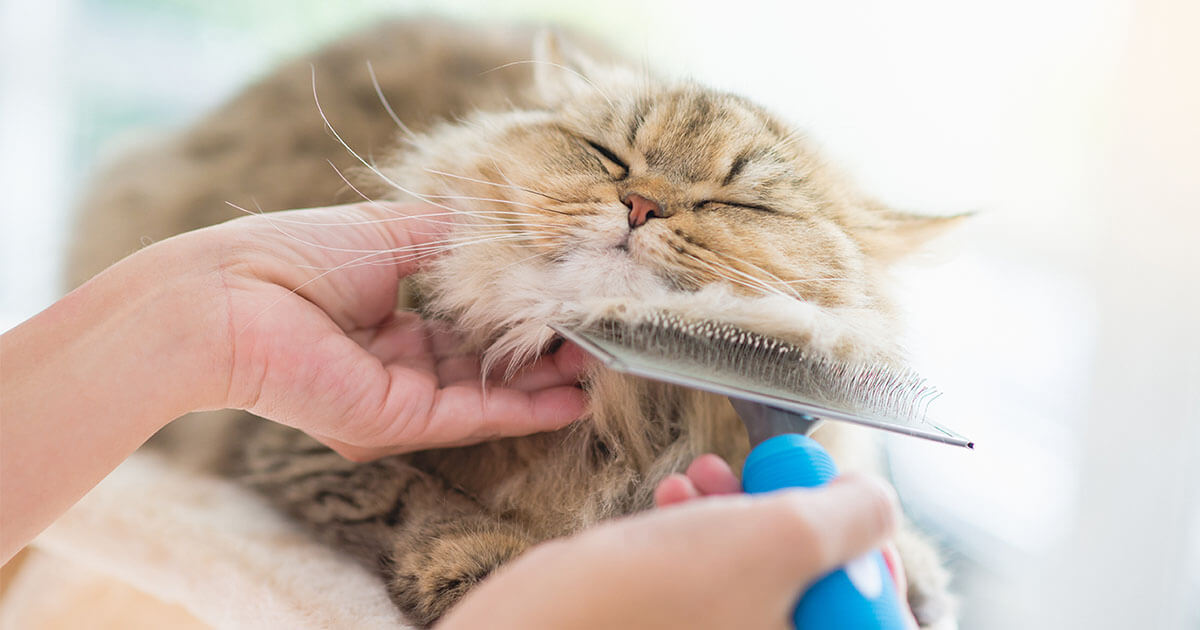
For these cats, increase brushing frequency and check often for mats in hard-to-see areas like the belly, underarms, and back legs.
Helpful tip: Use a flashlight to check under thick fur if your cat allows.
Credit: www.zoetispetcare.com
What About Hairless Or Short-haired Breeds?
Hairless cats like the Sphynx don’t get fur clumps, but they do need regular skin cleaning to prevent oil buildup. Short-haired breeds can still get mats, especially if they have health issues or a thick undercoat.
Home Remedies: What Works And What Doesn’t
Some online tips can actually do more harm than good. Here’s a quick look at what’s safe:
| Remedy | Safe? | Notes |
|---|---|---|
| Baby oil | Not recommended | Can cause digestive upset if licked |
| Cornstarch | Safe in small amounts | Helps loosen mats; use sparingly |
| Human detangling sprays | Unsafe | May contain toxic chemicals |
| Cat-specific detangling spray | Safe | Designed for cats’ sensitive skin |
Key point: Always use products made for cats. If in doubt, ask your vet.
Credit: www.youtube.com
The Role Of Regular Vet Checkups
Sometimes, mats are a sign of underlying health issues. Regular checkups can catch problems early—like arthritis, obesity, or dental disease—that affect your cat’s grooming. Your vet can also recommend safe products or grooming routines for your cat’s specific needs.
Advanced tip: If your cat suddenly stops grooming, it’s a red flag. Schedule a vet visit to rule out pain or illness.
Building A Positive Grooming Routine
The best way to avoid fur clumps is to make grooming a part of your cat’s routine from a young age. If your cat is new to grooming:
- Start with short, gentle sessions.
- Use treats and praise.
- Gradually increase the time as your cat gets used to it.
If your cat already hates grooming, go slow. Even a few seconds a day is progress.
The Emotional Side: Keeping Your Cat Happy
Grooming isn’t just about fur—it’s about trust. A positive experience can bring you and your cat closer. Watch your cat’s body language: if they start to flick their tail, flatten their ears, or try to escape, it’s time to stop.
Wise advice: Never force grooming. A little patience now means easier grooming in the future.
Real-world Examples: Success Stories
Case 1: “My long-haired cat, Bella, hated brushing. I started using a grooming glove and gave her treats every time. After a month, she started purring during grooming, and mats became rare.”
Case 2: “My senior cat stopped grooming his back. I checked and found several mats. The vet treated his arthritis, and with daily brushing, his coat improved in weeks.”
These examples show that with patience and the right tools, you can prevent mats and improve your cat’s quality of life.
Credit: www.youtube.com
Frequently Asked Questions
How Do I Know If A Fur Clump Is Too Severe To Handle At Home?
If the mat is larger than a quarter, very tight, or close to sensitive areas (like armpits or belly), it’s best to get professional help. Signs of pain, bleeding, or bad odor mean you should call your vet or a groomer right away.
Can I Just Cut Out A Fur Clump With Scissors?
Only if you’re extremely careful. Always slide a comb between the mat and your cat’s skin before cutting. Use blunt-tipped scissors and never cut close to the skin. Many accidental injuries happen this way, so when in doubt, seek help.
Are There Any Breeds More Prone To Fur Clumps?
Yes. Long-haired breeds like Persians, Himalayans, and Maine Coons are most at risk. Cats with thick undercoats or double coats are also prone to mats. However, any cat can develop mats if they have health or grooming problems.
What Should I Do If My Cat Gets Stressed During Mat Removal?
Stop immediately and try again later. Use treats and gentle praise. For very stressed cats, break grooming into short sessions (just a few minutes each day). If your cat continues to react badly, talk to your vet about calming options or professional grooming.
Are There Recommended Resources For More Help?
Yes. The American Association of Professional Cat Groomers offers helpful advice and a list of certified groomers. For more on cat grooming and health, visit the ASPCA Cat Grooming Tips page.
Taking care of your cat’s coat is about more than looks—it’s about health, comfort, and trust. With the right approach, tools, and patience, you can keep your cat mat-free and happy for years to come. If you ever feel unsure or overwhelmed, remember: professional help is just a call away. Your cat will thank you for it.