

If you’re a cat owner, you’ve probably seen clumps of fur all over your home—on your clothes, furniture, and carpets. Shedding is a normal part of a cat’s life, but it can sometimes feel overwhelming, especially during peak shedding seasons. That’s where a deshedding tool for cats comes in. Used correctly, it can reduce loose hair, prevent hairballs, and keep your cat’s coat healthy and beautiful. But many cat owners have questions: How do you choose the right tool? What’s the safest way to use it? How often should you deshed your cat? This guide gives you everything you need to know, even if you’re new to cat grooming.
Why Cats Shed And Why It Matters
Cats shed their fur for several reasons. Most breeds have natural cycles where they lose old or damaged hair, especially in spring and fall. Indoor cats may shed year-round because of artificial lighting and temperature. Some cats, like Maine Coons or Persians, have thick double coats and shed more than short-haired breeds.
Shedding isn’t just a cosmetic issue. Excessive loose hair can lead to hairballs when cats groom themselves. Matted fur can cause skin irritations, and heavy shedding means more cleaning for you. If you or your family have allergies, controlling fur is even more important.
A deshedding tool helps by removing the loose undercoat before it falls out naturally. This means less fur around your home and a happier, healthier cat.
Understanding The Deshedding Tool
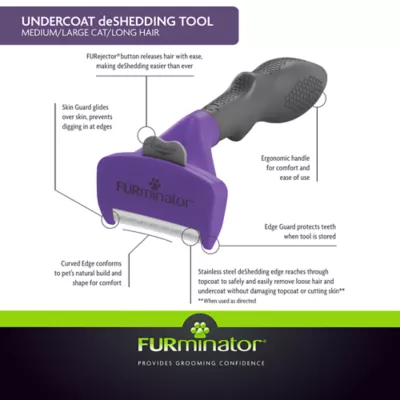
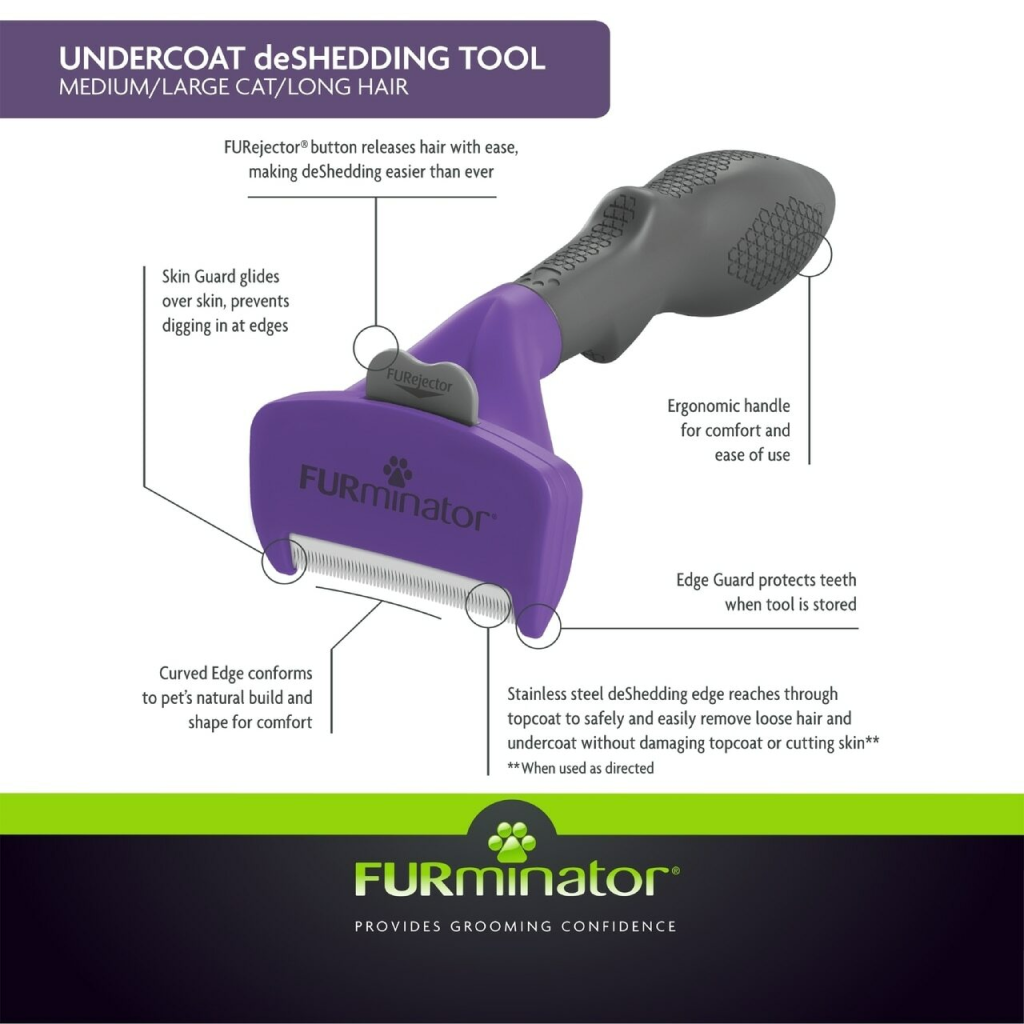
A deshedding tool isn’t just any brush. It’s specially designed to reach deep into the cat’s coat and pull out loose undercoat fur without damaging the skin or the healthy topcoat. The most popular deshedding tools use stainless steel edges with teeth that gently grab loose hair.
Some have safety guards, ergonomic handles, or ejector buttons to make cleaning the tool easier.
Deshedding Tool Vs. Regular Brush
Here’s how a deshedding tool compares to a regular cat brush:
| Feature | Deshedding Tool | Regular Brush |
|---|---|---|
| Removes undercoat | Yes | No/Minimal |
| Reduces shedding | Significantly | Slightly |
| Prevents hairballs | Yes | Partially |
| Comfort for cat | High (if used correctly) | High |
| Time needed | Shorter | Longer |
A deshedding tool is not meant for detangling mats or cutting fur. Its main purpose is to pull out loose hair before it becomes a problem.
Choosing The Right Deshedding Tool For Your Cat
Not every deshedding tool works for every cat. Here’s what to consider before buying:
1. Coat Length
- Short-haired cats: Choose a tool with shorter, finer teeth. These are gentle but effective.
- Long-haired cats: Look for longer, wider teeth that can reach the thick undercoat.
2. Cat Size
Deshedding tools come in different widths. For small or medium cats, a 1. 75–2 inch blade is usually enough. Large cats may need a wider tool for efficiency.
3. Handle And Comfort
A non-slip, ergonomic handle makes grooming easier for you. Some tools have rubber grips or curved handles to reduce hand fatigue.
4. Safety Features
Rounded teeth, skin guards, and ejector buttons can make grooming safer and more convenient.
5. Brand And Quality
While there are many cheap options, a well-made tool lasts longer and is less likely to scratch your cat. Popular brands like FURminator and Hertzko are known for their quality and safety.
6. Replaceable Blades
If you plan to use the tool often or for several cats, choose one with replaceable blades to save money in the long run.
Preparing Your Cat And Space For Deshedding
A calm, relaxed cat will make deshedding much easier. Here’s how to get ready:
Create A Comfortable Environment
Pick a quiet time and place. Avoid grooming your cat right after a meal or when they are very playful. Lay down a towel or old sheet to collect loose fur. This makes cleanup easier and helps your cat feel secure.
Gather Your Supplies
You’ll need:
- The deshedding tool
- A regular brush or comb (for tangles)
- Cat treats (for positive reinforcement)
- A trash bin or bag for collected fur
- Optional: Grooming wipes to clean up after
Check For Mats Or Tangles
Before using the deshedding tool, gently run your fingers through your cat’s fur. If you find tangles or mats, use a regular brush or a mat splitter to remove them. Never use a deshedding tool on matted fur; it can pull and hurt your cat.
Trim Nails If Needed
Some cats try to grab or scratch during grooming. Trimming their nails before you start can protect your hands.
Step-by-step: How To Use A Deshedding Tool On Your Cat
Many cat owners worry about hurting their pet or making grooming stressful. With the right method, deshedding can be safe and enjoyable for both of you.
1. Start With A Calm Cat
Pet or play with your cat first. If your cat is nervous, try short sessions at first. Always use gentle movements.
2. Brush In The Direction Of Hair Growth
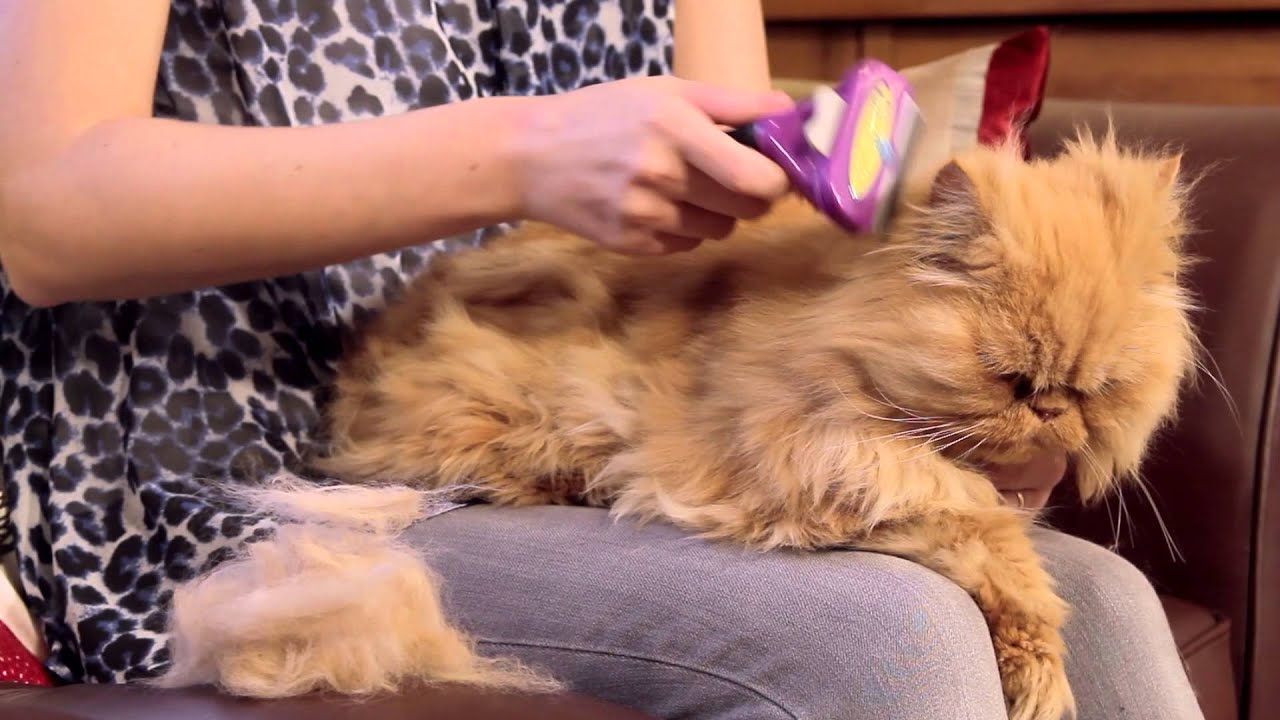
Place the tool’s edge against your cat’s coat. Move it slowly in the same direction as the hair grows—from head toward tail. Avoid brushing back and forth or against the grain, as this can pull hair or scratch the skin.
3. Use Short, Gentle Strokes
Don’t press too hard. Let the tool’s weight do the work. Use short, smooth strokes, especially in sensitive areas like the belly, legs, and tail.
4. Focus On Problem Areas
Most cats shed more around the back, sides, and under the neck. Spend extra time in these areas, but be gentle.
5. Check The Tool Frequently
Loose fur will build up on the edge or in the teeth. Clean it off every few strokes to keep the tool working well.
6. Watch For Signs Of Discomfort
If your cat squirms, flattens their ears, or tries to leave, pause and try again later. Never force a nervous or scared cat to continue.
7. Give Rewards
Praise and treats can help your cat associate grooming with good experiences. End each session on a positive note.
Example Session
Let’s say you have a medium-sized short-haired cat. Start by petting your cat and letting them sniff the tool. Begin at the neck and use gentle strokes down the back. Move to the sides, then the legs and tail. If your cat is calm, you can do the belly last.
Clean the tool often and finish with a treat.
How Often Should You Deshed Your Cat?
The right frequency depends on your cat’s breed, coat length, and the season.
- Short-haired cats: Once a week is usually enough.
- Long-haired cats: Two to three times a week, especially during peak shedding seasons (spring and fall).
- Heavy shedders: Some cats need daily sessions for a week during heavy shedding.
- Indoor cats: May shed year-round, so adjust as needed.
Over-grooming can irritate your cat’s skin, so watch for redness or bald spots. If you see these, reduce the frequency or consult your vet.
Common Mistakes To Avoid
1. Using Too Much Pressure
Pressing hard with the deshedding tool can scratch or injure your cat. Always use a light touch.
2. Grooming Mats Or Tangles
Deshedding tools aren’t made for removing mats. Using them on tangled fur can hurt your cat and damage the tool.
3. Grooming Wet Fur
Always use the deshedding tool on dry fur. Wet hair clumps and can pull on the skin.
4. Ignoring Sensitive Areas
Some cats hate having their belly, legs, or tail touched. Be extra gentle or skip these areas if your cat objects.
5. Skipping Regular Checks
Check your cat’s skin for cuts, bumps, or parasites before and after grooming. If you see anything unusual, talk to your vet.
How Deshedding Benefits Your Cat’s Health
Regular deshedding does more than keep your home clean.
Reduces Hairballs
Cats swallow loose fur when they groom themselves. Too much fur can lead to hairballs—unpleasant for both you and your cat. Deshedding removes this loose hair before your cat can swallow it.
Prevents Mats And Skin Problems
Loose undercoat fur can tangle and form mats. Mats trap dirt and moisture, which can cause skin infections. Removing the undercoat keeps your cat’s skin healthy.
Improves Bonding
Regular grooming is a way to bond with your cat. Most cats enjoy being brushed if it’s done gently and with patience.
Controls Allergens
Cat fur carries dander, a major cause of allergies. Deshedding reduces the amount of fur and dander in your home.
Helps Spot Health Issues
When you groom your cat, you can check for lumps, wounds, or fleas. Early detection means you can get help sooner.
Comparing Popular Deshedding Tools
Not all deshedding tools are created equal. Here’s a comparison of three popular choices:
| Brand/Model | Best For | Key Features | Price Range |
|---|---|---|---|
| FURminator | All breeds, all coat lengths | Stainless steel edge, ejector button, ergonomic handle | $25–$45 |
| Hertzko Self Cleaning Slicker | Short to medium coats | Fine bent wires, self-cleaning button | $15–$25 |
| Paws & Pals Deshedding Tool | Long-haired cats | Wide head, comfort grip, budget-friendly | $10–$20 |
FURminator is often recommended by vets and groomers for its effectiveness and safety. However, other brands may be more affordable and work well for specific needs.
What To Do With All That Loose Fur
After a deshedding session, you might be surprised by the amount of fur you collect. Here are some ideas:
- Dispose of it in the trash: Never flush fur down the toilet.
- Compost it: Cat fur breaks down and adds nitrogen to compost (only if your cat is healthy and flea-free).
- Bird nest material: Place clumps of clean fur outside in spring; birds may use it for nesting.
- Crafts: Some creative people spin pet fur into yarn! This isn’t for everyone, but it’s possible.
Always wash your hands after handling loose cat fur.
Caring For Your Deshedding Tool
A well-maintained tool works better and lasts longer.
Cleaning
After each use, remove fur from the teeth with your fingers or a cleaning brush. Some tools have a self-cleaning button; press it to eject the fur.
Sanitizing
Once a month, wash the tool in warm, soapy water. Dry it completely to prevent rust, especially if it has metal parts.
Storing
Store the tool in a dry place, out of reach of pets and children. Some tools come with blade guards or covers.
Replacing Parts
If the teeth are bent or the blade is dull, replace the part or buy a new tool. A dull blade can pull hair and hurt your cat.
When To See A Vet Or Professional Groomer
Sometimes, home grooming isn’t enough. Seek professional help if:
- Your cat’s fur is badly matted or tangled
- You notice skin sores, bald patches, or heavy dandruff
- Your cat resists all attempts at home grooming
- Your cat has health issues that make grooming difficult
A groomer can safely remove mats and give your cat a full coat treatment. Your vet can check for medical causes of excessive shedding, such as allergies, parasites, or hormone problems.
Credit: www.youtube.com
Special Cases: Kittens, Seniors, And Special Needs Cats
Not all cats are the same. Some need special care.
Kittens
Kittens usually have fine, soft fur and don’t shed much. Use a small, gentle tool and short sessions. Make grooming fun with play and treats.
Senior Cats
Older cats may have arthritis or sensitive skin. Use a softer tool and be extra gentle. Watch for signs of pain.
Special Needs Or Anxious Cats
Cats with disabilities or anxiety may need more patience. Try calming sprays, soothing music, or ask your vet about safe calming products.
Practical Tips For Stress-free Deshedding
- Start slow: Let your cat sniff and explore the tool before you begin.
- Short sessions: Five minutes is enough for a start. Increase as your cat gets comfortable.
- Use treats: Reward calm behavior during and after grooming.
- Talk softly: Your voice can reassure your cat.
- Groom after play: A tired cat is often more relaxed.
- Stay patient: Some cats need weeks to get used to grooming.
- Observe your cat’s mood: If your cat is agitated, try again later.
Credit: www.petsmart.com
Myths And Facts About Cat Deshedding
There’s a lot of confusion about deshedding. Let’s clear up some common myths.
Myth 1: Deshedding Tools Cut Your Cat’s Fur
Fact: Quality deshedding tools are designed to remove only loose, dead hair. They don’t cut or shave the coat.
Myth 2: All Cats Hate Being Groomed
Fact: Many cats enjoy gentle grooming, especially if introduced slowly and with positive reinforcement.
Myth 3: Deshedding Is Only For Long-haired Cats
Fact: Short-haired cats shed too! Deshedding tools work for most breeds.
Myth 4: Deshedding Tools Cause Bald Spots
Fact: Bald spots are usually caused by over-grooming or medical issues, not the tool itself.
Myth 5: More Grooming Is Always Better
Fact: Too much grooming can irritate the skin. Find the right balance for your cat.
Deshedding Tool Safety: What Every Owner Needs To Know
Using a deshedding tool is generally safe, but some precautions help avoid problems.
- Never use on wounds or irritated skin: Wait until your cat is healed.
- Avoid eyes, ears, and genitals: These areas are very sensitive.
- Check for allergies: If your cat’s skin is red or itchy after grooming, stop and consult your vet.
- Don’t share tools: Each cat should have its own tool to prevent spreading parasites or skin infections.
If you’re ever unsure, ask your vet or a professional groomer for advice.
The Environmental Impact Of Cat Fur
You might wonder what happens to all that collected fur. Most people throw it away, but there are eco-friendly options:
- Compost: Cat fur is high in nitrogen and can be composted with yard waste (avoid if your cat has fleas or is on medication).
- Wildlife support: Birds use fur for nesting material.
- Reduce landfill waste: The less fur you vacuum or toss, the better for the environment.
For more on eco-friendly pet care, you can visit ASPCA Cat Care.
Frequently Asked Questions
What Is The Best Deshedding Tool For Cats?
The best deshedding tool depends on your cat’s coat type and size. The FURminator is highly recommended for most breeds, but Hertzko and Paws & Pals offer good alternatives. Look for a tool with stainless steel teeth, an ergonomic handle, and safety features.
Can I Use A Deshedding Tool On A Kitten?
Yes, but use a small, gentle tool and very light pressure. Kittens have sensitive skin and fine fur, so keep sessions short and positive.
How Do I Know If I’m Pressing Too Hard?
If your cat flinches, tries to move away, or you see red skin after grooming, you’re pressing too hard. The tool should glide smoothly—let its weight do the work.
Why Does My Cat Shed So Much, Even After Using The Tool?
Some shedding is normal, especially during seasonal changes. Health problems, stress, or diet can also increase shedding. If you notice bald spots, sores, or sudden changes, talk to your vet.
Is It Possible To Over-groom My Cat?
Yes. Over-grooming can irritate the skin and cause bald patches. Most cats only need deshedding once or twice a week. Watch for signs of discomfort and adjust as needed.
Shedding is a part of every cat’s life, but it doesn’t have to take over yours. With the right deshedding tool, a gentle hand, and a bit of patience, you can keep your home cleaner and your cat healthier. Regular grooming builds trust and can even be an enjoyable time for both of you.
Remember to choose the right tool for your cat’s needs, go slow, and make the experience positive. With these steps, managing your cat’s shedding becomes a simple part of caring for your feline friend.
Credit: www.centinelafeed.com