
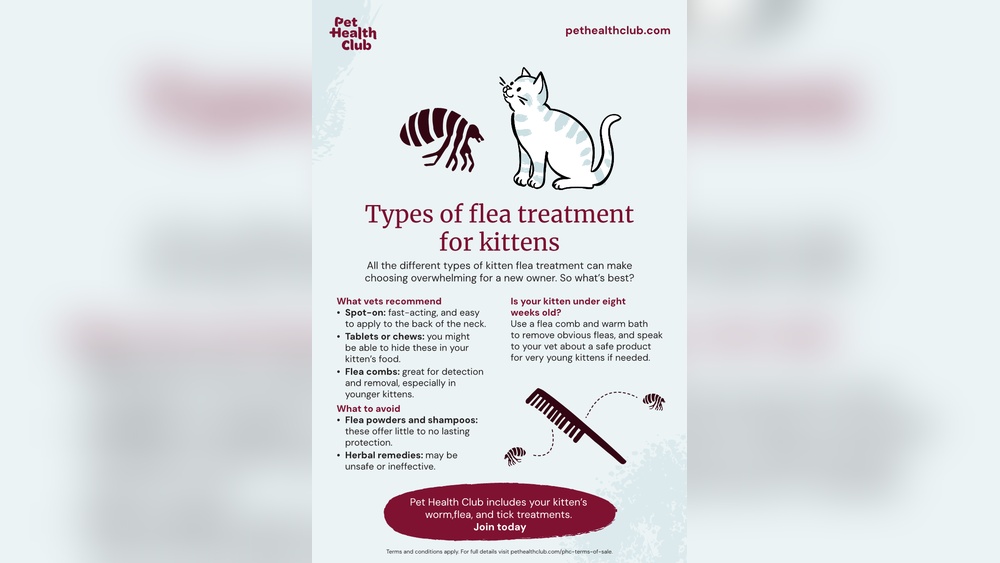
Can I Comb My Cat After Flea Treatment?
Fleas can turn any cat’s life into an itchy struggle. As a pet owner, you want to help your furry friend feel comfortable as soon as possible. After applying flea treatment, you might wonder: can I comb my cat after flea treatment? Is it safe, helpful, or could it interfere with the medication? The answer isn’t always simple. It depends on the type of flea treatment, timing, your cat’s skin condition, and how you comb.
This article guides you through everything you need to know about combing your cat after flea treatment. You’ll discover when it’s safe, the best methods, and how to support your cat’s recovery. With clear advice, practical steps, and expert tips, you’ll feel confident caring for your cat after flea treatment—without risking their health.
Understanding Flea Treatment For Cats
Flea treatments come in different forms, each with its own instructions and safety guidelines. Knowing how these treatments work helps you decide when and how to groom your cat.
Common Types Of Flea Treatments
1. Spot-on Treatments
These are the most popular. You apply a liquid solution to the skin, usually between the shoulder blades. The medicine spreads across the skin’s surface, killing fleas on contact. Examples include Frontline, Advantage, and Revolution.
2. Oral Medications
Pills or chewable tablets, such as Comfortis or Capstar, are swallowed. The active ingredient enters the cat’s bloodstream, killing fleas when they bite.
3. Flea Collars
These collars release chemicals that repel or kill fleas. Some work for several months.
4. Flea Shampoos And Sprays
Used during baths or sprayed directly on the cat, these kill fleas immediately but don’t always have lasting effects.
Each type has unique directions. Spot-on treatments, for example, often warn against bathing or heavy brushing right after use. Oral medications don’t have these restrictions.
How Flea Treatments Work
Flea treatments contain insecticides or growth regulators. Spot-on and collar products spread through the skin’s natural oils, creating a protective layer. When a flea lands, it absorbs the chemical and dies.
Oral treatments circulate in the blood. Fleas die after biting and feeding.
Some products start working in 30 minutes, while others take several hours. Most spot-on treatments need 24–48 hours to fully absorb and distribute.
Key insight: The method of application changes when you can safely groom your cat. Spot-on products are most sensitive to early combing.
Can You Comb Your Cat After Flea Treatment?
The short answer: Yes, but with caution. You can comb your cat after flea treatment, but you must consider timing, treatment type, and your cat’s needs.
Why Timing Matters
For most spot-on treatments, wait at least 24–48 hours before combing. This gives the product time to absorb fully into the skin and fur. Combing too soon can:
- Remove some of the medication before it spreads.
- Reduce the treatment’s effectiveness.
- Leave fleas alive or allow a reinfestation.
Oral medications don’t sit on the skin, so you can comb your cat any time. For flea collars, gentle combing is usually fine, but avoid pulling the collar or disturbing the area around the neck.
What Happens If You Comb Too Soon?
Combing too soon after a spot-on treatment can wipe away or spread the liquid, lowering its power. Your cat may remain uncomfortable, and fleas may survive. In rare cases, combing might also irritate the skin, especially if the product causes mild reactions.
Practical tip: If you’re unsure, check the product label or call your vet. Each brand has specific instructions.
Is Combing After Flea Treatment Helpful?
Yes. Combing serves several important roles:
- Removes dead fleas and eggs
Even the best treatments can’t remove dead fleas or their droppings from the fur. Combing helps your cat feel clean.
- Relieves itching
Dead fleas and flea dirt can make your cat itch. Combing removes these irritants.
- Monitors effectiveness
You’ll see if fleas are still present, which tells you if the treatment is working.
- Prevents matting
Fleas and scratching can cause mats, especially in long-haired cats.
Non-obvious insight: Many owners believe all fleas die instantly. In reality, some may linger for up to 24 hours, especially eggs and larvae. Combing helps catch these survivors.
Credit: www.reddit.com
How To Safely Comb Your Cat After Flea Treatment
Combing after flea treatment isn’t complicated, but a gentle, careful approach prevents problems. Here’s how to do it safely.
Step 1: Check The Waiting Period
- For spot-on treatments: Wait 24–48 hours before combing.
- For oral medications: You can comb any time.
- For flea collars: Gentle combing is fine, but avoid disturbing the collar.
- For shampoos or sprays: Follow label instructions. Usually, you can comb once the fur is dry.
Step 2: Choose The Right Comb
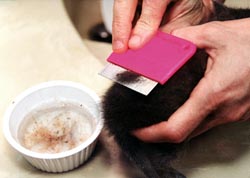
Not all combs are equal. A flea comb is best. This is a fine-toothed metal comb made to catch tiny fleas and their eggs.
Why a flea comb?
- Catches even small fleas and debris.
- Gentle on your cat’s skin.
- Helps detect flea dirt (tiny black specks).
Step 3: Prepare Your Space
- Use a well-lit area.
- Lay a white towel or sheet under your cat. This makes fleas and dirt easy to spot.
- Have a bowl of soapy water nearby. Fleas can jump—dipping the comb removes and drowns them.
Step 4: Comb Gently
- Start at the head and work toward the tail.
- Focus on the neck, back, base of the tail, and underarms—fleas love these spots.
- Move slowly and avoid pulling.
- If you hit a tangle, hold the fur at the base before combing through.
Important: Avoid the exact spot where you applied spot-on treatment for the first 48 hours. This area is sensitive and may still have wet medication.
Step 5: Clean The Comb Frequently
- After each stroke, dip the comb in soapy water.
- Wipe away fleas, eggs, or dirt.
- Continue until you no longer find fleas.
Step 6: Watch For Reactions
After combing, watch your cat for signs of skin irritation, redness, or discomfort. If you see a reaction, stop combing and consult your vet.
Step 7: Repeat If Needed
You can comb daily for a week after treatment to ensure all fleas are gone. Reduce frequency as your cat improves.
Experienced tip: Fleas lay eggs that fall into your home, not just on your cat. Combing helps, but you must also treat your home for full control.
When Should You Not Comb Your Cat After Flea Treatment?
While combing is helpful, some situations require caution or a pause.
If Your Cat’s Skin Is Irritated
Some flea treatments can cause mild skin reactions:
- Redness
- Swelling
- Scabs or sores
If you see these, avoid combing until the skin heals. Combing can worsen irritation or cause pain.
If The Product Label Warns Against It
Some brands warn against grooming for a specific time. Always follow these instructions.
If Your Cat Is Stressed
Some cats hate grooming. If your cat is hiding, hissing, or biting, wait until they are calm. Forcing combing can increase stress and make future grooming harder.
If You Used Multiple Treatments
Using several flea products at once can cause overdose or severe reactions. Avoid combing until you’re sure your cat is safe and the skin is not sensitive.
Non-obvious insight: Reactions may appear hours after treatment. Always check your cat’s skin before combing, even if they seemed fine earlier.

Credit: www.reddit.com
Comparing Flea Treatment Types And Grooming Safety
The best time to comb depends on the treatment. The comparison below helps you choose the safest approach.
| Flea Treatment Type | Time to Wait Before Combing | Special Considerations |
|---|---|---|
| Spot-on Liquid | 24–48 hours | Avoid application site; check label for specific instructions |
| Oral Medication | No waiting period | Safe to comb anytime |
| Flea Collar | None, but be gentle | Don’t disturb the collar or neck area |
| Flea Shampoo/Spray | After fur is dry | Follow label; some may require rinsing |
Common Mistakes Cat Owners Make After Flea Treatment
Even careful owners can make errors after flea treatment. Here’s what to avoid:
1. Combing Too Soon
This can reduce the effectiveness of spot-on products.
2. Using The Wrong Comb
Regular brushes miss small fleas and eggs.
3. Not Checking The Label
Each product has unique instructions. Ignoring them risks your cat’s health.
4. Bathing Right After Treatment
Washing your cat too soon can remove spot-on treatments.
5. Not Treating The Environment
Fleas live in bedding, carpets, and furniture, not just on your cat.
6. Over-treating
Using several products at once can cause toxicity.
7. Ignoring Side Effects
Redness, hair loss, or changes in behavior may signal a problem.
8. Not Repeating Combing
One session may not catch all fleas—continue for several days.
Practical tip: Keep a record of treatment dates, products used, and your cat’s reaction. This helps avoid mistakes and track what works best.
What To Expect After Flea Treatment
Many owners expect instant results. In reality, flea elimination takes time.
How Fast Does Flea Treatment Work?
- Spot-on treatments: Most kill adult fleas within 12–24 hours. Eggs or larvae may survive longer.
- Oral medications: Some (like Capstar) kill fleas in 30 minutes. Others take a few hours.
- Flea collars: May take up to 48 hours for full protection.
- Shampoos/Sprays: Kill fleas on contact but may not prevent reinfestation.
Why Do You Still See Fleas?
You might see live fleas for a few days after treatment. Reasons include:
- Eggs hatching
Flea eggs in your home hatch over several days. New fleas jump onto your cat.
- Incomplete application
If the product didn’t cover all areas, some fleas survive.
- Heavy infestations
Severe infestations take longer to clear.
Helpful table: Flea Life Cycle and Elimination Time
| Flea Stage | Time to Eliminate | Notes |
|---|---|---|
| Adult Fleas | 12–48 hours | Killed by most treatments quickly |
| Eggs | Up to 10 days | May hatch after initial treatment |
| Larvae/Pupae | 7–14 days | Not affected by some products |
Non-obvious insight: Flea treatments rarely kill eggs or pupae directly. Continued cleaning and combing are vital for full control.
How To Support Your Cat After Flea Treatment
Helping your cat recover isn’t just about killing fleas. Comfort, skin care, and home cleaning all play a role.
Soothe Itchy Or Sensitive Skin
Flea bites and medication can leave your cat’s skin itchy or tender.
- Use a gentle touch
Be soft when combing, especially near the treatment site.
- Moisturize if needed
Ask your vet about safe moisturizers or sprays for cats.
- Prevent scratching
Keep your cat’s nails trimmed to avoid wounds from scratching.
Keep Your Home Flea-free
Fleas breed rapidly in carpets, bedding, and furniture. Steps to take:
- Vacuum daily for at least a week after treatment. Pay attention to under furniture and along walls.
- Wash bedding in hot water, including your cat’s favorite sleeping spots.
- Use flea sprays designed for homes if needed, but keep your cat away until the area is dry and aired out.
- Clean other pets even if they show no signs of fleas.
Tip: Flea eggs are sticky and hard to see. Even if you don’t spot them, assume your home needs cleaning.
Monitor Your Cat’s Health
After treatment, watch for:
- Skin redness or hair loss
- Lethargy or hiding
- Vomiting or drooling (rare with spot-on products)
- Loss of appetite
If you notice these, contact your vet. Some cats have mild reactions that resolve quickly; others need medical attention.
Encourage Positive Grooming
Many cats dislike grooming, especially after illness or treatment.
- Use treats to reward calm behavior.
- Keep sessions short and gentle.
- Try grooming after playtime, when your cat is tired and relaxed.
Pro tip: If your cat hates combs, try a grooming glove. Some cats prefer the feel.
Comparing Cat Breeds And Flea Treatment Reactions
Not all cats respond the same way to flea products and grooming. Some breeds have sensitive skin or thick coats, which affects care.
| Cat Breed | Coat Type | Special Considerations |
|---|---|---|
| Persian | Long, thick | Prone to matting; comb thoroughly but gently |
| Sphynx | Hairless | Spot-on treatments may irritate skin; monitor closely |
| Maine Coon | Very long, dense | Requires careful detangling; use a wide-toothed comb first |
| Short-haired Domestic | Short, sleek | Easy to comb; less likely to mat |
Non-obvious insight: Long-haired cats need more frequent combing after treatment, but their thick fur can slow medication spread. Always check for mats or wet spots.
What If Fleas Come Back After Treatment And Combing?
Fleas are stubborn. Sometimes they return even after proper treatment and combing. Here’s what you can do:
1. Repeat The Treatment
Follow label instructions. Don’t reapply sooner than recommended.
2. Switch Products
Some fleas develop resistance to certain chemicals. Your vet can recommend a different formula.
3. Treat Your Home Thoroughly
Most flea problems come from the environment, not just your cat.
4. Check Other Pets
Treat all animals in the home, even if they seem unaffected.
5. Consult Your Veterinarian
Persistent fleas may signal an underlying health issue or the need for prescription-strength solutions.
Non-obvious insight: Fleas can survive in a dormant state for weeks in carpets. Regular cleaning and repeat treatments may be needed for full elimination.
Frequently Asked Questions
How Soon Can I Comb My Cat After Applying Flea Drops?
For most spot-on flea drops, wait 24–48 hours before combing your cat. This ensures the medication has fully absorbed into the skin and won’t be wiped away by grooming.
Can I Comb My Cat After Giving Oral Flea Medication?
Yes. Oral flea medications work from the inside out and do not remain on the skin or fur. You can safely comb your cat at any time after giving an oral treatment.
What Kind Of Comb Should I Use After Flea Treatment?
A fine-toothed flea comb is best. It catches adult fleas, eggs, and dirt. Avoid harsh brushes or tools that could irritate your cat’s skin, especially after treatment.
Will Combing Remove The Flea Treatment?
If you comb within the first 24–48 hours of a spot-on treatment, you might remove or spread the medication, reducing its effectiveness. Always wait the recommended period before combing.
My Cat Is Still Scratching After Flea Treatment. What Should I Do?
Continued scratching is common for a few days after treatment as fleas die and bites heal. Comb your cat to remove dead fleas and soothe the skin. If scratching lasts more than a week or you see redness, consult your veterinarian.
Final Thoughts
Caring for your cat after flea treatment requires patience and attention. Combing is a safe and effective way to help your cat feel better, remove dead fleas, and monitor their recovery—if you wait for the right time. Always follow the instructions for your flea treatment, use a suitable comb, and handle your cat gently.
Remember, full flea control includes treating your home and all pets, not just one cat.
If you have concerns or see side effects, don’t hesitate to reach out to your vet. For further reading on flea treatment safety, check the ASPCA’s guide.
With the right approach, you can help your cat recover from fleas quickly and comfortably—while keeping your home and pets happy and healthy.
Credit: www.vet.cornell.edu