
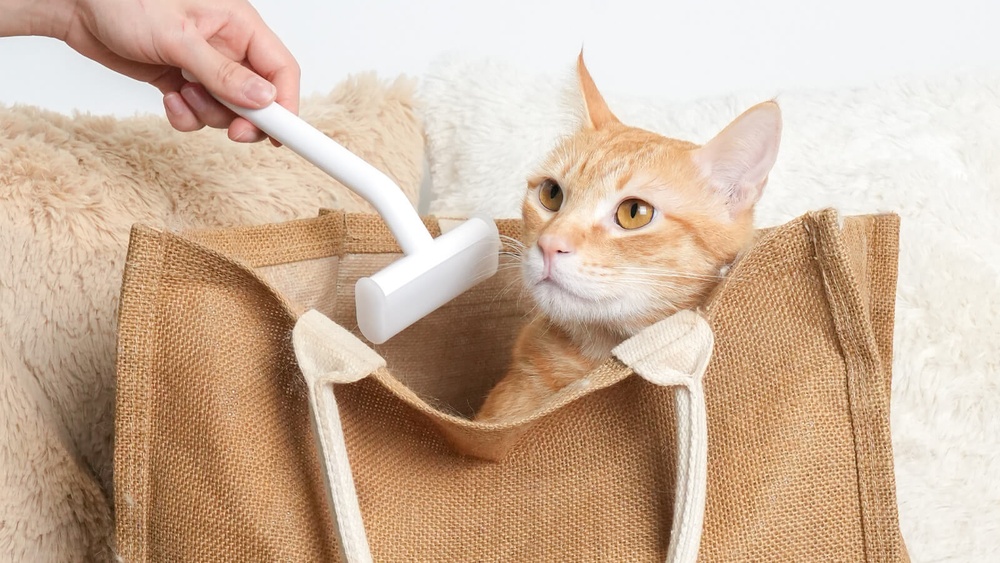
Many cat owners love the feeling of running their hands through a soft, clean feline coat. But there’s a secret behind the shine: regular grooming, especially deshedding. If you’ve ever found cat hair on your clothes, sofa, or even in your food, you know how serious the shedding problem can be. The right deshedding routine doesn’t just keep your home cleaner—it can also boost your cat’s health and happiness. But how often should you use a deshedding tool on your cat? There’s no single answer. It depends on your cat’s breed, age, coat type, health, and even the season. This guide will break down everything you need to know about when and how to use a deshedding tool, why it matters, and how to get the best results without stressing your feline friend.
Why Cats Shed: Understanding The Basics
Shedding is a natural part of a cat’s life. Cats lose old or damaged hair to make room for new, healthy growth. Indoor cats shed all year, while outdoor cats may shed more in spring and fall. You might notice your cat’s coat looking thicker in winter and lighter in summer.
The main reasons cats shed include:
- Seasonal changes: More daylight triggers a natural shedding cycle, often in spring and fall.
- Health and diet: Poor nutrition or health problems can increase shedding.
- Breed and genetics: Some breeds shed more than others.
Shedding is normal—but too much can signal a problem. If you notice bald patches, excessive licking, or irritated skin, a vet visit is best.
What Is A Deshedding Tool?
A deshedding tool is a special grooming device designed to remove loose hair and undercoat before it ends up on your floor or furniture. Unlike regular brushes, which mostly glide over the top layer, deshedding tools reach deep into the coat to pull out hair that’s ready to fall.
Popular deshedding tools include:
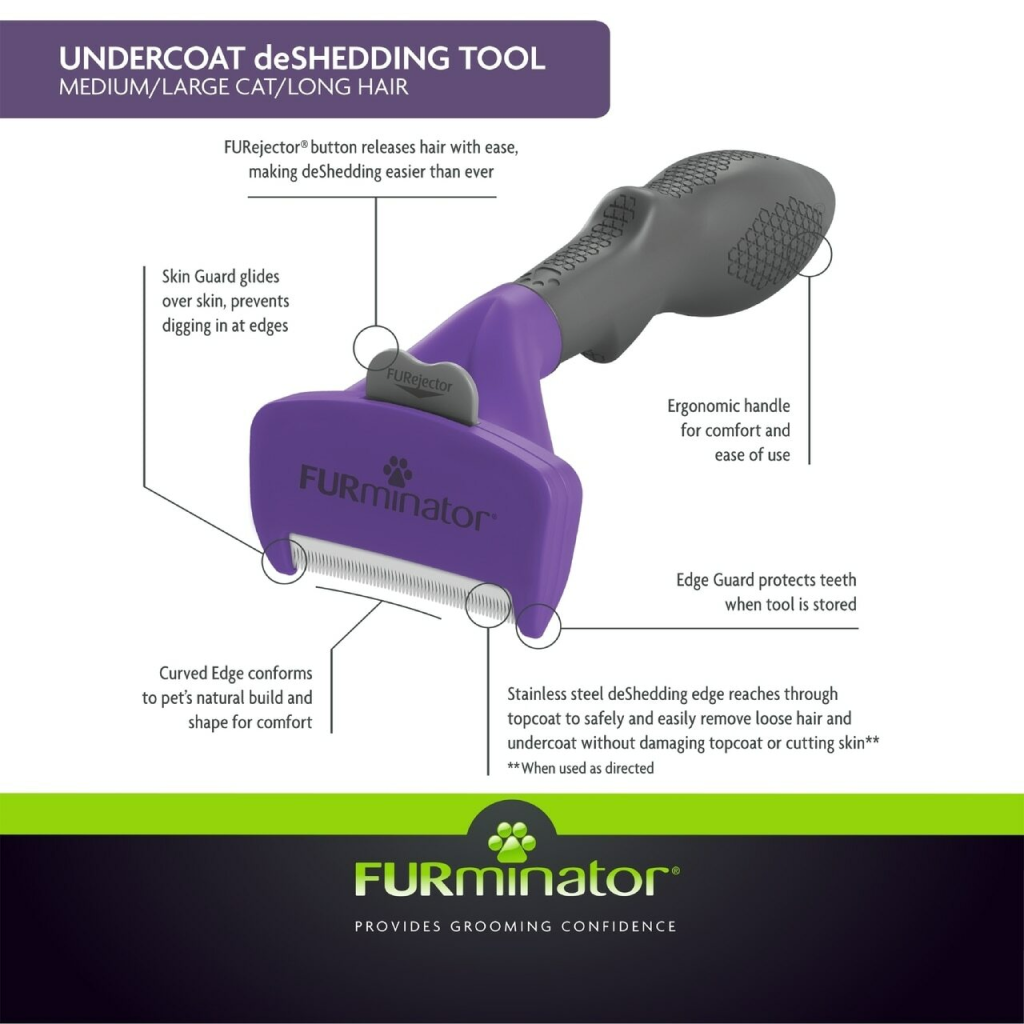
- Furminator: Known for its stainless-steel edge that reaches under the topcoat.
- Slicker brushes: Fine, short wires that grab loose hair.
- Undercoat rakes: Remove thick undercoat in long-haired breeds.
- Grooming gloves: Gentle and good for sensitive or anxious cats.
Deshedding tools are not just about beauty; they help prevent hairballs, mats, and skin problems.
Credit: www.aumuca.com
How Deshedding Tools Work
Deshedding tools are carefully designed to reach past the shiny top layer of fur and gently pull away the soft, loose undercoat. This undercoat is where most of the shed hair comes from. By removing it, you can reduce the amount of hair your cat ingests while grooming, which means fewer hairballs.
Here’s a simple breakdown:
- Topcoat: The glossy outer fur you see and touch.
- Undercoat: The dense, fluffy hair closest to the skin, which sheds most.
- Deshedding tool: Targets the undercoat without cutting or damaging the topcoat.
Regular use can make your cat’s coat smoother, shinier, and healthier.
Factors That Affect How Often To Deshed Your Cat
There’s no single rule for every cat. The right deshedding schedule depends on several factors. Let’s look at the most important ones.
1. Breed And Coat Length
Cats come in many shapes and sizes, but their coats fall into a few main categories:
| Coat Type | Shedding Level | Recommended Deshedding Frequency |
|---|---|---|
| Short-haired | Low to Moderate | Once a week |
| Medium-haired | Moderate | 1-2 times per week |
| Long-haired | High | 2-3 times per week |
| Hairless (Sphynx) | Very Low | Rarely needed |
Some breeds, like Maine Coons and Persians, have very thick undercoats and shed a lot. Others, like Siamese or Burmese, shed less.
2. Time Of Year
Shedding often increases during spring and fall. As the weather changes, cats lose or gain more undercoat. During these seasons, you may need to deshed more often—even daily for heavy shedders.
3. Indoor Vs. Outdoor Cats
- Indoor cats: Shed all year, but usually less with consistent light and temperature.
- Outdoor cats: Experience strong seasonal shedding.
4. Age And Health
Kittens don’t need much deshedding, but adult and senior cats do. Older cats may have trouble grooming themselves, so extra help is needed. Health issues like allergies, parasites, or poor diet can also change how much a cat sheds.
5. Diet And Stress
A healthy diet rich in Omega-3 and Omega-6 fatty acids supports a healthy coat. Stress can also cause more shedding. Regular, gentle grooming can calm your cat and reduce stress-related hair loss.
How Often To Use A Deshedding Tool: Practical Guidelines
Let’s get specific. Here’s a breakdown by coat length and breed:
Short-haired Cats
Most domestic shorthair cats need deshedding once a week. Some low-shedding breeds can go longer. The process is quick and helps reduce loose hair and dander.
Medium-haired Cats
Medium-haired cats, like the Turkish Angora or Norwegian Forest Cat, benefit from 1–2 deshedding sessions per week. Their coats can get tangled if not maintained.
Long-haired Cats
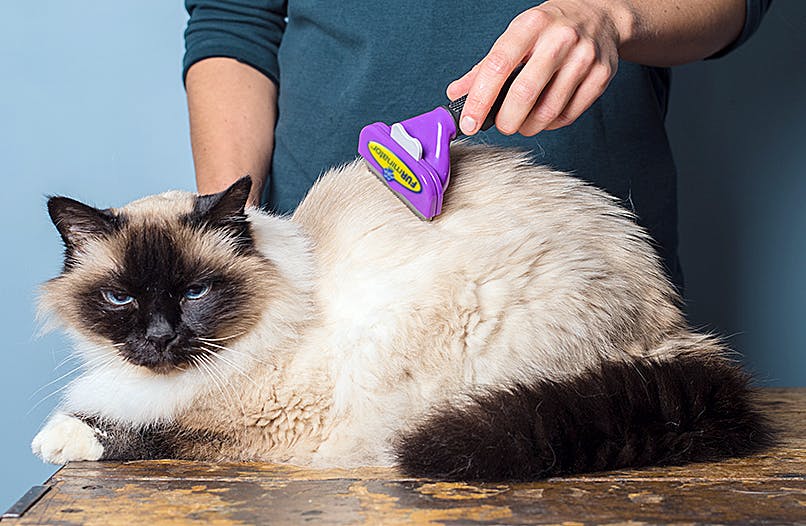
Long-haired breeds, such as Maine Coons, Persians, or Ragdolls, need 2–3 sessions weekly. During heavy shedding seasons, daily deshedding may be helpful.
Hairless Breeds
Breeds like the Sphynx don’t shed much, but they still need regular skin care. Use a soft cloth or glove once a month to remove oils.
Adjusting For Season
In spring and fall, increase the frequency by one or two extra sessions per week for all breeds. Watch your cat—if you see more loose hair or your deshedding tool fills up quickly, it’s time for more frequent grooming.
Step-by-step: How To Use A Deshedding Tool On Your Cat
Using a deshedding tool is simple, but there are right and wrong ways to do it. Here’s a step-by-step guide to make the process smooth for both you and your cat.
- Choose the right tool: Pick a deshedding tool that matches your cat’s hair length and sensitivity.
- Check for tangles or mats first: Use a wide-tooth comb to gently remove knots before you start deshedding.
- Let your cat relax: Groom your cat when they’re calm—after a meal or nap is ideal.
- Begin at the head: Start gently at the head and work toward the tail, following the direction of hair growth.
- Use light, even strokes: Don’t press hard; let the tool do the work. Too much pressure can irritate the skin.
- Avoid sensitive areas: Stay away from the belly, tail tip, and any area your cat dislikes.
- Check progress often: Remove hair from the tool as needed and watch for signs of irritation.
- Reward your cat: Offer treats and praise to make grooming a positive experience.
The Benefits Of Regular Deshedding
Many owners see deshedding as just a way to keep their homes clean. But there are deeper benefits for your cat’s health and happiness.
- Reduces hairballs: Less loose hair means fewer hairballs, which can cause vomiting or blockages.
- Prevents mats and tangles: Especially important for long-haired breeds.
- Promotes healthy skin: Removes dirt, dander, and stimulates natural oils.
- Easier vet checks: Regular grooming helps you spot lumps, bumps, or skin problems early.
- Stronger bond: Gentle grooming sessions can be a bonding time.
Common Mistakes When Using Deshedding Tools
Even experienced cat owners can make mistakes when deshedding. Avoid these errors for the best results:
- Using the wrong tool: Not all tools are safe or effective for every coat type.
- Brushing too hard: This can cause pain, scratches, or bald spots.
- Not checking for mats: Deshedding over tangles can make them worse.
- Ignoring your cat’s mood: Grooming a stressed or scared cat can lead to bites or scratches.
- Grooming too often: Over-deshedding can damage the coat and skin.
- Skipping sensitive areas: Some cats have ticklish or sensitive spots—be gentle or avoid these areas.
How To Choose The Best Deshedding Tool For Your Cat
Not all deshedding tools are created equal. Picking the right one depends on your cat’s coat, skin sensitivity, and your grooming style.
Key Features To Consider
- Blade length: Shorter for shorthair, longer for thick or long-haired breeds.
- Handle grip: A comfortable, non-slip handle reduces hand fatigue.
- Tooth spacing: Fine teeth for thin coats, wider for thick undercoats.
- Self-cleaning features: Makes cleaning hair off the tool easier.
Popular Deshedding Tools Compared
Here’s a quick comparison of some top deshedding tools for cats:
| Tool | Best For | Pros | Cons |
|---|---|---|---|
| Furminator | All coat types | Very effective, easy to clean, multiple sizes | Can irritate skin if used too often |
| Slicker brush | Medium to long hair | Gentle, good for tangles | Not as deep as undercoat rakes |
| Undercoat rake | Thick undercoat | Removes a lot of hair, good for mats | Can pull if not used gently |
| Grooming glove | Sensitive cats | Gentle, calming, easy to use | Not effective for heavy shedders |
Choosing the right tool is as important as how often you use it.
Special Tips For Deshedding Difficult Or Anxious Cats
Not every cat loves grooming. If your cat runs away at the sight of a brush, try these tips:
- Start slow: Introduce the tool by letting your cat sniff and inspect it.
- Short sessions: Even two minutes a day can help your cat get used to the process.
- Use positive rewards: Give treats, gentle petting, or playtime after grooming.
- Choose the right moment: Groom when your cat is calm or sleepy.
- Try a grooming glove: Many cats prefer the feeling of a glove to a brush.
If your cat becomes aggressive or very stressed, consider professional grooming or talk to your vet for advice.
The Science Behind Shedding And Grooming
Regular grooming isn’t just about appearance. Scientific studies show that grooming helps spread sebum, the natural oil produced by cats’ skin. This oil keeps the coat shiny and waterproof, and helps protect against bacteria and parasites.
Research also shows that regular deshedding reduces the risk of hairballs—a common cause of vomiting and digestive problems in cats. In fact, cats spend up to 30% of their waking hours grooming themselves, but they can’t remove all loose hair on their own.
What To Watch Out For: Signs You’re Deshedding Too Much (or Too Little)
It’s possible to overdo a good thing. Deshedding too often can damage your cat’s skin and coat, making the fur thin and patchy. Not deshedding enough can lead to mats, tangles, and hairballs.
Watch for these signs:
- Too much deshedding: Red, irritated skin; bald patches; sensitivity to touch.
- Too little deshedding: Mats and tangles; more hairballs; dull coat.
The right balance keeps your cat comfortable and your home cleaner.
How To Make Deshedding A Positive Experience
Many cats learn to love grooming if it’s done gently and with patience. Here are some ways to make the process fun:
- Create a routine: Groom at the same time and place to build a habit.
- Keep sessions short: Stop before your cat gets bored or upset.
- Use treats and praise: Positive reinforcement helps build trust.
- Let your cat lead: If your cat walks away, try again later.
A little patience goes a long way.
Deshedding And Allergies: What Cat Owners Should Know
Cat hair isn’t always the main cause of allergies—dander (tiny skin flakes) is the real culprit. Deshedding removes both hair and dander, making your home healthier for sensitive family members. For best results, combine regular grooming with vacuuming, washing cat bedding, and using air filters.
If someone in your home is very allergic, try grooming your cat in a well-ventilated area or outside.
Professional Grooming: When To Call In The Experts
Some cats need more help than you can give at home. Consider a professional groomer if:
- Your cat has severe mats or tangles.
- Your cat is very aggressive or anxious about grooming.
- You have a show cat or a breed with special grooming needs.
- You don’t have time for regular deshedding.
Professional groomers have special tools and training to handle all coat types safely.
Deshedding Kittens And Senior Cats
Kittens
Kittens don’t need much deshedding, but gentle brushing helps them get used to grooming. Use a soft brush once a week.
Senior Cats
Older cats may have stiff joints or arthritis and can’t groom themselves well. Increase deshedding sessions and check for mats or skin problems often.
Credit: www.airvet.com
Deshedding And Health Problems
Sometimes, sudden changes in shedding can mean a health problem. If your cat suddenly sheds much more, or you notice bald spots, sores, or changes in skin color, see a vet. Conditions like allergies, parasites, thyroid issues, or stress can affect your cat’s coat.
Cleaning Up After Deshedding: Keeping Your Home Hair-free
Even with regular deshedding, some hair will end up around your house. Here’s how to keep things tidy:
- Vacuum regularly: Use a vacuum with a HEPA filter for best results.
- Wash bedding: Clean your cat’s beds, blankets, and favorite spots weekly.
- Lint rollers: Keep a lint roller handy for clothes and furniture.
- Air purifiers: These help trap dander and hair in the air.
A clean home is good for both you and your cat.
Credit: www.centinelafeed.com
Real-life Example: Managing Shedding In Multi-cat Households
If you have more than one cat, you’ll notice some shed more than others. Each cat may need a different deshedding schedule and tool. For example, a short-haired tabby might need grooming once a week, while a long-haired Maine Coon may require daily attention during shedding season.
Try to set up a routine where each cat gets individual grooming time. This helps you monitor their coat health and prevents fights over grooming tools.
Frequently Asked Questions
How Can I Tell If I’m Using The Deshedding Tool Too Often?
If you notice red skin, bald patches, or your cat seems sensitive to touch, you may be over-deshedding. The coat should look full and shiny—not thin or patchy. Reduce frequency and let the coat recover before resuming.
Are Deshedding Tools Safe For All Cats?
Most healthy adult cats can safely use a deshedding tool, but always choose a tool designed for your cat’s coat type. Avoid using deshedding tools on kittens younger than six months or on cats with sensitive or broken skin. If in doubt, ask your vet.
What Should I Do If My Cat Hates Being Groomed?
Start with short, gentle sessions and use treats to create positive associations. Some cats prefer grooming gloves or softer brushes. If your cat still resists, consider asking your vet or a professional groomer for help.
Can Deshedding Tools Help With My Allergies?
Yes, regular deshedding removes hair and dander, which are the main triggers for cat allergies. Combine grooming with frequent cleaning and air filters for best results. For more on managing allergies, visit Asthma and Allergy Foundation of America.
Is It Normal For My Cat To Shed A Lot In Spring?
Absolutely. Cats naturally shed their winter coats as the weather warms. Increase deshedding sessions during this time to help manage the extra hair and prevent mats.
Grooming is about more than appearance—it’s a key part of keeping your cat happy and healthy. With the right tools, timing, and approach, you can make deshedding a stress-free ritual that both you and your feline friend enjoy. Remember: every cat is unique, so observe your cat’s needs and adjust your routine for the best results.