
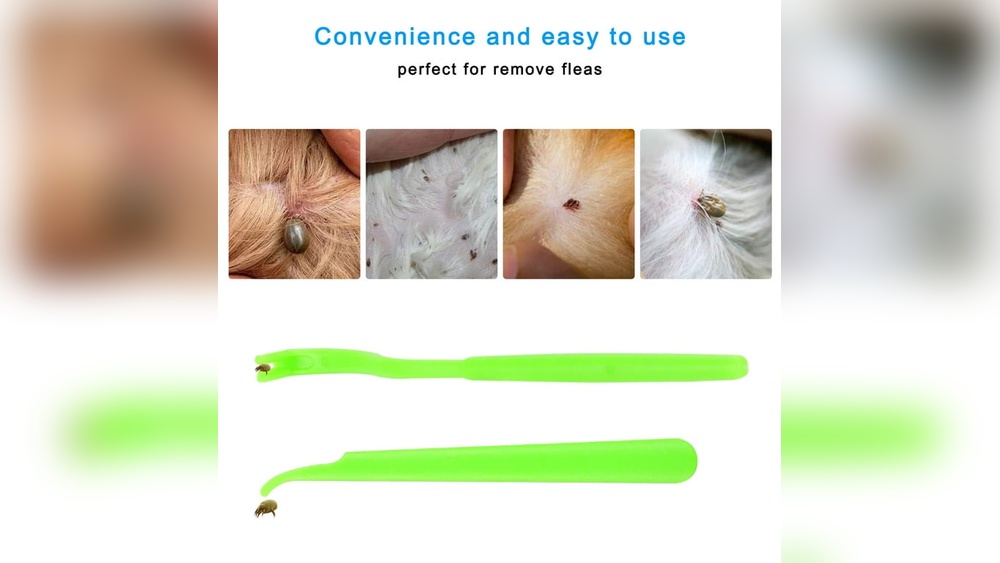
Cats are known for their grooming habits, but even the cleanest feline can become a target for pests like fleas. If you’ve spotted tiny black specks or seen your cat scratching more than usual, you’re likely searching for a fast, safe solution.
Many cat owners wonder, “Can I use a lice comb for fleas on my cat? ” This question is common because lice combs and flea combs look similar and both promise to remove small parasites from hair. Understanding whether a lice comb is effective (or safe) for flea removal on cats is important for your pet’s health and your peace of mind.
In this article, you’ll discover the differences between lice combs and flea combs, learn about their effectiveness, and get practical guidance on flea removal. We’ll cover essential facts, compare tools, and explain when and how you can use a lice comb for your cat.
If you’re worried about harming your pet or making the flea problem worse, you’ll find clear steps and expert tips here. By the end, you’ll know exactly how to act—and what to avoid—when facing a flea problem at home.
Understanding Fleas And Lice On Cats
What Are Fleas?
Fleas are tiny, wingless insects that feed on the blood of animals. The most common species found on cats is the cat flea (*Ctenocephalides felis*). These pests are brownish-black and only 1-2 millimeters long, making them hard to spot unless you look closely. Fleas can jump long distances and move quickly through fur. They multiply rapidly—one female can lay up to 50 eggs a day—so a small problem can turn into an infestation quickly.
The main signs of fleas on cats include:
- Frequent scratching or biting at the skin
- Red, irritated skin or hair loss
- Black “flea dirt” (flea feces) in the fur, especially around the neck and tail base
- Restlessness or discomfort
Fleas aren’t just a nuisance—they can also cause flea allergy dermatitis, spread tapeworms, and transmit diseases to both cats and humans.
What About Lice?
Lice are also small, wingless insects, but they are much less common on cats than fleas. The cat louse (*Felicola subrostratus*) is species-specific, meaning it only lives on cats. Lice are pale and move slowly, while fleas are darker and fast. Lice do not jump or run; they crawl.
Lice cause:
- Itching and scratching
- Dry, rough coat
- Scaling or crusting of the skin
Lice infestations are rare in healthy, well-groomed cats and are usually found in neglected or stray animals.
Key Differences Between Fleas And Lice
| Feature | Fleas | Lice |
|---|---|---|
| Color | Dark brown/black | Pale yellow/white |
| Movement | Fast, can jump | Slow, crawls |
| Host | Many animals | Mostly cats |
| Prevalence | Very common | Rare |
| Eggs | Sticky, in fur/environment | Attached to hair shafts |
Understanding these differences helps you choose the right treatment and tool for your cat.
What Is A Lice Comb?
A lice comb is a fine-toothed comb originally designed to remove lice and their eggs (nits) from human hair. The teeth are very close together—often less than 0.2 millimeters apart—to catch even the smallest parasites. Lice combs are usually made of metal or sturdy plastic and are safe for repeated use with proper cleaning.
Lice Comb Features
- Teeth spaced very tightly
- Durable, easy to sterilize
- Usually have rounded tips to avoid scratching skin
Lice combs are specifically engineered for human hair and head lice eggs, which are glued to hair shafts and are difficult to remove.

Credit: www.amazon.com
What Is A Flea Comb?
A flea comb is also a fine-toothed comb, but it’s specifically designed for use on pets. The teeth are spaced to catch adult fleas, flea dirt, and some eggs or larvae. Flea combs are sold in most pet stores and are an essential tool for cat grooming and flea control.
Flea Comb Features
- Teeth spaced to trap fleas but glide through fur
- Often have slightly longer and wider teeth than lice combs
- Built to handle thick or fine pet hair
- Comfortable handle for easy use
The main goal of a flea comb is to physically remove fleas from the fur without hurting your cat’s skin.
Lice Comb Vs. Flea Comb: Key Differences
While lice and flea combs look similar, there are important differences. Understanding these will help you decide if a lice comb can safely and effectively remove fleas from your cat.
| Feature | Lice Comb | Flea Comb |
|---|---|---|
| Intended Use | Human hair/head lice | Pet fur/fleas |
| Tooth Spacing | Very tight (0.2 mm or less) | Tight, but wider (0.2–0.3 mm) |
| Material | Metal or strong plastic | Metal or plastic |
| Tooth Length | Shorter (for scalp) | Longer (for fur depth) |
| Edge Design | Often flat | Rounded/soft edges |
Non-obvious Insight
Lice combs are designed for dense, straight human hair, which is different from the fine, layered structure of cat fur. Using the wrong type of comb can lead to discomfort or even injury for your pet.
Can You Use A Lice Comb For Fleas On Your Cat?
The short answer is yes, you can use a lice comb for fleas on a cat, but there are important considerations. Lice combs can physically remove fleas if the teeth are close enough to trap them. However, lice combs are not designed for cat fur, so you might not get the best results.
Benefits Of Using A Lice Comb
- Catches Adult Fleas: The fine teeth can trap and remove adult fleas.
- Removes Flea Dirt: Lice combs can catch flea dirt (dried blood) and eggs.
- No Chemicals: This method doesn’t use insecticides or other chemicals, so it’s safe for sensitive cats.
- Immediate Relief: Combing can quickly reduce the number of fleas causing discomfort.
Limitations To Consider
- Fur Compatibility: Lice combs are made for human hair, so they may snag or pull on your cat’s fur, especially if your cat has a long or thick coat.
- Skin Sensitivity: The tips of lice combs might be sharper or less rounded, increasing the risk of scratching or irritating your cat’s skin.
- Efficiency: Because lice combs are shorter and closer together, they may not reach deep enough into thick pet fur.
- Egg Removal: Neither comb is fully effective at removing all flea eggs, which are sticky and may fall into the environment.
Safety Tips
- Always check the teeth tips of the lice comb. If they feel sharp or rough, avoid using it on your cat.
- Comb gently and watch your cat’s reaction. If your cat shows pain or tries to escape, stop immediately.
- Never force the comb through tangled or matted fur.
How To Use A Lice Comb For Fleas On Cats
If you decide to use a lice comb, follow these steps for the best results and to keep your cat comfortable.
Step 1: Prepare Your Cat
- Choose a time when your cat is relaxed—after a meal or nap works well.
- Place your cat on a towel or in a small room to catch any fleas that jump off.
- Keep treats handy to reward calm behavior.
Step 2: Check The Comb
- Wash the lice comb in hot, soapy water before use.
- Run your finger along the teeth to check for sharpness. Smooth any rough spots with a nail file if needed.
Step 3: Begin Combing
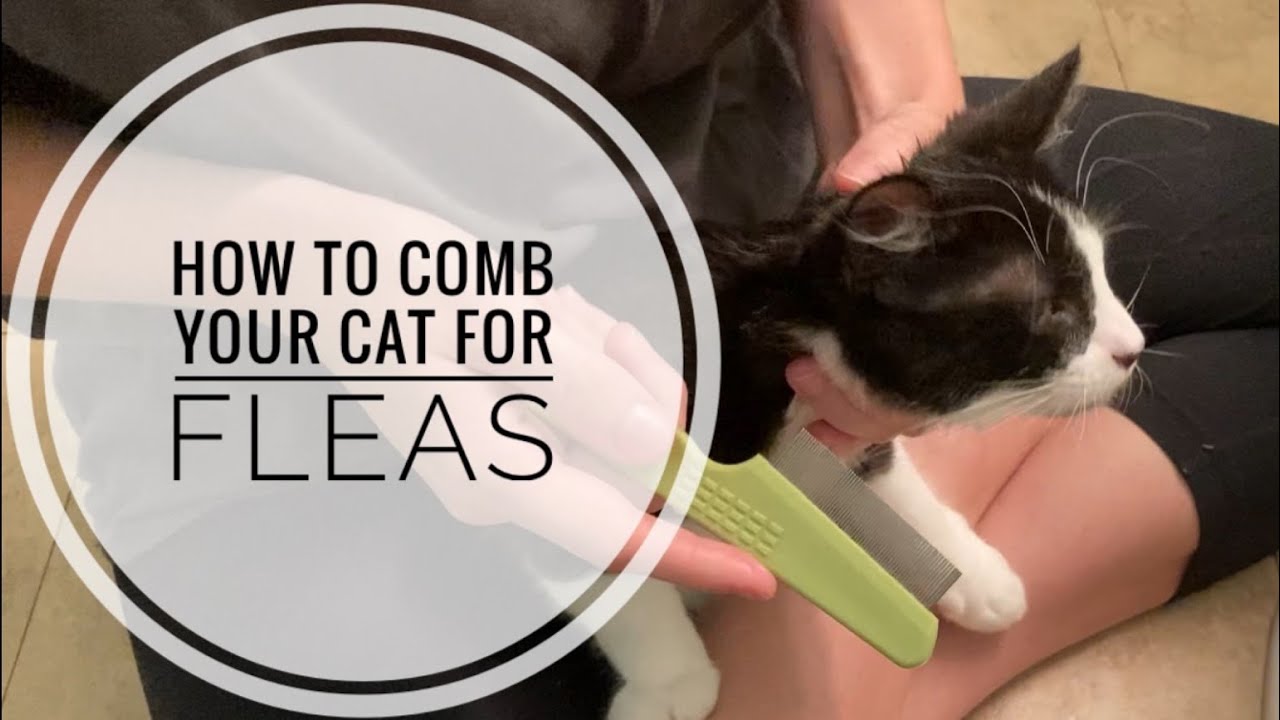
- Start at the head and work toward the tail. Cats are most sensitive around the face, so be gentle.
- Part the fur with your fingers and insert the comb close to the skin.
- Draw the comb slowly through the fur in the direction of hair growth.
- After each stroke, dip the comb in soapy water to drown any fleas and clean off debris.
Step 4: Work In Sections
- Divide your cat’s body into sections: Head, neck, back, sides, belly, tail, and legs.
- Comb each section carefully, paying extra attention to the neck and base of the tail, where fleas often hide.
Step 5: Reward And Repeat
- Give your cat a treat after each session.
- Repeat combing daily until you no longer find fleas or flea dirt.
Step 6: Clean Up
- Wash the comb thoroughly after each use.
- Wash the towel and vacuum the area to remove any escaped fleas or eggs.
Practical Example
Suppose your cat has medium-length fur, and you only have a lice comb at home. You can still help your cat by combing gently and carefully, but avoid pulling the comb through tangles. If the comb snags frequently or your cat seems uncomfortable, consider switching to a proper flea comb.
When To Choose A Flea Comb Instead
While a lice comb can help in an emergency, a flea comb is almost always better for regular use on cats.
Why Flea Combs Are Better For Cats
- Designed for pet fur, so less likely to pull or cause pain
- Rounded tips and longer teeth reach deeper into the coat
- More effective at trapping fleas and flea dirt in one pass
Flea combs are inexpensive and widely available at pet stores and online. Investing in one can make grooming easier and more comfortable for both you and your cat.
Real-world Example
Many cat owners report that their cats tolerate flea combs much better than lice combs. Flea combs glide more smoothly and cover more fur with each stroke, making the process faster and less stressful.
Common Mistakes When Using A Lice Comb On Cats
Trying to remove fleas with a lice comb may seem simple, but there are several mistakes beginners often make.
- Combing Too Aggressively: Pressing hard or moving too fast can irritate or injure your cat’s skin.
- Ignoring Tangled Fur: Trying to pull a lice comb through mats or tangles can hurt your cat and damage the comb.
- Not Cleaning the Comb: Skipping the step of dipping the comb in soapy water allows fleas to escape and re-infest your cat.
- Missing Key Areas: Fleas often hide in “hot spots” like the neck, underarms, and tail base. Overlooking these areas lets the problem persist.
- Stopping Too Soon: Flea infestations require repeated combing over several days to break the life cycle.
How Effective Is A Lice Comb For Fleas?
A lice comb can remove a significant number of adult fleas, especially if used carefully and consistently. However, it’s not a complete solution for flea infestations.
Why A Comb Alone Isn’t Enough
- Flea eggs and larvae often fall into the environment (carpet, bedding), where they continue to develop.
- Adult fleas on your cat represent only about 5% of the total flea population. Most are eggs, larvae, or pupae in your home.
- Without treating the environment and using other control methods, fleas will keep coming back.
Data On Combing Effectiveness
Studies show that daily combing can reduce adult fleas by up to 60% in the first week but rarely eliminates the problem without additional steps.
Complete Flea Control: The Multi-step Solution
To truly solve a flea problem, you must combine combing with other treatments and environmental cleaning.
Step 1: Treat All Pets
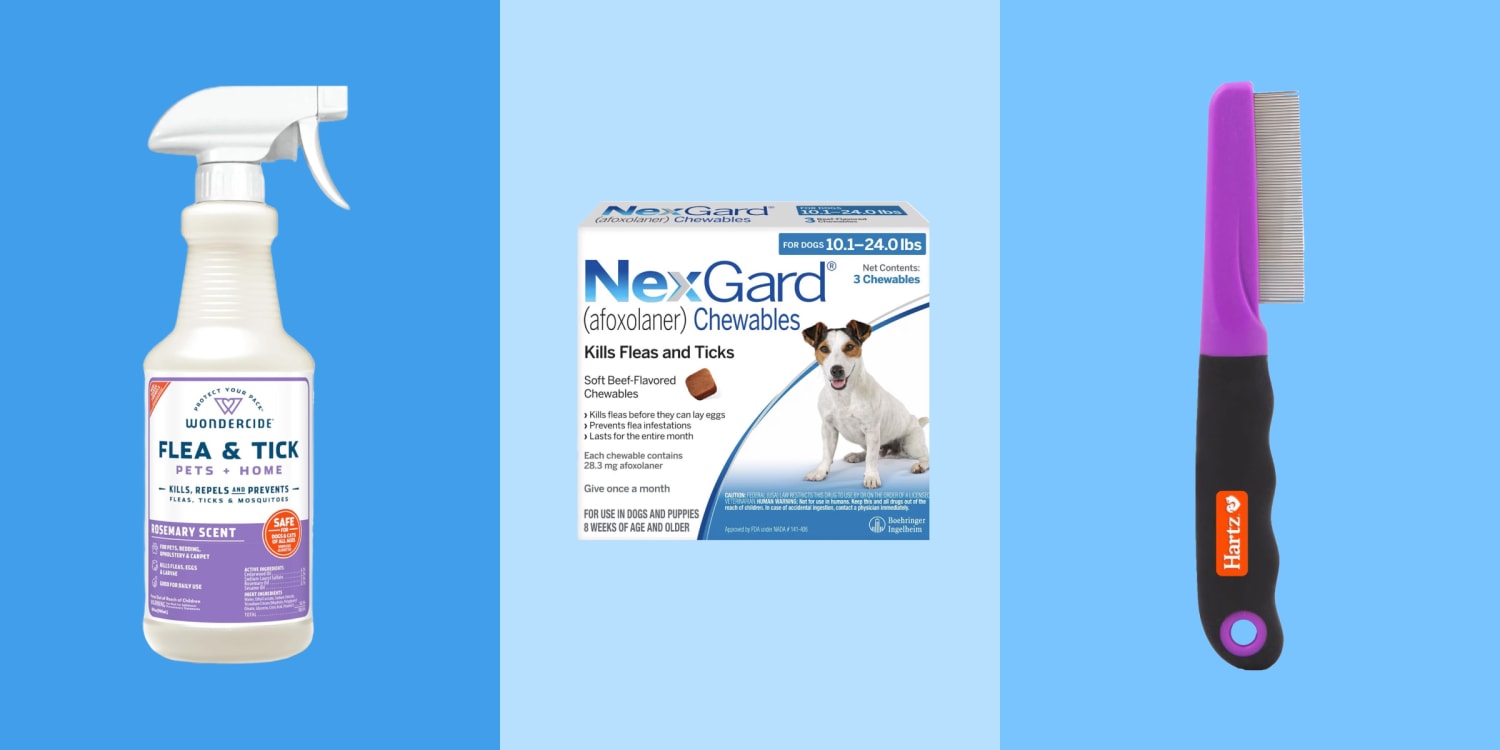
- Use a veterinarian-approved flea treatment (such as spot-on, oral medication, or flea collar) for every pet in your home.
- Never use dog flea products on cats—they can be toxic.
Step 2: Clean The Environment
- Wash all bedding, blankets, and cat beds in hot water weekly.
- Vacuum carpets, rugs, and furniture daily for at least two weeks.
- Dispose of vacuum bags or contents immediately after cleaning.
Step 3: Continue Combing
- Use your lice comb (or a flea comb) daily to remove adult fleas and monitor progress.
- Focus on “hot spots” where fleas gather.
Step 4: Consider Professional Help
- For severe infestations, consult your veterinarian. They may recommend prescription treatments or a pest control service for your home.
Quick Comparison: Comb Vs. Medication
| Method | Pros | Cons |
|---|---|---|
| Combing (Lice/Flea Comb) | Immediate relief, no chemicals, safe for kittens | Labor-intensive, not 100% effective, must be repeated |
| Topical/Oral Medication | Long-lasting, highly effective, easy to use | Potential side effects, cost, not for very young/sick cats |
Credit: www.youtube.com
Non-obvious Insights For Cat Owners
- Eggs and Larvae Hide in Carpets: Most flea eggs and larvae aren’t on your cat—they’re in your home’s carpets and cracks. If you only treat your cat, fleas will return.
- Flea Allergies Can Worsen Quickly: Some cats develop severe reactions to even a few flea bites. Watch for excessive scratching, sores, or hair loss, and seek veterinary advice if you notice these signs.
When Not To Use A Lice Comb
There are times when using a lice comb is not recommended:
- Heavily Matted Fur: If your cat’s coat is tangled or matted, combing can be painful and ineffective. Address mats first with a detangling spray or professional grooming.
- Skin Infections or Open Sores: Combing over irritated or infected skin can worsen the condition. In these cases, consult your veterinarian before grooming.
- Aggressive or Anxious Cats: If your cat becomes aggressive or too stressed, it’s better to pause and try again later or seek help.
Credit: elartecristiano.com
What To Do If You Only Have A Lice Comb
If you don’t have a flea comb, a lice comb can be a helpful temporary tool. Here’s how to get the best results:
- Trim the tips with a fine file if they are sharp.
- Use gentle, short strokes.
- Focus on visible fleas and “hot spots.”
- Buy a pet-specific flea comb as soon as possible.
Combining the lice comb with frequent vacuuming and washing bedding will help manage fleas until you have better tools.
Additional Tips For Flea Removal
- Use Soapy Water: Soapy water kills fleas that you remove with the comb. Keep a bowl nearby and dip the comb after each stroke.
- Check for Flea Dirt: Place black specks from the comb on a white paper towel and add a drop of water. If they turn reddish-brown, it’s flea dirt—evidence of fleas.
- Regular Grooming: Comb your cat even after fleas are gone to catch any new arrivals early.
- Monitor All Pets: Fleas can move between pets. Check dogs and other animals in the household.
When To See A Veterinarian
If you notice any of the following, consult your vet:
- Sores, scabs, or severe hair loss
- Signs of flea allergy dermatitis (red, inflamed skin)
- Lethargy, pale gums, or weight loss
- Kittens with heavy flea infestations (risk of anemia)
Vets can recommend safe, effective treatments and check for related health problems.
Safe Alternatives For Flea Removal
If you’re worried about using a lice comb or want additional help, consider these options:
- Flea shampoos (only those labeled safe for cats)
- Spot-on treatments (from your vet)
- Oral flea medications
- Environmental sprays (use with caution and only as directed)
Always read labels and avoid products meant for dogs or other animals.
How To Prevent Future Flea Problems
- Treat all pets regularly with preventive medications.
- Keep your home clean—vacuum and wash bedding often.
- Check your cat for fleas weekly, especially during warm months.
- Keep outdoor cats indoors or limit outdoor access during flea season.
- Use flea-preventive collars or topical treatments recommended by your vet.
Resources For Cat Owners
For more information about fleas, lice, and pet health, visit the ASPCA’s guide to fleas on cats.
Frequently Asked Questions
Can I Use A Lice Comb Instead Of A Flea Comb For My Cat?
Yes, you can use a lice comb if you don’t have a flea comb, but it may not be as comfortable or effective. Lice combs are not designed for cat fur, so be gentle and monitor your cat for signs of discomfort.
How Often Should I Comb My Cat For Fleas?
During a flea infestation, comb your cat daily. Once the problem is under control, weekly combing is enough to catch new fleas early.
Will A Lice Comb Remove Flea Eggs From My Cat?
A lice comb can remove some eggs, but many flea eggs will fall off into your home. Complete flea control requires cleaning your cat and the environment.
Can I Use Human Lice Shampoo On My Cat?
No. Human lice shampoos are not safe for cats and can be toxic. Only use products specifically made for cats and approved by your veterinarian.
What Should I Do If My Cat Won’t Let Me Use A Lice Comb?
If your cat is too stressed or aggressive, stop and try again later. Use treats and a calm environment. If you’re still having trouble, ask your veterinarian or a professional groomer for help.
Solving a flea problem requires patience and the right tools. While a lice comb can help in a pinch, investing in a proper flea comb and using a full flea control plan will keep your cat healthy and comfortable. Regular checks, cleaning, and preventive treatments are the keys to a flea-free home.