
Cats are known for their beautiful, soft fur. But for many owners, fur knots—also called mats or tangles—can turn a cuddly cat into a grooming challenge. These knots can cause pain, skin problems, and even infections if not treated. Some breeds, like Persians and Maine Coons, are more likely to get mats because of their long, thick coats. But even short-haired cats can develop tangles, especially if they are older, overweight, or have health problems.
Many owners feel nervous about removing fur knots. They worry about hurting their cat or making the problem worse. But with the right tools, a gentle approach, and some patience, you can help your cat feel comfortable and look great.
In this guide, you’ll learn how to remove fur knots safely, prevent them in the future, and understand why they happen. Let’s make grooming less stressful for both you and your cat.
Why Do Cats Get Fur Knots?
Fur knots form when loose hairs become tangled together. If not brushed out, they twist tighter and form mats. Several factors increase the risk:
- Breed: Long-haired cats such as Ragdolls, Himalayans, and Maine Coons are more prone to matting. Their soft undercoats tangle easily.
- Age and Health: Senior cats or cats with arthritis may groom less, leading to mats. Overweight cats also struggle to reach some spots.
- Shedding: Cats shed throughout the year. If the dead hair isn’t removed, it catches in the coat.
- Moisture: Spilled water, drool, or urine can stick fur together and start a knot.
- Movement: Areas with lots of friction—like under the collar, behind the ears, and between the legs—are matting hotspots.
Some cat owners notice knots after their cat has been outside or after a bath. Even indoor cats can get mats, especially if the coat is not brushed often.
What Happens If Fur Knots Are Left Untreated?
Fur knots are not just a cosmetic problem. Mats pull on the skin, causing pain and stress. They can hide wounds, attract dirt, and block airflow to the skin, leading to:
- Skin infections
- Fleas or other parasites
- Open sores
- Restricted movement
Severe mats may need to be shaved by a vet or professional groomer. That’s why early action is important.
Understanding Different Types Of Fur Knots
Not all knots are the same. Knowing the type helps you choose the right removal method and tool.
| Type of Fur Knot | Location | Appearance | Best Removal Method |
|---|---|---|---|
| Surface Tangle | Back, sides | Loose, small | Brushing, combing |
| Deep Mat | Armpits, belly | Tight, close to skin | Dematting tool, scissors (with care) |
| Pelted Mat | Rump, under legs | Hard, felt-like | Clippers (professional help) |
Surface tangles are easiest to remove and less painful. Deep mats and pelted mats can be risky to handle at home. If you’re unsure, ask a vet or groomer for advice.
Tools You Need For Safe Fur Knot Removal
The right tools make the process faster, easier, and safer for your cat. Here’s a list of useful grooming tools, plus a comparison of their main features:
| Tool | Best For | Pros | Cons |
|---|---|---|---|
| Slicker Brush | Surface tangles | Gentle, removes loose fur | Not for tight mats |
| Wide-Toothed Comb | Medium knots | Glides through fur, less pulling | Not for very dense mats |
| Dematting Tool | Deep mats | Cuts through knots, safe blade | May scare nervous cats |
| Blunt-Tipped Scissors | Small, stubborn mats | Control for tricky spots | Risk of cutting skin |
| Clippers | Pelted mats | Quick, for severe matting | Professional skill needed |
Other helpful items:
- Cornstarch or detangling spray: Helps loosen knots.
- Treats: Keeps your cat calm and rewards good behavior.
- Towel or grooming mat: Stops slipping.
Pro tip: Always check your tools for sharpness and cleanliness before use. Dull or dirty tools can hurt your cat and spread bacteria.
Preparing Your Cat And Yourself
Grooming can be stressful for both you and your cat. Preparation improves safety and comfort.
Set Up A Safe Space
Find a quiet room with good lighting. Place a towel or non-slip mat on a table or floor. Remove breakable items nearby—some cats panic when handled.
Gather Supplies
Keep all tools within arm’s reach. Having to pause and search for scissors can increase stress.
Calm Your Cat
Pet your cat gently or give a favorite treat before starting. If your cat is nervous, try short grooming sessions over several days instead of one long session.
Check For Skin Problems
Before removing knots, look for:
- Redness
- Wounds
- Fleas
- Scabs
If you see any of these, talk to your vet before grooming. Some skin issues can be made worse by brushing or cutting.
Credit: www.youtube.com
Step-by-step Guide: How To Remove Fur Knots On Cats
Removing fur knots is a delicate job. Follow these steps for the best results:
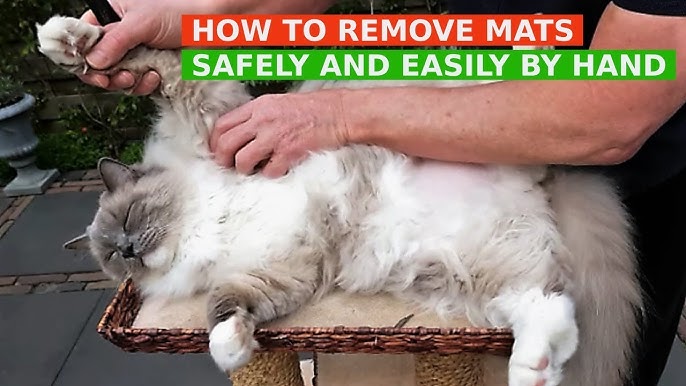
1. Assess The Knot
Gently part your cat’s fur and locate the knot. Is it loose and fluffy, or tight and stuck to the skin? The tighter the knot, the more careful you need to be.
2. Hold The Knot
Place your fingers between the knot and your cat’s skin. This protects your cat if the tool slips and reduces pulling on the skin.
3. Loosen With Fingers
For small tangles, try breaking them up with your fingers first. Gently tease the knot apart, working from the ends toward the base. Avoid yanking.
4. Use Cornstarch Or Detangling Spray
Sprinkle a little cornstarch on the knot or use a pet-safe detangling spray. This can reduce friction and help the comb slide through.
5. Brush Or Comb Gently
Use a wide-toothed comb or slicker brush. Start at the tip of the knot and work slowly toward the base. Hold the fur above the knot to reduce pulling. Be patient—rushing can hurt your cat.
6. Tackle Deep Mats With A Dematting Tool
If the mat is tight, use a dematting tool. Slide the tool under the knot and gently saw back and forth, always keeping your fingers as a barrier between the tool and your cat’s skin.
7. Cut Only When Necessary
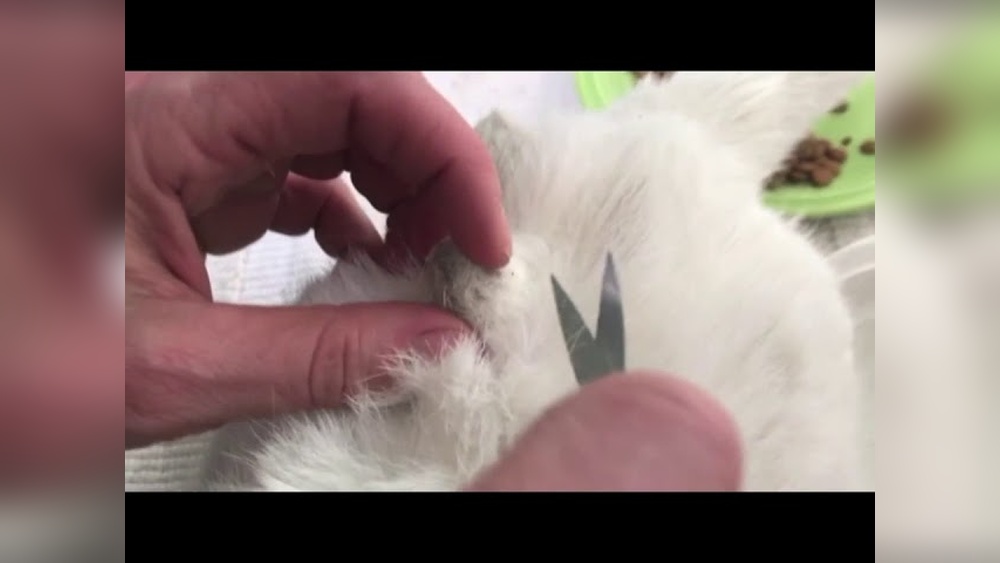
If the knot will not budge, use blunt-tipped scissors. Slide a comb between the mat and the skin, then cut the mat above the comb. Cut small sections—never try to cut the whole mat at once. This reduces the risk of injury.
Important: Never point scissors toward the skin. Always cut parallel.
8. Severe Mats: Seek Professional Help
If the mat is very large, hard, or close to the skin, do not try to cut or shave it yourself. Cats have thin, loose skin that is easy to injure. Call your vet or a professional groomer.
9. Finish With A Gentle Brush
After removing the knot, brush the area to smooth the fur. Offer treats and praise to reward your cat.
10. Clean And Disinfect Tools
Wash your tools with soap and hot water after use. Dry them fully before storing.
Practical Tips For A Smoother Grooming Experience
Some cats hate being groomed. Here are ways to make the process easier:
- Start Young: Get kittens used to grooming by touching their paws, ears, and tail gently.
- Short Sessions: Keep sessions brief—5 to 10 minutes. Stop if your cat becomes stressed.
- Use Treats: Give a treat after every knot removed.
- Talk Softly: A calm voice reassures your cat.
- Groom After Play: Cats are often more relaxed after exercise.
- Try Different Times: Some cats prefer morning, others evening.
- Ask for Help: For tricky cats, ask a family member to gently hold your cat.
Non-obvious insight: Many owners forget that cats remember bad grooming experiences. If your cat has been hurt in the past, go extra slow and offer double the treats.
How Often Should You Groom Your Cat?
The right grooming frequency depends on breed, age, and health.
| Cat Type | Brushing Frequency | Notes |
|---|---|---|
| Short-haired | Once a week | More in spring/fall shedding |
| Medium-haired | 2–3 times a week | Focus on belly/legs |
| Long-haired | Daily | Essential to prevent mats |
| Senior cats/Overweight cats | Check daily | May need help reaching |
Pro tip: Even short-haired cats can develop knots, especially as they age or gain weight.
Preventing Fur Knots Before They Start
Prevention is easier than removing tough mats. Here’s how to keep your cat’s coat smooth:
- Brush Regularly: Stick to a schedule. Brushing removes loose hair before it can mat.
- Check Trouble Spots: Focus on underarms, belly, behind ears, and tail base.
- Trim Hair (If Needed): Use blunt scissors to trim long fur around the rear and paws, especially in older or overweight cats.
- Healthy Diet: High-quality food supports a soft, manageable coat.
- Monitor Health: Cats with pain or illness may stop grooming. Watch for changes in behavior.
- Reduce Moisture: Keep your cat dry—wipe off any spills or drool right away.
- Remove Collars Periodically: Check under the collar for hidden mats.
- Use a Mat-Preventing Spray: Some sprays reduce static and tangling.
Non-obvious insight: Many mats start at the base of the tail or behind the ears—areas often missed during brushing.
When To See A Vet Or Professional Groomer
Some mats are just too difficult or dangerous to handle at home. Seek professional help if:
- The mat is very tight, large, or close to the skin
- Your cat becomes aggressive or very stressed
- There are signs of infection (redness, swelling, smell, pus)
- The skin underneath is injured or bleeding
- Your cat is elderly, sick, or has a heart condition
Professional groomers have special tools and training to remove mats safely. Vets can treat any skin problems and sedate your cat if needed for severe cases.
Common Mistakes To Avoid
Many owners make these errors when removing fur knots:
- Pulling too hard: This hurts your cat and can cause fear.
- Using human scissors: These are often too sharp and pointed.
- Cutting mats without a barrier: Always use a comb to protect the skin.
- Bathing a matted cat: Water can make mats tighter and harder to remove.
- Ignoring small knots: Small tangles become big mats quickly.
Take your time and focus on your cat’s comfort as much as the result.
Special Considerations By Cat Breed
Some breeds need extra care. Here are a few examples:
- Persian: Daily brushing is a must. Their cotton-like fur mats very fast.
- Maine Coon: Long, thick hair. Focus on the belly and ruff (neck area).
- Ragdoll: Silky coat, but prone to knots under the arms.
- Sphynx: No fur, but still needs regular bathing to prevent oily buildup.
If you’re not sure how to care for your cat’s coat, ask your breeder or vet for breed-specific tips.
Safe Use Of Clippers And Scissors
Cutting out mats can be risky. Here’s how to stay safe:
- Use clippers only if you have experience or the mat is far from the skin.
- Always place a comb between the mat and the skin before cutting.
- Work in good light and keep your cat still.
- Never cut toward the skin.
- If you’re nervous, stop and ask for help.
Remember, cats have thin, loose skin that is easy to cut by accident.
:strip_icc()/how-to-de-mat-a-cat-552043-01-3bcd9ef0901041f4b5dc04c4c36c9bd8.JPG)
Credit: www.thesprucepets.com
Aftercare: What To Do After Removing Fur Knots
Once the knot is gone, check the skin for any redness, cuts, or irritation. Clean any small wounds with saline solution. Watch your cat for licking or scratching the area—this can mean the skin is sore.
Give your cat a treat and some gentle petting. This helps build positive associations with grooming. If your cat is upset, let them rest and try again another day.
If you notice bleeding, swelling, or signs of infection, contact your vet.
Teaching Your Cat To Accept Grooming
Not every cat loves being brushed, but you can improve things with patience:
- Start with short, gentle sessions.
- Use your fingers first, then introduce a soft brush.
- Give lots of treats and praise.
- Brush when your cat is relaxed (after eating or playing).
- Stop before your cat gets annoyed.
With time, most cats learn to tolerate or even enjoy grooming.
Professional Grooming Vs. At-home Care
Some owners wonder if they should take their cat to a groomer instead of doing it themselves. Here’s a quick look at the pros and cons:
| Option | Advantages | Disadvantages |
|---|---|---|
| At-Home Grooming | Bonding, low cost, immediate care | Risk of mistakes, more stressful for nervous cats |
| Professional Grooming | Expert tools, less risk of injury, sedation possible | Costly, may stress some cats, travel required |
If your cat has severe mats, is very nervous, or has health problems, a professional groomer or vet is the safer choice.
The Role Of Diet And Health In Fur Knot Prevention
Good nutrition is key to healthy skin and fur. Cats need enough protein, omega-3 and omega-6 fatty acids, and water. Poor nutrition can lead to dry, brittle fur that tangles easily.
Health problems like obesity, arthritis, or dental disease can make it hard for your cat to groom. Regular vet checkups help catch these problems early.
Pro tip: Some cats need supplements for a healthy coat. Ask your vet before starting any new vitamin.
:strip_icc()/how-to-de-mat-a-cat-552043-hero-5b73bb2c3cf44a52b2f6527f9478a4f2.jpg)
Credit: www.thesprucepets.com
The Importance Of Routine
Cats love routine. Try to brush your cat at the same time and place each day or week. This reduces stress and makes grooming feel normal.
Hang your grooming tools in a visible spot as a reminder, and reward your cat every time.
Frequently Asked Questions
What Should I Do If My Cat Won’t Let Me Remove A Fur Knot?
If your cat is very aggressive or scared, don’t force it. Try short sessions, lots of treats, and gentle handling. If the knot is tight or your cat is at risk, call your vet or a groomer.
Are There Any Sprays Or Conditioners That Help With Fur Knots?
Yes, there are pet-safe detangling sprays made for cats. These can soften knots and make brushing easier. Avoid using human products—they can be toxic to cats.
How Do I Know If A Mat Is Too Close To The Skin To Cut?
If you can’t slide a comb between the mat and the skin, it’s too risky to cut at home. Pelted mats often need to be shaved by a professional to avoid injury.
Can I Prevent Knots By Bathing My Cat Often?
No, frequent baths can dry out your cat’s skin and make mats worse. Only bathe your cat if advised by a vet. Always brush out tangles before getting your cat wet.
Where Can I Find More Information About Grooming And Cat Care?
For more detailed tips, visit the ASPCA Cat Grooming Tips page. They offer expert advice for all levels of cat owners.
Caring for your cat’s coat takes time and patience, but the rewards are worth it—a happy, healthy cat and a stronger bond between you. Start slow, use the right tools, and don’t be afraid to ask for help. With good habits, fur knots can become a thing of the past.