

Are you struggling to find the right way to train your dog? You’ve probably heard about e collars and wondered if they really work.
These devices promise quick results, but are they safe and effective for your furry friend? Understanding how e collars can impact your dog’s behavior is key to making the best choice for your training journey. Keep reading to discover the truth about e collars and whether they could be the tool you’ve been looking for.
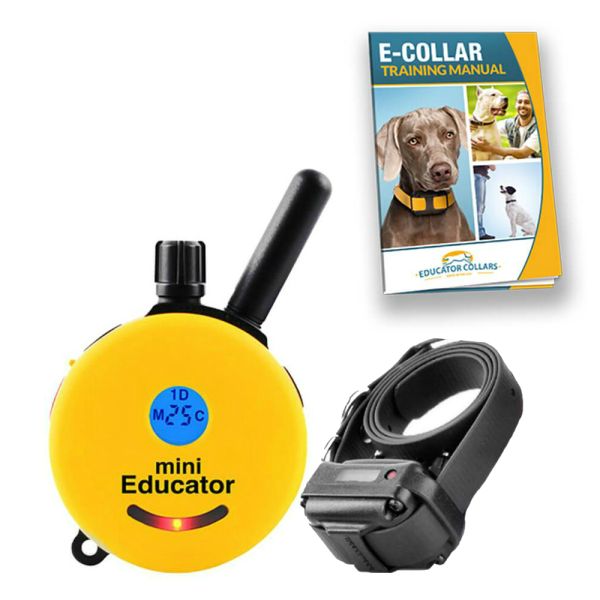
Credit: www.educatorcollars.com
Benefits Of E Collars
E collars offer many benefits in dog training. They help improve how owners communicate with their pets. Trainers use them to guide dogs gently and clearly. These collars work well for many types of training. Understanding the benefits can help you decide if an e collar fits your training style.
Enhanced Communication With Dogs
E collars send signals that dogs quickly learn to recognize. This clear communication helps dogs understand commands better. It reduces confusion during training sessions. Dogs respond faster because the messages are consistent. The collar’s signals act as a language between you and your dog.
Effective Behavior Correction
Using an e collar allows for quick correction of unwanted behaviors. The collar gives immediate feedback to the dog. This helps stop bad habits before they become a problem. It supports positive training by guiding dogs away from mistakes. Corrections are gentle but clear, avoiding harsh punishment.
Versatility In Training Scenarios
E collars work in many training situations. They are useful for obedience, recall, and leash training. Trainers can adjust the collar’s intensity to suit each dog. This makes the collar safe for dogs of different sizes and temperaments. It adapts to indoor and outdoor training easily.
Potential Drawbacks
E collars can be useful for training dogs but they have some drawbacks. These devices need careful handling to avoid problems. Understanding the potential risks helps dog owners make smart choices. Below are some common concerns related to e collars.
Risk Of Misuse And Harm
Many problems come from wrong use of e collars. If the collar is too strong, it can hurt the dog. Some owners press the button too long or too often. This can cause physical pain or injury. Lack of training on how to use the collar raises the risk. Dogs may learn to fear the collar instead of commands.
Stress And Anxiety Concerns
E collars can cause stress in some dogs. The sudden shock or vibration can confuse or scare them. This stress might lead to anxiety or bad behavior. Dogs that already have fear issues may get worse. Training should focus on positive rewards to keep dogs calm and happy. Stress hurts the learning process.
Public Perception And Controversy
Many people see e collars as cruel or inhumane. Animal groups often speak out against their use. This can cause negative reactions in public places. Some dog owners prefer to avoid e collars to prevent conflict. The debate about e collars is strong and ongoing. Being aware of this helps owners choose wisely.
Types Of E Collars
Electronic collars, or e collars, come in different types. Each type works in a unique way to help train dogs. Understanding these types helps you choose the right collar for your pet.
Static Shock Collars
Static shock collars send a mild electric pulse to the dog. The pulse is a quick, safe zap. It gets the dog’s attention during training. The intensity can usually be adjusted. These collars help correct bad behavior.
Vibration Collars
Vibration collars use a gentle shake to alert dogs. They do not cause pain or shock. This type works well for sensitive dogs. Vibration can be a warning before a stronger signal. It helps dogs learn commands calmly.
Tone Collars
Tone collars make a beep or sound to train dogs. The sound catches the dog’s attention. It is often used with positive reinforcement. Tone collars are good for gentle training. They work best with dogs that respond to sounds.
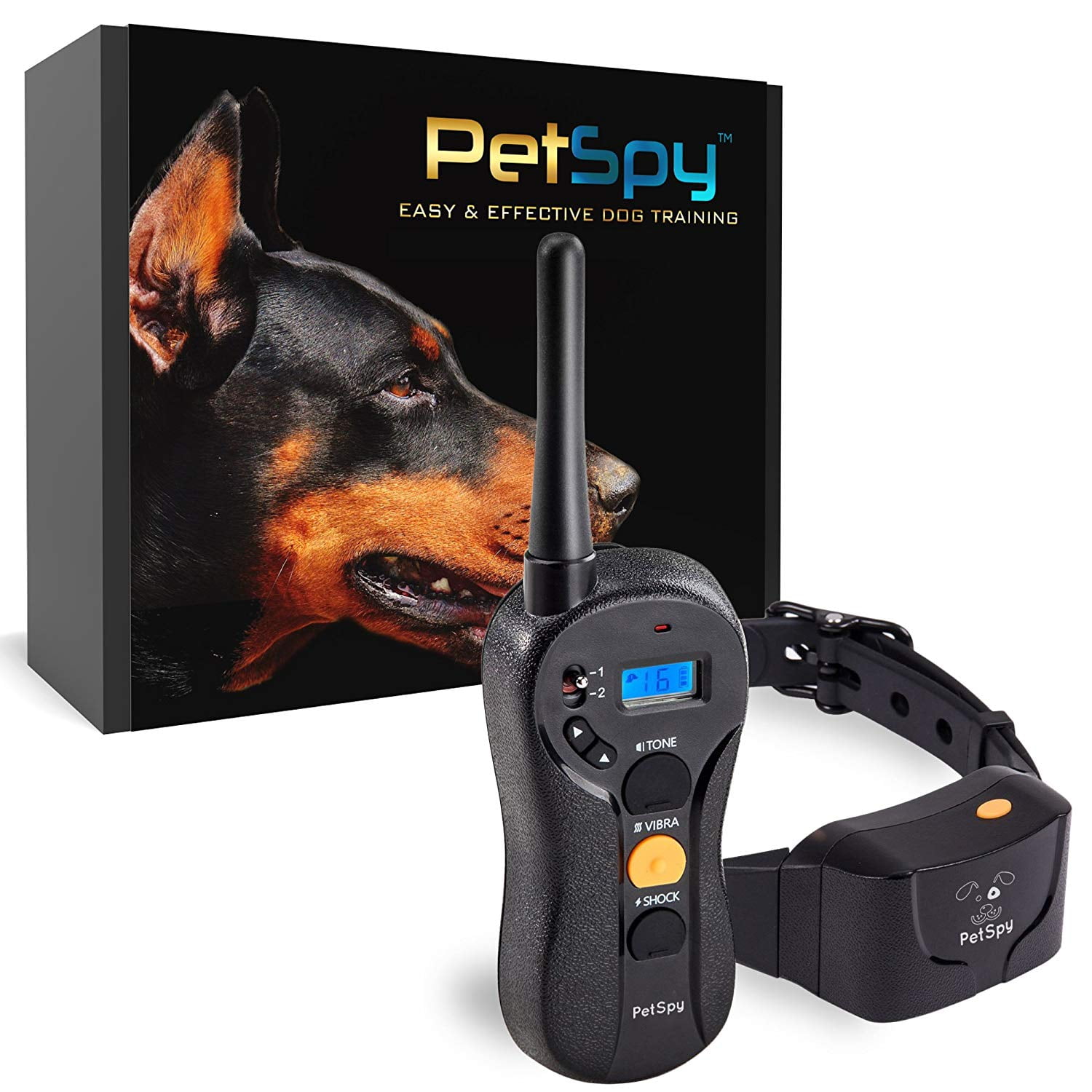
Credit: www.walmart.com
Choosing The Right E Collar
Choosing the right e collar is key to effective dog training. The right collar fits well, works with your dog’s needs, and offers useful features. Picking the correct one helps your dog learn faster and stay safe.
Size And Fit Considerations
The collar must fit snugly but not too tight. A loose collar can slip off or give wrong signals. Measure your dog’s neck before buying. Small dogs need smaller, lighter collars. Large dogs need bigger, stronger collars. Check the collar’s weight too. Heavy collars can bother small dogs. Proper fit ensures comfort and better control.
Adjustable Settings
Look for collars with different levels of stimulation. Adjustable settings let you choose the right intensity. Start with the lowest level to see your dog’s reaction. Higher levels are for stronger or stubborn dogs. Some collars offer vibrations or sounds instead of shocks. These options suit sensitive dogs. Adjustable settings help train gently and safely.
Compatibility With Dog Breed And Temperament
Consider your dog’s breed and behavior. Some breeds are more sensitive than others. Calm dogs may respond well to gentle signals. Active or strong-willed dogs might need stronger correction. Puppies and older dogs need softer training tools. Match the collar to your dog’s personality. This makes training easier and kinder for your pet.
Proper Training Techniques
Proper training techniques are key to using E collars safely and effectively. These collars deliver a mild stimulation to get a dog’s attention. Training should always focus on clear communication and respect for the dog’s comfort.
Introducing the collar gradually helps the dog feel at ease. Combining E collars with positive rewards builds trust. Avoiding overuse ensures training stays fair and kind.
Gradual Introduction
Start by letting the dog wear the collar without turning it on. This helps the dog get used to the feeling. Use short sessions to avoid stress. Watch the dog’s reaction closely. Increase use slowly and calmly. Always stop if the dog shows signs of fear.
Positive Reinforcement Integration
Pair the collar’s signals with treats or praise. Reward good behavior right after the signal. This helps the dog understand what is expected. Use the collar as a guide, not punishment. Positive reinforcement makes learning quicker and happier.
Avoiding Overuse
Limit the collar’s use to clear training moments. Do not use it as a constant correction tool. Overusing the collar can cause anxiety and fear. Use it only to gain attention or stop bad habits. Always balance collar use with kindness and patience.
Expert Opinions
Experts offer varied opinions about e collars for dog training. Their insights help pet owners understand the benefits and risks. This section shares views from veterinarians, trainers, and behaviorists.
Veterinarians’ Perspectives
Many veterinarians see e collars as tools that require caution. They warn about possible stress and pain for dogs. Some vets suggest using e collars only under guidance. Others recommend gentle training methods instead.
Vets stress watching your dog closely during training. Signs of fear or discomfort mean stop immediately. Health issues can worsen with improper collar use.
Professional Trainers’ Views
Professional trainers have mixed feelings about e collars. Some use them for specific behaviors like strong pulling or recall. They say proper timing and settings are key. Training without harsh shocks is possible with good skill.
Other trainers prefer positive reinforcement methods. They believe dogs learn better with rewards, not punishment. Trainers advise owners to learn proper techniques before trying e collars.
Animal Behaviorists’ Insights
Animal behaviorists focus on how e collars affect dog emotions. Many warn that these collars can cause anxiety or fear. They recommend behavior modification that builds trust.
Behaviorists suggest understanding the root of behavior issues. They encourage patience and consistent training without pain. Positive experiences help dogs learn faster and stay calm.
Legal And Ethical Aspects
Understanding the legal and ethical aspects of e collars is crucial for responsible dog training. These devices deliver a mild electric stimulus to control dogs’ behavior. Their use raises questions about safety, welfare, and legality. Owners and trainers must know the rules and consider the dog’s well-being before using them.
Regulations On E Collar Use
Many countries have laws about e collar use. Some places ban them outright. Others allow them only under professional supervision. Rules often focus on the strength of the stimulus and training methods. Violating these rules can result in fines or legal actions. Checking local laws before using an e collar is essential.
Ethical Training Practices
Ethical training means treating dogs with respect and care. E collars should never cause pain or fear. Trainers must use the lowest effective setting. Positive reinforcement works better and builds trust. Using e collars as punishment can harm the dog’s mental health. Ethical trainers focus on clear, kind communication.
Alternatives To E Collars
Many alternatives exist that avoid electric stimulation. Clicker training and treats reward good behavior. Gentle voice commands and leash guidance help control dogs safely. These methods promote learning without fear or pain. Choosing humane tools improves the dog’s happiness and training success.
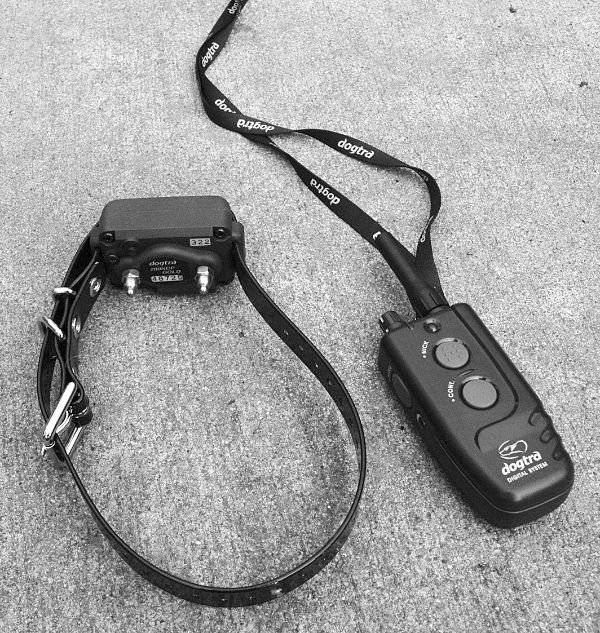
Credit: www.whole-dog-journal.com
Frequently Asked Questions
What Are E Collars Used For In Dog Training?
E collars help reinforce commands by delivering mild stimulation. They improve focus and correct unwanted behaviors effectively when used properly.
Are E Collars Safe For Dogs To Wear?
Yes, E collars are safe if used responsibly and at low settings. Proper training and guidance prevent discomfort or harm to your dog.
How Do E Collars Improve Dog Behavior Training?
E collars provide consistent signals, helping dogs understand commands faster. They reduce distractions and increase training efficiency with timely corrections.
Can E Collars Be Used For All Dog Breeds?
Most dog breeds can benefit from E collars, but size and temperament matter. Always choose an appropriate collar and consult a trainer if unsure.
Conclusion
E collars can help train some dogs when used correctly. They offer clear signals that dogs can understand. Training requires patience, care, and consistency. Always prioritize your dog’s comfort and safety. Not every dog responds well to e collars. Consider your dog’s personality and needs first.
Consult a professional trainer for guidance. Training tools work best with positive methods. Good training builds trust and respect. Choose what fits your dog best.