

Have you ever wondered if you can use a dog clicker to train your cat? If you’re looking for an easy way to communicate with your feline friend or teach new tricks, this question probably crossed your mind.
You want a simple, effective tool that works without confusing your pet or wasting your time. You’ll discover whether a dog clicker can really help with cat training, how your cat might respond, and what tips will make the process smoother.
Keep reading to unlock the secret to better bonding and smarter training with your cat!
Using Clickers For Cat Training
Clicker training is a popular method for teaching animals new behaviors. Many dog owners use a clicker to mark good actions clearly. But can this tool work for cats too? Cats learn differently, yet clickers can help with patience and the right approach. Using clickers for cat training can create a fun and clear way to communicate.
How Clicker Training Works
A clicker makes a sharp sound to signal a reward. The sound marks the exact moment a pet does something right. After hearing the click, the pet expects a treat or praise. This helps animals connect their action with positive results. Repeating this builds good habits over time. The clicker acts as a bridge between behavior and reward.
Differences Between Dogs And Cats
Dogs are pack animals and eager to please their owners. Cats are more independent and less driven by social approval. This means cats may not respond as quickly to clicker training. Cats need shorter sessions and more treats to stay interested. They learn best with gentle encouragement and patience. Understanding these differences helps trainers adjust their methods for cats.

Credit: www.osc-hamburg.de
Benefits Of Clicker Training For Cats
Clicker training offers many benefits for cats. It helps build trust between you and your pet. This method uses a small sound to mark good behavior. Cats quickly learn to associate the sound with rewards. This makes training clear and fun for both of you.
Training with a clicker is gentle and positive. It encourages your cat to repeat good actions. Over time, this creates a stronger bond and better manners.
Improving Communication
Clicker training improves how you and your cat talk to each other. The click sound acts as a clear signal. Your cat understands exactly which action you want. This reduces confusion and frustration during training. It helps your cat learn faster and with less stress. Clear communication makes everyday life easier and happier.
Encouraging Positive Behavior
The clicker rewards good actions instantly. This motivates your cat to behave well more often. It helps stop unwanted habits without punishment. Positive reinforcement builds your cat’s confidence. Good behavior becomes a habit. This method creates a calm and friendly home environment for both of you.
Choosing The Right Clicker
Choosing the right clicker is important for training cats. Cats have different hearing and reactions than dogs. The clicker sound must catch the cat’s attention without scaring it. Picking a clicker with the right tone helps make training easier and more fun for your cat.
Not all clickers work the same for cats. Some sounds might be too loud or too soft. Finding the right balance is key to keep your cat interested and calm during training sessions.
Clicker Types And Sounds
Clickers come in many shapes and sizes. Some are plastic boxes that make a sharp “click” sound. Others use metal pieces that snap together. The sound can be high-pitched or low-pitched.
Cats often prefer higher-pitched sounds. These sounds are closer to their natural communication tones. Soft clickers or those with adjustable volume can work well. Test different clickers to see which sound your cat likes most.
What Cats Respond To
Cats respond best to clear, quick sounds. A sharp but gentle click can catch their attention. Loud or harsh noises might scare them away.
Some cats react better to other sounds, like a whistle or a soft tap. Watch your cat’s reactions carefully. Choose a sound that makes your cat curious, not afraid.
Step-by-step Cat Clicker Training
Training a cat with a clicker can be simple and fun. The step-by-step method helps your cat learn fast. Each step builds trust and understanding between you and your pet. Patience and consistency are key to success.
Getting Your Cat’s Attention
Start by holding the clicker close to your cat. Make a soft noise with the clicker to catch their ear. Wait for your cat to look at you or the clicker. Use a calm voice to keep your cat focused. Avoid loud sounds that may scare them.
Timing The Click Correctly
Click exactly when your cat does the right action. The click tells your cat they did something good. Do not click too early or too late. A perfect click links the action and reward clearly. Practice clicking at the right moment.
Pairing Clicks With Rewards
After each click, give your cat a small treat or praise. This helps your cat connect the click with a reward. Use tasty treats your cat loves for best results. Repeat this step often to reinforce good behavior. Consistent rewards make training effective and fun.
Common Challenges And Solutions
Training a cat with a dog clicker brings unique challenges. Cats think and respond differently than dogs. Understanding these challenges helps improve training success. Simple solutions can keep your cat focused and happy.
Dealing With Distracted Cats
Cats have short attention spans and get distracted easily. Loud noises, moving objects, or smells can pull their focus away. Use a quiet and calm space for training sessions. Keep sessions short, about 5 minutes or less. Use high-value treats that your cat loves. Reward your cat immediately after clicking. This helps your cat connect the sound with a reward. Patience is key; cats learn at their own pace.
Avoiding Overuse Of Clicks
Clicking too much can confuse or annoy your cat. Use the clicker only to mark good behavior. Avoid clicking when the cat is not paying attention. Limit clicks to one per desired action. Overclicking reduces the clicker’s meaning and impact. Stop training before your cat loses interest. End sessions on a positive note with a treat or petting. This keeps your cat eager for the next session.
Credit: www.kinship.com
Creative Training Tips For Cats
Training cats can be fun and rewarding with the right methods. Cats learn best with patience and positive rewards. Clicker training is a great tool to communicate clearly with your cat. It helps mark good behavior quickly and precisely. Using a clicker makes training sessions short and enjoyable for cats.
Here are some creative tips to use a clicker for training your cat. These ideas keep your cat interested and active. They also build a strong bond between you and your pet.
Teaching Tricks With Clickers
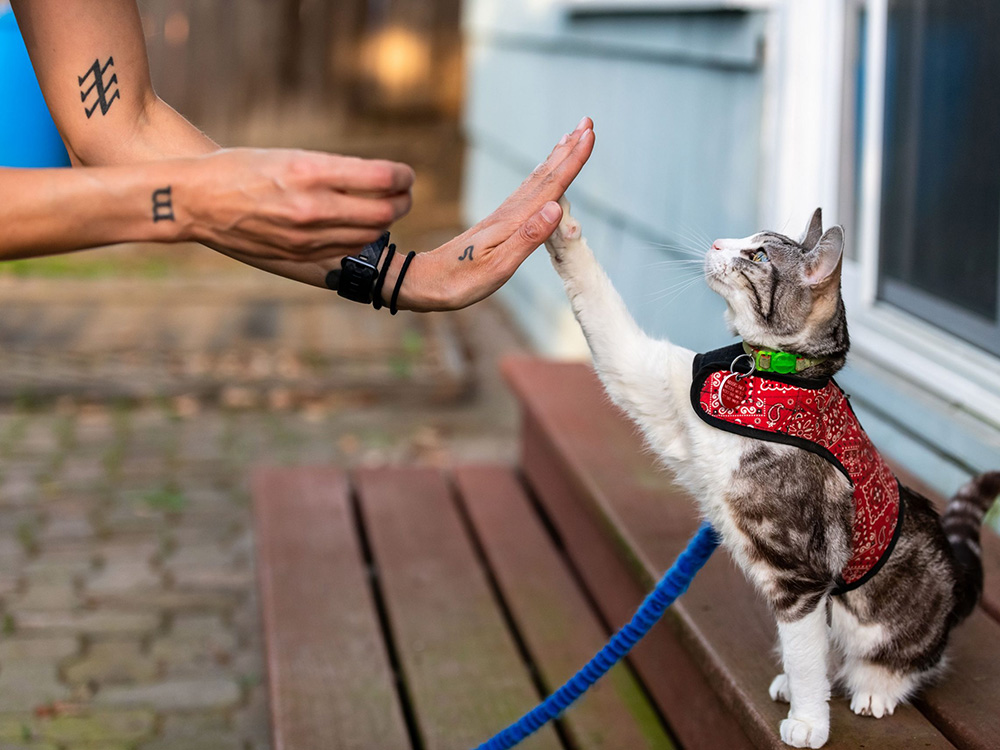
Start with simple tricks like sitting or touching an object. Press the clicker the moment your cat does the right action. Follow the click sound with a small treat. Repeat this many times in short sessions. Cats learn best with clear signals and quick rewards. Gradually add new tricks like high-five or rolling over. Keep training fun and avoid long sessions to hold attention.
Incorporating Play And Exercise
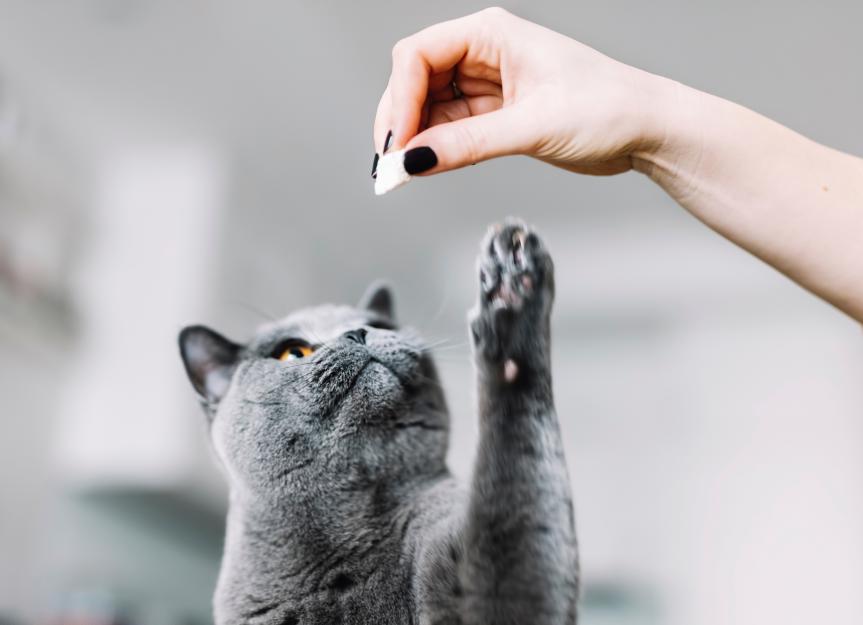
Use the clicker during play to encourage active behavior. Click when your cat chases a toy or jumps on a target. Reward with treats or playtime to build excitement. This makes exercise feel like a game. It keeps cats fit and mentally sharp. Regular play reduces boredom and unwanted behavior. Using a clicker adds structure and fun to daily routines.
Credit: www.petmd.com
Frequently Asked Questions
Can You Train A Cat Using A Dog Clicker?
Yes, a dog clicker can train cats effectively. Cats respond well to clicker sounds paired with treats. Consistency and timing are key for success.
Is A Dog Clicker Safe For Cat Training?
A dog clicker is safe for cats. The sound is gentle and non-threatening. It helps cats associate positive behavior with rewards.
How Do Cats React To Clicker Training?
Cats usually show curiosity and quickly learn the clicker sound means a treat. They enjoy interactive training sessions with positive reinforcement.
What Are Benefits Of Clicker Training For Cats?
Clicker training builds better communication between you and your cat. It encourages mental stimulation and helps modify unwanted behaviors gently.
Conclusion
A dog clicker can work well for training cats. Cats respond to sounds and rewards just like dogs. Patience and consistency make training easier for your cat. Keep training sessions short to hold their attention. Always use treats your cat likes to keep them motivated.
Training your cat with a clicker builds trust and good behavior. Try it and see how your cat learns and enjoys it. Small steps lead to great results.