

If you want to train your pet quickly and effectively, using a pet training clicker can make all the difference. This simple tool helps you communicate with your furry friend clearly, so they understand exactly what behavior you want.
Imagine being able to teach your dog or cat new tricks without frustration or confusion. You’ll discover how to use a pet training clicker step-by-step, making training easier and more enjoyable for both you and your pet. Ready to unlock your pet’s full potential?
Keep reading to learn the secrets behind this powerful training method.
Why Choose A Clicker
Choosing a clicker for pet training offers a clear and simple way to communicate with your pet. The sound of the clicker marks the exact moment your pet does something right. This helps your pet learn faster and understand what you want. Clicker training uses positive reinforcement, making learning fun and effective. It builds trust between you and your pet.
Benefits Of Clicker Training
Clicker training is easy to use and precise. The click sound is consistent and clear for your pet. It helps pets learn new behaviors quickly. You can reward good behavior immediately after the click. This method reduces confusion and stress for your pet. It also improves focus and attention during training. Pets enjoy training sessions more because they understand better.
Clicker Vs Traditional Methods
Traditional training uses voice commands or hand signals alone. Sometimes, pets find it hard to know when they did well. The clicker gives a clear, distinct sound. It marks the exact behavior you want to reward. This makes training faster and less frustrating. Clicker training avoids punishment and fear. It encourages pets to try new things without worry.
Credit: foamdogballs.com
Getting Started With Your Clicker
Starting to use a pet training clicker is simple and fun. This tool helps you teach your pet new behaviors. It uses a clear sound to mark good actions. Your pet learns to connect the click sound with a reward.
Before training, you need to prepare the right clicker and introduce it to your pet. These steps build a strong start and make training easier for both of you.
Selecting The Right Clicker
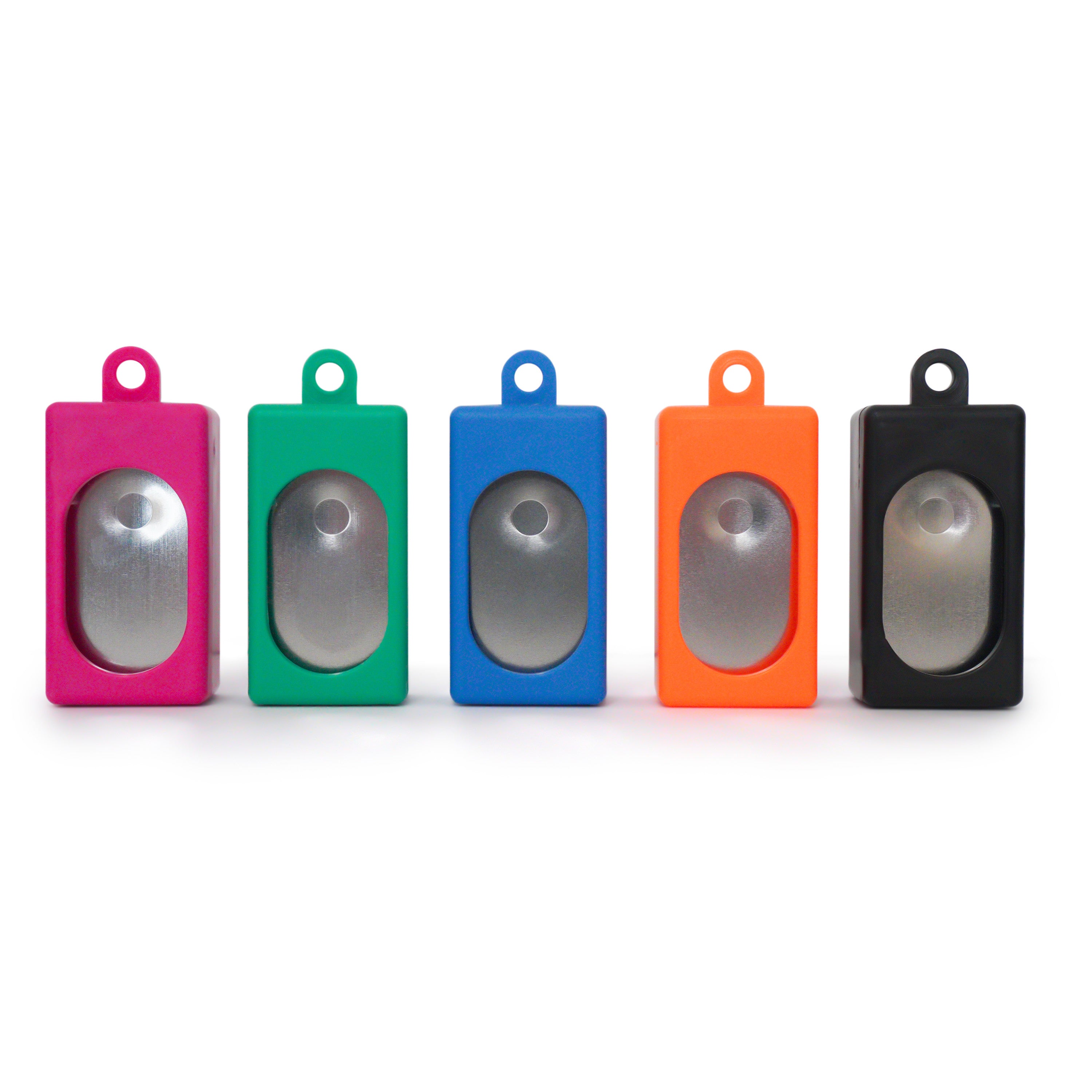
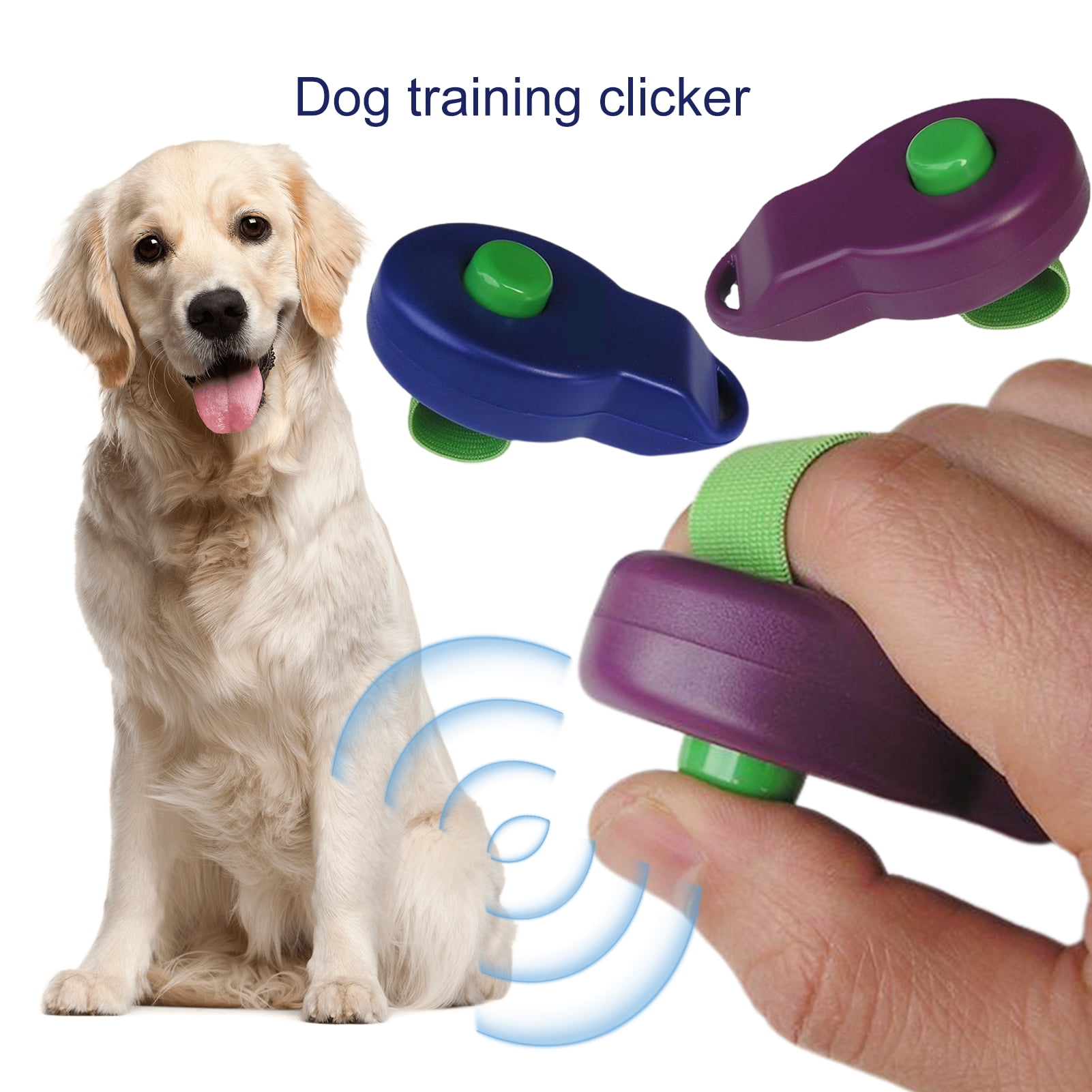
Choose a clicker that fits comfortably in your hand. It should make a clear, sharp sound. Avoid clickers that are too loud or too soft. Some clickers have wrist straps for easy use. Pick one that feels natural for your training style.
Introducing The Clicker To Your Pet
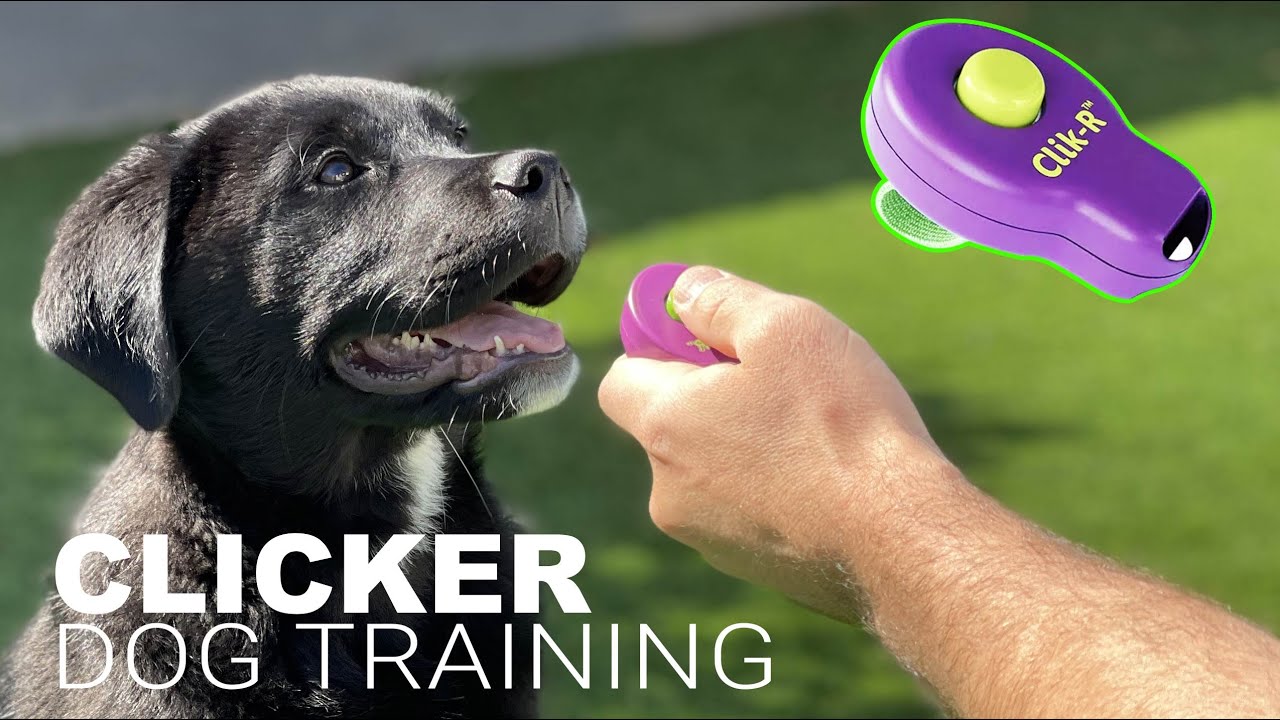
Show the clicker to your pet and click once. Immediately give your pet a treat. Repeat this several times to help your pet link the click with a reward. Use a quiet room free from distractions. Keep sessions short and positive to maintain your pet’s interest.
Basic Clicker Training Steps
Basic clicker training is a simple and effective way to teach pets new behaviors. It uses a small device that makes a clicking sound. The click marks the exact moment your pet does something right. This helps your pet understand what you want. Follow these steps to start training with a clicker.
Charging The Clicker
First, you need to charge the clicker. This means teaching your pet that the click sound means a reward is coming. Click the device and immediately give your pet a treat. Repeat this several times. Your pet will soon connect the click sound with something good.
Timing Your Clicks
Timing is very important in clicker training. Click the moment your pet does the correct action. This helps your pet know exactly what earned the click. Avoid clicking too early or too late. Precise timing speeds up learning.
Pairing Clicks With Rewards
Always follow the click with a reward. The reward can be a treat, praise, or playtime. This pairing makes the click meaningful for your pet. Without a reward, the click loses its power. Keep treats handy during training sessions.
Teaching Simple Commands
Teaching simple commands helps build good behavior in pets. Using a pet training clicker makes this process clear and easy. Each click tells your pet they did something right. This clear signal helps them learn faster. Start with basic commands to create a strong training foundation.
Sit And Stay
Hold a treat above your pet’s nose. Move it back slowly over their head. Most pets will sit naturally to watch the treat. Click the clicker the moment they sit. Give them the treat right after the click. To teach “stay,” ask your pet to sit first. Show your palm like a stop sign. Click and reward if they remain still for a few seconds. Increase the time slowly. Repeat often for best results.
Come When Called
Start in a quiet area with few distractions. Say your pet’s name clearly, then say “come.” When your pet moves toward you, click immediately. Give a treat right after the click. Use a happy voice to encourage them. Practice often in short sessions. Gradually add distractions and distance. Always reward your pet for coming to you. This builds trust and quick response.
Leave It And Drop It
Hold a treat in your closed hand. Let your pet sniff but not get the treat. Say “leave it” and wait quietly. Click and give a different treat if they stop trying. For “drop it,” give your pet a toy. Ask them to hold it. Show a treat and say “drop it.” Click and reward when they release the toy. Practice these commands to keep your pet safe and calm.
Advanced Training Techniques
Advanced training techniques with a pet training clicker help improve your pet’s skills. These methods go beyond basic commands. They challenge your pet’s mind and build strong communication between you and your pet. Use these techniques to teach complex actions and solve behavior issues.
Shaping Complex Behaviors
Shaping means teaching a behavior step-by-step. Start by clicking and rewarding small actions close to the goal. Gradually require more precise actions for the click and treat. This method helps pets learn new tricks or difficult tasks. Patience and timing are key to shaping success.
Using Clicker For Problem Solving
Clickers can guide pets through problem-solving tasks. Present a challenge, like finding a hidden toy or opening a door. Click when the pet makes progress or tries new actions. This encourages creative thinking and persistence. Use clear signals and rewards to keep your pet motivated.
Maintaining Consistency
Consistency is vital in advanced training. Always click at the exact moment your pet does the right thing. Use the same tone and timing each session. Consistency helps your pet understand what you expect. Keep training sessions short and regular for the best results.
Common Challenges And Solutions
Using a pet training clicker can be very effective, but it comes with challenges. Some pets may not respond well at first. Others might lose interest or get distracted. Understanding these common problems helps trainers stay patient and keep training on track. Here are some typical issues and easy solutions to try.
Ignoring The Clicker
Some pets do not notice or care about the clicker sound. This can happen if they do not link the click to a reward. Start by pairing the clicker with treats several times. Click, then give a treat immediately. Repeat until the pet looks for a treat after hearing the click. This builds a clear connection between the sound and something good.
Overuse And Burnout
Clicking too much can confuse or tire your pet. Training sessions that last too long make pets lose interest. Keep training short and fun. Stop before your pet gets bored or tired. Use the clicker only for clear, wanted behaviors. Rest time helps your pet stay eager to learn.
Dealing With Distractions
Pets can get distracted by noises, smells, or other animals. This makes it hard for them to focus on the clicker. Begin training in a quiet, calm place. Slowly add distractions as your pet improves. Reward your pet for paying attention despite distractions. This builds better focus over time.
Tips For Faster Results
Using a pet training clicker can speed up your pet’s learning. Small changes in how you train make a big difference. Follow these simple tips for faster results. They help your pet understand what you want quickly.
Short Training Sessions
Keep training sessions brief. Aim for 5 to 10 minutes only. Long sessions can tire your pet. Tired pets lose focus and interest. Short sessions keep your pet eager and ready to learn again.
Positive Reinforcement Strategies
Use treats and praise along with the clicker. Click the moment your pet does the right action. Give a small treat right after the click. This helps your pet link the click sound with a reward. Always stay calm and encouraging.
Tracking Progress
Write down what your pet learns each day. Note which commands they do well. Track any challenges they face. This helps you see improvements and know when to change your approach. Celebrate small wins to keep training fun.
Credit: www.youtube.com
Tools To Complement Clicker Training
Clicker training works best with the right tools. These tools make training fun and clear for your pet. They help your pet understand what you want quickly.
Using treats, toys, and apps can improve your training sessions. These tools keep your pet interested and motivated. They also help you track progress and stay consistent.
Using Treats Effectively
Treats are a powerful reward in clicker training. Choose small, tasty treats your pet loves. Give the treat right after the click sound.
Too many treats can spoil training. Use treats sparingly to keep your pet eager. Gradually reduce treats as your pet learns commands.
Incorporating Toys And Play
Toys add fun to training sessions. Use your pet’s favorite toy as a reward sometimes. Play helps reduce stress and builds a strong bond.
Switch between treats and toys to keep your pet interested. Use short play breaks during training for better focus.
Leveraging Training Apps
Training apps help you plan and track sessions. They remind you to train regularly and record your pet’s progress. Some apps have clicker sounds you can use on your phone.
Apps make training organized and consistent. Follow app tips to improve your methods. Use apps to learn new training ideas.
Credit: kdfoundation.org
Frequently Asked Questions
What Is A Pet Training Clicker?
A pet training clicker is a small handheld device that makes a clicking sound. It helps mark desired behaviors instantly for pets. This tool improves communication between you and your pet. It’s commonly used in positive reinforcement training.
How Do You Start Training With A Clicker?
Begin by associating the click sound with rewards like treats. Click once, then immediately give a treat. Repeat this to build a clear connection. After that, use the clicker to mark good behavior during training sessions.
Can All Pets Be Trained With A Clicker?
Yes, most pets including dogs, cats, birds, and even rabbits respond well. Clicker training uses positive reinforcement, which works across many species. However, training success depends on patience and consistency.
How Often Should I Use The Clicker During Training?
Use the clicker only to mark the exact moment of desired behavior. Click once each time your pet performs the correct action. Avoid overusing the clicker to keep its meaning clear and effective.
Conclusion
Using a pet training clicker helps pets learn faster and better. It creates clear communication between you and your pet. Click sounds mark good behavior instantly. Keep training sessions short and fun for best results. Practice often to build your pet’s skills and trust.
Patience and consistency are key to success. Soon, your pet will respond well to commands. Training becomes easier and more enjoyable for both of you. Give your pet the chance to learn happily and confidently.